- Hesiod Theogony Penguin Classics
- What are the main differences between Greek and Norse creation myths?
- Primordial Origins: Chaos vs Ginnungagap
- Divine Hierarchies and Power Structures
- Cosmic Geography
- Which creation myth is older Greek or Norse?
- Literary Timeline
- Archaeological Perspectives
- How do creation myths influence modern fantasy stories?
- Narrative Structures
- Cosmological Elements
- What role do primordial deities play in creation myths?
- Greek Primordials: The Foundation Builders
- Norse Primordials: The Raw Materials
- Why did ancient cultures develop different creation stories?
- Geographic Influences
- Social Organization
- Historical Experiences
- Timeline Comparison: Greek vs Norse Creation
- Cultural Impact on Modern Understanding
- Scientific Metaphors
- Psychological Archetypes
- Frequently Asked Questions
- Final Verdict: Understanding Our Mythological Heritage
- Related Posts
- Related Posts
- Related Reading
Greek vs Norse Creation Myths 2025 – Complete Analysis
Ever wondered why Thor wields a hammer while Zeus hurls thunderbolts? The answer lies buried in the ancient creation stories that shaped these mythological traditions. While both Greek and Norse cultures developed elaborate cosmogonies to explain existence itself, their approaches couldn't be more different.
Greek creation myths emphasize generational conflict and divine hierarchy, starting from primordial Chaos and culminating in Zeus's ordered rule. Norse creation stories focus on cyclical destruction and renewal, beginning in the void of Ginnungagap and destined to end at Ragnarök before rebirth.
Disclosure: This article contains affiliate links. We may earn a commission at no extra cost to you.

Hesiod Theogony Penguin Classics
The definitive source for Greek creation mythology with excellent scholarly translation
What are the main differences between Greek and Norse creation myths?
The fundamental differences between these mythological systems reveal distinct cultural values and worldviews that shaped ancient civilizations.
Primordial Origins: Chaos vs Ginnungagap
Greek mythology begins with Chaos — not disorder as modern usage suggests, but rather a yawning void or gap. From this emptiness emerged Gaia (Earth), Tartarus (the underworld), and Eros (cosmic love). Hesiod's Theogony describes this as a spontaneous generation, where primordial forces simply came into being.
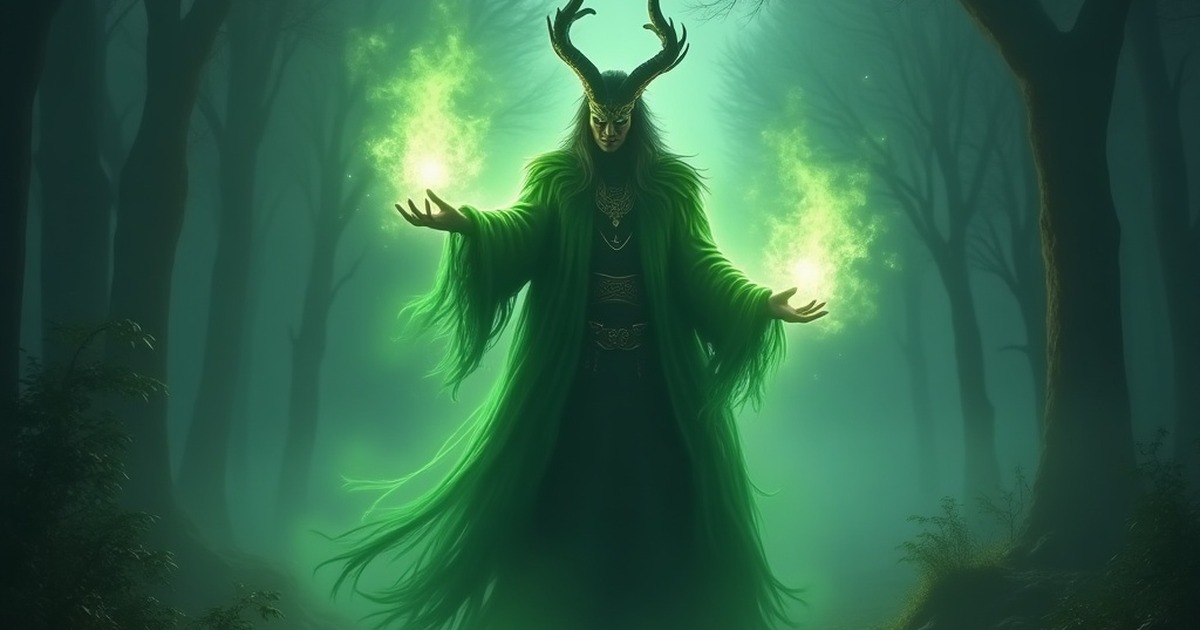
Norse creation starts with Ginnungagap, the “gaping void” between the realms of fire (Muspelheim) and ice (Niflheim). Unlike the Greek spontaneous emergence, Norse creation requires interaction — when fire and ice meet in the void, they create the first being, Ymir, a primordial giant.
Prose Edda Snorri Sturluson
Essential primary source for understanding Norse cosmology and creation myths
Divine Hierarchies and Power Structures
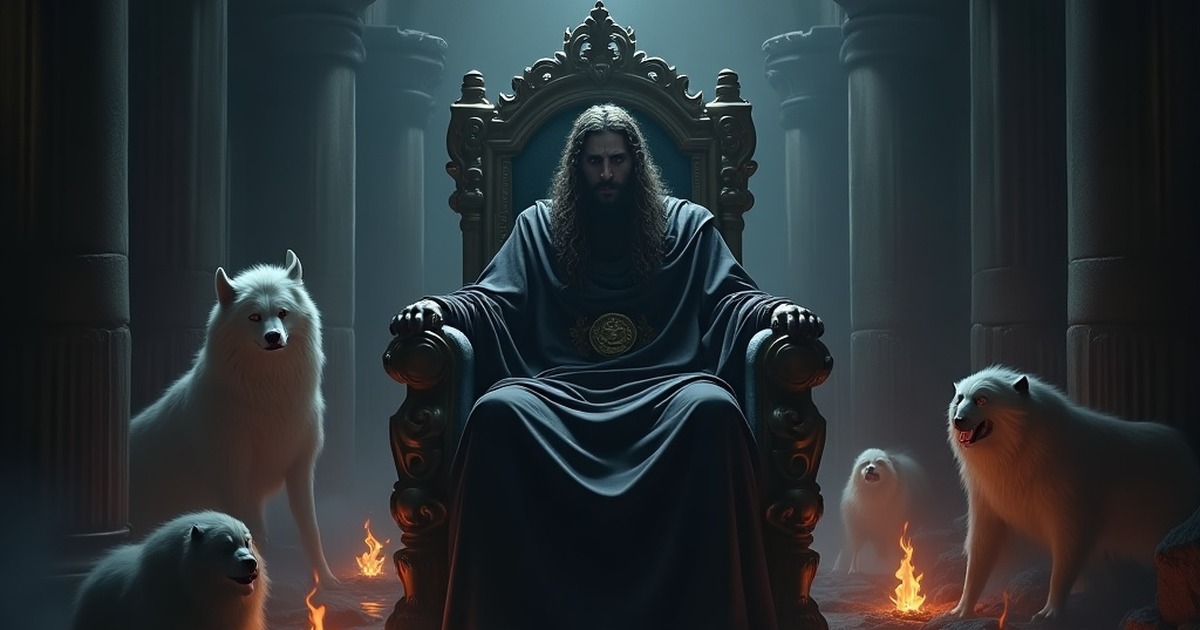
Greek mythology establishes clear generational succession through violent overthrow. Cronos castrates his father Uranus, then Zeus defeats Cronos and the Titans in the Titanomachy. This creates a stable hierarchy with Zeus as supreme ruler on Mount Olympus.
Norse mythology presents a more collaborative divine structure. Odin and his brothers Vili and Vé work together to slay Ymir and create the world from his body. The Æsir gods rule from Asgard, but they're constantly threatened by giants and ultimately doomed to fall at Ragnarök.
Cosmic Geography
The Greeks conceived a vertical cosmos: Mount Olympus above, the mortal world in the middle, and Hades below. This reflects their mountainous geography and city-state political structure.
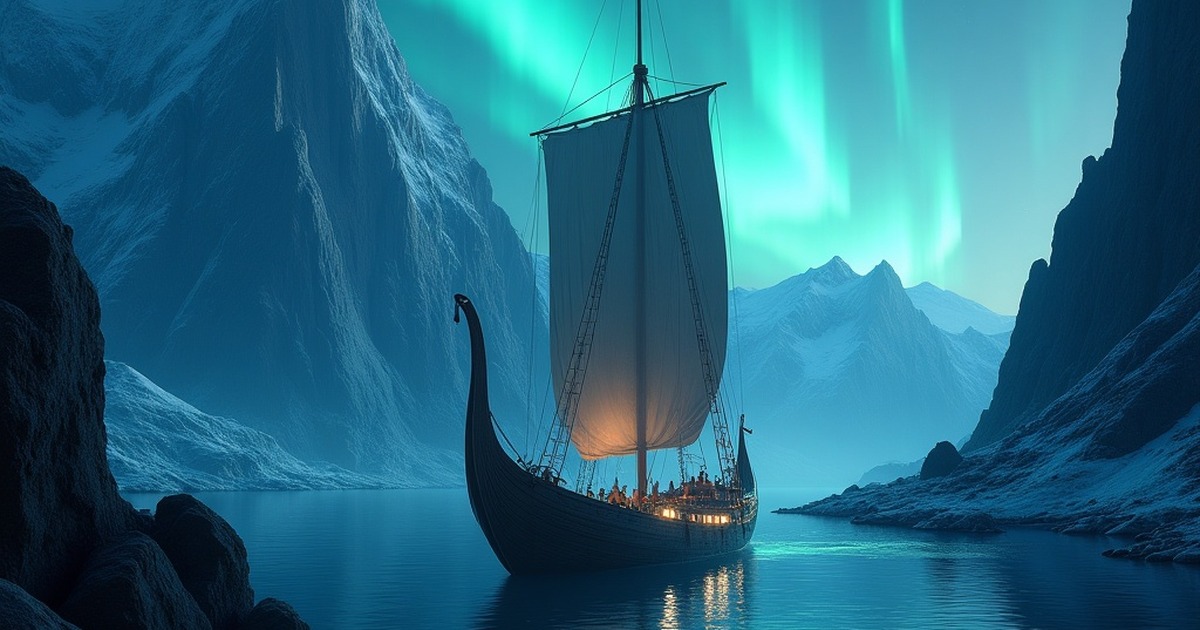
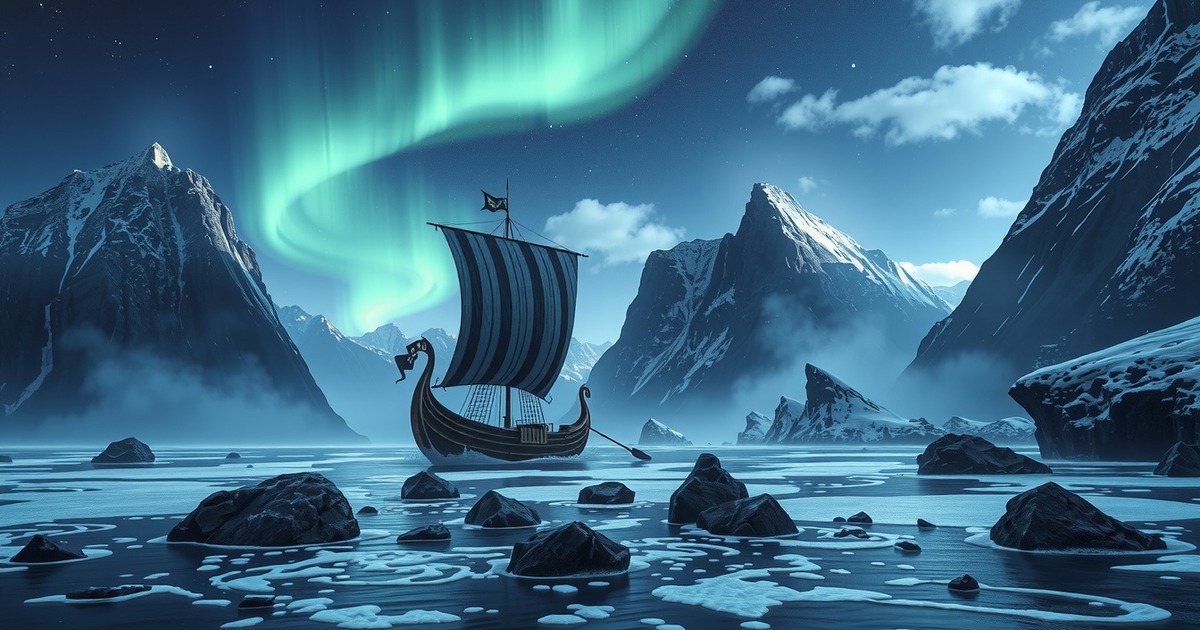
Norse cosmology centers on Yggdrasil, the World Tree connecting nine realms. This horizontal-vertical hybrid reflects Scandinavian maritime culture — travel between realms like sailing between islands.

Which creation myth is older Greek or Norse?
The written sources tell one story, but archaeological evidence suggests both traditions have much deeper roots.
Literary Timeline
Hesiod's Theogony dates to approximately 700 BCE, making it our earliest complete Greek creation account. The Prose Edda by Snorri Sturluson was written around 1220 CE — nearly 2,000 years later.
However, this chronological comparison misleads us. Snorri compiled oral traditions that stretched back centuries, possibly to the early Viking Age (793-1066 CE) or even earlier Germanic periods.
Archaeological Perspectives
Proto-Indo-European mythology research suggests both traditions share common ancestral elements dating to 3500-2500 BCE. The Greek tradition preserved these elements in writing much earlier, while Norse mythology maintained oral transmission longer.
Comparative Evidence:
- Sky father figures (Zeus/Odin) appear in both
- World trees feature in early Greek sources before Olympian dominance
- Giant/Titan conflicts reflect shared mythological patterns
- Germanic archaeological sites show religious continuity from Bronze Age
World Mythology Comparative Guide
Academic framework for analyzing mythological patterns across cultures
How do creation myths influence modern fantasy stories?
Contemporary fantasy draws heavily from both mythological traditions, often blending elements that ancient cultures kept separate.
Narrative Structures
Greek creation mythology provides the template for hierarchical fantasy worlds. Think Tolkien's Silmarillion — Eru Ilúvatar creates through song like Orpheus, while the Valar resemble Olympian gods ruling from Valinor.
Norse mythology influences modern fantasy's emphasis on cyclical time and inevitable doom. George R.R. Martin's “Long Night” echoes Fimbulwinter preceding Ragnarök. The concept that heroes fight despite knowing ultimate defeat resonates throughout contemporary dark fantasy.
Cosmological Elements
The World Tree appears constantly in modern fantasy — from World of Warcraft's Nordrassil to Marvel's cosmic Yggdrasil connecting movie realms. Meanwhile, Greek-inspired divine hierarchies structure everything from Percy Jackson to Wonder Woman.
Modern Adaptations Include:
- Multi-realm cosmologies (Marvel Cinematic Universe)
- Generational divine conflicts (DC's New Gods)
- Primordial chaos as ultimate threat (Lovecraftian horror)
- World-ending prophecies with renewal themes (Final Fantasy)

What role do primordial deities play in creation myths?
Primordial deities function as cosmic architects, but their roles differ dramatically between Greek and Norse traditions.
Greek Primordials: The Foundation Builders
Greek primordial deities like Gaia, Nyx, and Erebus represent fundamental aspects of existence rather than anthropomorphic gods. They're more like personified natural forces — Gaia is the Earth, not just a goddess of Earth.
These beings create through emanation and reproduction rather than conscious crafting. Gaia births the Titans without a partner, while Night produces Day through mysterious processes Hesiod doesn't fully explain.
Norse Primordials: The Raw Materials
Norse mythology treats primordial beings like Ymir as literal building materials. Odin and his brothers don't command Ymir — they kill him and butcher his corpse to create the world:
- His flesh becomes the earth
- His blood forms the seas
- His bones become mountains
- His skull creates the sky dome
- His brain becomes the clouds
This reflects a fundamentally different relationship with primordial power. Greeks saw it as generative, Norse as sacrificial.
✅ Pros
- Scholarly introduction explains historical context
- Clear family trees map complex relationships
- Extensive footnotes clarify obscure references
- Includes variant versions from different sources
❌ Cons
- Academic language can be challenging
- Limited illustrations of described scenes
- Some archaic terminology without modern equivalents
Why did ancient cultures develop different creation stories?
Environmental factors, social structures, and historical experiences shaped each culture's understanding of cosmic origins.
Geographic Influences
Greek city-states developed in a Mediterranean climate with stable seasons and predictable weather patterns. Their creation myths emphasize order triumphing over chaos, reflecting agricultural societies that depended on reliable cycles.
Scandinavian societies faced harsh winters, unpredictable seas, and limited growing seasons. Norse creation myths acknowledge that even gods struggle against hostile forces — giants representing winter, famine, and natural disasters that could destroy entire communities.
Social Organization
Greek polis culture valued citizenship, democracy (for some), and civic participation. Their gods rule through council meetings and debate, mirroring human political structures.
Norse warrior societies emphasized personal valor, kinship bonds, and loyalty unto death. Their gods are warriors first — Odin gathers heroes for the final battle, while Zeus primarily maintains cosmic order.
Historical Experiences
Greeks experienced cycles of rise and fall — Mycenaean collapse, Dark Age recovery, classical flowering. Their myths process generational change through divine succession stories.
Norse peoples faced constant expansion pressure — from environmental challenges, population growth, and contact with Christian kingdoms. Ragnarök expresses anxiety about cultural extinction while promising renewal.
Timeline Comparison: Greek vs Norse Creation
Greek Creation Sequence:
- Chaos emerges as primordial void
- Gaia, Tartarus, and Eros appear spontaneously
- Gaia births Uranus (Sky) and Pontus (Sea)
- Uranus and Gaia produce the Titans
- Cronos castrates Uranus, rules Titans
- Zeus defeats Cronos, establishes Olympian order
- Humans created by Prometheus from clay
- Golden, Silver, Bronze, and Iron Ages follow
Norse Creation Sequence:
- Ginnungagap exists as void between fire and ice
- Ymir and Audhumla (primordial cow) emerge from melting ice
- Ymir reproduces asexually, creating giant race
- Búri emerges from ice, fathers Borr
- Borr's sons (Odin, Vili, Vé) slay Ymir
- World created from Ymir's dismembered body
- Humans (Ask and Embla) created from ash and elm trees
- Cycle moves toward Ragnarök and renewal
Cultural Impact on Modern Understanding
Both mythological traditions continue shaping how we conceptualize beginnings, endings, and cosmic purpose in 2025.
Scientific Metaphors
Big Bang cosmology often gets described using creation myth language — primordial void, cosmic inflation, elemental formation. Even secular scientists borrow mythological frameworks to explain complex concepts.
Climate change discussions frequently invoke Ragnarök imagery — ice caps melting, extreme weather, ecosystem collapse followed by potential renewal. Environmental movements sometimes adopt Norse cyclical thinking over Greek linear progression.
Psychological Archetypes
Jungian psychology identifies creation myths as collective unconscious expressions. Greek emphasis on order vs. chaos appears in therapeutic frameworks, while Norse acceptance of inevitable loss influences grief counseling and trauma therapy.
Frequently Asked Questions
Q: Do Greek and Norse creation myths share any common elements?
A: Yes, both feature primordial voids, giant races, divine conflicts, and human creation from natural materials. These similarities reflect shared Indo-European heritage dating back over 5,000 years.
Q: Which mythology better explains natural phenomena?
A: Both served their cultures effectively. Greek myths explained Mediterranean weather patterns and geological features, while Norse myths addressed Arctic conditions and volcanic activity in Iceland and Scandinavia.
Q: How accurate are modern adaptations of these creation stories?
A: Modern fantasy typically blends elements from multiple traditions rather than faithfully adapting specific mythologies. This creative synthesis often produces compelling stories but shouldn't be considered historically accurate.
Q: Can studying creation myths help understand other ancient cultures?
A: Absolutely. Creation myths reveal core cultural values, environmental challenges, social structures, and philosophical worldviews. Comparative mythology remains an essential tool for anthropological research.
Q: Why do creation myths still resonate with modern audiences?
A: They address fundamental human questions about purpose, meaning, and cosmic significance that remain relevant regardless of technological advancement. Plus, they're simply great stories with compelling characters and dramatic conflicts.
Final Verdict: Understanding Our Mythological Heritage
Greek and Norse creation myths offer complementary perspectives on cosmic origins that continue enriching human imagination. Greek tradition provides frameworks for understanding order, hierarchy, and progressive development, while Norse mythology offers tools for processing chaos, loss, and cyclical renewal.
Rather than choosing between them, modern readers benefit from appreciating both traditions' unique contributions to world literature and cultural understanding. Whether you're drawn to Zeus's thunderbolt or Odin's ravens, these ancient stories remain as relevant in 2025 as they were millennia ago.
For serious study, start with Hesiod's Theogony and Snorri's Prose Edda — the foundational texts that preserve these magnificent creation stories for contemporary audiences.
Related Posts
Related Posts
Your Weekly Dose of Inspiration
Journaling ideas, family tips, and gentle inspiration.