- Theogony and Works and Days
- What Are the Main Differences Between Greek and Norse Creation Myths?
- 1. The Primordial State
- 2. The First Beings
- 3. Creation Methodology
- Which Creation Myth Is Older: Greek or Norse?
- 4. Temporal Origins and Documentation
- 5. Cultural Context and Development
- How Do Greek and Norse Gods Compare in Creation Stories?
- 6. Divine Hierarchies and Relationships
- 7. Divine Characteristics and Powers
- What Role Does Chaos Play in Greek vs Norse Mythology?
- 8. Concepts of Disorder and Order
- 9. Fate and Cosmic Destiny
- Why Are Greek and Norse Creation Myths So Different?
- 10. Environmental and Geographic Influences
- 11. Social Structure Reflections
- 12. Concepts of Time and Cyclicality
- Practical Applications for Modern Understanding
- Frequently Asked Questions
- Final Verdict: Understanding Through Contrast
- Related Posts
Greek vs Norse Creation Myths: 12 Key Differences That Will Transform Your Understanding
Ever wondered why Greek gods emerge from primordial chaos while Norse deities spring from a cosmic void filled with ice and fire? These aren't just different stories—they're windows into how ancient civilizations understood the very fabric of existence.
The fundamental differences between Greek and Norse creation myths reveal distinct worldviews: Greeks emphasized order emerging from chaos through divine hierarchy, while Norse traditions portrayed creation as a violent, cyclical process destined for renewal through destruction. These contrasting perspectives shaped everything from their pantheons to their concepts of fate and morality.
Disclosure: This article contains affiliate links. We may earn a commission at no extra cost to you.

Theogony and Works and Days
Essential primary source for understanding authentic Greek creation mythology
What Are the Main Differences Between Greek and Norse Creation Myths?
The twelve core differences between these mythological traditions extend far beyond simple storytelling variations. They represent fundamentally different ways ancient peoples conceptualized existence, divinity, and humanity's place in the cosmos.
1. The Primordial State
Greek Perspective: In the beginning was Chaos—not disorder, but a yawning void, an empty space pregnant with possibility. Hesiod's Theogony describes this as chasm, suggesting depth rather than confusion.
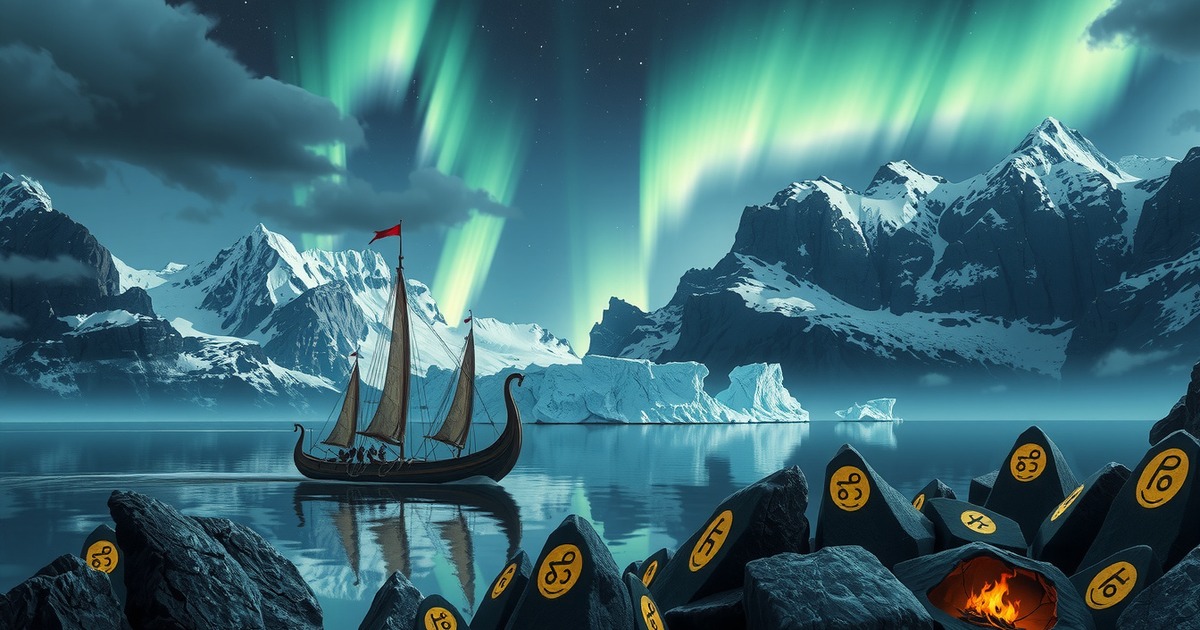
Norse Perspective: Ginnungagap, the “gaping abyss,” existed between Niflheim (realm of ice) and Muspelheim (realm of fire). This wasn't empty space but a tension-filled void where opposing forces would inevitably clash.
The Prose Edda
Snorri Sturluson's masterwork preserves authentic Norse creation stories with scholarly precision
2. The First Beings
Greek mythology births its first entities from Chaos itself: Gaia (Earth), Tartarus (the underworld), and Eros (love/procreative force). These personify fundamental aspects of existence—place, depth, and connection.
Norse tradition takes a more brutal approach. Ymir, the first frost giant, emerges when ice meets fire in Ginnungagap. He's not a creator but raw material—eventually slaughtered by Odin and his brothers to form the world from his corpse.
3. Creation Methodology
Greek Creation: Proceeds through sexual generation and divine birth. Gaia gives birth to Uranus (sky), then mates with him to produce the Titans. Each generation emerges through natural, if divine, reproductive processes.
Norse Creation: Requires violence and sacrifice. The world forms from Ymir's dismembered body: his flesh becomes soil, blood becomes oceans, bones become mountains, skull becomes the sky.

Which Creation Myth Is Older: Greek or Norse?
The written sources we possess favor Greek antiquity, but the reality proves more complex than simple chronology suggests.
4. Temporal Origins and Documentation
Hesiod's Theogony dates to approximately 700 BCE, making it one of our earliest systematic creation accounts. However, the myths themselves likely stretch back centuries earlier through oral tradition.
Norse creation stories, while preserved much later (Snorri's Prose Edda from around 1220 CE), contain elements that may predate written Greek sources. Archaeological evidence suggests Germanic and Scandinavian cosmological concepts existed in some form by the Bronze Age.
5. Cultural Context and Development
Greek creation myths developed in a Mediterranean civilization increasingly focused on philosophy, mathematics, and systematic thought. This environment produced creation stories emphasizing order, hierarchy, and logical progression.
Norse myths emerged from harsh northern climates where survival demanded constant vigilance against natural forces. Their creation stories reflect this reality—cosmic winters, violent upheavals, and the ever-present threat of destruction.
How Do Greek and Norse Gods Compare in Creation Stories?
6. Divine Hierarchies and Relationships
Greek divine hierarchy follows generational succession: Titans overthrow primordial deities, Olympians overthrow Titans. Each transition involves conflict but establishes clearer cosmic order.
Norse divine structure operates more like competing family clans. Aesir (led by Odin) and Vanir gods eventually merge through treaty and marriage rather than conquest. The giants remain perpetual enemies, not defeated predecessors.
7. Divine Characteristics and Powers
Greek Creator Deities: Embody abstract concepts and natural forces. Zeus controls sky and justice, Poseidon governs seas, Hades rules the underworld. Their domains remain relatively stable once established.
Norse Creator Figures: Function more like warrior-shamans. Odin sacrifices himself to himself for wisdom, practices magic typically associated with goddesses, and constantly seeks knowledge to prevent cosmic destruction.
What Role Does Chaos Play in Greek vs Norse Mythology?
8. Concepts of Disorder and Order
Greek Chaos serves as a starting point—something to be organized and transcended. Once the cosmos establishes order through Zeus's victory over the Titans, Chaos recedes into background significance.
Norse cosmology treats chaos as perpetually present and ultimately victorious. Ragnarök represents chaos's inevitable triumph over order, though this destruction enables new creation cycles.
9. Fate and Cosmic Destiny
Greek fate operates through the Moirai (Fates), who spin, measure, and cut the threads of individual lives. Even gods must respect their decisions, but the cosmic order itself remains stable.
Norse fate (wyrd) encompasses everything, including the gods themselves. The Norns tend the Well of Fate, but unlike Greek Fates, they oversee a universe moving inexorably toward its own destruction and rebirth.

Why Are Greek and Norse Creation Myths So Different?
10. Environmental and Geographic Influences
Mediterranean climates encouraged agricultural societies with predictable seasonal cycles. Greek myths reflect this stability—creation moves toward established order, seasonal changes follow reliable patterns, and cosmic hierarchy provides security.
Scandinavian environments demanded adaptation to harsh winters, unpredictable weather, and resource scarcity. Norse myths mirror these challenges through cosmic winters, constant divine vigilance, and acceptance of eventual systemic collapse.
11. Social Structure Reflections
Greek city-states developed complex political hierarchies, philosophical schools, and specialized crafts. Their creation myths emphasize divine specialization, clear authority structures, and the value of civilization over wilderness.
Norse societies operated through kinship networks, personal loyalty bonds, and warrior cultures. Their creation stories prioritize family relationships, honor-based conflicts, and the warrior's acceptance of eventual defeat.
12. Concepts of Time and Cyclicality
Greek Linear Progression: Creation moves through distinct phases toward greater refinement. The Golden Age gives way to Silver, Bronze, and Iron Ages in declining sequence, but Zeus's rule provides stability.
Norse Cyclical Destruction: Time moves in vast cycles. The current world will end at Ragnarök, but survivors will establish a new world, suggesting infinite repetition rather than linear progress.
✅ Studying Both Traditions
- Provides comprehensive understanding of Indo-European mythological patterns
- Reveals how environment shapes religious worldview
- Offers rich source material for creative projects
- Demonstrates cultural adaptation and innovation
❌ Potential Challenges
- Risk of oversimplification when making direct comparisons
- Modern translations may lose original cultural nuances
- Need to distinguish between literary and religious functions
- Temporal gaps between sources complicate analysis
Practical Applications for Modern Understanding
These mythological differences aren't merely academic curiosities. They provide frameworks for understanding how cultures develop meaning systems, cope with uncertainty, and structure social relationships.
Writers and creators can use these patterns to develop more authentic fantasy worlds. Greek-inspired settings might emphasize hierarchical magic systems and stable institutions, while Norse-influenced worlds could feature cyclical histories and honor-based societies.
Psychologists and anthropologists find these myths useful for understanding different approaches to change, authority, and community organization. The Greek emphasis on order appeals to societies seeking stability, while Norse acceptance of cycles resonates with cultures experiencing rapid transformation.
Frequently Asked Questions
Q: Are there any similarities between Greek and Norse creation myths?
A: Yes, both traditions feature primordial voids, generational conflicts among divine beings, and the establishment of cosmic order through struggle. Both also include world-trees or cosmic axes connecting different realms of existence.
Q: Which mythology influenced modern fantasy literature more?
A: Greek mythology dominated early fantasy through classical education, but Norse influence has grown dramatically since Tolkien. Marvel's Thor and modern Viking media have further popularized Norse cosmological concepts.
Q: Do these myths have historical accuracy?
A: These are religious and cultural documents, not historical records. However, they accurately reflect the values, concerns, and worldviews of their originating societies, making them invaluable for understanding ancient cultures.
Q: How do scholars study and compare these mythologies?
A: Comparative mythology uses linguistic analysis, archaeological evidence, and cultural context to trace mythological evolution. Scholars examine recurring patterns, symbolic structures, and historical transmission to understand both similarities and differences.
Q: Are there other creation myth traditions worth comparing?
A: Absolutely. Celtic, Mesopotamian, Egyptian, and Indo-European traditions all offer unique perspectives on cosmic origins. Each reflects distinct environmental, social, and philosophical approaches to fundamental questions about existence.
Final Verdict: Understanding Through Contrast
Greek and Norse creation myths represent two magnificent approaches to humanity's most fundamental questions. The Greek tradition offers the comfort of order emerging from chaos, divine hierarchy providing stability, and civilization triumphing over wilderness. Norse mythology presents the harder truths of impermanence, the nobility of fighting inevitable defeat, and the cyclical nature of creation and destruction.
Neither tradition provides “correct” answers because these aren't scientific theories but cultural frameworks for meaning-making. Their value lies not in literal truth but in their capacity to inspire, guide moral reasoning, and provide rich symbolic resources for understanding human experience.
For anyone seeking to understand these traditions deeply, starting with primary sources remains essential. Hesiod's Theogony and Snorri's Prose Edda offer authentic voices from these ancient traditions, while modern retellings can make them more accessible to contemporary readers.
These twelve differences illuminate not just mythological variations but fundamental approaches to existence itself. In 2026, as we face our own uncertainties about cosmic questions, these ancient wisdom traditions continue offering valuable perspectives on creation, destruction, and the eternal human quest to understand our place in the vast cosmos.