The crack of thunder echoes across Mount Olympus as Perseus raises Medusa's severed head, its power still pulsing with divine terror. Halfway across the world, King Arthur's knights gather around an empty chair at the Round Table, knowing that only the purest among them can claim the Siege Perilous without facing destruction. These aren't just stories-they're blueprints for understanding how ancient cultures viewed the fundamental nature of worthiness, character, and divine favor.
This post contains affiliate links. If you purchase through these links, we may earn a commission at no extra cost to you.
I've spent decades studying these mythological tests, from the sun-baked temples of Egypt to the mist-shrouded stone circles of Ireland. What strikes me most profoundly is how these ancient trials transcend their cultural boundaries, revealing universal truths about human nature that resonate just as powerfully today as they did thousands of years ago.

The Nature of Divine Tests in Ancient Mythology
Divine tests in mythology operate on three distinct levels: physical prowess, moral character, and spiritual enlightenment. The gods didn't simply throw arbitrary challenges at heroes-each trial was precisely calibrated to reveal specific aspects of the tested individual's nature.
Physical trials often came first. Theseus navigating the labyrinth, Beowulf grappling with Grendel, or Gilgamesh wrestling the Bull of Heaven-these challenges tested raw courage and strength. But I've found that physical tests always contained deeper layers. When Theseus enters the Cretan labyrinth, he's not just facing the Minotaur's claws; he's confronting the maze-like complexity of his own destiny and the thread of Ariadne represents the guidance we need when lost in life's most confusing passages.
Moral trials proved far more complex. Abraham's near-sacrifice of Isaac, Odysseus resisting the Sirens‘ song while his men's ears were sealed with wax, or Rama's adherence to dharma even when it meant banishing beloved Sita-these tests examined whether heroes could maintain their principles under extreme pressure. The gods weren't testing obedience; they were measuring the depth of moral conviction.
Spiritual trials demanded the highest sacrifice: the ego itself. Buddha's temptation by Mara under the Bodhi tree, Christ's 40 days in the wilderness, or the Norse god Odin hanging himself from Yggdrasil for nine days to gain wisdom-these ordeals required the dissolution of the self to achieve transcendence.
In my research, I've discovered that successful mythological heroes rarely excel at just one type of trial. They must demonstrate competence across all three domains, suggesting that ancient cultures valued holistic development rather than specialized excellence.
Famous Heroic Trials in Greek Mythology
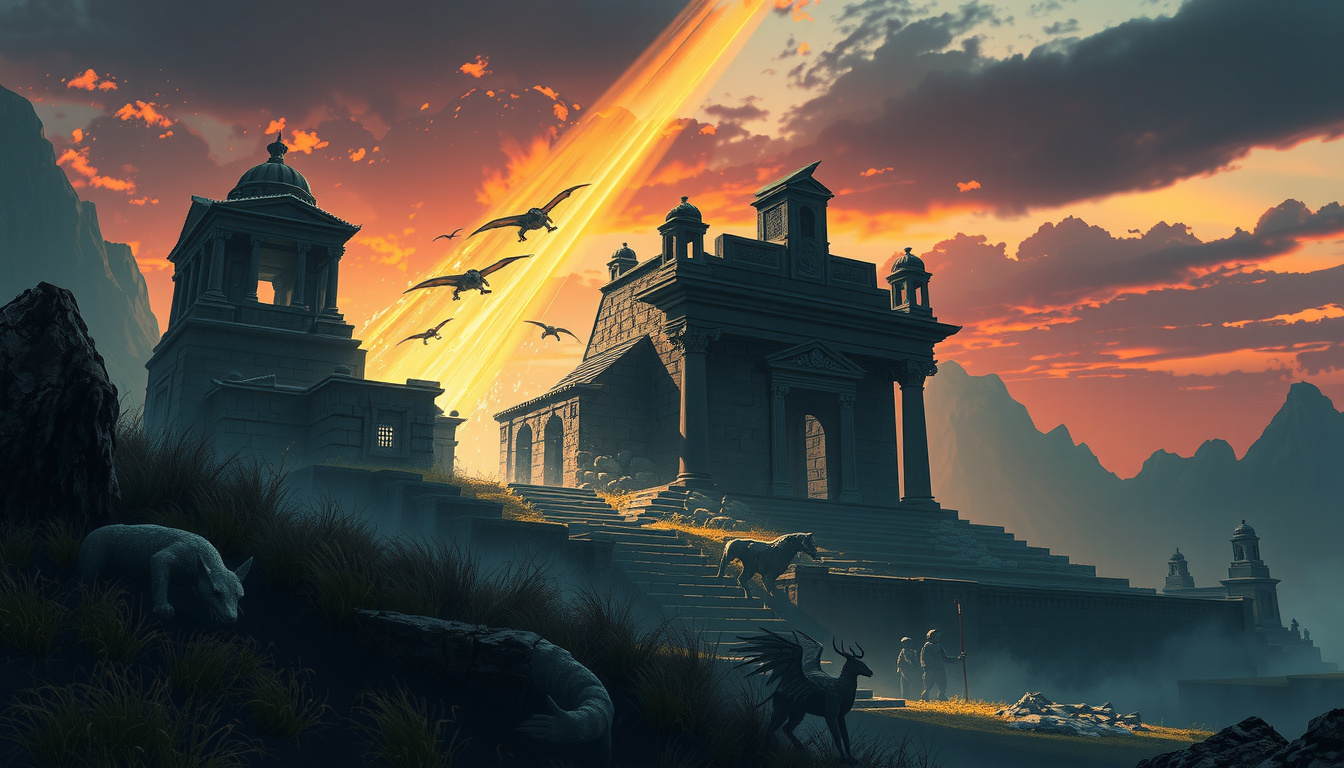
Greek mythology presents perhaps the most systematized approach to heroic testing. The Twelve Labors of Hercules remain the gold standard for understanding progressive difficulty in mythological trials.
Hercules' first labor-slaying the Nemean Lion with its impenetrable hide-established the pattern. Brute force wasn't enough; Hercules had to innovate, eventually strangling the beast with his bare hands and using its own claws to skin it. The lion's hide became his signature armor, transforming the trial's obstacle into permanent protection. This transformation principle appears throughout Greek testing mythology.
The Hydra presented escalating complexity. Each severed head grew back doubled, teaching that some problems multiply when attacked directly. Hercules' nephew Iolaus helped by cauterizing the neck stumps with fire-introducing the crucial element that heroes often need allies to complete impossible tasks.
By the time Hercules reached his final labor-capturing Cerberus from the underworld-the trials had evolved from tests of strength to demonstrations of diplomatic skill, spiritual courage, and divine favor. Hades agreed to the capture only if Hercules subdued the three-headed guardian without weapons, requiring a level of trust and vulnerability that would have been impossible in his earlier, more brutish phase.
Perseus' trial sequence follows a different pattern. Rather than progressive difficulty, his challenges were nested puzzles. To kill Medusa, he needed Hermes' winged sandals, Athena's mirrored shield, and Hades' helm of invisibility. But to obtain these divine tools, he first had to locate the Graeae-three sisters who shared one eye and one tooth between them.
The genius of Perseus' trials lies in their logical interdependence. Each solved challenge provided tools for the next, creating a cascade of victories that culminated in rescuing Andromeda from the sea monster. This pattern suggests that some mythological tests were designed to demonstrate not just heroic capacity, but systematic thinking and divine favor working in harmony.
Celtic and Norse Testing Traditions
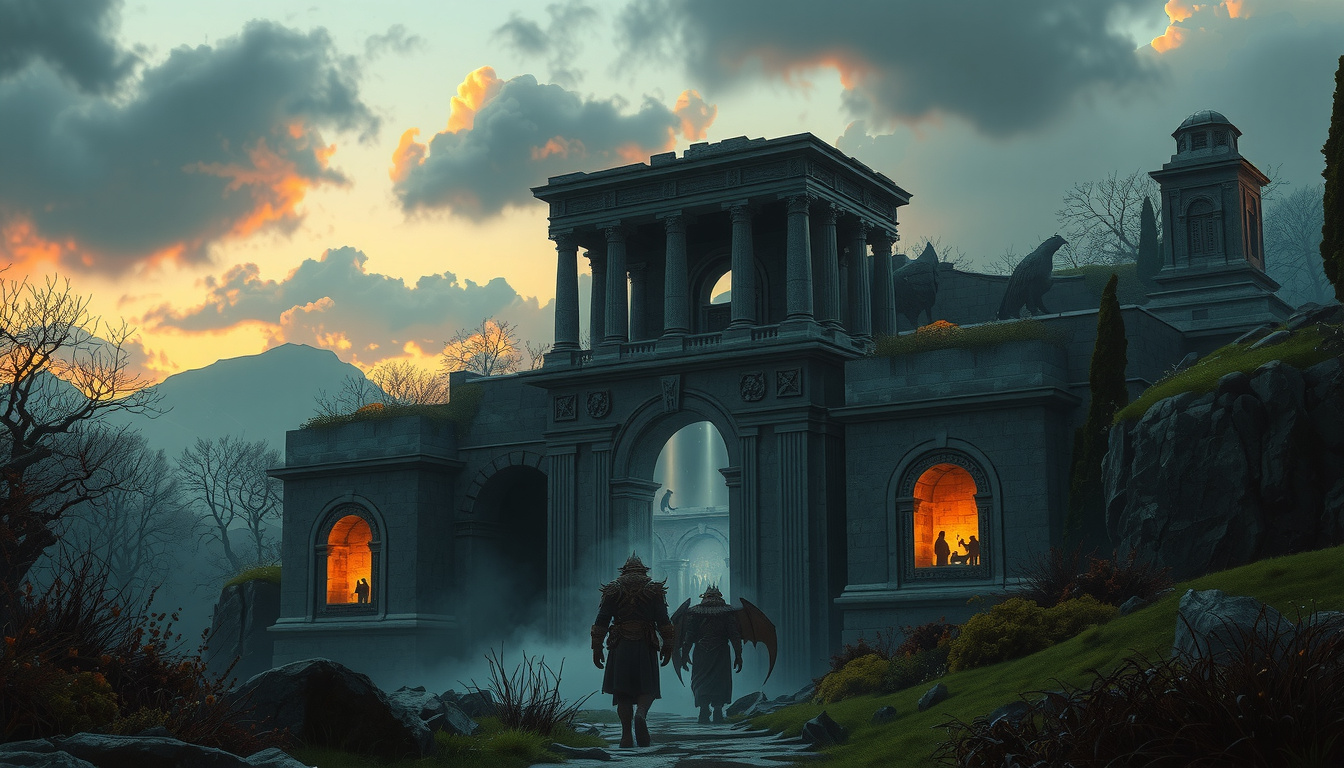
Celtic mythology approaches testing through shape-shifting deception and impossible choices that reveal true character when heroes believe themselves unobserved.
The Ulster Cycle presents Cú Chulainn's trials as exercises in recognizing hidden divinity. When he encounters three hags cooking at a fire, they invite him to share their meal of dog meat. Since his geas (mystical prohibition) forbade him from eating dog flesh, but his honor demanded he accept hospitality from elders, the trial created an unsolvable moral paradox. His choice to accept the food out of politeness triggered the events leading to his death, demonstrating how Celtic tests often examined the tragic intersection of competing virtues.
I've always been fascinated by the Welsh Mabinogion's approach to testing through humiliation and service. Pwyll, Prince of Dyfed, must spend a year in the Otherworld serving as Arawn's huntsman to atone for disrupting a divine hunt. The test isn't physical prowess but maintaining honor while performing menial tasks. When Pwyll refuses to sleep with Arawn's wife despite being in Arawn's form, he passes a trial he didn't even know he was taking.
Norse mythology presents testing as a fundamental cosmic principle. Odin's trials weren't imposed by others-they were self-inflicted ordeals driven by his hunger for wisdom. Hanging himself from Yggdrasil, pierced by his own spear, without food or water for nine days and nights, he gained knowledge of the runes. This voluntary suffering established a pattern where the greatest divine rewards required the greatest personal sacrifice.
The story of Sigurd and the ring Draupnir illustrates Norse testing's emphasis on fate versus free will. Sigurd knows that claiming the dragon's treasure will ultimately lead to his destruction, yet he cannot escape his destiny. The test becomes not whether he can avoid fate, but how he faces the inevitable with courage and dignity.
Ragnarök itself represents the ultimate Norse test-the gods know they will lose the final battle, but they prepare and fight anyway. This concept of noble failure despite certain doom permeates Norse testing mythology, reflecting a culture that valued glorious death over comfortable survival.
Eastern Mythology and Spiritual Testing
Eastern mythological traditions emphasize testing as spiritual refinement rather than heroic achievement. The trials aim to burn away illusion and ego, revealing the divine nature already present within the tested individual.
The Buddha's enlightenment under the Bodhi tree presents testing as psychological warfare. Mara, the tempter, first sends beautiful daughters to seduce Siddhartha, then armies of demons to frighten him, and finally challenges his right to claim enlightenment. Buddha's response to each attack-touching the earth to call it as witness to his worthiness-demonstrates how Eastern tests often require internal stillness rather than external action.
Chinese mythology's Journey to the West showcases testing through character development over time. Sun Wukong (the Monkey King) begins as a chaos-bringing trickster but gradually learns humility, compassion, and wisdom through 81 trials during the pilgrimage to India. Each test targets a specific character flaw: his pride, his violence, his impatience. The transformation happens so gradually that neither Monkey nor readers notice until the journey's end reveals how completely he's changed.
Hindu mythology presents the most complex testing framework I've encountered. The Mahabharata's Yudhishthira faces trials that examine his commitment to dharma (righteous duty) even when it conflicts with personal happiness or practical wisdom. When asked to gamble away his kingdom, his brothers, and his wife in a rigged dice game, Yudhishthira continues playing because refusing would violate his duty as a king to accept challenges from other nobles.
The final test in the Mahabharata exemplifies Hindu mythology's sophistication. Yudhishthira reaches heaven's gates accompanied only by a dog who has followed him faithfully. The gods offer him entry but demand he abandon the dog. Yudhishthira refuses, choosing loyalty to a faithful companion over heavenly reward. Only then do the gods reveal the dog was Dharma himself in disguise, and Yudhishthira's compassion was the final test.
In my analysis of Eastern testing traditions, I've found they consistently prioritize internal transformation over external achievement. The goal isn't to prove worthiness to others, but to discover one's own divine nature through the testing process itself.
Indigenous and African Testing Myths
Indigenous mythologies often frame testing as ecological and ancestral harmony rather than individual heroism. The trials examine whether individuals can maintain proper relationships with the natural world, their communities, and the spirit realm simultaneously.
Native American vision quests exemplify this approach. Young people undergo fasting, isolation, and meditation in wilderness settings until they receive spiritual visions that reveal their life purpose and spiritual guides. The test isn't overcoming external obstacles but achieving receptivity to spiritual communication. Success is measured not by what the seeker accomplishes, but by what they receive.
The Lakota story of White Buffalo Calf Woman presents testing through gift-giving responsibility. When two hunters encounter a mysterious woman, one approaches her with lustful intentions and is consumed by a cloud that leaves only bones. The other hunter treats her with respect and becomes the vessel for her sacred teachings about the pipe ceremony. The test measures not desire's absence, but the ability to recognize the sacred disguised as the mundane.
African mythologies often center testing around community benefit versus personal gain. Anansi stories from West African traditions frequently place the spider trickster in situations where cleverness for selfish purposes leads to comic disaster, while wisdom applied for community benefit brings rewards that extend to everyone.
The Yoruba tradition of Ifa divination presents life itself as a continuous testing process. Through stories of the orishas (divine forces), individuals learn how to navigate trials by understanding the spiritual principles governing different situations. Ogun's tests examine the proper use of technology and iron, Oshun's trials explore love and fertility, and Shango's challenges involve justice and leadership power.
I've noticed that Indigenous and African testing traditions rarely isolate individuals from their communities during trials. Even vision quests, despite their solitary nature, are community-supported endeavors with shared preparation and integration phases. This reflects cultures that viewed individual development as inseparable from collective wellbeing.
Common Themes in Mythological Testing
Across all cultures, mythological tests share recurring patterns that suggest universal human concerns about character, destiny, and divine relationship.
Disguised divinity appears in virtually every tradition. Gods consistently test mortals while disguised as beggars, animals, or strangers. Greek Zeus and Hermes wandering as travelers, Celtic sidhe appearing as hags, Hindu deities manifesting as ordinary people-these stories teach that divine judgment happens during everyday interactions with seemingly powerless beings.
The pattern reveals profound social wisdom: treat everyone with dignity because you never know who they really are or what power they might possess. I've found this theme particularly relevant in modern contexts where we often judge people by their apparent status rather than their inherent worth.
The helper figure represents another universal element. Heroes rarely complete trials alone-they receive crucial assistance from wise mentors, magical allies, or divine intervention at critical moments. Athena guides Perseus, Merlin advises Arthur, animal spirits aid vision questers, and bodhisattvas appear to Buddhist practitioners in crisis.
This pattern suggests that ancient cultures understood personal development as inherently collaborative. The myth of the self-made hero is largely a modern invention; traditional stories emphasize that growth requires community support and divine grace working together.
Transformation through trial creates the most significant recurring theme. Heroes who complete tests don't just win prizes-they become fundamentally different people. Hercules transforms from a rage-driven brute into a wise protector. Odysseus evolves from a clever warrior into a patient, strategic leader. Buddha shifts from a pleasure-seeking prince into an enlightened teacher.
The trials serve as crucibles that burn away everything unnecessary, revealing the hero's essential nature. This alchemical understanding of testing suggests that ancient cultures viewed difficulty not as punishment but as refinement opportunity.
Sacred geometry often underlies test structures. The number three appears constantly: three wishes, three trials, three days, three brothers, three goddesses. Seven shows up in seven-year ordeals, seven impossible tasks, seven sacred objects. Twelve manifests in Hercules' labors, Arthur's knights, and zodiacal cycles.
These numerical patterns aren't arbitrary-they reflect ancient understanding of cosmic order and human psychological development stages. The prevalence of three, for instance, mirrors the universal pattern of thesis-antithesis-synthesis found in dialectical thinking and spiritual growth.
Modern Interpretations and Cultural Impact
Contemporary psychology has rediscovered what mythologists always knew: testing reveals and develops character in ways that comfortable circumstances cannot achieve.
Joseph Campbell's monomyth analysis demonstrates how mythological testing patterns continue operating in modern storytelling. Star Wars, The Matrix, Harry Potter, and countless other narratives follow the same basic structure: departure from ordinary world, initiation through trials, return with wisdom to benefit others.
Carl Jung's individuation process mirrors mythological testing sequences almost exactly. The confrontation with shadow aspects, integration of anima/animus, and eventual self-realization follow the same progression found in ancient hero journeys. Jung explicitly drew from mythological sources, recognizing that these stories mapped genuine psychological territory.
Modern neuroscience supports mythological insights about trial benefits. Controlled stress exposure through challenging experiences builds resilience, cognitive flexibility, and emotional regulation capacity. The ancient wisdom that “what doesn't kill you makes you stronger” has empirical validation in concepts like post-traumatic growth and adaptive stress response.
Corporate leadership training increasingly incorporates mythological testing principles. Outward Bound programs, executive coaching retreats, and team-building exercises often recreate trial conditions in safe environments, allowing participants to discover leadership capacities they didn't know they possessed.
Educational institutions are rediscovering trial-based learning. Instead of protecting students from difficulty, progressive schools create controlled challenges that build problem-solving skills, emotional resilience, and collaborative capacity. The ancient understanding that growth requires struggle is reshaping pedagogical approaches.
Therapeutic applications of mythological testing appear in adventure therapy, wilderness programs, and rites-of-passage work with adolescents. These interventions recognize that modern life often lacks sufficient meaningful challenges, leaving young people without clear pathways to adult identity and capability.
Digital gaming has become an unexpected venue for mythological testing experiences. Role-playing games, particularly massively multiplayer online versions, recreate trial conditions where players must overcome progressively difficult challenges, often requiring collaboration and strategic thinking that mirrors ancient testing patterns.
The persistence of mythological testing themes across cultures and centuries suggests they address fundamental human needs for growth, meaning, and transcendence. These aren't just entertaining stories-they're instruction manuals for developing human potential through conscious engagement with challenge and difficulty.
In my decades of studying these traditions, I've come to believe that mythological tests offer essential guidance for navigating modern complexity. The heroes who emerge from these trials don't just win-they become worthy of their victories through the transformative process of testing itself. Their stories remind us that our greatest challenges might actually be our greatest opportunities, if we approach them with the wisdom these ancient teachers continue to offer.