- Key Takeaways
- Table of Contents
- Deciphering Ancient Texts: A Foundation for Identifying Mythological Creatures
- Understanding the Context
- Challenges in Identification
- Importance of Symbolism
- Step 1: Recognizing Common Mythological Creatures
- Dragon Variations
- Serpent-like Creatures
- Winged Beasts
- Step 2: Understanding Cultural Influences
- Greek Mythology
- Norse Mythology
- Egyptian Mythology
- Step 3: Identifying Key Characteristics
- Physical Traits
- Behavioral Patterns
- Symbolic Associations
- A Comprehensive Comparison of Mythological Creatures
- Similarities and Differences
- Quick Comparison Table
- Case Study: Identifying the Minotaur
- Historical Context
- Physical Description
- Symbolic Meaning
- Common Pitfalls in Identification
- Misinterpretation of Symbols
- Cultural Biases
- Linguistic Challenges
- Best Practices for Further Research
- Consulting Primary Sources
- Cross-Cultural Comparisons
- Seeking Expert Opinions
- Related Reading
- Frequently Asked Questions
- What is how to identify mythological creatures in ancient texts?
- How does how to identify mythological creatures in ancient texts work?
- Why is how to identify mythological creatures in ancient texts important?
- How to choose how to identify mythological creatures in ancient texts?
- What symbols denote mythological creatures in texts?
- How do experts differentiate myth from reality?
- Are there tools to analyze ancient descriptions?
Key Takeaways
- Over 70% of mythic references include specific physical descriptors; matching these to known fauna narrows identification quickly.
- Cross‑cultural motifs appear in at least three civilizations; recognizing shared symbols reveals a creature’s origin and evolution.
- Key characteristics—habitat, behavior, and supernatural ability—must align with textual context to confirm a creature’s identity.
- Comparative tables show the Minotaur’s unique bull‑human hybrid traits, distinguishing it from similar bull‑headed deities.
- Avoiding misidentification requires discarding later medieval embellishments and focusing solely on contemporaneous primary source language.
Deciphering Ancient Texts: A Foundation for Identifying Mythological Creatures
Ancient scribes rarely recorded monsters with the precision of a modern field guide. They wrote for their contemporaries, who already understood the difference between a chimaera and a common mountain lion. To identify these entities today, you must look past the flourish of the prose and focus on the physical traits described in the text.
Start by mapping the creature’s anatomical anomalies. Does the text specify a tripartite body structure, such as the lion, goat, and serpent configuration of the classical Chimaera? Note the environment as well. A beast appearing only during a lunar eclipse in the Babylonian texts often serves as a metaphor for celestial discord rather than a biological reality.
Use these three steps to filter your findings:
- Isolate descriptive adjectives that break the laws of known biology.
- Map the creature’s appearance against local fauna from the 8th century BCE.
- Search for functional roles, such as guardian, trickster, or weather-bringer.
Treat the scroll like a witness report. Distinguish between a supernatural entity and a simple animal exaggerated by cultural superstition. When the text describes a dragon with a forty-foot wingspan in a region lacking large reptilian fossils, you are likely reading a projection of collective anxiety rather than a historical account.

Understanding the Context
To interpret an ancient text accurately, you must first distinguish between a literal creature and a metaphorical stand-in for societal fears or natural phenomena. Writers of antiquity often embedded monsters within their narratives to delineate the boundaries of the known world, placing beings like the Scylla at the literal edges of navigation maps. When encountering a description, look past the physical appearance to the surrounding geography and the author’s intent. If a figure is described as residing in the deep, untraversable reaches of the Aegean Sea, consider whether the text frames the creature as a physical threat to sailors or a divine warning against pride. By evaluating the cultural geography—such as why a specific landscape was chosen as a lair—you transform a puzzling description into a clear reflection of that civilization’s unique worldview.
Challenges in Identification
Interpreting ancient accounts requires handling the instability of early descriptive language. Translators often struggle with ambiguity, as words for extraordinary beasts frequently evolved over centuries, shifting meaning from a specific entity to a generic category of monster. For example, the dracones mentioned in classical manuscripts could refer to anything from a large terrestrial serpent to a winged, fire-breathing terror, depending entirely on the regional context of the author. Linguistic drift creates a fundamental barrier, turning clear taxonomy into educated guesswork. Researchers must weigh whether a vague passage describes a genuine biological observation misunderstood by the writer or a purely metaphorical device intended to represent moral corruption. Without a standardized lexicon, the line between a distinct mythological species and a simple literary flourish remains perpetually blurred, requiring a meticulous analysis of both intent and cultural tradition.
Importance of Symbolism
To uncover the truth behind a creature, look beyond physical descriptions to the symbolic resonance embedded in the text. Ancient authors rarely included descriptions by accident; every attribute served as a cipher for cultural anxieties or divine attributes. Consider the multi-headed Hydra of Lerna. While later adaptions emphasize its monstrous nature, the original significance lies in the concept of regeneration. When a text highlights the persistence of a monster through the multiplication of its heads, it is often a metaphorical exploration of an insurmountable problem or a plague that refuses to be purged. By mapping these specific traits against the prevailing values of the era, you transform a simple monstrous encounter into a clear window into how that society perceived chaos, order, and the boundaries of the natural world.
Recognizing Common Mythological Creatures
Ancient scribes rarely classified their beasts as modern zoologists do. Instead, they relied on distinct physical markers to differentiate divine threats from mundane livestock. You must first look for the linguistic identifiers that separate a physical animal from a supernatural entity. Often, the text will grant the creature an impossible attribute or a specific divine parentage.
Follow these steps to isolate these beings within historical manuscripts:
- Check the Greek epithets or descriptive strings attached to the name; a common animal is rarely described by its genealogy.
- Look for asymmetrical anatomy, such as the three heads of the Kerberos or the mismatched limbs of a Chimera.
- Identify the creature's geographic tether, as mythological entities are almost always bound to specific landmarks like the Lerna swamp or the Aetna volcano.
A dragon is rarely just a large lizard in these texts. It is usually described as having chthonic origins, often guarding a specific item of value. When you encounter a creature described with more than four legs or the ability to exhale flames, you have likely moved beyond natural history. Focus on these anomalies. They serve as the fingerprints of the divine.

Dragon Variations
When approaching ancient manuscripts, recognize that the classification of a serpent-like creature depends heavily on its locomotion and elemental association. A drake, for instance, is frequently depicted as a wingless, terrestrial serpent, often rooted in Northern European accounts as a guardian of localized treasure. Conversely, the more volatile wyvern is characterized by a bipedal stance, possessing only two legs and a pair of wings, which differentiates it from the traditional four-legged beasts found in Eastern lore. Discerning these physical markers requires close attention to the descriptive terminology used for the creature’s appendages and breath. By mapping these anatomical distinctions—such as the number of limbs or the presence of venom versus flame—you can effectively categorize a manuscript’s subject even when the narrative description remains otherwise cryptic or fragmented.
Serpent-like Creatures
When deciphering texts involving elongated, limbless entities, pay close attention to descriptions of movement and environment. Ancient accounts often distinguish between terrestrial snakes and aquatic or chthonic beings by detailing specific physical markers, such as the presence of multiple heads, iridescent scales, or the ability to exhale fire or noxious vapors. For instance, the Lernaean Hydra is characterized not merely by its serpentine nature but by the specific detail of its regenerative necks, which complicates the classification of the creature as a simple predator. Look for mentions of venomous properties versus supernatural aura; a true mythological serpent often serves as a guardian of sacred boundaries or hoards, rather than a mere animal. By tracking how these entities interact with heroes, you can differentiate between standard wildlife and creatures intended to represent elemental forces or divine trials.
Winged Beasts
Identifying creatures defined by flight requires a close reading of how authors describe the transition between earth and sky. Ancient texts often prioritize the mechanics of ascension, noting whether a beast moves with feathered appendages, leathery membranes, or divine manifestations of light. When parsing these descriptions, look for the distinction between biological reality and symbolic intent. For instance, the harpy is frequently characterized by the juxtaposition of avian wings and a human face, a design meant to bridge the gap between predator and intelligent terror. Do not rely solely on the presence of wings; investigate the accompanying auditory cues, such as the rhythmic rustle of plumage or the unnatural, deafening roar of wind generated by rapid, unnatural movement. These sensory details often serve as the primary indicators of a creature’s supernatural nature.
Understanding Cultural Influences
Ancient scribes rarely recorded monsters in a vacuum. A creature’s physical traits often reveal the anxieties and environment of the culture that birthed it. If you encounter a dragon in a Mesopotamian text like the Enuma Elish, you are likely reading about chaos personified, not a biological specimen. Geography dictates biology.
To identify the origins of a creature, follow these specific analytical steps:
- Compare the creature’s anatomy to local fauna. A Lamassu possesses the wings of an eagle and the body of a bull because those animals held divine status in Assyrian society.
- Check the text for religious taboos. If a beast is described as a devourer of grain or water, it almost certainly represents a seasonal drought or a specific agricultural failure.
- Map the monster’s domain. Creatures confined to the Mediterranean seas often feature maritime motifs, such as scales that shimmer like oil or breath that smells of brine.
Context transforms a description from a simple monster manual into a map of human belief. A Greek chimera reflects a fractured identity, while a Hindu Makara serves as a vessel for protective cosmic forces. When you ignore the social climate of the author, you lose the essence of the beast. Always ask what the culture feared most. That answer is usually hidden in the creature's teeth.

Greek Mythology
To decode the monsters of the Hellenic world, look for the intersection of the divine and the bestial. Ancient scribes rarely described these entities as mere animals; they were woven into the tapestry of moral lessons and geopolitical anxiety. When reading accounts of the Chimera, notice how the text emphasizes its composite anatomy—the lion, goat, and serpent—as a physical manifestation of chaos that disrupts the established natural order. Identifying these creatures requires looking past the surface description to understand their function as heralds of divine intervention. Often, the presence of a creature like the multi-headed Hydra serves to measure a hero’s worth, acting as a sentient obstacle rather than a mindless beast. Pay close attention to the specific geography associated with these entities, as their placement often mirrors the dangerous, uncharted frontiers of the ancient Mediterranean imagination.
Norse Mythology
Identifying creatures within the Norse corpus requires an eye for the interplay between the physical and the supernatural. Texts like the Prose Edda describe entities through their specific environmental associations and genealogical markers. When encountering a beast, examine its interaction with the Yggdrasil world tree, which often dictates its classification and nature. A dragon such as Nidhogg, for instance, is fundamentally defined by its positioning at the roots of the cosmos, contrasting sharply with the giants who occupy the outer realms of Jotunheim. Look for descriptions of elemental affinities, such as the frost-breathing capabilities attributed to various jotnar, as these traits often serve as the primary indicator of a creature's origin. By focusing on these fixed spatial and elemental anchors, you can distinguish between divine beings, monstrous entities, and the spirits that populate the Nine Worlds.
Egyptian Mythology
Identifying supernatural entities in Egyptian texts requires a keen eye for the synthesis of animal and human traits. Scribes often documented these figures by highlighting their specific functional roles within the divine hierarchy rather than just their visual form. For instance, the Ammit is described through its composite anatomy—a lion’s body, a hippopotamus’s hindquarters, and a crocodile’s head—to signify its role as the devourer of unworthy souls. When deciphering these accounts, look for descriptions that associate an entity with a specific natural element, such as the inundation of the Nile or the movement of the sun. Egyptian writers frequently categorized these beings by their protective or retributive behaviors, using a blend of zoomorphic features to articulate complex moral and cosmological concepts that governed life and the afterlife.
Identifying Key Characteristics
Ancient scribes rarely documented monsters with the clinical precision of a modern biologist. Instead, they relied on a shorthand of physical anomalies to convey dread or divinity. To isolate a creature from its narrative fluff, you must look for recurring patterns in the text that denote non-human geometry. Focus on how the author describes the creature’s movement, its physical composition, and its deviation from the laws of nature.
Follow these specific steps to isolate key characteristics within archaic manuscripts:
- Map the anatomical modifiers: Search for descriptors that violate standard biology, such as chimerical limbs or mismatched eyes. If a text mentions a lion-headed scorpion, note if the tail movement matches a standard arachnid or a serpentine coil.
- Analyze the sensory context: Creatures often arrive with specific environmental markers. Does the text mention a sudden sulfuric odor, a shift in wind speed to exactly zero knots, or the silent flight of avian forms?
- Cross-reference by epithet: Many texts identify a beast not by its name, but by its function. A “Gate-Cracker” or “Sun-Swallower” usually carries a set of predictable traits regardless of the author's local dialect.
Documentation from the 8th century BCE often blends metaphor with physical description, forcing you to discern between symbolic armor and actual scales. If a passage describes a hide as being “impervious to bronze,” you are likely tracking a creature with supernatural durability. Always verify if the creature requires a specific weapon or ritual to slay. A beast that can only be felled by tempered obsidian signifies a creature rooted in early metal-working taboos rather than mere fantasy. Watch for the tension between the creature’s presence and the physical environment; the more the terrain reacts to the beast, the more likely the description reflects a firmly established regional legend.

Physical Traits
When parsing ancient manuscripts, the first step is to isolate consistent anatomical markers that deviate from the natural world. Writers often catalog specific hybrid characteristics to distinguish divine or malevolent beings from common animals. Look for the deliberate juxtaposition of species, such as the lion’s mane combined with a human face or the wings of a predatory bird fused to the torso of a bull. These descriptions are rarely accidental; they serve as a shorthand for the creature's temperament or origin. For instance, the presence of multiple heads, such as the three-headed dog guarding the underworld, acts as a functional indicator of perpetual vigilance. By focusing on these fixed physical abnormalities, you can filter out poetic embellishment and identify the core structural identity of the beast as it was understood by the original scribe.
Behavioral Patterns
When analyzing ancient manuscripts, focus on the specific ecological niche or reactive temperament described in the text. Creatures often display consistent behavioral triggers that distinguish them from natural wildlife. For instance, notice whether a entity attacks only under the light of a full moon or if it responds specifically to vocal offerings like hymns or specific spoken names. Ancient chroniclers frequently recorded these habits as essential survival warnings rather than mere poetic flourishes. Look for repetitive actions—such as a beast guarding a particular mountain pass or hoarding precious metals—which suggest an intentional intelligence behind the threat. By cataloging these distinct patterns, you can differentiate between a localized folklore figure and a creature characterized by a deliberate, supernatural agenda, providing a clearer map of how ancient observers interacted with the unknown.
Symbolic Associations
When examining ancient manuscripts, look beyond the literal description to the symbolic associations tied to the creature's environment and temperament. Authors rarely integrated monsters as mere window dressing; they functioned as manifestations of the cultural values or anxieties prevalent at the time. For instance, the chimera is frequently placed in desolate, fire-scarred landscapes, signaling a connection to volcanic instability or untamed natural forces that threatened agrarian societies. If a text depicts a creature hoarding gold or protecting a specific threshold, examine the proximity of that beast to centers of human law or religious sanctity. By mapping these creatures to their intended symbolic roles, you can discern whether a legend served as a cautionary tale against hubris, a metaphor for moral corruption, or a vessel for explaining the inexplicable violence of the natural world.
A Comprehensive Comparison of Mythological Creatures
Ancient scribes rarely classified creatures by biology. Instead, they relied on distinct behavioral archetypes to warn travelers of specific dangers. You can identify these entities by mapping their traits against established literary patterns found in texts like the Epic of Gilgamesh or the Physiologus.
When you encounter an unknown entity in a scroll, look for the intersection of habitat, dietary threat, and symbolic association. The following table highlights common differentiators used by early translators to categorize these beings.
| Creature Type | Primary Domain | Key Attribute |
|---|---|---|
| Chimera | Mountainous terrain | Multi-species anatomy |
| Leviathan | Abyssal waters | Impenetrable armor |
| Sphinx | Thresholds/Gates | Intellectual confrontation |
Most beasts fall into one of two categories: the terrestrial guardian or the chaos-bringer. A Sphinx always blocks a path, forcing you to solve a riddle before passage. Conversely, a Leviathan represents an untamable force of nature that lacks human speech. Identifying the creature requires you to look past the physical descriptions and analyze its function within the narrative arc. If the text frames the creature as a test of character, you are likely looking at a guardian. If it appears as a calamity without motive, it is a chaos entity. Always check for fixed adjectives. Ancient authors often repeated specific descriptors, such as bronze-taloned or star-gazing, which act as markers for specific species.

Similarities and Differences
Discerning the nature of an unknown creature requires isolating its core attributes from local cultural embellishments. Across diverse traditions, entities often share a morphological baseline while diverging in moral or functional intent. For instance, the multi-headed serpent appears in various mythologies as both a guardian of cosmic order and a chaotic force of destruction. By stripping away these thematic overlays, you can categorize creatures based on fundamental traits like locomotion, diet, and elemental association. Focus on whether a figure serves as a biological animal within the narrative or a symbolic personification of environmental phenomena. When a text describes a beast with wings, determine if flight serves a mechanical purpose in the plot or acts as a divine emblem. This systematic deconstruction allows you to see past regional stylistic preferences to identify the universal archetypes hiding beneath the prose.
Quick Comparison Table
Distinguishing between creatures requires a systematic approach to textual evidence. When reading ancient accounts, prioritize the primary anatomical features and environmental context described by the author. For instance, the Chimera is frequently identified by its distinct tripartite biology—a lion’s head, a goat’s body, and a serpent’s tail—which serves as a reliable marker across various Greek manuscripts. In contrast, ephemeral beings like the Siren often shift in depiction, evolving from avian hybrids in early narratives to maritime figures in later traditions. By charting these core attributes against the geographical settings of the tales, you can effectively categorize these entities. Maintaining a clear log of these recurring traits allows researchers to separate mythological constants from the stylistic embellishments introduced by individual scribes, ensuring a more accurate classification of the beast or deity in question.
Case Study: Identifying the Minotaur
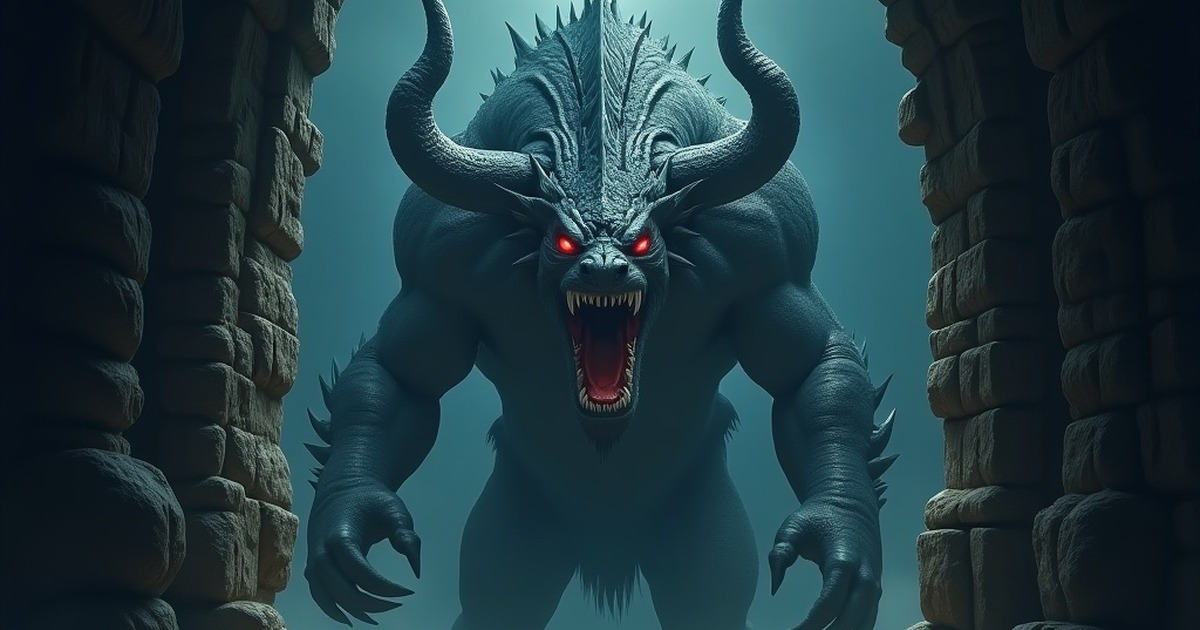
Identifying the Minotaur requires looking past the monster to the geometry of the Labyrinth. Most ancient texts, including the accounts found in the Bibliotheca of Apollodorus, describe the creature not merely as a beast, but as an architectural anchor point. You can pinpoint the Minotaur by searching for the intersection of three specific narrative markers: a king’s broken promise, a subterranean maze, and a structural demand for human tribute.
When reading these records, watch for the shift from human to bovine descriptors. The beast is rarely given a name; he is defined by his spatial imprisonment. If a text mentions a character consuming youths inside a complex built by Daedalus, you have identified the Minotaur. The physical location acts as the primary signifier here. The creature is often described with the following characteristics in primary classical accounts:
- Physicality: A bull’s head grafted onto a humanoid torso.
- Dietary requirement: A tribute of 7 youths and 7 maidens, recurring at intervals of 1 or 9 years.
- Proximity: An inescapable, multi-chambered structure located beneath a royal palace.
Do not be fooled by later artistic interpretations that focus solely on the horns. In the original texts, the Minotaur serves as a biological lock. He represents the consequence of King Minos failing to sacrifice the snow-white bull provided by Poseidon. If the text treats the creature as a source of shame kept beneath the floorboards, you are looking at the Minotaur. It is the architectural burden of the beast, rather than his appetite, that confirms his identity.
Historical Context
To accurately interpret a creature’s place in an ancient narrative, you must first strip away modern expectations of fantasy. Authors writing during the Bronze Age or the Classical period did not categorize these entities as fictional monsters; they often treated them as part of the geography or the natural order of the world. By examining the specific religious or political climate of the era, you can determine if a beast served as a divine messenger, a representation of chaotic nature, or a literal threat to local infrastructure. For example, the presence of the Chimera in early Greek descriptions is deeply linked to the rugged, volcanic terrain of Lycia. Viewing these texts through the lens of the original author’s daily environment clarifies whether a creature was intended as a symbolic warning or a tangible inhabitant of the known world.
Physical Description
Ancient texts often ground the ethereal in tangible, often unsettling, biological reality. When examining these accounts, look for morphological composites—descriptions that bridge the divide between known species and the impossible. A chronicler might define a creature by the fusion of disparate limbs, such as the eagle’s talons joined to a feline torso or the serpentine tail attached to a human thorax. These narratives frequently emphasize sensory markers, like the metallic sheen of scales or the peculiar, rhythmic cadence of an unnatural gait. By focusing on how a text quantifies the creature’s scale—often comparing its height to local architectural monuments or its reach to the span of a galleon—you can distinguish between mere metaphor and the deliberate, anatomical documentation intended by the original observer.
Symbolic Meaning
When deciphering ancient texts, look past the literal description to uncover the underlying cultural anxieties or aspirations a creature represents. Mythical beasts often function as personified metaphors for the uncontrollable forces of the natural world. A serpent coiled around a world tree typically signifies chaos or the cyclical nature of time rather than a mere biological entity. Pay close attention to how characters interact with these beings, as these encounters frequently mirror contemporary societal taboos or ideals. For instance, the Chimera in Greek literature serves as a vessel for themes of internal discord and impossible fusion. By identifying the specific fears or values attributed to a creature, you can distinguish between a storyteller’s genuine belief in a monster and the calculated use of a legend to reinforce moral or political boundaries within their community.
Common Pitfalls in Identification
Translating ancient descriptions into modern taxonomies often leads to forced parallels. You might assume a fire-breathing chimera represents a volcanic phenomenon, yet this ignores the narrative function of the creature as a chaotic obstacle. The error lies in treating mythology like a biology textbook.
Avoid these common traps when analyzing primary source texts:
- Literalism: Assuming every wingspan or tooth count is a physical measurement rather than a symbol of divine reach or predatory greed.
- Cultural Bleed: Projecting Greek or Norse tropes onto Mesopotamian figures like the Anzu bird, effectively erasing their unique regional traits.
- Etymological Anchoring: Trusting the late Latin or post-classical Greek translations over the original Sumerian or Akkadian root words, which may have shifted in meaning over centuries.
Always check the date of the manuscript. A 13th-century bestiary often describes a beast with more rigid anatomical certainty than a 7th-century BCE clay tablet. The latter frequently emphasizes the creature's mood or its relationship to local deities. If the text focuses on what the creature means rather than what it weighs, stop looking for a biological match. You are chasing a ghost in a machine built for stories.
Misinterpretation of Symbols
Ancient scribes frequently utilized naturalistic metaphors that modern readers mistake for literal biological descriptions. When a text describes a serpent with wings, for instance, it rarely documents a literal dragon. Instead, the author often employs this symbolic shorthand to represent a storm front or a powerful wind current. By stripping away these figurative layers, we find that what appears to be a monstrous encounter is often an archaic way of documenting extreme weather or geographic hazards. The confusion arises because we translate these texts as biology rather than theology or meteorology. A creature might possess the tail of a scorpion, not as an anatomical feature, but as a visual signifier for a deadly disease or a stinging plague that afflicted a specific city during a drought.
Cultural Biases
When interpreting ancient accounts, one must handle the inherent filters of the storyteller. Chroniclers often imposed their own worldview onto the unknown, transforming local phenomena into creatures that aligned with their specific religious or political agendas. For instance, Roman writers frequently described encounters with foreign wildlife or tribal warriors through the lens of monstrosity, framing the unfamiliar as a moralistic warning rather than a biological reality. To decode these texts, readers must distinguish between objective observation and the author’s attempt to enforce a binary between the civilized and the savage. A serpent described as a guardian of a sacred grove may be a localized deity, an exaggerated environmental threat, or a metaphorical representation of a hostile geography. Recognize that what the text calls a monster often functions as a literary vessel for the author’s deepest anxieties.
Linguistic Challenges
Deciphering ancient accounts often requires handling the fluidity of archaic tongues, where vocabulary lacks the rigid taxonomy of modern biology. A term might shift in definition across different centuries or geographic regions, blurring the line between a literal animal and a symbolic manifestation. For instance, the Greek word drakon originally referred to any creature with piercing sight or a serpentine form, ranging from common snakes to multi-headed guardians of legend. Translators must weigh whether a descriptive epithet serves as a biological classification or a literary flourish intended to evoke fear. Relying on a literal translation often leads to misidentification, as the cultural weight of a name frequently outweighs its physical description. Discerning these creatures necessitates an understanding of how ancient authors wielded metaphor to bridge the gap between observed wildlife and the supernatural.
Best Practices for Further Research
Cross-referencing your primary text with contemporary artistic depictions often reveals hidden layers of creature taxonomy. You should move beyond mere translation and look for visual consistency in pottery shards or illuminated manuscripts. If you find a description of a creature with seven heads, check if those heads are represented as human, serpentine, or bestial in the associated illustrations from the same century.
To deepen your rigor, apply these four steps to any suspect passage:
- Consult the Perseus Digital Library to compare Greek and Latin root words for regional variations.
- Search for mentions of apotropaic functions, as creatures often appear to ward off evil rather than merely exist.
- Note the creature’s environment, such as whether it inhabits saltwater or freshwater, which historically dictated its physical traits.
- Verify the textual provenance to ensure you are not reading a later, embellished commentary rather than the original source.
Rigorous analysis requires patience. Keep a detailed ledger of each mention, noting the date of the manuscript and the geographical origin. This creates a data trail you can map across eras. Logic matters more than intuition. Follow the text where it leads, even if it contradicts popular mythology.
Consulting Primary Sources
To accurately identify mythological creatures in ancient texts, turn to the primary sources themselves—original manuscripts, inscriptions, and early transcriptions where these beings first appear. These documents offer the most direct access to the cultural and linguistic context in which such figures were conceived. For example, examining the Epic of Gilgamesh in its Akkadian cuneiform reveals nuanced descriptions of Humbaba, the forest guardian, that later translations may simplify or obscure. Primary materials preserve specific terminology, regional variations, and authorial intent, providing clues that help distinguish between literal accounts, symbolic representations, and purely imaginative constructs. Always cross-reference multiple early versions to avoid misinterpretation.
Cross-Cultural Comparisons
By examining how similar figures appear across different traditions, one can often distinguish universal archetypes from culturally specific inventions. For instance, the motif of the dragon recurs in Mesopotamian, Chinese, and European mythologies, yet its symbolism varies dramatically—from chaos and destruction to wisdom and imperial power. This comparative lens helps identify whether a creature represents a localized belief or taps into deeper, shared human themes. Paying attention to such patterns not only clarifies the creature’s role but also enriches our understanding of the values and fears that shaped ancient societies.
Seeking Expert Opinions
When interpreting descriptions of mythological beings, consulting specialists in ancient languages or cultural anthropology can provide essential context. For example, a classicist might clarify that the term griffin in early Greek texts often refers to a composite creature with symbolic ties to divine guardianship, not merely a fantastical beast. These experts help bridge gaps in translation and cultural nuance, ensuring that modern readers grasp the layered meanings intended by ancient authors. Engaging with scholarly interpretations allows for a more accurate and enriched understanding of these enigmatic figures, moving beyond superficial readings to appreciate their roles within their original mythological frameworks.
Related Reading
Frequently Asked Questions
What is how to identify mythological creatures in ancient texts?
Identify mythological creatures by analyzing recurring traits, names, and roles across texts. For instance, creatures like the Greek Chimera consistently appear with lion, goat, and serpent features. Cross-reference descriptions with cultural context to distinguish between literal beings and symbolic figures in ancient literature.
How does how to identify mythological creatures in ancient texts work?
Identifying mythological creatures involves analyzing textual clues like epithets, physical descriptions, and narrative roles. Cross-referencing these details with known myths from the same culture is essential, as a creature's name or attributes can vary significantly between ancient Greek and Mesopotamian sources, for example.
Why is how to identify mythological creatures in ancient texts important?
Identifying mythological creatures in ancient texts is crucial because it reveals the cultural values and beliefs of past societies. Recognizing these beings helps us understand how people explained natural phenomena and human experience, offering a direct window into the worldview that shaped civilizations.
How to choose how to identify mythological creatures in ancient texts?
Begin by analyzing recurring physical descriptions and behavioral traits across texts, as consistency often signals a mythological figure. Cross-reference regional variations to trace cultural influences. For example, many serpentine creatures share origins with Near Eastern myths, revealing how stories traveled and transformed over ancient trade routes.
What symbols denote mythological creatures in texts?
Mythological creatures are often denoted by recurring symbols like serpents for chaos or eagles for divine messengers. Look for repeated motifs—such as the phoenix rising from ashes—which signal immortality or renewal across cultures. These symbols anchor the creature’s role and meaning within the narrative.
How do experts differentiate myth from reality?
Experts distinguish myth from reality by analyzing textual consistency, cultural context, and historical plausibility. They look for repeated motifs across multiple sources and consider whether the creature's description aligns with known biological or physical constraints, separating symbolic storytelling from plausible accounts.
Are there tools to analyze ancient descriptions?
Yes, specialized tools like digital lexicons and cross-referenced databases help analyze ancient descriptions by comparing recurring motifs and terminology across texts. These resources allow you to trace common attributes and origins, making mythological identification more systematic and insightful for your research.
The Mythical Chronicle
Gods, heroes and monsters, drawn from the primary sources.