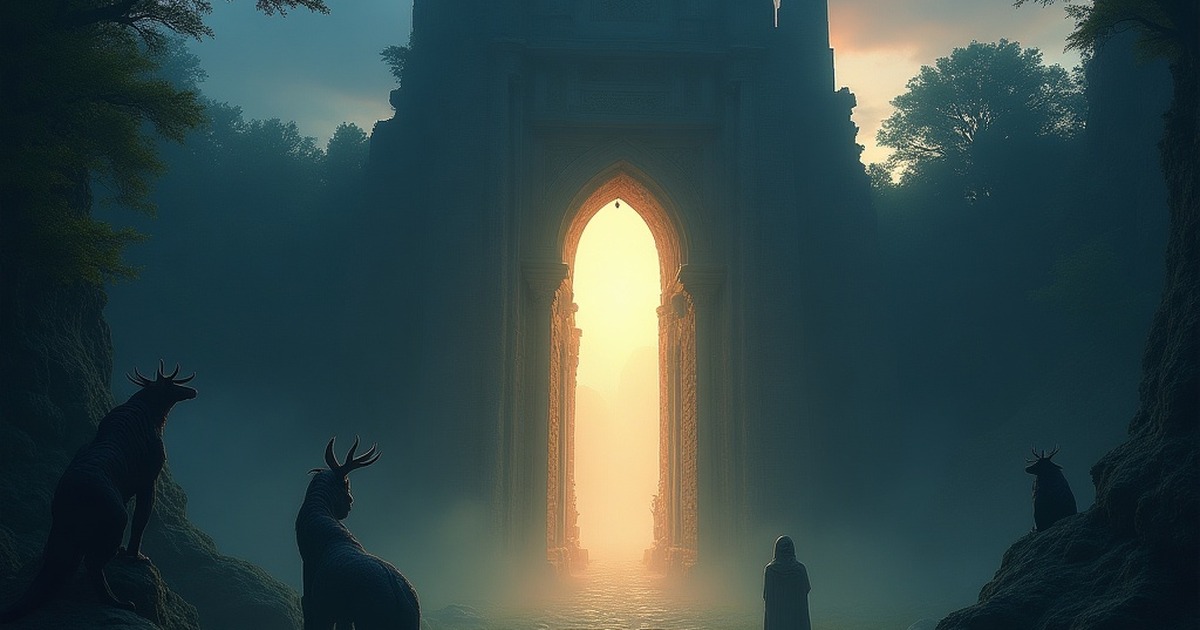
Protector of Ancient Cities
The Lamassu stands among the most imposing figures of ancient Mesopotamian art – a colossal winged bull or lion with a human head, placed at city gates and palace entrances to ward off evil and protect the realm. These beings embodied divine protection and royal power.
Physical Form
Lamassu combined the strength of a bull or lion, the freedom of an eagles wings, and the intelligence of a human. Sculptors carved them with five legs – appearing to stand firmly when viewed from the front while seeming to stride forward from the side. Bearded human faces wore horned crowns signifying divinity.
Assyrian Glory
The greatest Lamassu flanked the gates of Assyrian palaces at Nimrud, Khorsabad, and Nineveh. Some stood over sixteen feet tall and weighed forty tons. Their creation required enormous resources, demonstrating royal power while invoking supernatural protection for the king and capital.
Spiritual Function
Lamassu served as apotropaic figures – beings that ward off evil. They guarded against demons, disease, and misfortune entering through doorways. Cuneiform inscriptions often accompanied them, adding magical protection to physical presence. Smaller Lamassu figures protected private homes.
Related Beings
The female counterpart, the Lammasu or Apsasu, appeared less frequently. Similar protective genies called Shedu also guarded Mesopotamian spaces. Together these beings formed a supernatural security system for the ancient world.
Rediscovery
Nineteenth-century archaeologists uncovered Lamassu at Assyrian sites, creating sensations in European museums. Today they remain among the most recognized symbols of ancient Mesopotamia, representing a civilization that lasted three thousand years.
✦ Similar Creatures Across Cultures
Explore similar mythological beings: Griffin, The Return of the Griffin: Why Ancient Symbols Still Matter, The Return of the Griffin: Why Ancient Symbols Still Matter
Recommended Ancient Mythology Books
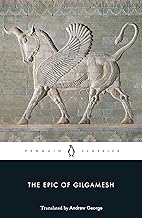
Discover the ancient myths of Mesopotamia and the Near East: