Beast of Crete
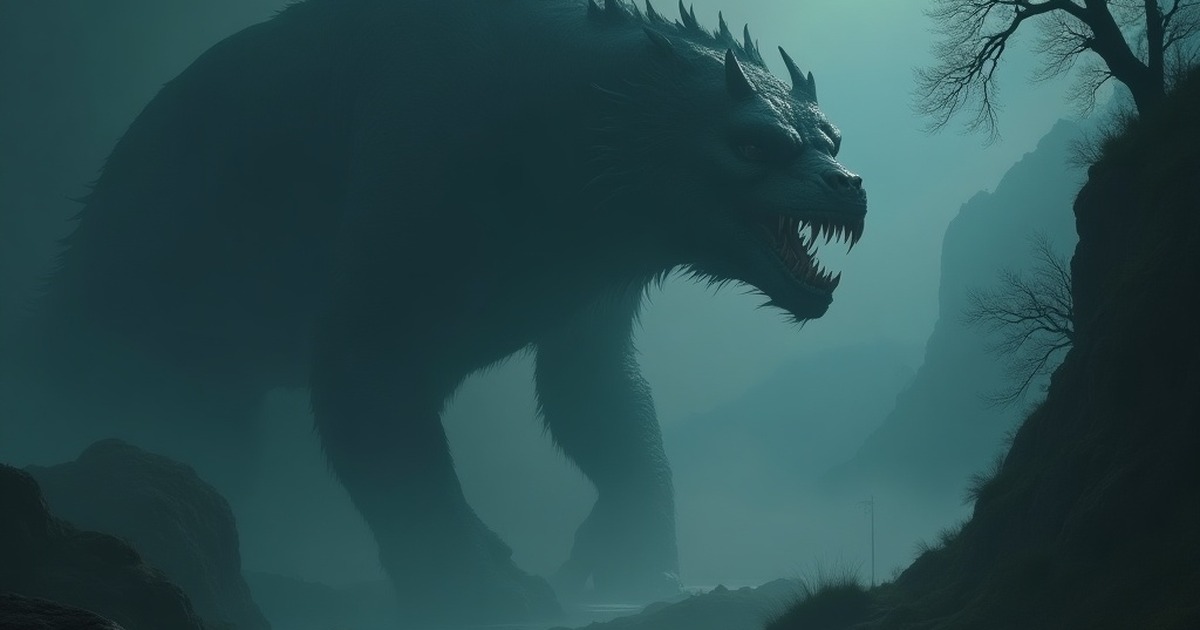
The Minotaur stands among Greek mythologys most fearsome creatures – a monstrous being with the body of a man and the head of a bull, imprisoned within an inescapable maze beneath the palace of Knossos.
Birth of a Monster
The Minotaur was born Asterion, the result of a curse upon King Minos of Crete. When Minos refused to sacrifice a magnificent white bull sent by Poseidon, the sea god caused his wife Pasiphae to develop an unnatural passion for the beast. The shameful offspring was hidden away in the Labyrinth designed by Daedalus.
The Labyrinth
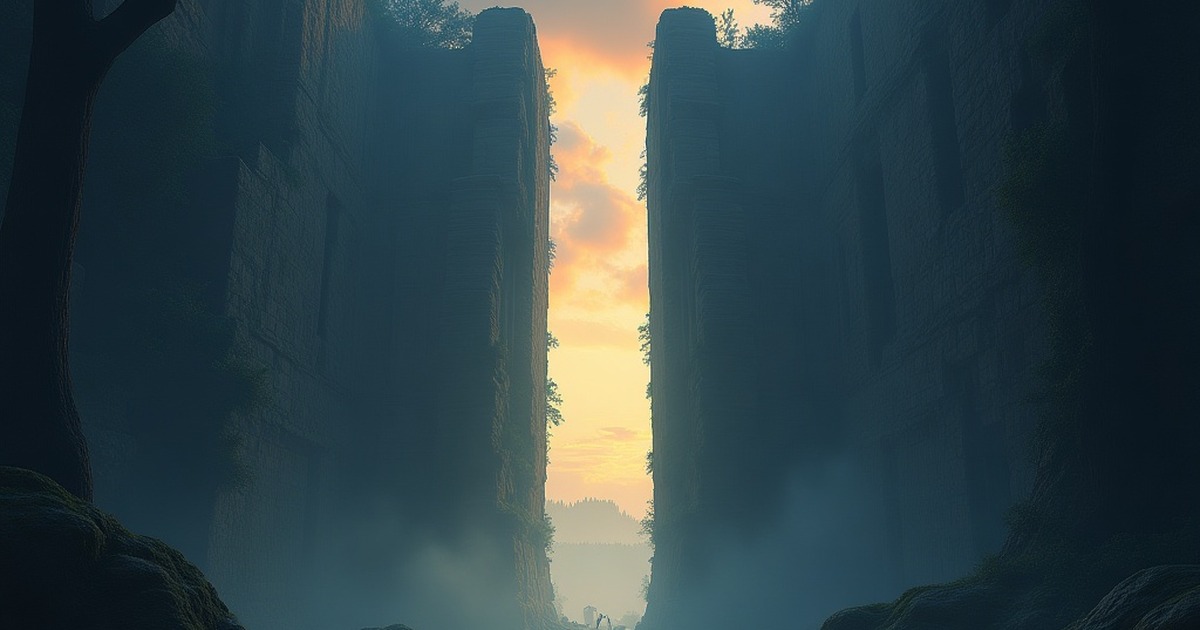
Daedaluss Labyrinth was a masterwork of confusion – an underground maze so complex that none who entered could find their way out. Here the Minotaur dwelt, fed on Athenian youths sent as tribute – seven young men and seven young women every nine years.
Theseus the Hero
The hero Theseus volunteered as one of the sacrificial youths, determined to end the horror. With help from Minoss daughter Ariadne, who provided a ball of thread to mark his path, Theseus navigated the Labyrinth. Finding the Minotaur, he slew the beast with his bare hands.
Symbolic Interpretations
Scholars interpret the Minotaur legend variously. Some see it as cultural memory of Minoan bull-worship. The Labyrinth may represent the complex palace of Knossos. The creature embodies humanitys struggle against bestial nature.
Archaeological Connections
The Palace of Knossos revealed a structure of remarkable complexity. Bull iconography appears throughout, suggesting deep significance of cattle in Minoan religious practice.
Recommended Greek Mythology Books
Dive deeper into Greek mythology with these acclaimed works covering the gods, heroes, and legendary creatures of ancient Greece:
| Product | Price | Rating | Action |
|---|---|---|---|
Best Choice | $27.95 | ★★★★☆ | View on Amazon |
 | $25.00 | ★★★★☆ | View on Amazon |
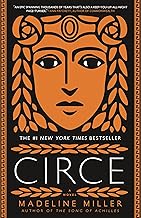 | $17.99 | ★★★★☆ | View on Amazon |