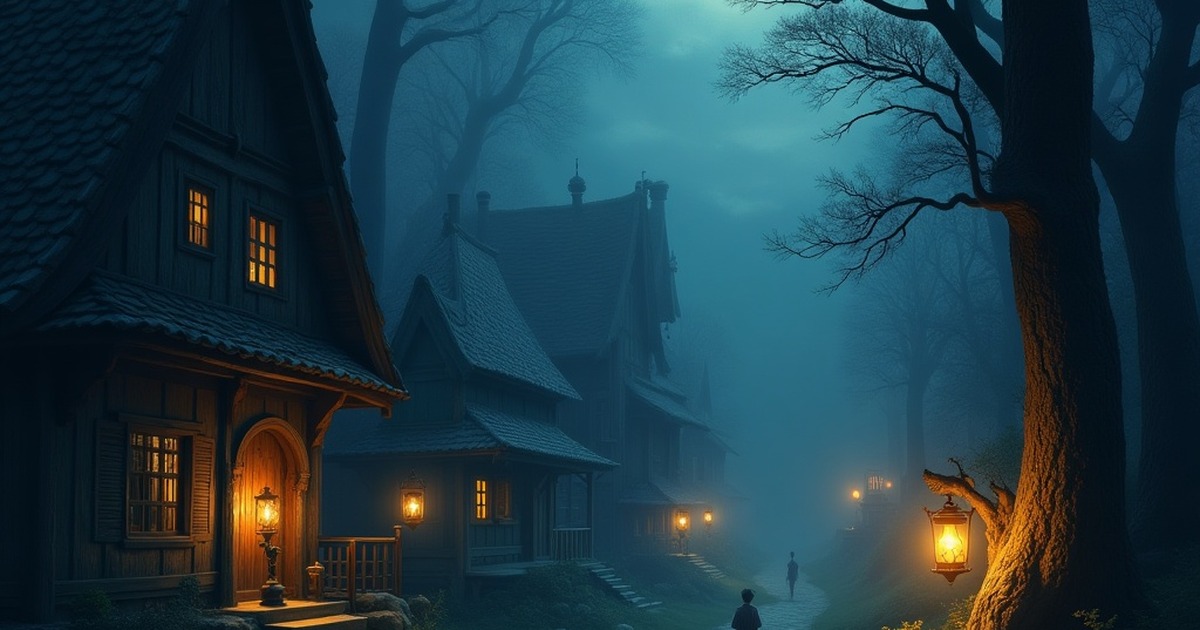
The Many-Tailed Trickster
The Kitsune holds a special place in Japanese folklore – a supernatural fox that grows more powerful and gains additional tails as it ages. These shape-shifting spirits range from mischievous tricksters to faithful guardians, embodying the complex relationship between humans and the supernatural in Japanese culture.
Nature and Powers
Kitsune are born as ordinary foxes but develop magical abilities over time. At one hundred years, a fox gains the power to assume human form – typically appearing as a beautiful woman. Every century adds another tail, with the legendary nine-tailed fox representing a millennium of wisdom and near-godlike power.
Types of Kitsune
Japanese tradition distinguishes between zenko – benevolent celestial foxes serving the rice goddess Inari – and yako, wild foxes prone to mischief or malevolence. Inari shrines throughout Japan feature fox statues as guardians, often holding keys to rice granaries in their mouths.
Kitsune Wives
A common tale type involves a fox taking human form to marry an unsuspecting man. These kitsune wives prove devoted spouses and mothers until accidentally revealed – perhaps by a dog forcing their true form. They then vanish, leaving behind heartbroken families.
Fox Possession
Kitsunetsuki describes possession by a fox spirit, historically blamed for mental illness and strange behavior. Victims spoke in tongues, displayed superhuman strength, or developed cravings for tofu – a fox favorite. Exorcism rituals aimed to drive the fox out.
Modern Presence
Kitsune pervade contemporary Japanese media – from the nine-tailed Naruto to countless anime and video game characters. They represent Japans ongoing dialogue with its folkloric heritage.
✦ Similar Creatures Across Cultures
Explore similar mythological beings: Gumiho: The Nine-Tailed Fox of Korean Folklore
Recommended Japanese Mythology Books
Delve deeper into the fascinating world of Japanese folklore and yokai: