Japans Iconic Demons
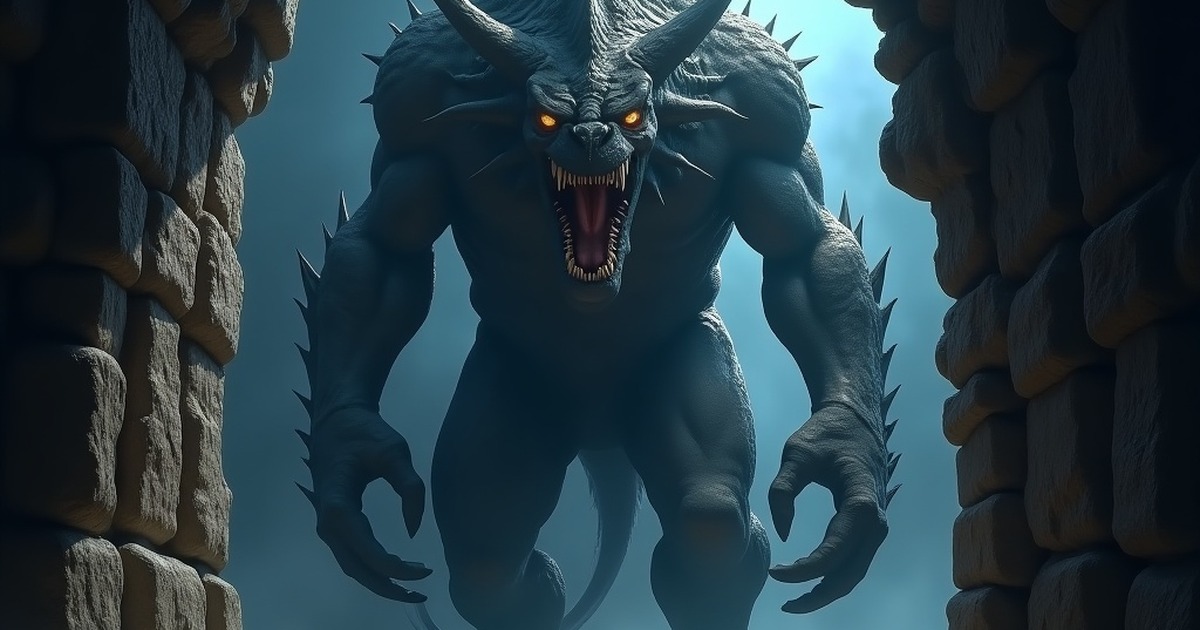
The Oni rank among Japanese folklores most recognizable creatures – hulking demons typically depicted with red or blue skin, wild hair, fangs, and horns. They carry iron clubs and terrorize humans, yet their role in Japanese culture proves more nuanced than simple villainy.
Origins and Evolution
The concept of Oni evolved over centuries, absorbing influences from Chinese demons and Buddhist hell guardians. Early Oni represented invisible spirits of disease. Over time they took on their distinctive physical form, becoming the ogre-like creatures recognized today.
Physical Appearance
Classical Oni stand taller than humans, with muscular builds and fierce expressions. Red Oni represent passion and greed, while blue Oni embody melancholy. They wear tiger-skin loincloths and wield massive kanabo clubs.
Setsubun Festival
Each February, Japanese families celebrate Setsubun by throwing roasted soybeans while chanting Oni wa soto, fuku wa uchi – Demons out, fortune in. Children often wear Oni masks during the festivities.
Oni in Stories
Famous tales feature Oni as antagonists. In Momotaro, the Peach Boy battles Oni on their island. The Crying Red Oni presents a sympathetic portrayal, exploring friendship between an Oni seeking acceptance and his loyal blue friend.
Modern Presence
Oni pervade contemporary Japanese culture, appearing in anime, manga, and video games. They serve as both fearsome enemies and complex characters capable of heroism.
Recommended Japanese Mythology Books
Intrigued by the world of Japanese yokai and supernatural beings? These books offer wonderful explorations of Japanese folklore and mythology: