Symbol of Purity
The Unicorn captivates imaginations as a creature of unmatched purity and grace. This legendary horse with a single spiraling horn has galloped through myths and legends from ancient Mesopotamia to medieval Europe.
Ancient Origins
References to one-horned creatures appear in ancient Greek writings, where Ctesias described a wild donkey with a single horn. Whether these accounts referred to real animals or pure mythology remains debated. The unicorn we recognize today crystallized in medieval European tradition.
Physical Description
The classic unicorn appears as a white horse of exceptional beauty, crowned with a single spiraling horn called an alicorn. Medieval bestiaries describe it as fierce yet gentle, impossibly fast, and drawn only to those of pure heart.
Magical Properties
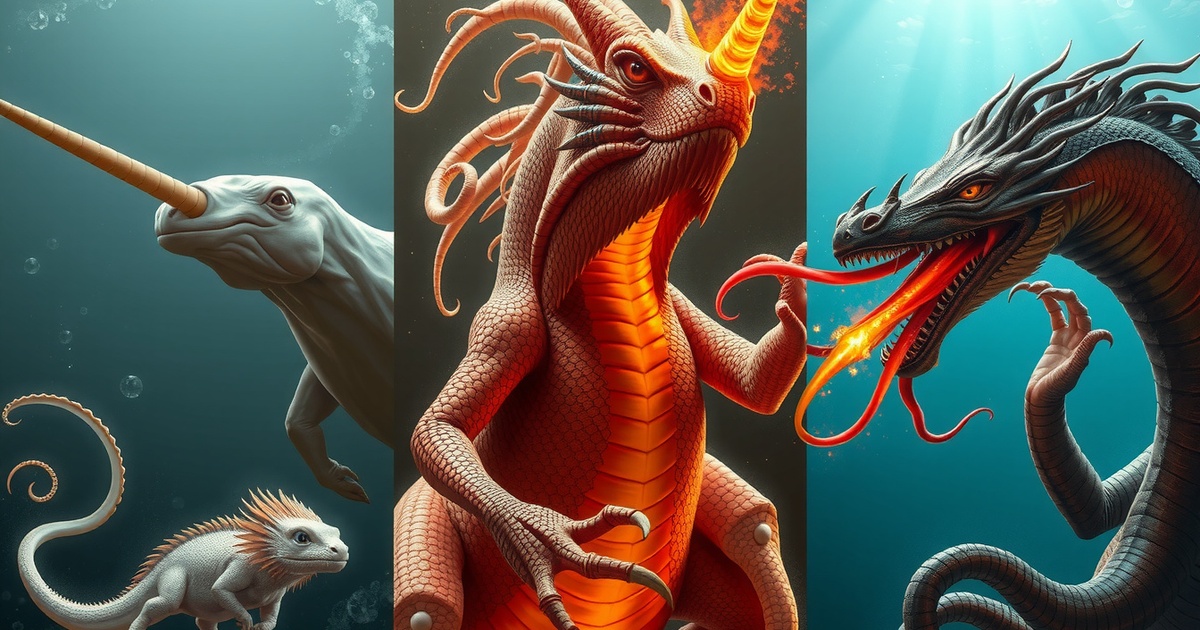
The unicorns horn possessed remarkable powers. Ground alicorn could purify poisoned water and cure diseases. This belief drove medieval trade in narwhal tusks sold as genuine unicorn horn at astronomical prices.
Symbolism Through Ages
In Christian tradition, the unicorn represented Christ – fierce to the wicked, gentle to the pure. The famous Unicorn Tapestries depict its hunt in allegories of the Incarnation. Secular interpretations saw it as a symbol of courtly love.
Living Legacy
Today the unicorn remains beloved in fantasy literature and popular culture. Scotland claims it as a national animal, and its enduring appeal speaks to humanitys fascination with purity and magic.
Recommended Fantasy & Mythology Books
Enchanted by unicorns and magical creatures? These beloved books explore the world of mythical beasts: