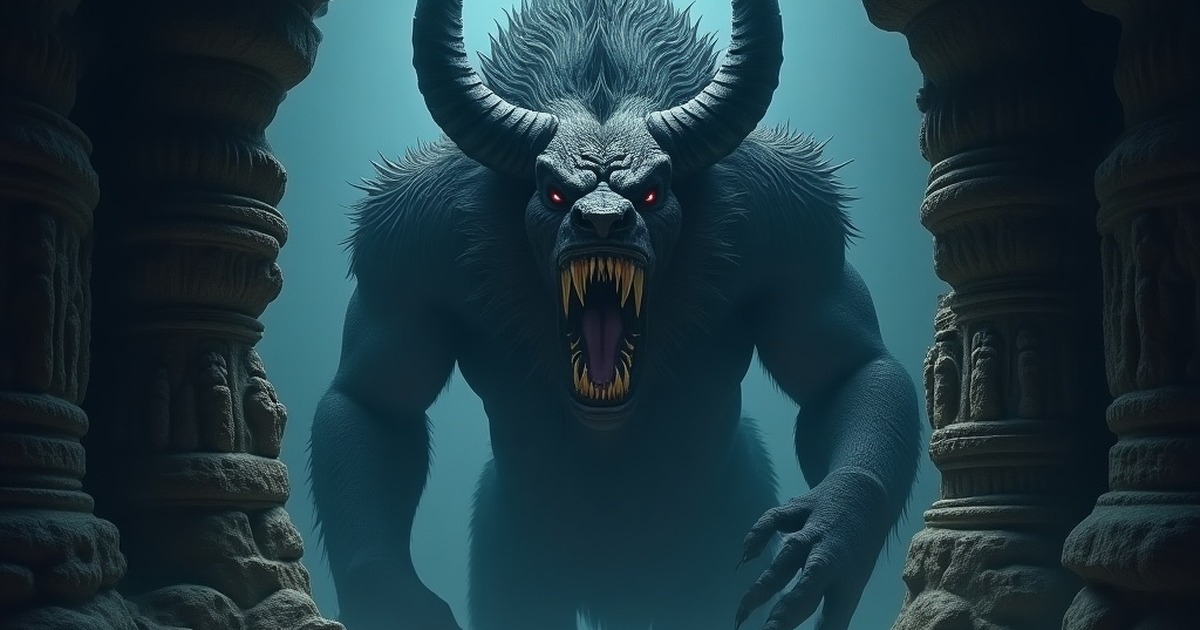
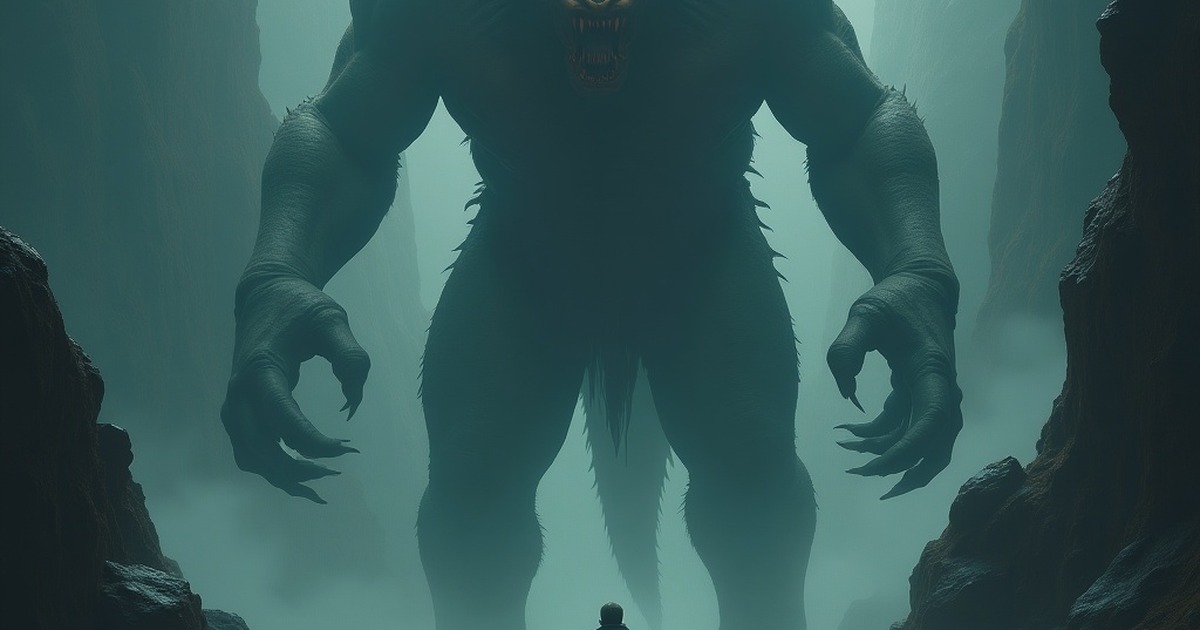
You're confronting humanity's oldest psychological architecture when you encounter oceanic beasts—Tiamat's primordial chaos battling Marduk's order, Leviathan embodying divine cosmic boundaries, Jörmungandr's ouroboros grip encircling Midgard until Ragnarök's dissolution. These chimeric entities reshape abstract existential dread into tangible form: the *hafgufa* preceding *Architeuthis*'s 1857 taxonomic validation, Nessiteras rhombopteryx converting water-spirit veneration into cultural memory since 565 CE. Through these aquatic sentinels guarding liminal thresholds between known order and eldritch unknowability, you'll discover why maritime cryptids remain living repositories of ancestral terror, environmental consciousness, and our species' enduring fascination with abyssal mysteries.
Key Takeaways
- Oceanic monsters embody humanity's existential dread, transforming abstract fears of chaos, death, and the unknown into tangible mythical forms.
- Sea creatures represent the primal dialectic between chaos and cosmic order, symbolizing nature's unpredictability versus divine control and structure.
- Aquatic beings exemplify transformation and duality, shifting between states of beauty and terror, creation and destruction, human and monster.
- Maritime mythical beasts guard sacred boundaries between known and unknown realms, warning against hubris and marking existential thresholds.
- Modern cryptids reflect environmental consciousness and cultural memory, symbolizing humanity's desire to preserve mystery amid scientific rationalism.
Ancient Fears Made Tangible

When ancient mariners gazed upon the vast, lightless expanses of uncharted waters, they didn't simply see absence—they perceived presence, malevolent and watching.
You'll find these eldritch terrors manifested through creatures like the Greek Hydra, whose regenerating heads embodied chaos that multiplied with each attempted conquest, and Jörmungandr, the Norse serpent encircling Midgard, representing inevitable doom coiled around human existence.
These weren't mere storytelling devices. They were ancient narratives crystallizing genuine psychological forces—the primal dread of dissolution into formless depths, the terror of confronting powers beyond human comprehension.
The Leviathan's scriptural presence demonstrates how these chimeric entities evolved beyond entertainment, becoming cultural reflections of humanity's relationship with divine authority and nature's untamed sovereignty.
Sea monsters were never just stories—they were humanity wrestling with forces vast enough to swallow civilizations whole.
Each monster embodied specific anxieties: shipwreck, starvation, madness wrought by isolation.
Through these tangible forms, ancient peoples converted abstract existential terror into something nameable, confrontable. Something they could attempt to survive.
##
You stand at the threshold where ancient cosmologies clash—where serpentine behemoths like Tiamat and Jörmungandr embody not mere monsters but fundamental tensions between primordial disorder and the structured universe humanity desperately seeks to maintain.
These eldritch guardians patrol the liminal spaces between known and unknowable, their very existence marking boundaries you weren't meant to cross: the edge of mapped waters, the descent into abyssal trenches, the membrane separating mortal domain from divine.
Within their chimeric forms lies a persistent duality—destroyer and protector, chaos-bringer and cosmic sentinel—transforming them into mirrors that reflect your civilization's most profound anxieties about what lurks beyond the fragile order you've constructed.
Chaos Versus Cosmic Order
Beneath the churning surface of humanity's oldest narratives lies a primal dialectic—chaos incarnate versus the architects of cosmic order.
You'll find this chaos mythology woven through Mesopotamian tablets, where Marduk's blade cleaves Tiamat's serpentine form, altering primordial waters into structured cosmos. The Leviathan writhes through Hebrew scripture as divine power's terrible manifestation—nature's eldritch unpredictability given scales and breath.
Between Scylla's gnashing maws and Charybdis's devouring whirlpool, you're forced into impossible navigation, each choice a surrender to chaotic forces. Jörmungandr encircles Midgard in Norse cosmic symbolism, its ouroboros grip promising inevitable dissolution at Ragnarök.
These chimeric terrors aren't mere monsters. They're your ancestors' recognition that order remains perpetually besieged, that civilization's light flickers against the oceanic void's overwhelming darkness. Freedom demands confronting this truth.
Fear of the Unknown
The abyss gazes back—that Nietzschean warning finds its earliest expression in humanity's oceanic nightmares.
You'll discover that ancient mariners projected their terror onto unknown depths, birthing eldritch manifestations like the Leviathan and Kraken. These chimeric horrors weren't mere fantasy but psychological shields against unfathomable vastness, primordial shadows lurking beneath Mediterranean waves and Norse fjords alike.
The sea's chaotic unpredictability demanded explanation, mythology providing narrative structure where scientific understanding failed. Your ancestors altered oceanic fears into tangible monsters, creatures you could name, depict, appease.
Consider Scylla's metamorphosis: feminine beauty twisted into fanged monstrosity, reflecting patriarchal anxieties about ungovernable female power merged with marine chaos.
These mythical encounters served crucial cultural functions, translating existential dread into manageable allegory. The unknown becomes known through story. Similarly, mermaids embodied this duality of oceanic fascination and terror, luring sailors to their doom with enchanting songs while symbolizing the sea's deceptive beauty.
Guardians of Sacred Boundaries
Where chaos threatens to spill into cosmos, these aquatic sentinels emerge—not merely as obstacles but as consecrated keepers of existential thresholds.
You'll find Scylla and Charybdis standing vigil over Mediterranean straits, their forms twisted into chimeric warnings against hubris. The Japanese Umibōzu rises, demanding tribute—oceanic guardianship manifested as eldritch negotiation.
These mythical protectors don't simply block passage; they consecrate boundaries between civilization and the untamed deep.
Consider Jörmungandr encircling Midgard, its serpentine body defining where human order ends. The Leviathan embodies this duality perfectly—chaos personified, yet wielding divine authority over cosmic limits.
You're witnessing something profound: cultures converting their terror of the abyss into sacred architecture. Each guardian represents humanity's attempt to impose meaning upon waters that recognize no human law, no mortal sovereignty.
The Inuit Qalupalik similarly patrols icy thresholds, her eerie song beneath frozen waters warning children away from boundaries where safety dissolves into Arctic oblivion.
Transformation and Duality Themes
Beyond their role as threshold-keepers, these aquatic entities embody something more unsettling—the perpetual alteration between states of being.
You'll find identity fluidity coursing through Scylla's tragic descent from nymph to eldritch horror, Amphitrite's jealousy catalyzing monstrous rebirth.
The selkies' chimeric existence between seal and human forms reveals mythical alterations as liberation from fixed nature.
Sirens exemplify this duality: beauty weaponized, song converted into death knell.
Jörmungandr coils through existence itself, embodying creation's violent twin, destruction.
Mami Wata refuses singular definition, nurturing and devouring with equal sovereignty.
These beings don't merely change—they exist perpetually between.
Their alterations mirror the ocean's own nature: surface calm concealing abyssal chaos, transparent waters harboring opaque depths.
You're witnessing freedom's truest expression: the rejection of permanence, the embrace of ceaseless becoming.
Tiamat in Mesopotamian Texts

In the cuneiform tablets of ancient Iraq, specifically the Enuma Elish composed circa 1800 BCE, you'll encounter Tiamat as the primordial embodiment of saltwater chaos—an eldritch force whose very existence preceded cosmic order itself.
The Babylonian scribes inscribed her conflict with Marduk not merely as myth but as cosmogonic truth: her serpentine, chimeric form contained the raw materials of creation, her body destined to become sky and earth only through violent divine conquest.
You're witnessing here the fundamental Mesopotamian doctrine—that civilization, religion, and structured reality emerged solely from the systematic subjugation of oceanic chaos.
Enuma Elish Creation Epic
When Marduk raised his storm-winds against the body of Tiamat circa 1200 BCE—though the myth itself stretches back centuries earlier into Mesopotamian consciousness—he confronted not merely a primordial goddess but the embodiment of saltwater's churning, generative chaos itself.
You witness in the Enuma Elish an eldritch metamorphosis: Tiamat evolves from life-giver to chimeric threat, her serpentine form writhing with cosmic duality. Tiamat's symbolism crystallizes humanity's eternal struggle against nature's untamed depths.
Marduk's victory wasn't simple conquest—it was cosmogony through violence, splitting her vast corpus to forge heaven and earth. Order triumphed.
Yet this narrative reveals something profound: chaos must be acknowledged, confronted, defeated before civilization emerges. You inherit this pattern across Near Eastern traditions, recognizing that creation demands destruction, that your world literally rests upon subdued primordial forces.
Babylonian Region, Ancient Iraq
Tiamat's territory extends far beyond singular mythic episodes, permeating the cuneiform archives of ancient Mesopotamia as foundational cosmological architecture. You'll discover her presence woven throughout tablets excavated from Babylon's ruins, where Babylonian deities emerge from her primordial waters—an oceanic symbolism representing unbounded potential and terrifying formlessness.
| Text Source | Tiamat's Role |
|---|---|
| Enuma Elish | Primordial mother-goddess |
| Incantation texts | Chaos-force requiring containment |
| Temple liturgies | Pre-creation oceanic abyss |
| Astronomical tablets | Cosmic serpent constellation |
These cuneiform inscriptions reveal how ancient Iraq's scribes understood creation itself: order wrestling meaning from eldritch depths. Her chimeric form—dragon-serpent hybrid—embodied the untamed saltwater expanse threatening civilization's fragile boundaries. Through ritual recitation, priests maintained cosmic equilibrium, acknowledging Tiamat's necessary chaos. You're witnessing mythology as living cosmology.
Primordial Chaos Versus Divine Order
Before Marduk's storm-winds carved cosmos from void, Tiamat reigned as the embodiment of primordial chaos itself—not mere antagonist but necessary precondition for existence.
You encounter in her eldritch form the ancient narratives' deepest truth: order requires chaos as foundation. The Enuma Elish preserves this mythic symbolism through oceanic representation—saltwater depths breeding chimeric horrors, each monster witness to chaotic creation's generative power.
Divine intervention doesn't erase these primordial forces; Marduk's triumph reshapes them. Cultural interpretations across millennia recognize Tiamat's duality: chaos embodiment that simultaneously threatens and enables.
Her serpentine coils contain multitudes—destruction birthing life, formlessness permitting form. You witness here humanity's eternal confrontation with untamed nature, the necessity of wrestling meaning from entropy's embrace.
Freedom demands acknowledging chaos as origin.
Leviathan's Hebrew Testament Origins

Within the primordial texts of the Hebrew Bible—particularly Job 41, Psalms 74:14, and Isaiah 27:1—the Leviathan emerges as a creature of such overwhelming magnitude that its very existence testifies to divine sovereignty over chaos itself. You'll find this serpentine behemoth woven throughout scripture, its chimeric form representing the untamed waters that preceded creation. The Leviathan's symbolism transcends mere monstrosity; it embodies the cosmic forces only Yahweh can subdue.
| Biblical Text | Description | Theological Function |
|---|---|---|
| Job 41 | Scales impenetrable, breath igniting coals, heart hard as millstone | Demonstrates God's supreme power |
| Psalms 74:14 | Multi-headed serpent crushed by divine hand | Victory over primordial chaos |
| Isaiah 27:1 | Twisting dragon of the sea, pierced by God's sword | Eschatological judgment |
| Apocalyptic Literature | Beast destined for divine slaughter | End-times fulfillment |
| Ancient Context | Echoes Canaanite Lotan, Babylonian Tiamat | Cultural appropriation of chaos mythology |
Divine sovereignty manifests through this eldritch confrontation. God alone commands the abyss.
Chaos Versus Order Battles
When primordial waters churned with unshaped potential, cultures across continents articulated their cosmological anxieties through titanic confrontations between divine architects and serpentine embodiments of disorder.
You'll find these chaos representation narratives embedded within humanity's deepest mythological strata, where eldritch maritime beasts challenge cosmic stability.
Consider these pivotal manifestations of order embodiment triumphing over aqueous entropy:
Ancient civilizations weaponized mythology to transform oceanic chaos into structured cosmos through divine violence and symbolic conquest.
- Marduk's dismemberment of Tiamat's chimeric form established Babylonian cosmogenesis through calculated violence
- Greek sailors maneuvering between Scylla and Charybdis faced literal choices between competing chaotic forces
- The Kraken's tentacled emergence symbolized nature's unpredictable wrath against human maritime presumption
- Leviathan's writhing coils represented everything resisting divine categorization and control
These aren't mere monster stories—they're psychological blueprints.
You're witnessing humanity's perpetual struggle to impose meaning upon formless terror, reshaping oceanic chaos into manageable waters through ritualized narrative combat.
Freedom emerges only when you acknowledge, confront, and ultimately integrate these primal forces dwelling within collective unconscious depths.
Jörmungandr Encircles Midgard's Oceans
You encounter Jörmungandr not merely as serpent but as cosmic architecture—the eldritch binding that alters Midgard's oceanic expanse into both prison and protection, its scaled body marking where order ends and primordial chaos begins.
This ouroboric form, forever consuming its own tail in the depths beyond human navigation, embodies the Norse understanding of fate's inescapable geometry; when the Midgard Serpent releases its grip during Ragnarök, the world's structural integrity collapses.
The creature's role transcends mere monstrosity, functioning instead as the physical manifestation of wyrd itself, that ancient concept of destiny's web stretched taut across the waters, waiting for the prophesied moment when Thor's hammer meets serpentine scale.
Serpent's Cosmic Binding Role
Encircling the entirety of Midgard with its impossibly vast coils, Jörmungandr functions as both prison bar and prisoner, a paradoxical guardian whose very existence maintains the precarious equilibrium between cosmos and void.
You'll find in this eldritch serpent symbolism a profound meditation on constraint versus liberation—the creature simultaneously imprisons itself while securing reality's fragile architecture. Born from Loki's chaotic lineage, the Midgard Serpent doesn't merely occupy the ocean; it becomes the boundary itself, transmuting primordial chaos into structured containment.
Its tail-devouring ouroboros form reveals cosmic balance through eternal recurrence, where endings birth beginnings. This chimeric entity reminds you that true freedom exists not in chaos's absence but in understanding the necessary tensions holding existence together.
The serpent's binding isn't your cage—it's the framework preventing dissolution into nothingness.
Ragnarök and World's End
As prophetic visions crystallize into apocalyptic certainty, Jörmungandr releases its tail and uncoils from the abyssal depths, modifying the ocean itself into an instrument of annihilation.
You witness ragnarök symbolism manifested through this eldritch eruption—where Thor confronts the serpent in humanity's ultimate Chaoskampf, order battling primordial chaos.
The World Serpent's venom-spewing ascent alters familiar waters into agents of cosmic dissolution, embodying your deepest anxieties about nature's ungovernable power.
This confrontation represents chaotic endings inherent in cyclical existence, where destruction births renewal.
You can't escape the serpent's terrible freedom: its release signifies liberation from cosmic constraints, yet guarantees annihilation.
Thor falls, poisoned. Gods perish.
The ocean reclaims everything, demonstrating that authentic freedom demands acknowledging the chimeric forces dwelling beneath civilization's fragile surface, waiting to shatter constructed order.
Symbol of Inevitable Fate
When Jörmungandr coils its impossible length around Midgard's waters, the serpent doesn't merely guard boundaries—it becomes the physical manifestation of örlog, that inexorable web of fate the Norns weave beneath Yggdrasil's roots.
You're witnessing fate's inevitability rendered flesh and scale, an eldritch creature whose self-consuming form—tail clenched between fangs—illustrates cyclical existence without escape.
The Norse understood what you might resist: destiny isn't bondage but pattern, the ocean's eternal rhythm translated into serpentine prophecy.
This chimeric beast doesn't imprison Midgard; it defines reality's structure. You can't break free from what you're intrinsically part of.
The ouroboros formation whispers ancient truth—your struggles against predetermined paths merely fulfill them.
Thor's destined confrontation proves this: even gods can't transcend their wyrd.
Loch Ness Monster's Cultural Impact
The Loch Ness Monster emerges from Scotland's primordial waters not merely as cryptozoological curiosity but as a living repository of cultural memory, its serpentine form undulating through six centuries of Highland consciousness since Saint Columba's recorded encounter in 565 CE.
You witness how Nessie tourism alters the local economy into a pilgrimage site, where folklore evolution manifests through each generation's retelling, each witness's testimony adding layers to the mythical narrative.
The creature's cultural representation demonstrates humanity's unquenchable thirst for mystery:
- Media portrayal peaked with the 1934 Surgeon's Photograph, igniting public fascination despite later exposure as hoax
- Scientific skepticism employs sonar technology yet finds nothing, paradoxically strengthening belief
- Economic liveliness flows through Highland communities via thousands seeking eldritch encounters
- Chimeric persistence across documentaries, literature, cinema perpetuates the legend
This beast embodies your yearning to break rational chains, to preserve spaces where wonder overcomes empirical demands, where depths remain unmapped territories of possibility.
Giant Squid Inspired Kraken Tales
From Highland lochs, your gaze must now drift seaward toward abyssal trenches where Scandinavian fishermen first whispered of the *hafgufa*—that island-beast whose tentacled reality wouldn't receive taxonomic legitimacy until 1857, when Danish naturalist Japetus Steenstrup presented mangled *Architeuthis dux* remains to Copenhagen's scientific assembly.
You're witnessing the collision of giant squid folklore with empirical verification, where thirteen-meter cephalopods dwelling between 200 and 1,400 meters substantiate kraken symbolism's darkest claims.
Where myth descends into taxonomic fact, the kraken's thirteen-meter reality validates centuries of maritime dread.
These creatures don't simply inhabit your ocean—they embody your ancestral terror of annihilation beneath waves, their ambush tactics and whirlpool-generating tentacles mirroring precisely what Nordic sagas described centuries before microscopes.
The kraken represents your species' confrontation with eldritch powers beyond comprehension, a chimeric guardian of depths where human sovereignty dissolves.
Each rare encounter with *Architeuthis* validates what authorities dismissed as sailor's delirium, proving that your freedom to explore confronts genuine monsters, not imagined ones.
The abyss keeps its secrets jealously.
Modern Cryptids and Entertainment Legacy
Nessiteras rhombopteryx—that fraudulent binomial Peter Scott bestowed upon Loch Ness's phantom in 1975—crystallizes how twentieth-century cryptozoology converted archaic water-spirit veneration into pseudoscientific spectacle.
You'll find cryptid tourism now generating millions annually, reshaping Scottish highlands and Okanagan shores into pilgrimage sites where marine folklore meets commercial enterprise. These chimeric entities embody your collective ecological anxieties, their eldritch forms materializing as warnings against industrial devastation of aquatic domains.
Contemporary entertainment reshapes ancient Kraken mythology into allegories of environmental consciousness—cinema's tentacled leviathans become misunderstood guardians rather than apocalyptic destroyers.
Video games resurrect merfolk as interactive protagonists traversing polluted seas. This cultural resurgence reveals something profound: you're not merely consuming folklore as escapist fantasy.
You're grappling with humanity's precarious relationship to nature's unknown depths, seeking freedom through understanding rather than conquest. The old gods persist, metamorphosed into digital avatars and documentary subjects, their symbolic power undiminished across centuries.
Enduring Maritime Mystery Fascination
Why does your pulse quicken when sonar reveals unexplained shapes in abyssal trenches, or when fishermen recount encounters with serpentine forms breaching fog-shrouded waters? Your fascination transcends mere curiosity—it's an ancestral recognition of forces beyond terrestrial dominion.
Oceanic legends persist because they acknowledge truths conventional understanding can't contain: vast territories unmapped, pressures crushing human vessels, bioluminescent chimeric entities defying classification.
The cultural significance of these narratives lies not in their veracity but in their liberation from empirical constraints. Ancient mariners weren't primitive—they were interpreters of eldritch phenomena, translating encounters with giant squid, rogue waves, and abyssal creatures into mythological frameworks that honored oceanic sovereignty.
You inherit this tradition when you contemplate depths where sunlight dies, where the Kraken's tentacles and Leviathan's bulk represent genuine biological possibilities alongside metaphysical dread.
Your continued engagement with maritime mysteries isn't escapism. It's acknowledgment that some frontiers remain genuinely unknown, preserving spaces where wonder survives scientific reduction.
Frequently Asked Questions
How Do Oceanic Mythical Beasts Differ Across Eastern and Western Cultures?
You'll discover Eastern Dragons embodying celestial benevolence, serpentine guardians of rivers and seas who bestow prosperity, wisdom, metamorphosis.
They're revered as divine benefactors, flowing through ancient scrolls since 3000 BCE.
Western Leviathans, conversely, emerge as eldritch terrors from primordial chaos—monstrous, untamable forces lurking in abyssal depths.
These chimeric beasts represent humanity's primal fears, chaotic destruction.
Where East celebrates harmonious partnership with oceanic powers, West chronicles eternal struggle against formless, crushing darkness beneath waves.
What Psychological Factors Make Humans Fear Deep Water Creatures?
“What we fear lies in the unknown depths.” Your fear responses ignite when deep water conceals what lurks beneath—an evolutionary inheritance from ancestors who couldn't survive what they couldn't see.
The abyss triggers primal dread: you're vulnerable, terrestrial, suffocating in alien darkness. These eldritch creatures embody your psychological terror of being consumed, dissolved, dragged into lightless trenches where your sovereignty ends.
Deep water strips your freedom, altering you from autonomous being into helpless prey within aquatic immensity.
Are There Any Female Sea Monsters in Ancient Mythology?
You'll find powerful feminine entities throughout oceanic lore—far beyond romanticized mermaid legends.
Scylla, that six-headed chimeric horror, devoured Odysseus's sailors in Homer's eighth-century BCE epic. The Greek Charybdis personified whirlpools as female destruction.
Norse traditions gave you Rán, who dragged sailors beneath waves with her net. Sea witches like Thessalonike, Alexander the Great's vengeful sister, metamorphosed into eldritch guardians of Mediterranean depths.
These weren't passive beauties—they embodied untamed, sovereign power over liminal waters.
How Did Sailors' Superstitions Influence Oceanic Beast Mythology?
You'll discover that sailor legends emerged from genuine terror—isolation upon endless, churning waters where reality blurred.
Your ancestors' superstitious beliefs converted unexplained phenomena into chimeric guardians: serpents coiling beneath hulls, eldritch voices in fog banks, women luring ships toward jagged rocks.
These weren't mere fantasies; they're psychological survival mechanisms, codifying maritime dangers through mythic language.
Each creature you've inherited represents authentic maritime experience, distilled through generations into warning systems that respected the ocean's unpredictable, sovereign power.
Which Oceanic Mythical Beast Appears in the Most Cultures Worldwide?
You'll find serpentine dragons dominate global waters—spanning Norse Kraken Legends, Biblical Leviathan Stories, Japanese Ryūjin, and Polynesian Taniwha.
These eldritch coils appear across forty-plus cultures, their chimeric forms threading through Mediterranean antiquity to Pacific atolls. The serpent's universality speaks to humanity's primordial oceanic fear, that ancient recognition of depths beyond your comprehension.
Each culture shaped its own scales, yet the sinuous archetype remains: a creature embodying water's untameable sovereignty, freedom's dark mirror in abyssal currents.
Conclusion
You've journeyed through millennia of eldritch maritime consciousness, from Tiamat's primordial waters to Scotland's murky lochs. These chimeric entities persist like shadows cast across your collective psyche, reminding you that humanity's relationship with the deep remains fundamentally liminal. The ocean's mysteries still beckon. Ancient leviathans changed into modern cryptids, yet their symbolic resonance endures—chaos contained, order threatened, wonder preserved. You can't fully domesticate the abyss; it domesticates you, reshaping your fears into myth, your myths into meaning.