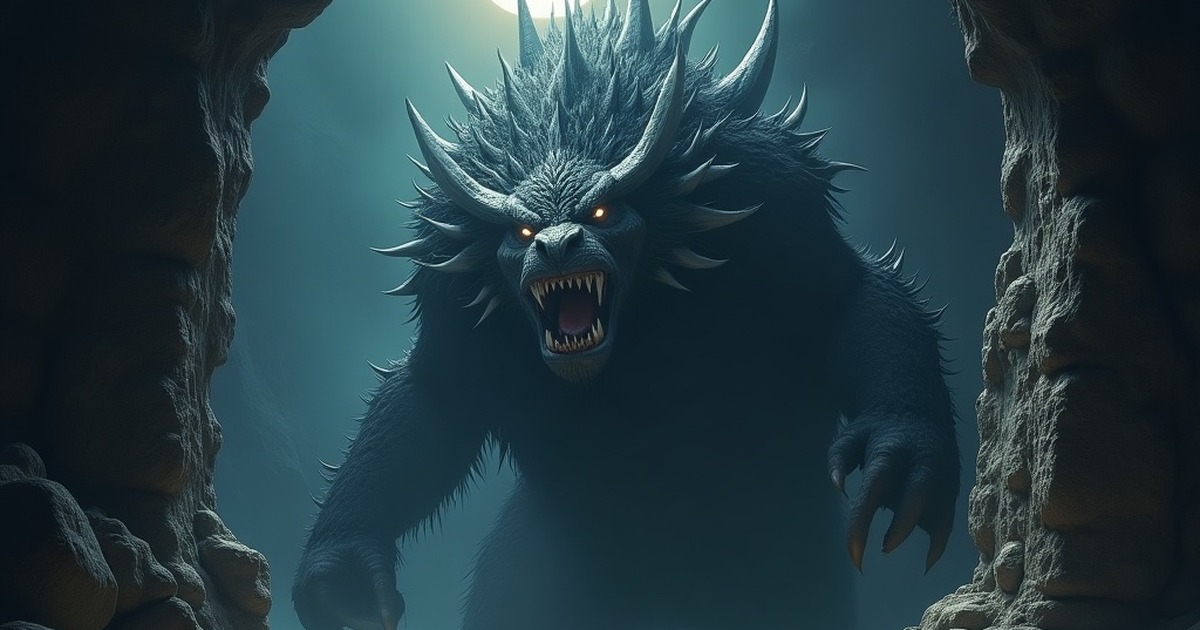
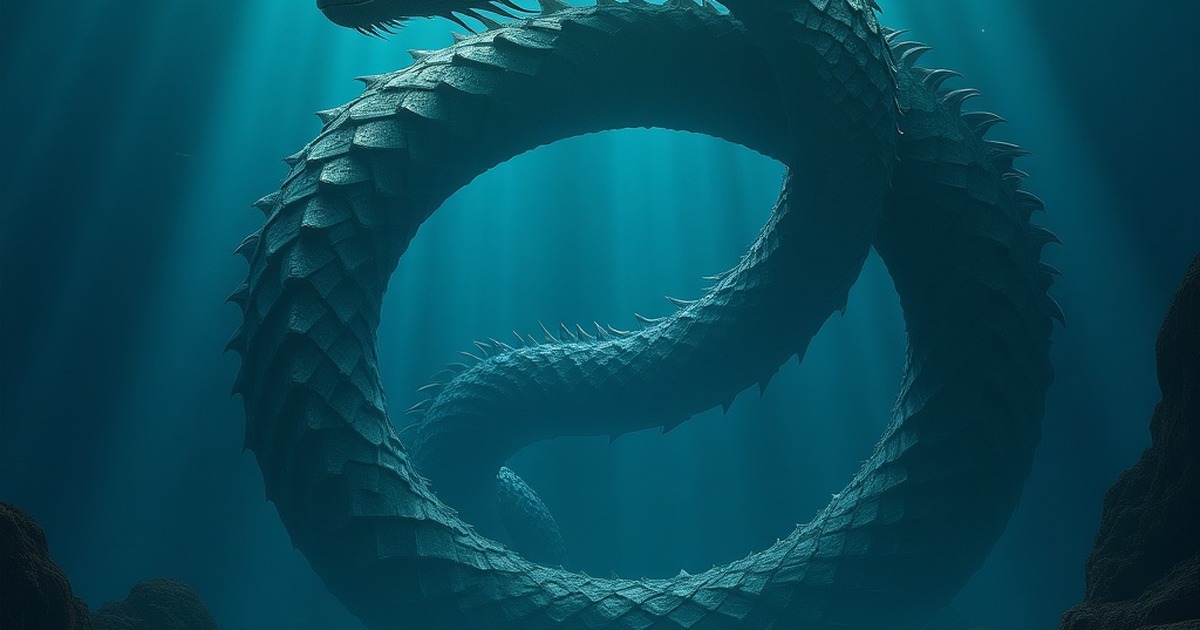
No mythical creature is more universal than the dragon—yet the dragons of Eastern and Western traditions could hardly be more different. While European dragons represent chaos, greed, and evil to be slain by heroes, Asian dragons are benevolent bringers of rain, wisdom, and good fortune to be honored and celebrated. What accounts for such vastly different interpretations of the same basic concept?
Physical Appearance
| Feature | Western Dragon | Eastern Dragon | |———|—————|—————-| | Body | Thick, muscular, reptilian | Serpentine, flowing | | Legs | Four with clawed feet | Four (varies by culture) | | Wings | Large bat-like wings | Usually none (flies by magic) | | Breath | Fire | Clouds and rain | | Horns | Sometimes present | Antler-like, branching | | Scales | Armored plates | Fish-like scales |
Symbolic Meaning
Western Dragons
In European tradition, dragons represent:
- Chaos and destruction
- Greed (hoarding treasure)
- Sin and temptation (linked to Satan)
- Obstacles for heroes to overcome
- The untamed wilderness
Eastern Dragons
In Asian tradition, dragons represent:
- Imperial power and authority
- Wisdom and benevolence
- Rain, rivers, and water control
- Good fortune and prosperity
- The yang principle
Relationship with Humans
The fundamental difference:
- Western: Enemies to be slain. Dragon-slaying is heroic (St. George, Beowulf, Sigurd)
- Eastern: Beings to be honored. Chinese emperors claimed dragon descent; Japan's dragon gods receive worship
Origin Theories
Why such different dragons? Scholars suggest:
- Climate: Asia needed rain for rice; dragons bringing rain were good. Europe had flooding concerns; water creatures were threatening
- Religion: Christianity associated serpents with Satan; Asian religions had no such connection
- Fossil Interpretation: Different ancient animals may have inspired different dragon concepts
- Cultural Values: Western hero narratives require monsters; Eastern philosophy embraces natural forces
Modern Convergence
Today's fantasy often blends Eastern and Western elements. Games and films feature “good” Western-style dragons alongside “fierce” Eastern ones. The exchange has enriched both traditions while sometimes obscuring their original cultural contexts.
Related Articles
Explore specific dragon traditions: Chinese Long | Japanese Ryū | Korean Yong | Norse Níðhöggr | Greek Drakon