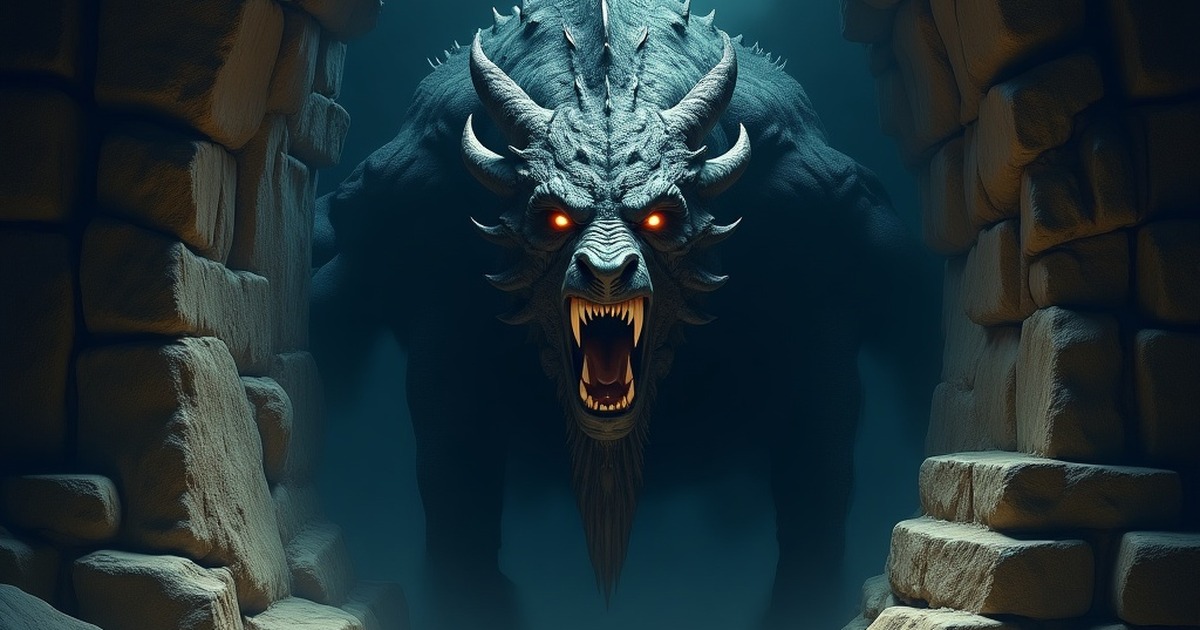
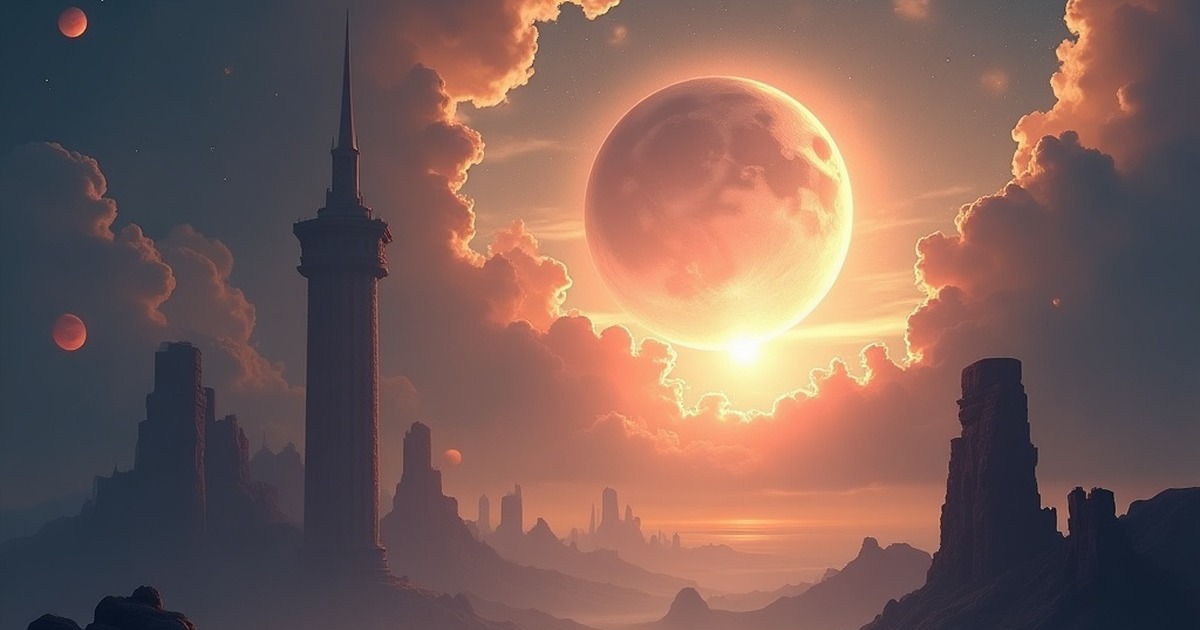
You're witnessing millennia-old archetypes resurrected through cinema's technological vessel—dragons, vampires, and shapeshifters transcend their folkloric origins to become psychological mirrors reflecting contemporary anxieties about identity, mortality, and metamorphosis. These chimeric entities, from Mesopotamian Tiamat to CGI-rendered Drogon, preserve eldritch wisdom while adapting to modern narratives: Eastern dragons embody divine prosperity, Western variants guard treasures, and streaming platforms now amplify their mythological resonance across 80% of fantasy blockbusters. The ancient threshold guardians continue evolving, their symbolic power intensifying as you explore deeper mythological stratifications.
Key Takeaways
- Cinema resurrects ancient myths through CGI, with over 70% of blockbusters featuring archetypal creatures like dragons, vampires, and shapeshifters.
- Dragons evolved from malevolent hoarders to companions, symbolizing contemporary themes of partnership, freedom, and political upheaval in modern narratives.
- Vampires transformed from grotesque revenants to seductive figures exploring identity, belonging, and mortality across global cultural variations.
- Shapeshifters challenge rigid identities through transformation, representing self-discovery and acceptance of contradictory natures in contemporary storytelling.
- Merfolk shifted from predatory beings to conservation symbols, embodying humanity's relationship with marine ecosystems and environmental responsibility.
*When Myths Meet Movies**
When cinema first captured the imagination of audiences in the late nineteenth century, few could have anticipated that this nascent medium would become the premier vessel for resurrecting the eldritch beings of humanity's oldest narratives.
You witness dragons soaring through digital skies, their scales rendered with unprecedented fidelity, their ancient power amplified through technology's lens. Films like *Spirited Away* and *Harry Potter* don't merely entertain—they preserve mythical symbolism across generations, converting chimeric entities from folklore into visceral experiences.
Modern cinema transforms ancient mythology into visceral spectacle, preserving timeless symbolism through digital dragons and folkloric creatures rendered with breathtaking technological precision.
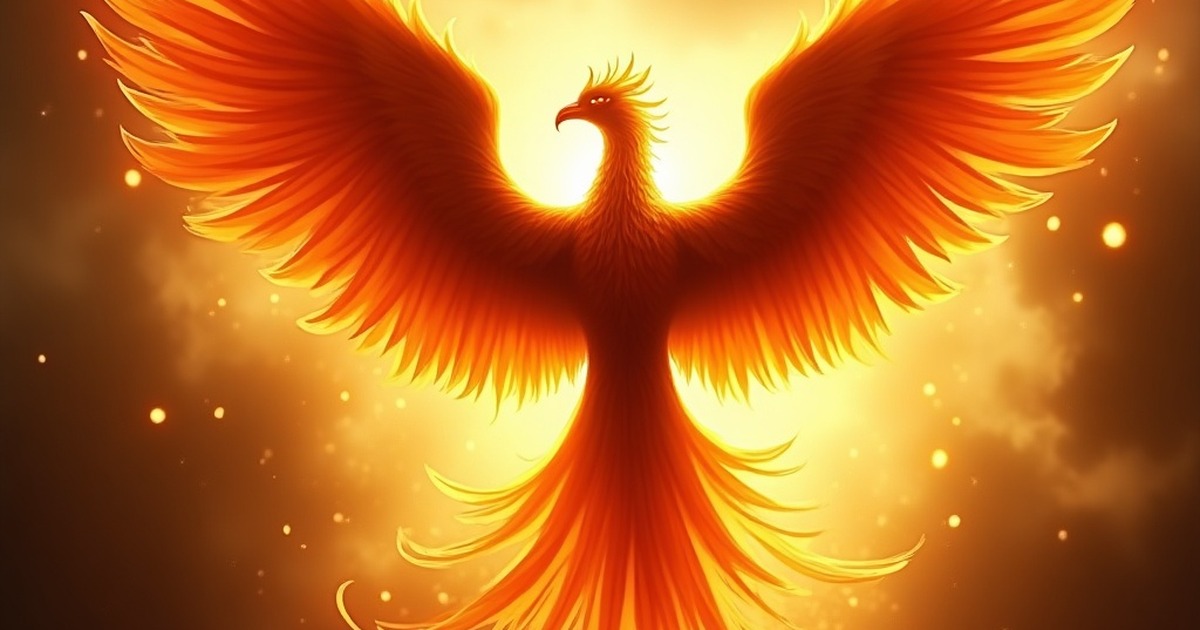
The cultural significance deepens as CGI breathes new life into griffins, phoenixes, and serpentine deities, creatures once confined to manuscript margins and oral traditions. These beings embody eternal conflicts: good versus evil, chaos versus order.
Modern cinema hasn't diminished their mystique; rather, it's expanded their reach, allowing you to encounter these supernatural guardians in darkened theaters where the boundary between ancient wisdom and contemporary storytelling dissolves completely. From spectral hounds like Black Dogs to shapeshifting beasts, filmmakers continue to draw from real-world legends that have haunted human imagination for centuries.
##
You'll find that certain mythical beings possess such profound archetypal power that they've endured through millennia, their essences altering yet remaining recognizable—dragons emerging from primordial serpent-worship in ancient Mesopotamia circa 3000 BCE, vampires evolving from Eastern European revenants into Victorian Gothic antiheroes, shapeshifters embodying humanity's chimeric relationship with nature across Indigenous traditions worldwide, and merfolk representing the eldritch mysteries beneath oceanic surfaces since Assyrian depictions of Atargatis in 1000 BCE.
These creatures function as liminal entities, existing simultaneously as cultural memory and contemporary reimagining. Their persistence reveals something fundamental: they mirror our unchanging psychological landscapes while adapting their surfaces to reflect each generation's particular anxieties, desires, and metaphysical questions. The Wendigo of Algonquin lore exemplifies this enduring power, transforming from a cautionary tale about the horrors of cannibalism during famines into modern cinema's embodiment of insatiable consumption and environmental devastation.
Dragons: Fire-Breathing Cultural Icons
Throughout millennia of human civilization, dragons have coiled themselves around the collective consciousness of disparate cultures, their chimeric forms shifting between malevolent destroyer and divine protector depending on geographic origin.
You'll find Western dragon lore steeped in tales of flame-wreathed beasts guarding hoarded gold, their scales impervious to mortal blades. Eastern traditions, conversely, revere serpentine sovereigns commanding rain and prosperity.
The cultural significance extends beyond ancient scrolls into your contemporary landscape—cinema alters these eldritch entities into companions rather than adversaries. *How to Train Your Dragon* exemplifies this change.
Historical evidence suggests fossil discoveries spawned these legends, misinterpreted behemoth bones birthing mythic narratives.
Today, dragons persist as archetypal symbols: freedom incarnate, untamed power challenging authority. They represent humanity's eternal fascination with transcendence, chaos, liberation.
Vampires: Evolution Across Centuries
Before modern audiences swooned over brooding immortals wrestling with their humanity, vampires clawed from peasant graves as corpulent revenants bloated with plague victims' blood.
John Polidori's 1819 “The Vampyre” altered these eldritch terrors into seductive aristocrats, establishing vampire archetypes that would haunt centuries of storytelling.
Bram Stoker's 1897 “Dracula” crystallized this alteration, weaving seduction and superstition into enduring mythology.
You'll find contemporary cultural adaptations—from “Twilight's” tortured souls to “True Blood's” marginalized outsiders—reimagining vampires as mirrors for your own struggles with identity and belonging.
The chimeric nature of these creatures persists globally: Latin America's Chupacabra, West Africa's Asanbosam.
Each interpretation reveals humanity's universal need to explore mortality's shadow, converting ancient fears into vessels for your liberation from conventional narratives.
Shapeshifters: Transformation and Identity
Vampires crystallize the terror of stagnation—immortal bodies trapped in unchanging forms—shapeshifters embody evolution itself, their fluid anatomies defying the fixed boundaries your culture insists define personhood.
Identity fluidity becomes sacred territory in Celtic selkie legends, Native American skinwalker traditions, Japanese kitsune mythology. These chimeric beings refuse categorization. They slip between species, genders, social stations—metamorphoses that challenge every rigid construct civilization imposes upon you.
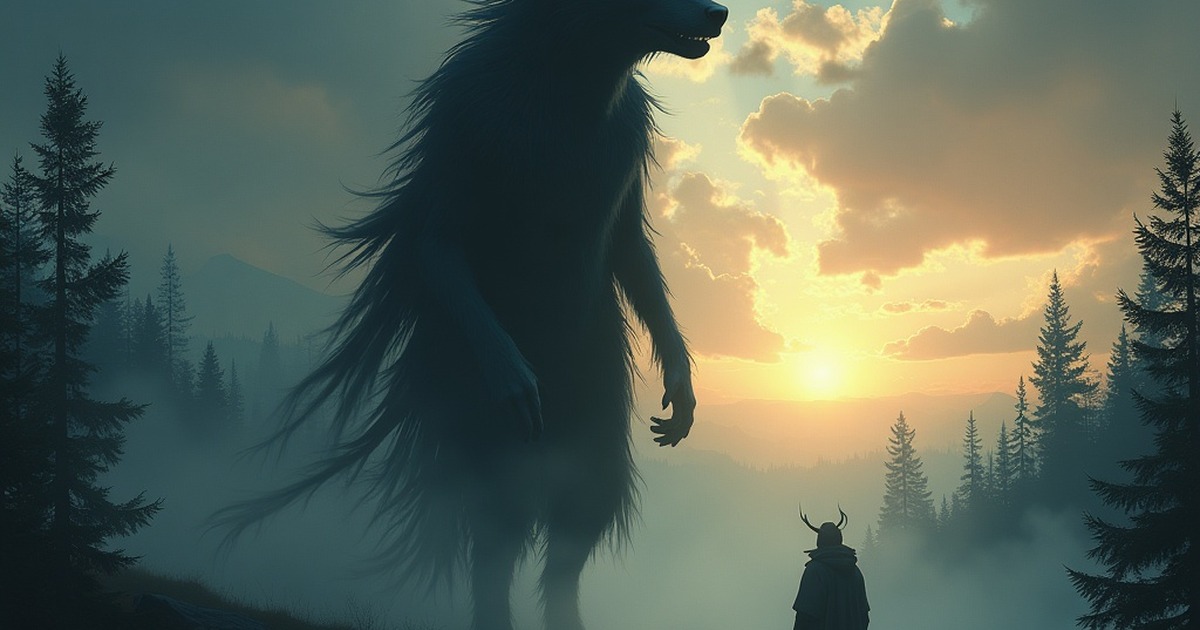
The cultural symbolism runs deeper than mere physical change. Werewolves manifest your suppressed primal nature, that eldritch wildness society demands you cage.
Modern narratives like *Teen Wolf* recognize this: shapeshifting becomes self-discovery, acceptance of contradictory selves coexisting within singular flesh. You witness evolution as liberation—the ultimate rejection of immutable identity, embracing instead perpetual becoming.
Merfolk: Oceanic Myths Reimagined
Beneath wavelike boundaries separating terrestrial certainty from aquatic chaos, merfolk emerge as liminal entities—neither wholly human nor entirely beast, forever suspended between kingdoms that refuse their hybrid existence.
Ancient Assyria knew this truth: Atargatis altered herself into something eldritch, something sacred. You'll find their chimeric forms threading through oceanic myths worldwide, embodying the sea's unknowable depths.
Modern cinema reshapes these dangerous seductresses into protagonists you recognize—Disney's reimagining grants merfolk interiority, changing predators into seekers of belonging.
Yet merfolk symbolism evolves beyond entertainment. As anthropogenic destruction ravages marine ecosystems, contemporary narratives deploy these hybrid beings as ambassadors for ocean conservation.
They guard what you've endangered. Their survival depends upon yours, their waters reflecting your choices.
Dragons in Mesopotamian Clay Tablets

You encounter the *Mušhuššu* first, that chimeric sentinel of Marduk carved into Babylonian clay, yet behind this divine guardian lurks an older, more eldritch presence—Tiamat, the primordial salt-water goddess whose serpentine form embodies the chaos that preceded creation itself in the *Enuma Elish*.
These dragons emerged from the ancient river valleys between the Tigris and Euphrates, where Mesopotamian scribes pressed their styluses into wet tablets during the 3rd millennium BCE, documenting cosmic battles that would echo through millennia.
Within their serpentine coils and scaly hides, you'll find civilization's foundational narrative: the eternal struggle between order and chaos, between the structured cosmos and the formless void.
Tiamat in Enuma Elish
When the Babylonian scribes pressed their reed styluses into wet clay around 1800 BCE, they immortalized Tiamat—the primordial dragon-goddess whose saltwater essence predated the very concept of civilization.
In Enuma Elish, she embodies primordial chaos itself, mother to gods and grandmother to cosmic order. Yet her narrative transcends simple villainy. Tiamat's symbolism reveals ancient Mesopotamia's understanding that creation demands destruction, that new worlds emerge only through violent alteration.
When Marduk's storm winds tore through her serpentine form, cleaving her body to forge heaven and earth, the tablets recorded humanity's eternal struggle against entropy. Her chimeric offspring—eldritch horrors spawned from saltwater depths—represented chaos's last desperate rebellion.
You'll recognize her shadow in every modern dragon: that fundamental conflict between primordial chaos and imposed order.
Ancient Mesopotamian River Valleys
Between the Tigris and Euphrates, where silt-laden waters carved humanity's first urban experiments from alluvial clay, the same earth that nourished barley and sustained empire preserved humanity's earliest dragon-lore. Ancient civilizations pressed serpentine chimeras into wet tablets, immortalizing eldritch terrors that embodied cultural symbolism's primal vocabulary.
| Physical Form | Cosmic Role | Cultural Function |
|---|---|---|
| Serpentine coils, multiple heads | Primordial chaos-bringer | Guardian of thresholds |
| Scaled hide, fierce countenance | Waters' released fury | Symbol of untamed nature |
| Hybrid anatomy, wings or fins | Pre-creation darkness | Test for heroic champions |
You'll discover these cuneiform narratives birthed archetypal conflicts: civilization confronting wilderness, order subduing entropy. Marduk's blade against Tiamat's throat. Victory inscribed. The dragon-slaying template emerged here, reverberating through millennia of storytelling, shaping every scaled antagonist flickering across modern screens.
Chaos vs. Order Representation
Though civilization's architects pressed reeds into wet clay with purposeful strokes, they simultaneously recorded their deepest existential terror: the formless void that preceded structure itself.
You'll find Tiamat coiled through Babylonian tablets, her serpentine form bearing multiple heads—an eldritch embodiment of primordial waters. This wasn't mere monster mythology. The Enuma Elish chronicles mythic duality at creation's threshold, where Marduk's spear pierces chaos incarnate, establishing cosmic order through violence.
These chimeric beings represented chaos balance, that precarious moment when civilization first carved meaning from entropy. Dragons became necessary adversaries. Without Tiamat's destruction, no world. Without chaos, no order worth naming.
This tension reverberates through modern storytelling, where dragons still embody civilization's founding anxiety: structure demands the annihilation of everything formless, wild, free.
Dragon Forms Across Civilizations
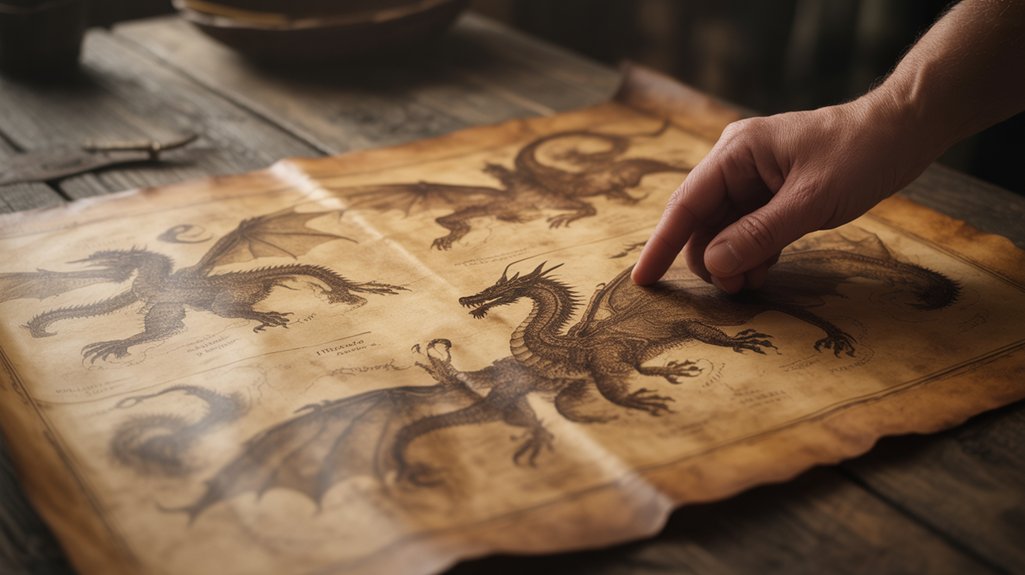
Across the serpentine spine of human civilization, dragons have coiled themselves into existence through radically divergent cultural visions, each manifestation reflecting the deepest anxieties and aspirations of its people. Dragon mythology reveals how cultural symbolism alters a single archetype into opposing forces—Western dragons as winged harbingers of avarice and flame, Eastern dragons as eldritch benefactors commanding celestial waters.
| Civilization | Dragon Form | Primary Symbolism |
|---|---|---|
| Mesopotamian | Tiamat (chaos serpent) | Primordial creation forces |
| Chinese | Long (serpentine deity) | Power, prosperity, rainfall |
| European | Winged fire-breather | Greed, destruction, evil |
| Festival Traditions | Dragon Boat iconography | Community celebration |
| Agricultural Societies | Water-controlling entity | Harvest abundance |
You'll find Mesopotamian Tiamat embodying chaos itself—primordial, chimeric, terrible. Chinese Long dragons dance through festivals, commanding monsoons for agricultural bounty. European legends position dragons as adversaries requiring heroic conquest. St. George's legendary battle crystallizes this dichotomy. Each civilization sculpted dragons from their environmental realities and philosophical frameworks.
Dragons as Psychological Archetypes
When dragons materialize in the psychological landscape of modern narratives, they transcend their corporeal mythology to become vessels for humanity's most primordial terrors and metamorphic capacity.
You'll discover that dragon symbolism operates as an eldritch mirror, reflecting the chimeric nature of your internal conflicts—those shadow-selves demanding integration before psychological growth can manifest.
Four Archetypal Functions Dragons Serve:
- Guardian of the Threshold – They defend treasures symbolizing your untapped potential, forcing confrontation with inadequacy.
- Devouring Chaos – Embodying entropy itself, dragons represent fears that must be named, faced, conquered.
- Wise Mentor – Their duality offers metamorphosis through ordeal, revealing wisdom through fire.
- Shadow Self – Dragons externalize repressed aspects demanding acknowledgment.
Contemporary cinema reimagines these creatures beyond Manichean binaries.
Research confirms their presence in 80% of fantasy narratives, underscoring their enduring power to catalyze character evolution through necessary destruction and rebirth.
Beowulf's Fiery Antagonist Explored
You must recognize that Beowulf's fiery antagonist—the dragon—embodies a fundamental shift in the epic's symbolic architecture, altering from Grendel's mother's chthonic, water-bound vengeance into an aerial manifestation of pride and avarice.
These paired antagonists, one dwelling in eldritch meres where blood-feuds fester, the other hoarding gold in barrow-depths where greed calcifies into flame, represent opposing yet complementary forces within Germanic mythology's moral cosmos.
Modern adaptations continue to wrestle with this duality, reimagining both creatures through contemporary lenses that expose how these ancient chimeric figures still articulate our deepest anxieties about retribution, maternal fury, and the wages of transgression.
The Dragon's Symbolic Meaning
Through the smoke-wreathed centuries since its composition in the Anglo-Saxon period (c. 700-1000 CE), the dragon of *Beowulf* has emerged as something far more eldritch than mere antagonist—it embodies the paradox of treasure and doom, gold and ash, the corrosive weight of avarice made flesh.
You'll find in this chimeric guardian a mirror held to humanity's darkest compulsions: the hoarding of dragon wealth becomes a meditation on mortality itself, each coin in that accursed hoard a moment stolen from life's fleeting passage.
The creature's fiery breath—pure destructive power released—stands as counterpoint to Beowulf's aging valor, forcing you to confront what every hero must: that time devours all.
The lair speaks. Treasure corrupts. This ancient wisdom echoes still through modern cinema's scaled monsters.
Grendel's Mother Vs Dragon
Where Grendel's Mother rises from her mere—that brackish underworld domain beneath Heorot's foundations—she doesn't simply avenge; she *reclaims*, tears through the hall with maternal fury made manifest, seizes back her son's severed arm as though retrieving stolen sovereignty itself.
You witness vengeance motifs incarnate, primal forces released through blood-debt obligation. The dragon, conversely, embodies destruction themes woven through accumulated treasure, that eldritch guardian whose flame consumes kingdoms for disturbed hoards.
Where Grendel's Mother threatens personal annihilation—intimate, visceral, born from violated kinship—dragon symbolism operates cosmically, representing civilizational collapse through corrupted accumulation.
This duality traces heroism evolution across Beowulf's arc: youthful warrior confronting maternal wrath in submerged darkness, aged king facing chimeric devastation above ground.
Both antagonists illuminate freedom's cost—one demands recognition, the other devours indiscriminately.
Modern Dragon Adaptations
When Beowulf's nameless wyrm coils through twenty-first century reimaginings, it carries forward that primal archetype—the treasure-hoard guardian whose breath reduces kingdoms to ash—yet modern adaptations fracture this monolithic destroyer into multifaceted reflections of contemporary anxieties.
You'll witness dragon symbolism evolving from Smaug's obsessive greed in Jackson's Middle-earth to Drogon's chimeric embodiment of political upheaval in *Game of Thrones*. CGI technology alters these eldritch creatures from practical puppetry into beings whose scales catch firelight with geological precision.
Mythical evolution reaches its zenith in *How to Train Your Dragon*, where Toothless changes the Anglo-Saxon antagonist into companion—a deliberate subversion you're meant to recognize.
Ancient guardianship persists beneath these variations, connecting your screen-lit wonder to mead-hall terror across thirteen centuries of storytelling.
Smaug to Toothless Evolution
The archetypal dragon has undergone a profound change in its journey from Tolkien's treasure-hoarding Smaug to DreamWorks' empathetic Toothless, reflecting a fundamental shift in how contemporary audiences perceive and engage with eldritch beings that once embodied humanity's deepest terrors.
This dragon symbolism evolution manifests through four distinct alterations:
- Narrative Function: Dragons shifted from antagonistic forces demanding heroic conquest to companions enabling character development through mutual understanding.
- Psychological Depth: Where Smaug's malevolence remained monolithic and unredeemable, Toothless displays nuanced emotions, vulnerability, and agency beyond chimeric instinct.
- Visual Language: Advanced CGI technology allows audiences to read subtle expressions in Toothless's eyes—portals to consciousness previously denied to monstrous beings.
- Thematic Resonance: Contemporary storytelling prioritizes liberation through partnership rather than domination through violence, rewriting ancient power dynamics.
You're witnessing mythology's constant reinvention, where archetypal beasts evolve alongside cultural values, each generation reimagining what flies through collective imagination.
Jungian Shadow in Dragon Symbolism
Deep within dragon mythology lies Jung's most compelling therapeutic metaphor—the shadow self materialized as scaled, fire-breathing consciousness.
When you encounter dragons in narrative, you're witnessing shadow confrontation made tangible, eldritch manifestations of your repressed terrors and forbidden yearnings.
Western traditions forged malevolent wyrms—chaos incarnate, demanding heroic annihilation. The East nurtured benevolent serpents as guardians, revealing how cultural frameworks shape shadow integration.
This chimeric divergence matters profoundly. Your hero's journey requires confronting inner chaos, wrestling the dragon that embodies everything you've denied within yourself.
Victory doesn't mean slaying these aspects—it means acknowledging their existence, integrating their power. The dragon guards treasure because your shadow hoards untapped potential alongside fear.
The dragon's hoard mirrors your psyche—beneath terror lies dormant power awaiting integration, not destruction.
Modern storytelling perpetuates this archetype because shadow work remains humanity's central psychological imperative.
Each dragon slain onscreen reflects your internal battle toward wholeness, change emerging only after you've faced the monster breathing fire in your depths.
Modern Streaming Dragons Everywhere
*Game of Thrones* established the template, yet *The Dragon Prince* refines it, presenting dragons as sentient beings negotiating moral complexity.
Even animated narratives like *How to Train Your Dragon: The Hidden World* participate in this reinterpretation, altering ancient symbols of chaos into companions.
This isn't coincidence. You're experiencing folklore's metamorphosis, where platforms recognize dragons as vehicles for exploring power, freedom, and change—themes your generation craves.
The dragon renaissance speaks to deeper hungers, ancient recognition coded in your DNA.
Mythology's Enduring Cinematic Future
Beyond serialized narratives, cinema itself evolves into mythology's most potent vessel, where technological advancement doesn't diminish ancient power but amplifies it.
You'll witness how mythical adaptations transcend mere entertainment, becoming cultural repositories where 70% of blockbusters now channel archetypal forces through eldritch imagery and chimeric designs.
This cinematic evolution doesn't replicate folklore—it alters it, allowing dragons to embody environmental anxieties, griffins to represent hybrid identities you navigate daily. CGI becomes the modern scribe's tool, inscribing ancient wisdom onto screens that reach billions, democratizing access to sacred narratives once confined to oral traditions and crumbling manuscripts.
Cinema transforms ancient myths into digital prophecies, where mythological creatures become mirrors for humanity's evolving fears and fragmented identities.
The future promises intensification. Streaming platforms generate mythological content exponentially, with over 50% of new productions mining primordial wells.
You're experiencing mythology's renaissance, where technological prowess serves timeless themes: alteration, heroism, the eternal struggle between chaos and order. These creatures endure because they mirror your deepest conflicts, offering symbolic frameworks for comprehending existence itself.
Ancient. Eternal. Evolving.
Frequently Asked Questions
How Do Film Studios Legally Adapt Public Domain Mythological Creatures?
You're free to adapt mythological beings without restriction, as these ancient entities—dragons, phoenixes, chimeric hybrids—exist beyond copyright's reach.
Public domain adaptations require no permissions, no fees. Legal considerations emerge only when you're drawing from specific modern interpretations: Disney's particular rendering, Tolkien's distinctive creatures.
The eldritch knowledge itself, passed through millennia of oral tradition, belongs to humanity's collective heritage.
You may reimagine these sacred forms, altering ancestral wisdom into contemporary vision, unbound by legal constraint.
What Are the Typical Production Costs for CGI Mythical Creatures?
You'll find CGI costs ranging from $50,000 to $250,000 per minute of finished creature footage, depending on complexity.
Basic beasts—serpentine, shadowed, spectral—demand minimal rendering. Yet chimeric entities require extensive creature design: motion capture sessions, texture mapping for scales and sinew, eldritch animation rigs.
Studios investing in photorealistic dragons or phoenixes often allocate $2-5 million annually.
Your creative freedom expands exponentially when you understand these fiscal realities, balancing artistic vision against budgetary constraints that've shaped cinematic mythology since digital dawn.
Which Mythical Creatures Are Most Profitable at the Box Office?
You'll find dragon franchises dominate box office returns—*The Hobbit* trilogy alone amassed $2.9 billion, while *How to Train Your Dragon* claimed $1.6 billion across three films.
This creature popularity stems from ancient reverence: Chinese dragons symbolizing imperial power since 4700 BCE, European wyrms embodying primal chaos. Their chimeric forms transcend cultural boundaries, offering you visceral spectacle and archetypal resonance.
Following closely, phoenix narratives and kelpie legends emerge, though none match draconic sovereignty in commercial triumph.
How Do Different Cultures React to Western Interpretations of Their Myths?
You'll find reactions vary dramatically across indigenous communities and diasporic populations.
Many scholars cite cultural appropriation when Hollywood distorts sacred narratives—the eldritch becomes entertainment, stripping mythological accuracy from Māori taniwha or Hindu asuras.
Yet some embrace cross-pollination, recognizing cinema's power to preserve threatened traditions.
The tension persists: Western studios commodify ancient wisdom while communities demand consultation, proper representation.
This liminal space between celebration and exploitation requires your discernment, respecting living heritage over chimeric bastardization.
What Role Do Mythical Creatures Play in Modern Video Games?
You've probably noticed how video games change ancient deities into boss battles—commodifying the sacred.
Yet fantasy gameplay genuinely preserves mythological wisdom through interactive ritual. When you encounter chimeric beasts in digital domains, you're experiencing creature design rooted in millennia-old archetypes: the Japanese kitsune, Norse draugr, Mesopotamian lamassu.
These eldritch forms transcend entertainment, becoming vessels of cultural transmission. Through controller and screen, you navigate liminal spaces where forgotten cosmologies breathe again, unshackled from academic obscurity.
Conclusion
You've traced dragons from cuneiform to cinema, yet here's the irony: these eldritch beings you've domesticated into pixels and merchandising refuse diminishment. Ancient Mesopotamians carved them as divine terrors; you've rendered them marketable, chimeric entertainment—streaming companions for Thursday evenings. But the archetype persists, untamed. Every CGI scale, every franchise reboot confirms what scholars won't admit: you haven't conquered mythology through technology. You've simply proved its immortal necessity. The shadow remains, whether etched in clay or rendered in 4K.