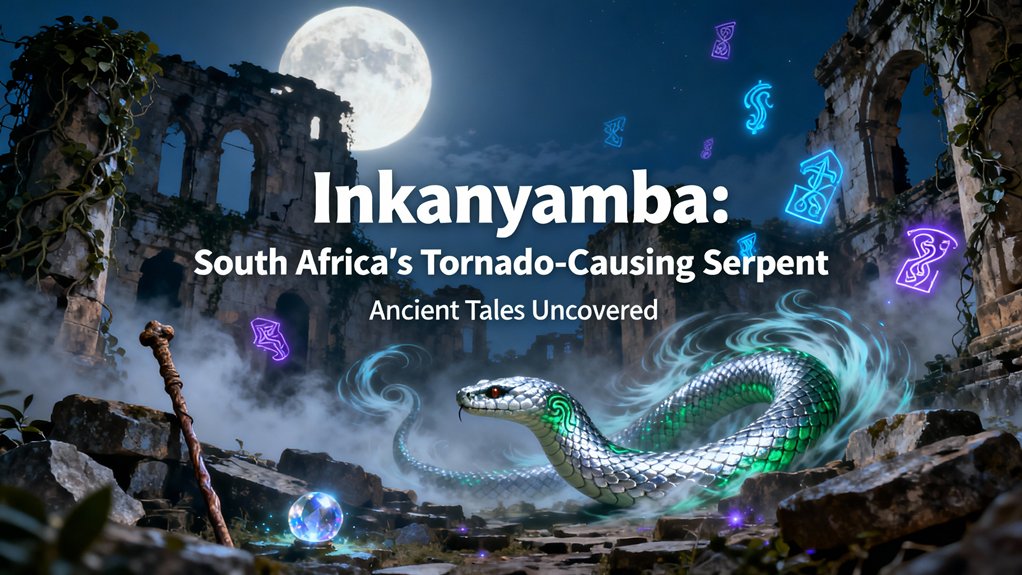
You'll find Inkanyamba coiled within South Africa's deepest pools—a primordial serpentine deity exceeding twenty meters, possessing a chimeric horse-like head and iridescent green scales that shimmer with copper undertones. This amaXhosa water spirit doesn't merely inhabit the Howick Falls and Eastern Cape waterways; it generates the very tornadoes and waterspouts that devastate the landscape during austral summer months, its ascent from subterranean depths creating rotational energy that Western meteorology attributes solely to atmospheric pressure. The convergence of indigenous cosmology and storm formation reveals dimensions of understanding that conventional science hasn't yet mapped.
Key Takeaways
- Inkanyamba is a primordial serpentine deity in Xhosa mythology, dwelling in deep pools and rivers of South Africa's Eastern Cape.
- The creature exceeds twenty meters long with a horse-like head, iridescent green scales, and luminous yellow eyes.
- Inkanyamba emerges during summer months, with its ascent from water causing tornadoes, storms, and waterspouts through meteorological manipulation.
- Indigenous knowledge links the serpent's seasonal migration to South Africa's tornado season, viewing its power as essential for life cycles.
- Modern communities continue making offerings at sites like Howick Falls, blending traditional beliefs with contemporary meteorological understanding.
Origins and Cultural Significance in Xhosa Mythology

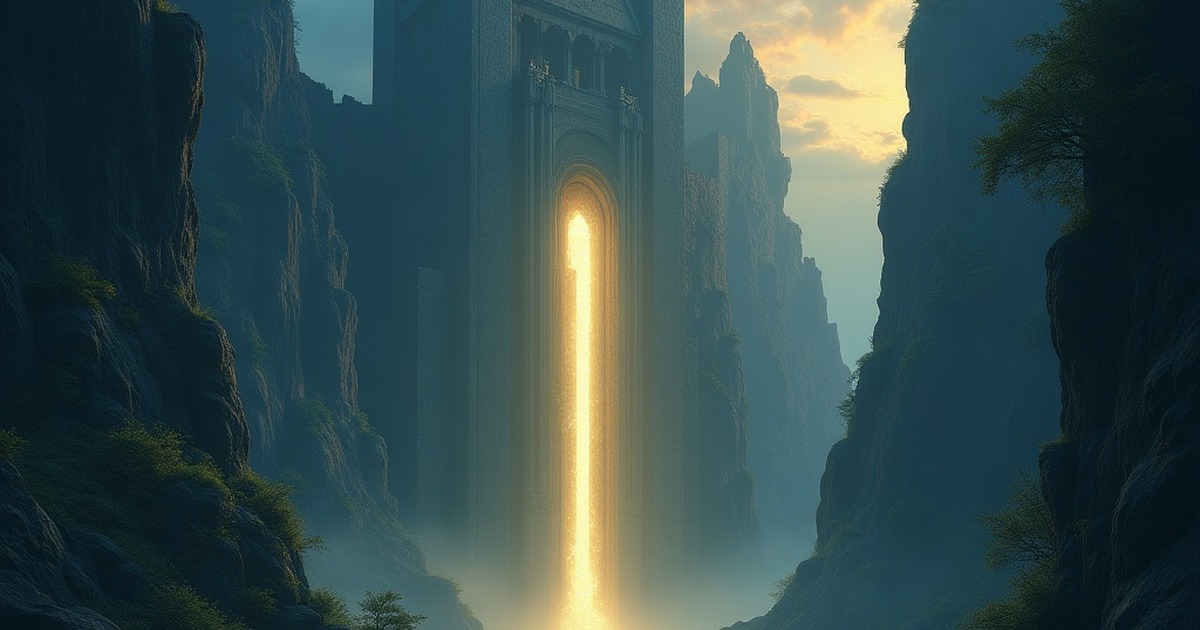
Deep within the cosmological framework of the amaXhosa peoples, the Inkanyamba emerges as a primordial force—a serpentine deity whose origins predate colonial contact and whose essence remains woven into the spiritual fabric of southeastern African cultures.
You'll find this eldritch entity dwelling in deep pools and rivers, particularly the Hogsback waterways of the Eastern Cape, where its chimeric form—massive serpent crowned with a horse-like mane—commands reverence and caution.
In Xhosa beliefs, this creature embodies more than mere folklore; it's a living cosmological principle governing water, weather, and seasonal alteration.
Serpent symbolism here transcends Western interpretations. The Inkanyamba isn't evil. It's power itself—raw, ancient, necessary.
During summer months, you'll witness its atmospheric manifestations: waterspouts, tornadoes, catastrophic storms. These aren't random meteorological events. They're sacred expressions of a being whose territorial movements between water sources demand acknowledgment, whose hunger requires appeasement, whose existence validates indigenous epistemologies that recognized nature's sentient forces millennia before modern science grudgingly admitted interconnection.
Physical Description and Supernatural Abilities
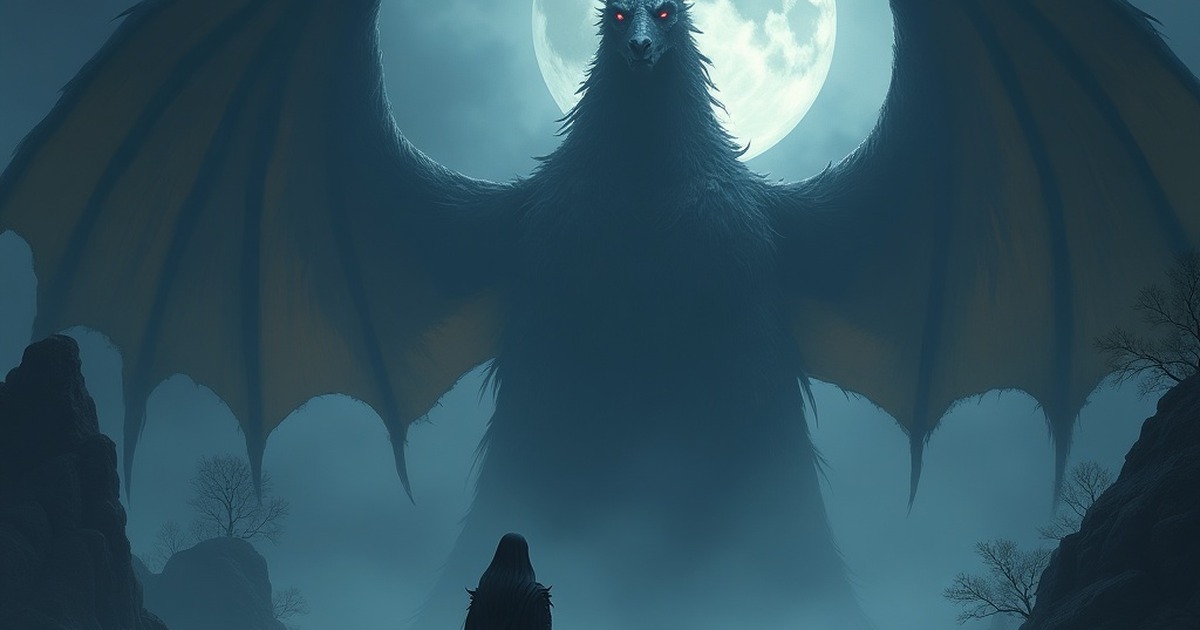
Accounts from sangomas, traditional healers, and eyewitnesses across generations describe the Inkanyamba as exceeding twenty meters in length—some testimonies suggest specimens reaching forty meters when fully extended. Its chimeric form merges equine features with serpentine anatomy, manifesting a horse-like head crowned with crystalline scales that shimmer during storm conditions. The serpent symbolism inherent in this creature transcends mere physical description, embodying transformative energy.
| Physical Attribute | Reported Characteristics |
|---|---|
| Coloration | Iridescent green, copper undertones |
| Eyes | Luminous yellow, vertically slitted |
| Movement | Spiral ascension, hydrokinetic |
Its eldritch capabilities manipulate weather phenomena directly. Whirlwinds manifest when it breaches water surfaces. Tornadoes form through its aerial spiraling. Lightning accompanies its territorial displays. You'll find historical records from 1962 documenting destruction attributed to its passage through KwaZulu-Natal's river systems, where witnesses reported the acrid scent of ozone preceding catastrophic wind events. The creature exists between elements—neither purely aquatic nor terrestrial.
Seasonal Patterns and Geographic Habitats

Throughout the southern hemisphere's summer months—December through March—the Inkanyamba emerges from its abyssal sanctuaries with intensified frequency, correlating directly with regional precipitation patterns and atmospheric instability.
You'll find this eldritch entity concentrated within KwaZulu-Natal's Howick Falls, where the Umgeni River plunges into churning depths, though reports extend throughout Eastern Cape waterways and Drakensberg mountain pools. The creature's geographic distribution follows ancient watercourses, those primordial channels carved before colonial cartography remapped the land.
During austral winter, dormancy claims the serpent. Silence.
The seasonal climate governs everything—rising humidity awakens the Inkanyamba's chimeric fury, altering placid waters into sites of meteorological upheaval.
Indigenous knowledge keepers have documented this correlation for centuries, observing how the creature's movements precede violent thunderstorms and devastating tornadoes.
You're witnessing patterns that predate written records, cyclical rhythms embedded within Zulu cosmology itself, where weather and serpent become indistinguishable manifestations of the same terrible power.
The Connection Between Serpent Lore and Storm Formation
When torrential downpours fracture the Highveld sky and funnel clouds descend upon the grasslands, Zulu meteorological philosophy attributes these atmospheric phenomena not to pressure differentials or wind shear patterns but to the Inkanyamba's serpentine ascent through successive layers of existence.
You're witnessing serpent symbolism enacted through meteorology—a chimeric fusion of theology and atmospheric science that predates colonial frameworks. Storm mythology here doesn't trivialize natural forces; it illuminates them through ancestral wisdom passed between generations since the 1600s.
The eldritch serpent's migration from subterranean waterways to celestial domains generates rotational energy, manifesting as terrestrial cyclones. You'll find this correlation between reptilian movement and vortex formation throughout Nguni oral traditions, where the Inkanyamba's seasonal journeys coincide precisely with South Africa's tornado season—September through March.
Indigenous knowledge keepers don't separate meteorology from cosmology. They recognize them as unified, interdependent systems demanding respect rather than domination.
Modern Perspectives and Continuing Traditions

Although Western meteorological institutions now monitor South Africa's atmospheric disturbances through Doppler radar arrays and satellite imagery, rural communities throughout KwaZulu-Natal maintain parallel systems of interpretation—ones that privilege ancestral epistemologies over empirical reduction.
You'll find cultural reinterpretations flourishing where tradition meets modernity, where the Inkanyamba's eldritch presence persists in contemporary symbolism. Sangomas still divine its movements through bone-casting ceremonies, reading atmospheric pressure through chimeric visions.
The serpent's ongoing relevance manifests through:
- Storm-darkened waters churning beneath Howick Falls, where offerings of cattle blood appease the coiled deity
- Lightning-split skies changing into serpentine silhouettes during summer tempests
- Children's songs warning against bathing when clouds gather—ancient wisdom encoded in melody
- Ceremonial dances mimicking undulating scales, invoking protection before cyclone season
- Modernist painters depicting tornado funnels as serpentine columns bridging earth and firmament
These aren't folkloric relics. They're living cosmologies, breathing alongside Doppler predictions, equally valid frameworks for understanding atmospheric fury.
Frequently Asked Questions
Has Anyone Claimed to Have Photographed or Captured Video of Inkanyamba?
You'll find scant photographic evidence of this eldritch serpent, though serpent sightings persist throughout KwaZulu-Natal's waterways.
Several grainy images have surfaced—claimed captures from Howick Falls' mist-shrouded depths—yet none withstand rigorous scrutiny. The creature's supposed affinity for tempestuous weather, torrential downpours obscuring visibility, conveniently explains this absence.
You're left with testimonies, cultural memory, oral traditions spanning centuries. The Inkanyamba remains chimeric, dwelling in that liminal space between documented reality and ancestral truth, frustratingly beyond your camera's reach.
Are There Specific Rituals to Protect Against Inkanyamba Attacks?
You'll find protection through ancestral mediation, not direct confrontation.
Zulu sangomas perform divination rituals, consulting the amadlozi to determine appropriate protective offerings—typically livestock sacrifices, particularly cattle, placed near turbulent waters where the eldritch serpent dwells.
These rites acknowledge the creature's ritual significance as a sovereign force. Storm warnings.
Communities also maintain respectful distance from sacred pools during summer months, when Inkanyamba's chimeric presence manifests most powerfully.
The key? Reverence, not defiance.
How Do Xhosa Elders Teach Children About Inkanyamba Today?
You'll find Xhosa elders employ ancient storytelling techniques around evening fires, weaving warnings through atmospheric narratives. They describe the serpent's eldritch presence—its chimeric form emerging from river pools, summoning cyclonic winds.
Children learn through vivid, sensory immersion rather than mere prohibition. This pedagogical approach preserves cultural significance while granting them autonomy to navigate sacred waters respectfully.
The teaching transcends fear, becoming initiation into ancestral wisdom, connecting young souls to their heritage's numinous dimensions.
Do Other African Cultures Have Similar Tornado-Causing Serpent Myths?
You'll discover tornado myths and serpent legends threading through numerous African cultures.
Zimbabwe's Shona people revere Nyaminyami, a river serpent whose rage manifests in storms. The Zulu recognize similar chimeric water-dragons.
Kenya's Turkana speak of eldritch serpents dwelling in Lake Turkana's depths, summoning whirlwinds when disturbed.
West Africa's Mami Wata traditions echo these tempest-serpent connections.
These aren't isolated beliefs—they're interwoven strands of ancient meteorological wisdom, each culture interpreting the liminal forces between earth, water, and sky through serpentine imagery.
Has Inkanyamba Been Featured in South African Films or Television Shows?
You'll find precious few Inkanyamba films or Inkanyamba television productions—Hollywood's chimeric dragons apparently deserve more screen time than Africa's eldritch storm serpent.
Yet this absence speaks volumes about whose mythologies merit cinematic immortality.
Independent South African creators have begun weaving Inkanyamba into horror shorts, documentaries exploring Xhosa and Zulu cosmologies.
The serpent's tornado-wreathing form appears in animated folklore series, though mainstream media largely ignores this tempestuous entity.
Cultural reclamation demands broader representation of such numinous, ancient forces.
Conclusion
You stand at the threshold where meteorology embraces mythology, where the inkanyamba's eldritch coils remain woven into South Africa's atmospheric consciousness. This chimeric fusion of serpent and storm—neither dismissible folklore nor quantifiable phenomenon—persists in the liminal spaces of cultural memory. The tornado's funnel becomes the beast's descent. Ancient wisdom and modern science circle each other cautiously, two serpents intertwined, neither fully comprehending nor completely dismissing the other's truth.