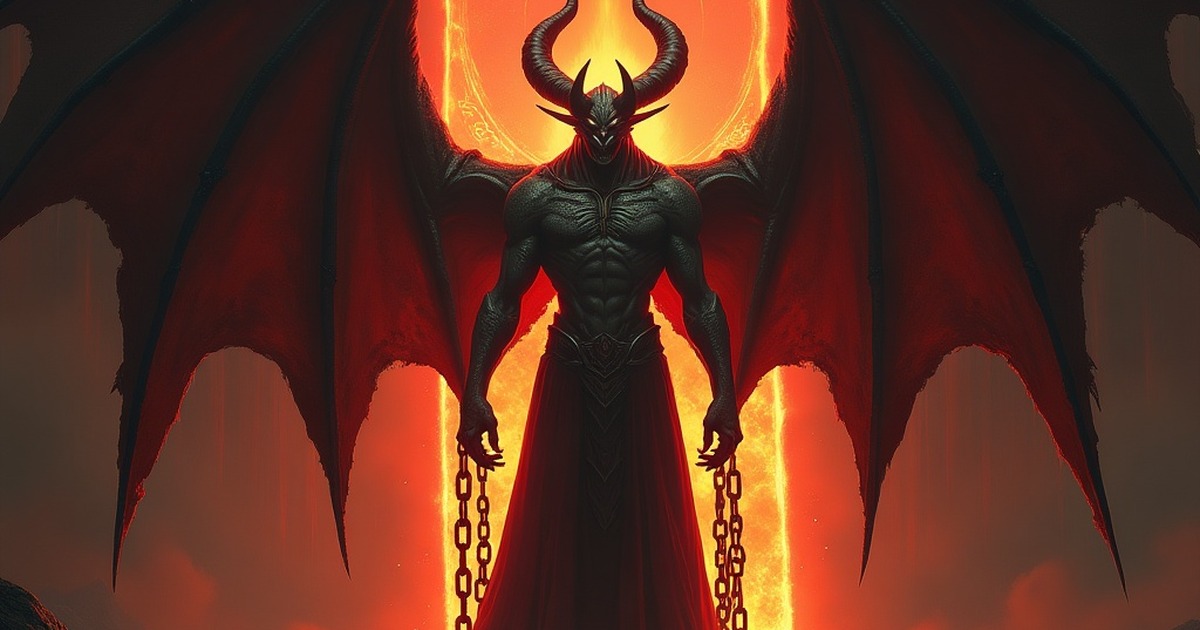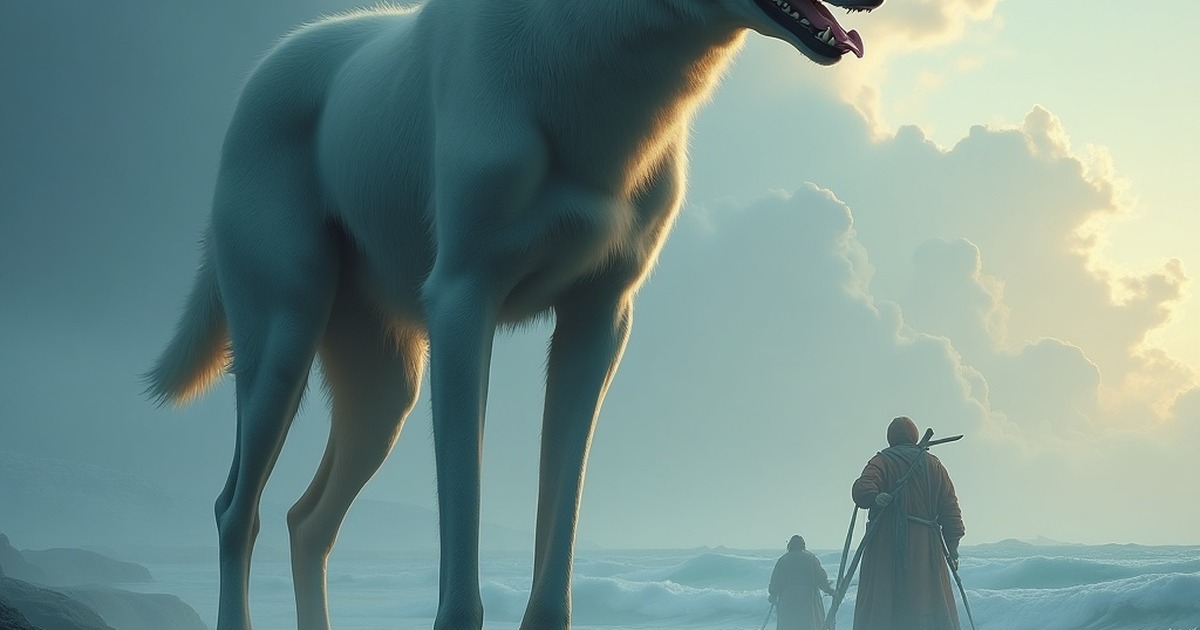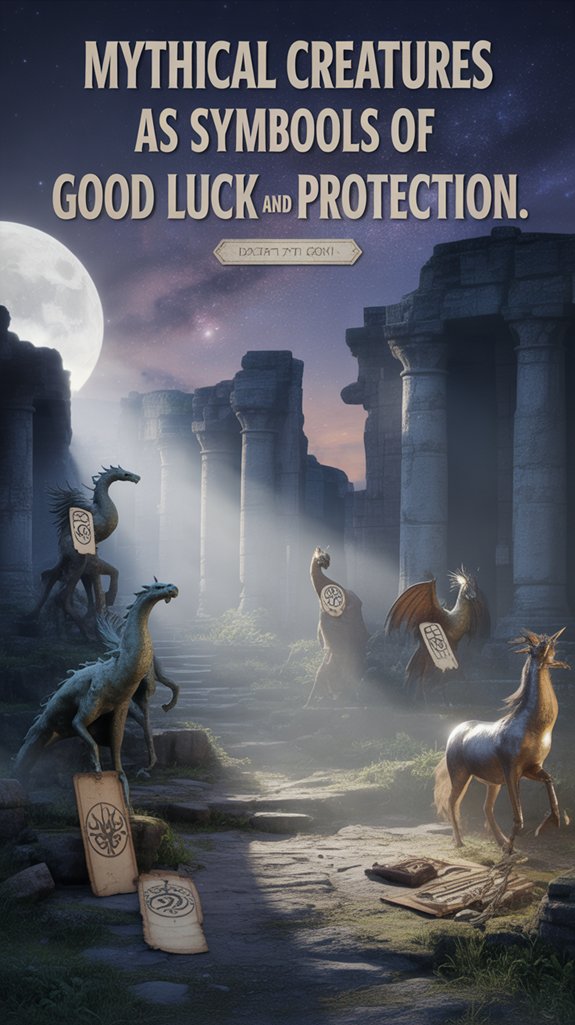
You'll find mythical creatures serving as apotropaic shields across civilizations—Chinese dragons coiling protectively around homes to summon prosperity, Irish leprechauns guarding hidden gold, Mesopotamian lamassu standing sentinel at palace gates. These chimeric beings transcend mere folklore; they're tangible manifestations of humanity's need for control against chaos. From jade dragon turtles attracting longevity to Pixiu preventing financial loss, each creature embodies specific virtues: the koi's perseverance, the elephant's wisdom, the phoenix's regenerative fire. The pages that follow illuminate how these ancient guardians continue shaping modern belief.
Key Takeaways
- Chinese dragons and Irish leprechauns represent prosperity and wish-granting, while elephants attract abundance in Buddhist and Hindu traditions.
- Protective amulets like dragon turtles, Pixiu, and Fu Dogs guard wealth, ensure longevity, and deflect malevolent forces from doorways.
- Lamassu at Mesopotamian gates and painted aurochs in Lascaux caves served as ancient spiritual defenders against evil.
- Eastern dragons symbolize benevolent wisdom, contrasting with Western dragons as malevolent hoarders, reflecting divergent cultural protective philosophies.
- The phoenix embodies renewal through fire, transforming adversity into prosperity across Greek, Egyptian, and Chinese mythological traditions.
Luck Across Cultures and Time
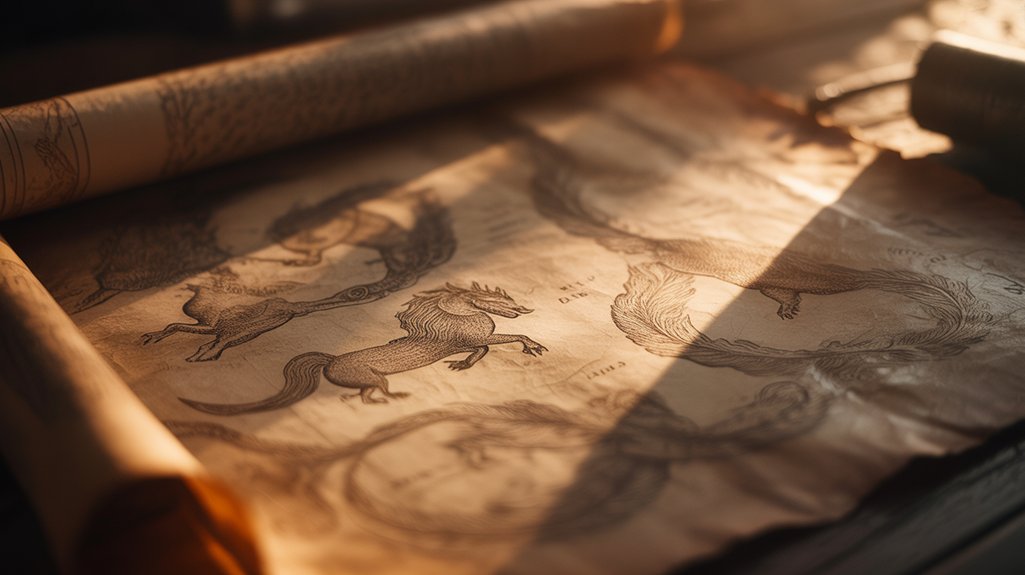
Since humanity first gazed upon the stars and sought patterns in chaos, cultures across millennia have invested certain creatures—both terrestrial and chimeric—with the profound capacity to channel fortune's elusive energies.
Across time and myth, we've transformed creatures into vessels for luck—desperate architects binding hope to feather, scale, and claw.
You'll discover dragons protecting Chinese homes, their serpentine forms coiled around treasures and prosperity. Cranes, folded into paper, granted wishes—a thousand times over. These cultural variations reveal humanity's desperate longing for control over fate's capricious nature.
The Irish leprechaun, diminutive yet powerful, guards his golden hoard with eldritch cunning. Capture him. Three wishes materialize.
In Buddhist and Hindu traditions, elephants stand sentinel, their trunks positioned precisely to draw abundance from invisible currents. The historical significance deepens when examining Egyptian fish, swimming through tomb paintings as guarantors of immortality.
Koi persevere upstream, embodying success through struggle. Each civilization crafted its own symbolic vocabulary, altering creatures into talismans against uncertainty's void.
Fortune requires intermediaries. These myths and legends, handed down through generations of storytellers, served not merely as entertainment but as fundamental explanations for how protective forces might shield communities from misfortune.
Always has.
##
You'll discover that protective chimeric beings transcend geographical boundaries, manifesting across disparate civilizations with remarkable symbolic consistency—from the sinuous, celestial dragons of Han Dynasty China (206 BCE–220 CE) to their serpentine European counterparts who guard hoarded treasures in medieval bestiaries.
These talismanic figures, whether carved into jade amulets or painted onto temple walls, function as apotropaic shields against misfortune, their eldritch forms bridging the mundane and numinous domains.
Sacred animals persist in contemporary practice, their ancient meanings adapting yet enduring, as modern believers continue invoking these mythological guardians through feng shui placements, religious iconography, and digital representations.
Dragons Across Different Cultures
While Western minds conjure images of scaled terrors guarding mountain hoards, the dragon's essence shifts dramatically across continental divides, revealing not a single creature but rather a chimeric tapestry of cultural interpretations woven through millennia of human consciousness.
You'll discover that Chinese dragon symbolism embodies sovereign power—emperors claimed descent from these eldritch beings who commanded monsoons and agricultural abundance. These serpentine guardians, unlike their European counterparts, channel benevolence through rain-soaked scales. Water, not flame. Prosperity, not destruction.
During lunar celebrations, undulating dragon dancers invoke fortune for communities seeking liberation from scarcity.
European traditions cast these beings as treasure-hoarding sentinels, protective yet perilous. The Greek term “drakōn” originally encompassed any giant serpent, reflecting the creature's fundamental association with primal natural forces. Both traditions, however, recognize dragons as threshold guardians—liminal entities balancing destructive capability with protective wisdom, embodying humanity's eternal negotiation with power itself.
Protective Amulets and Talismans
From these sovereign beings who shaped dynastic destinies, humanity fashioned portable vessels of power—crystallized essence worn against skin, mounted above thresholds, clutched in trembling palms during moments of uncertainty.
You'll discover amulet materials ranging from jade to bronze, each substance chosen for its resonant properties. The dragon turtle merges chelonian steadfastness with draconic energy, extending your lifespan while magnetizing prosperity.
Pixiu—that chimeric devourer of treasures—adorns your wrist, its hungry maw trapping wealth within your sphere, preventing financial hemorrhage. Fu Dogs stand sentinel at your doorway, their eldritch presence deflecting malevolent forces.
These talisman designs aren't mere decoration; they're architectural invocations, feng shui made tangible. Cranes, elephants, phoenixes—each creature you carry becomes covenant, ancient wisdom compressed into wearable form, liberation through symbolic alliance.
Sacred Animals in Folklore
Across civilizations separated by oceans and millennia, certain creatures emerged from the collective unconscious bearing identical burdens—vessels of cosmic significance, their very existence proof of humanity's need to encode the numinous within living form.
You'll find the scarab beetle's eldritch resurrection myth woven through Egyptian tombs, its dung-rolling labor mirroring Ra's solar journey. The crane's thousand-folded promise echoes through Japanese temples. Dragons coil through Chinese imperial halls, chimeric guardians of forbidden wealth.
Europe's ladybugs carry Mary's blessing upon spotted wings, while elephants—white as snow, minds serene—stand as Buddhism's gatekeepers.
These sacred creatures transcend mere symbolism. They're living hieroglyphs, their cultural significance persisting because you've always needed something beyond yourself to hold hope's unbearable weight.
Modern Interpretations and Beliefs
Though ancient mythologies birthed these creatures in epochs of oracle smoke and temple incense, they've migrated into contemporary consciousness with undiminished potency—you'll discover them nested within smartphone charms, feng shui consultations, and corporate lobbies where Pixiu statues guard Fortune 500 treasuries.
Dragons, once eldritch sovereigns of celestial rivers, now embody Chinese business success. The chimeric Qilin manifests before enlightened leadership arrives. You'll fold origami cranes—one thousand paper wings—to summon granted wishes.
Pixiu, that leonine-draconic hybrid, adorns wrists as wealth-attracting talismans, its mythical symbolism adapted to hedge fund offices. Elephants with upraised trunks invoke Ganesh's blessings across Hindu and Buddhist traditions.
These cultural interpretations haven't diluted ancestral power; they've democratized access to protective forces your ancestors revered, making ancient wisdom portable, wearable, immediate.
Mesopotamian Tablets and Cave Art

You'll find humanity's earliest yearnings for protection etched into clay and stone, where Mesopotamian artisans crafted chimeric guardians like the Lamassu—those imposing sentinels with bull haunches, eagle wings, and human visage—to stand watch at city gates circa 3000 BCE.
Meanwhile, in the eldritch darkness of Lascaux's Paleolithic chambers, your ancestors painted mythical beings alongside aurochs and deer. These ancient spirit guardians, whether emerging from the Fertile Crescent's tablets or France's limestone caves, served identical purposes: channeling supernatural favor toward survival, ensuring successful hunts through animal totems, and warding off misfortune through symbolic representation.
The Apkallu sages with their fish-scaled wisdom, Humbaba's fearsome protection of sacred cedar groves—each figure altered belief into tangible fortune, prosperity made manifest through reverent invocation.
Animal Spirit Guardians in Artifacts
Ancient civilizations etched their deepest fears and aspirations into stone, clay, and pigment, altering mundane surfaces into sacred repositories where chimeric guardians kept eternal watch.
You'll discover how these cultural artifacts converted protection into tangible form—amulets bearing dragon motifs, seals pressed with lamassu imagery, each object pulsing with apotropaic power. The animal spirit dwelt within these implements, neither decoration nor superstition but embodied defense against malevolent forces.
Mesopotamian craftsmen understood this truth: Marduk's dragon wasn't merely symbolic. It was real power, compressed into wearable form.
Cave painters at Lascaux knew it too, channeling bison-essence through ochre strokes, binding success to pigment.
You're holding more than ancient curiosities when you examine these artifacts. You're witnessing humanity's first technological breakthrough—the alteration of spiritual energy into portable, transmissible protection that transcended individual vulnerability.
Fertile Crescent and Lascaux Caves
Between the Tigris and Euphrates rivers, where written language first crystallized human thought into permanent record, Mesopotamian scribes pressed cuneiforms into wet clay—each wedge-shaped mark a binding covenant between mortal domain and divine order. You'll discover within these tablets chimeric guardians like the lamassu, stationed at threshold spaces to repel eldritch forces threatening fertile agriculture. Meanwhile, Lascaux's prehistoric rituals manifest through ochre-stained beasts adorning limestone galleries, their painted forms invoking protection through symbolic resonance.
| Location | Protective Entity | Cultural Function |
|---|---|---|
| Mesopotamian Gates | Lamassu (human-headed bulls) | Ward evil, guarantee prosperity |
| Clay Tablets | Bull of Heaven | Divine intervention, strength |
| Lascaux Chambers | Painted aurochs | Fertility invocation, shamanic protection |
These talismanic depictions altered belief into tangible defense—apotropaic mechanisms safeguarding communities through mythological intercession.
Survival and Hunting Success Beliefs
When survival itself hung upon the trajectory of obsidian-tipped spears and the hunter's capacity to read subtle disturbances in reed marshes, Mesopotamian communities didn't merely craft weapons—they forged compacts with numinous intermediaries who governed the liminal boundary between predator and prey.
You'll find lamassu—chimeric guardians melding human wisdom with bestial ferocity—etched into tablets as essential participants in survival rituals. These eldritch protectors weren't decorative flourishes. They embodied hunting deities whose favor determined whether your family feasted or starved.
Cave artists similarly immortalized animal spirits alongside human figures, acknowledging powers that transcended physical prowess. Amulets bearing these mythical forms became tangible conduits to supernatural advantage, worn against skin during dawn expeditions.
Archaeological evidence confirms: successful hunts required both skill and spiritual alliance with beings who controlled abundance itself.
East-West Protective Creature Contrasts

Though both Eastern and Western civilizations have crafted elaborate mythologies around protective creatures, their symbolic architectures diverge in fundamental ways that reveal deeper cultural philosophies about power, fortune, and the relationship between humanity and the numinous domain.
Eastern dragons embody benevolent wisdom, whereas their Western counterparts guard through fear. These mythical contrasts illuminate fundamental differences in cultural symbolism:
| Eastern Guardians | Western Protectors |
|---|---|
| Dragons bring agricultural abundance, water blessings | Dragons hoard treasures, embody malevolence |
| Qilin signify righteous governance, wisdom's manifestation | Unicorns represent purity without protective authority |
| Fu Dogs ward off poverty, attract prosperity | Gargoyles repel evil spirits, defend against darkness |
The chimeric Pixiu actively accumulates wealth with its dragon-lion form, transcending mere protection. Eastern guardians don't simply defend—they bestow fortune, integrate cosmic balance. Western creatures maintain thresholds, create barriers. One tradition invites abundance inward; the other keeps malevolence at bay. These eldritch beings reveal whether cultures perceive protection through attraction or repulsion.
Animal Forms Convey Human Virtues
Across civilizations separated by oceans and millennia, humanity has encoded its highest aspirations into animal form—transforming creatures of flesh and instinct into vessels of moral instruction.
You'll find that mythical symbolism operates as a mirror, reflecting virtues you're meant to nurture within your own spirit.
These animal virtues manifest through chimeric beings:
- The crane's fidelity—one thousand origami wings folded in devotion, each crease a meditation on loyalty's patient architecture
- The koi's perseverance—swimming upstream against impossible currents, its scales gleaming with determination's eldritch light
- The elephant's protective wisdom—trunk raised skyward, channeling abundance through ancient feng shui corridors
- The Qilin's moral excellence—appearing only when sages walk the earth, its hooves treading softly upon grass it refuses to crush
Each creature becomes cartography for your soul's journey, mapping territories where character transcends circumstance, where embodied virtue grants you dominion over fate itself.
Phoenix: Rebirth Through Flames
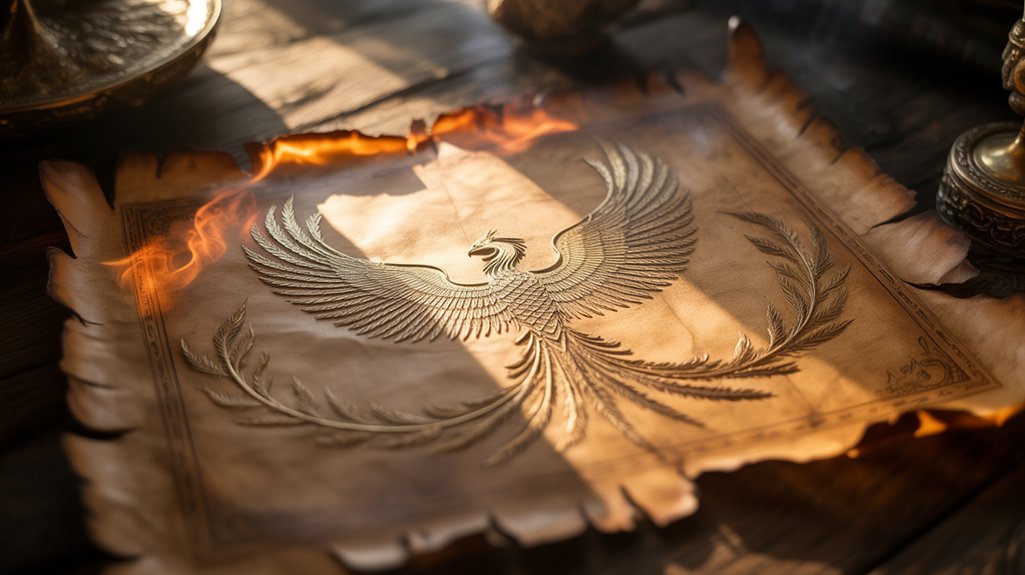
You encounter the Fenghuang—the Chinese Phoenix—as a creature born from primordial flame, its essence intertwined with the cyclical dissolution and regeneration that governs cosmic order across millennia of Eastern philosophy.
This eldritch being evolves through fire not as destruction but as metamorphosis, its immolation representing the necessary collapse preceding renewal, a principle encoded in Daoist cosmology and manifested through countless artistic renderings spanning dynasties.
When paired with the dragon in ancient iconography, the Phoenix completes the yin-yang duality, its appearance throughout history marking epochs of prosperity, its crimson plumage carrying prophecies of peace through the smoke of its own becoming.
Phoenix Origins and Mythology
When ancient civilizations gazed upon the sun's daily descent into darkness and its inevitable resurrection at dawn, they recognized within this celestial rhythm a profound truth about existence itself—one that would crystallize into the mythological form of the phoenix.
You'll find this eldritch creature emerging from both Greek and Egyptian cosmologies, each tradition weaving distinct threads of phoenix symbolism into humanity's collective understanding of immortality. The Greeks called it φοῖνιξ, linking it to Phoenicia's purple dyes and solar worship.
Egypt's Bennu bird preceded this, perched upon the primordial ben-ben stone in Heliopolis. Both cultures understood phoenix representation as cyclical renewal—death wasn't termination but alteration.
Fire became purification's vessel, burning away corruption to reveal what's eternal within you. This wasn't mere metaphor; it was sacred knowledge.
Symbolism of Fire Transformation
Fire doesn't merely destroy in phoenix mythology—it discriminates, consuming the temporal while sanctifying what's imperishable within the bird's form.
You'll find this fire symbolism operates as cosmic purification, burning away decay while catalyzing change narratives across Greek, Egyptian, and Chinese traditions. The flames become threshold—neither beginning nor end, but liminal passage where you witness the eldritch paradox of simultaneous death and genesis.
Within these conflagrations, the phoenix doesn't simply survive; it alters suffering into renewal, demonstrating that destruction contains creative potential. You're observing alchemical metamorphosis made manifest, where fire serves as catalyst for your own resilience.
The phoenix's immolation reveals essential truth: change demands sacrifice, yet promises resurrection. This chimeric creature teaches that through embracing life's consuming fires, you'll emerge perpetually reborn.
Cultural Significance Across Civilizations
Across civilizations separated by vast oceans and millennia, the phoenix emerged not as singular myth but as collective archetype—what you might call humanity's shared fever dream of perpetual renewal.
In ancient Greece, resurrection manifested through immolation's purifying flames. China's Fenghuang danced alongside dragons, weaving masculine and feminine energies into chimeric harmony.
These cultural interpretations weren't mere folklore. They were eldritch truths encoded in symbol. When you trace mythical symbolism across dynasties and empires, you'll find the phoenix appearing precisely when societies needed hope most—a flame-born oracle promising that destruction births creation.
The pattern holds: self-immolation, centuries of life, cyclical rebirth. Your ancestors recognized what modernity forgets. Endings aren't terminal. They're metamorphic portals where ashes become genesis, where prosperity rises from adversity's smoking ruins.
Gaming Dragons and Digital Talismans

As digital territories have evolved into complex mythological landscapes of their own, the dragon—that most revered of chimeric guardians—has undergone a profound alteration from ancient cave-dwelling terror to pixelated protector.
You'll discover dragon companions serving as conduits of fortune within virtual domains, their Eastern manifestations embodying wisdom and protection, while Western iterations channel primordial ferocity. These digital talismans function as potent artifacts, enhancing your character's capabilities through mechanisms that mirror traditional folkloric practices.
Consider how these eldritch beings serve your quest for liberation:
- Virtual dragon-themed artifacts amplify success rates, granting you agency over seemingly predetermined outcomes.
- Quest narratives change dragons from adversaries into allies, reflecting your personal journey toward mastery.
- Cultural dragon symbolism strengthens diverse playstyles, honoring heritage while offering strategic advantages.
- Collectible guardian spirits provide psychological fortification, strengthening your resolve through symbolic presence.
Your engagement with these creatures transcends mere entertainment—it represents participation in an evolving mythology where ancient archetypal power merges with contemporary digital sovereignty.
Cognitive Bias Explains Belief Persistence
While your mind embraces these digital dragons as conduits of fortune, neurological architecture simultaneously constructs invisible frameworks that perpetuate such convictions regardless of empirical validity.
Confirmation bias weaves through consciousness like eldritch tendrils, selecting only those narratives that substantiate predetermined chimeric truths. You recall vivid leprechaun tales, dragon legends—availability heuristic alters these memories into evidence. Statistical probability dissolves.
Your mind cherry-picks mythical memories as proof, transforming folklore into facts while probability evaporates beneath confirmation's ancient grip.
Cognitive dissonance theory reveals uncomfortable reality: contradictory evidence threatens identity itself, prompting rejection rather than acceptance. Your grandmother's horseshoe story outweighs laboratory findings. Always.
The Dunning-Kruger effect compounds this phenomenon, where limited mythological understanding breeds unwarranted certainty about draconic protection, faerie intervention.
Belief reinforcement mechanisms operate through cultural narratives, folklore functioning as communal architecture binding societies across millennia.
These stories aren't mere entertainment—they're survival strategies, psychological shields against chaos. When you invoke these creatures' protective powers, you're accessing belief systems refined through countless generations, networks of meaning transcending rational scrutiny, residing instead in limbic depths where symbols possess tangible force.
Modern Anxiety and Control Needs
Contemporary existence confronts you with unprecedented informational velocity—stock markets convulsing across time zones, climate projections materializing in real-time devastation, algorithmic forces reshaping employment landscapes overnight.
This torrential uncertainty strips away the illusion of mastery you once possessed. Your ancestors invoked eldritch dragons, chimeric guardians carved into doorways, talismanic koi fish swimming against impossible currents—not from superstition, but from profound psychological necessity.
These anxiety management protocols function as control mechanisms, tangible anchors when reality fractures into chaos.
When you display a jade dragon or wear a protective amulet, you engage ancestral rituals that structure response patterns against the unpredictable. Research demonstrates that such symbolic practices improve perceived agency, creating neural pathways that convert helplessness into measured action.
The Chinese dragon's celestial authority, the Japanese koi's upstream determination—these aren't mere decorations. They're psychological technologies your autonomy demands, reformative instruments that restore equilibrium when modern existence threatens to overwhelm your fundamental need for self-determination.
Symbols Endure, Meanings Evolve
Though dragons once commanded rain from celestial palaces and phoenixes heralded dynastic legitimacy, these same creatures now materialize as startup logos, cryptocurrency emblems, resilience tattoos inked across modern flesh.
You witness symbolic evolution unfolding across centuries—the Chinese dragon's alteration from imperial monopoly to communal celebration during Lunar New Year festivals demonstrates how power redistributes through cultural adaptations.
Koi fish shed their ancient associations with fertility and immortality, emerging instead as corporate metaphors for upstream perseverance. The crane's thousand-folded origami incarnations grant wishes through patient repetition rather than eldritch intervention.
These chimeric beings survive precisely because they accommodate reinterpretation. You inherit symbols whose forms persist while meanings flux—elephants shift from sacred vehicles of deities to desk ornaments promising wealth, leprechauns from territorial guardians to commercialized mascots.
The mythical endures not through rigid preservation but through transformation, adapting to your contemporary anxieties while retaining ancestral resonance. Ancient protection becomes modern agency.
Frequently Asked Questions
Which Mythical Creatures Are Considered Unlucky in Different Cultures?
You'll encounter unlucky creatures across diverse cultural beliefs: the raven, bearer of death in Celtic traditions; Japan's kitsune, whose nine tails herald catastrophic deception; the chimeric Banshee of Irish lore, her eldritch wails presaging doom.
Germanic cultures feared the Nachzehrer, corpse-eater dwelling in liminal spaces between worlds. In Slavic mythology, the Kikimora brought household misfortune, while Arabian djinn, when angered, released devastating chaos.
These entities weren't mere superstition—they embodied humanity's primal understanding of cosmic imbalance, ancient warnings etched into collective consciousness.
How Do I Choose the Right Protective Creature Symbol for Myself?
Ironically, you can't choose your guardian—it chooses you through dreams, ancestral whispers, eldritch synchronicities.
Your personal connection manifests through recurring encounters, unexplained pull toward specific imagery.
Study the cultural significance of creatures resonating with your heritage: Celtic selkies, Japanese kitsune, Mesoamerican nahuals.
Notice which chimeric forms appear during liminal moments. Trust your visceral response.
The authentic protective spirit won't require forced devotion; it'll emerge from shadow-memory, claiming you as its ward through undeniable recognition.
Can Wearing Mythical Creature Jewelry Actually Bring Me Good Luck?
While mythical creature jewelry won't defy physics, you'll find its power lies in psychological anchoring—the cultural significance embedded in these eldritch symbols activates your intentionality.
Ancient civilizations understood this: when you wear a dragon pendant or phoenix ring, you're engaging with millennia of mythical symbolism that shapes consciousness.
The talismans work through belief, focus, and historical resonance. They're catalysts for self-directed fortune, not supernatural interventions.
Your conviction determines their efficacy.
What Are the Most Popular Mythical Creature Tattoos for Protection Today?
Cutting to the chase, you'll find dragon tattoos dominating contemporary protective ink—serpentine coils from Chinese traditions (circa 3rd millennium BCE) intertwining with Norse Jörmungandr.
Phoenix designs emerge as profound second choices, their cyclical resurrection encoded in Egyptian Bennu iconography.
These eldritch symbols aren't mere decoration; they're chimeric guardians etched into your skin, channeling ancestral wisdom.
Such permanent marks liberate you from uncertainty, altering flesh into sacred armor against malevolent forces, ancient knowledge meeting modern autonomy.
Do Children Respond Differently to Mythical Creature Symbols Than Adults?
You'll discover children's perceptions gravitate toward wonder and playfulness—dragons become companions, unicorns promise adventure. Their neural pathways haven't yet crystallized into rigid symbolic frameworks.
Adults, conversely, seek deliberate adult symbolism: phoenixes representing rebirth from existential ashes, chimeric guardians warding against specific fears.
Ancient cultures understood this distinction. Egyptian initiates learned deeper mysteries of Thoth only after childhood's end.
You're witnessing developmental psychology intersecting with eldritch tradition—innocence versus intentionality, spontaneous magic versus nurtured protection.
Conclusion
You've journeyed through millennia of chimeric guardians, from Mesopotamian lamassu to pixelated dragons haunting your screens. These eldritch protectors endure because you need them—anchors against chaos, talismans for uncertain futures. Can ancient symbols truly shield modern anxieties? Perhaps that's irrelevant. What matters: you still reach for these liminal creatures, altering phoenixes and dragons into whatever protection this particular century demands. The forms shift, the hunger for safeguarding remains eternal, primal, undeniably human.