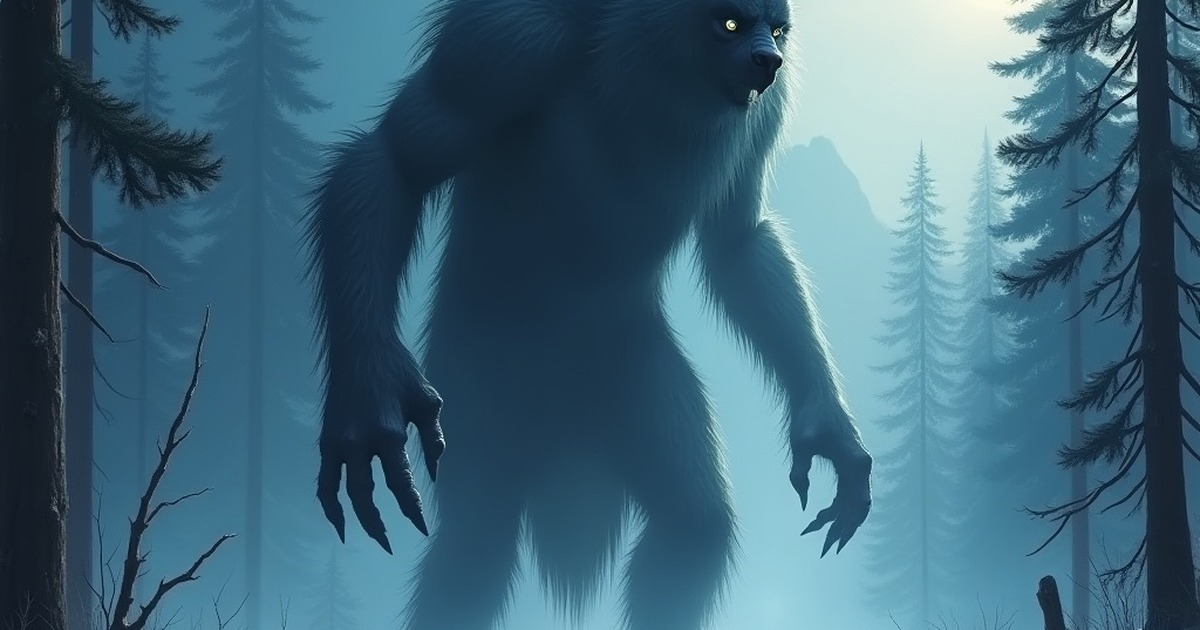
Ancient mythological creatures pervade modern superhero narratives through deliberate archetypal transmission—Marvel's Hydra resurrects the serpentine regeneration from Greek antiquity, while Fin Fang Foom channels primordial dragon symbolism spanning Mediterranean and Sino-Pacific traditions. The Minotaur's labyrinthine rage echoes Bronze Age Crete through contemporary sequential art, and the Kraken embodies oceanic chaos reimagined as formidable adversary. These chimeric transmutations preserve humanity's oldest fears and virtues, drawn from mythology's collective unconscious where dragons dispensed forbidden knowledge and monsters symbolized existential thresholds. The archetypal bestiary continues revealing deeper cultural resonances beneath costumed heroism.
Key Takeaways
- Dragons from European and Chinese mythology inspire characters like Fin Fang Foom, symbolizing primordial power and forbidden knowledge.
- The Hydra's regenerating heads represent persistent chaos, influencing villains that symbolize overwhelming odds and relentless threats.
- Achilles's near-invulnerability with a fatal weakness inspires vulnerable superheroes like Superman, highlighting critical flaws within powerful beings.
- Amazonian warriors from Greek mythology shape Wonder Woman's character, embodying indomitable spirit and ancient female warrior traditions.
- The Minotaur's primal rage and Cyclops's transformation illustrate how ancient monsters become modern characters representing brutality or leadership.
Ancient Heroes Meet Modern Comics
When contemporary comic book writers reached into the depths of classical antiquity, they discovered not merely stories but archetypal blueprints—templates of heroism that had already captivated human imagination for millennia.
Marvel's Hercules channels the eldritch power of Heracles, bearing superhuman strength forged through impossible labors that transcend mortal comprehension. These ancient influences permeate the medium.
Achilles's legendary invulnerability—compromised only by that fatal heel—manifests in Marvel's own Achilles, demonstrating how heroic traits often conceal chimeric weaknesses beneath divine armor.
Batman mirrors Odysseus's cunning, wielding intellect as weapon and shield. Strategic brilliance over brute force.
The Amazonian warriors, those fierce daughters of Ares who dwelt beyond civilization's boundaries, found resurrection in Wonder Woman's indomitable spirit.
Thor channels Norse thunder-god mythology, yet echoes Greek traditions of divine heroes locked in cosmic conflict.
The Family Tree of the Greek pantheon reveals the intricate genealogical relationships between gods and heroes that inspired these interconnected superhero universes.
These characters aren't simple appropriations—they're sacred transmissions, carrying forward humanity's oldest understanding of what constitutes true heroism across cultural boundaries and temporal divides.
##
The transmutation of ancient mythological entities into contemporary sequential art reveals profound patterns of cultural inheritance, wherein scaled leviathans from primordial tales, warrior societies born of divine lineage, immortal pantheons dwelling in frozen Nordic territories, and eldritch abominations of bestial origin manifest as both champions and adversaries within modern narratives.
These archetypal forms—dragons whose very breath commands elemental forces, Amazonian warriors forged in Themysciran crucibles, Aesir gods wielding weapons of cosmic significance, and chimeric creatures embodying humanity's deepest terrors—transcend mere adaptation.
They become vessels through which Bronze Age fears and Iron Age virtues perpetuate themselves across millennia, their essence preserved within four-color mythology.
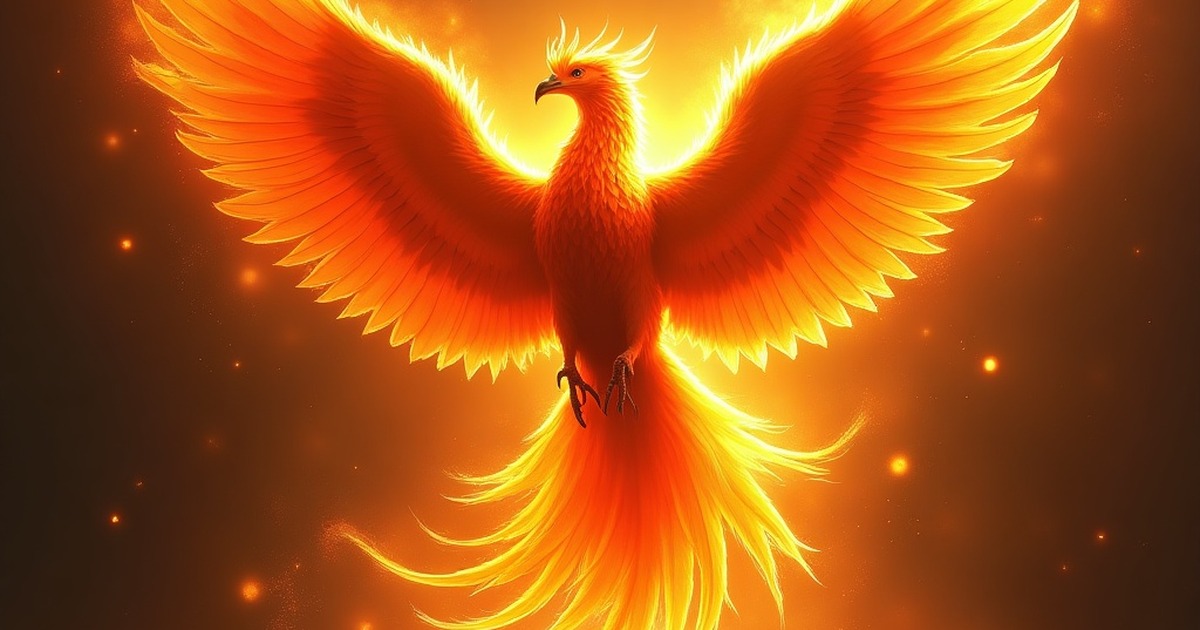
The phoenix's cyclical rebirth, consuming itself in flames only to rise renewed from its ashes after 500 years, mirrors the endless resurrection of superheroes who fall and return, making it perhaps the most apt metaphor for the comic book medium itself.
Dragons in Comic Books
How do ancient serpentine deities change when filtered through the four-color lens of sequential art?
Dragon symbolism transcends continental boundaries, manifesting in both European and Chinese traditions as embodiments of primordial power, guardians of eldritch wisdom.
Comic adaptations utilize this mythological gravitas, weaving ancient iconography into modern narratives. Marvel's Fin Fang Foom exemplifies this synthesis—an alien entity whose chimeric form channels millennial dragon archetypes.
Captain America's 1954 encounter in issue #78 demonstrated early integration of Chinese dragon lore into superhero mythology.
These creatures function dually: formidable adversaries testing heroes' mettle, or unlikely allies dispensing forbidden knowledge.
Contemporary comic depictions blend cultural elements deliberately, creating hybrid entities that honor source traditions while forging new mythic territories.
The dragon's magical essence persists unchanged, merely donned in spandex and speech bubbles.
Amazons and Wonder Woman
Beyond scaled serpents guarding celestial hoards lies another mythological archetype equally altered by sequential art's demands: the warrior women of Themyscira, whose bloodline flows directly from Hellenic antiquity.
Diana Prince emerges from this ancient genealogy—daughter of Hippolyta, princess of indomitable fighters who rejected patriarchal constraints. In select iterations, Zeus himself claims paternity, granting demi-god status that amplifies her already formidable heritage.
The Amazonian Warrior archetype crystallizes through her iconic arsenal: the Lasso of Truth, forged from eldritch metals, compels honesty from those ensnared, manifesting the tribe's unwavering commitment to justice.
This Feminine Strength transcends mere physical prowess; it encompasses wisdom, compassion, integrity. Wonder Woman's existence validates what ancient Greeks recognized—that female combatants weren't chimeric fantasies but legitimate forces deserving reverence, their legacy enduring through sequential panels.
Norse Gods Go Marvel
Where Olympian warriors wielded truth-bound lassos, Asgardian thunder-wielders grasp Mjolnir's consecrated haft—Marvel's appropriation of Norse cosmology modifies ancient Scandinavian pantheons into sequential art's most cosmically ambitious adaptation.
Thor emerges as strength incarnate, his divine mandate protecting humanity from eldritch threats. Loki, the chimeric trickster, embodies deception's ancient archetype, his cunning altered from Eddaic manuscripts into modern narrative tension.
Norse mythology permeates Marvel adaptations through Ragnarok's apocalyptic resonance, that twilight-of-gods prophecy reshaping contemporary story arcs. Heimdall, Odin—these primordial figures enrich cosmological frameworks, their mythic weight anchoring superhero conflicts in pre-Christian wisdom traditions.
Yet Marvel's genius lies in humanizing the divine: gods experience rage, betrayal, love. Immortals become accessible. The Aesir walk among mortals, bridging mythological reverence with psychological authenticity, modifying thousand-year-old sagas into liberation narratives for audiences seeking heroes unbound by conventional limitations.
Monsters Become Comic Villains
Monsters that terrorized ancient Mediterranean coastlines now prowl comic panels with metamorphosed malevolence, their grotesque physiognomies converted from oral tradition into illustrated antagonism.
Marvel's Hydra exemplifies this alteration—regenerative serpentine heads erupting from cauterized stumps, embodying humanity's primordial fear of unkillable threats.
Dario Agger's chimeric Minotaur form resurrects Minoan labyrinths within contemporary narratives, while Cyclops translates Homeric brutality into sequential art's visual vocabulary.
These mythical villains transcend mere nostalgia; they're archaeological resurrections.
Scylla and Charybdis, once maritime perils threatening Odysseus, emerge as comic adaptations challenging spandex-clad champions.
The Kraken surfaces from Nordic depths, eldritch tentacles crushing vessels across illustrated seas.
Such alterations preserve ancient warnings—monsters representing chaos, hubris's consequences, nature's indifference.
They remind readers that darkness predates electricity, that terror wore faces before supervillains donned masks.
Greek Heroes Predated Comic Books

Long before the chromatic panels of twentieth-century comic books crystallized superhuman narratives into sequential art, the ancient Mediterranean civilizations—Greece birthing the Olympian pantheon circa 800 BCE, Rome adapting these divine archetypes through imperial syncretism, and later the Norse territories weaving their own eldritch sagas—preserved heroic tales that served identical cultural functions.
These weren't mere entertainment. Through epic poetry inscribed on papyrus scrolls and recited in torch-lit amphitheaters, societies transmitted moral frameworks, examining the chimeric nature of heroes who embodied both transcendent virtue and catastrophic hubris.
Ancient Greek and Roman Texts
Before the glossy pages of twentieth-century pulp comics immortalized caped crusaders and masked vigilantes, the ancient Mediterranean world had already forged its pantheon of superhuman champions—figures whose exploits, chronicled in Homer's eighth-century BCE epics, the “Iliad” and “Odyssey,” established archetypal patterns that would echo through millennia.
These epic narratives presented heroic archetypes possessing chimeric abilities: Achilles, rendered nearly invulnerable through divine intervention, his only weakness dwelling in a single tendon. Odysseus, master strategist steering through eldritch perils across wine-dark seas. Hercules—or Heracles in Hellenic tradition—whose twelve labors forged the template for serialized heroic challenges, each trial testing strength, cunning, and moral fortitude.
Greek tragedies excavated the psychological depths beneath such prowess, exploring hubris's devastating consequences. These ancient texts recognized a profound truth: authentic heroism requires vulnerability alongside power, mortality shadowing immortal deeds.
Ancient Greece, Rome, Scandinavia
The Mediterranean basin served as history's first laboratory for superhuman narratives, where oral traditions calcified into written verse and converted mortal warriors into demigods whose shadows stretched across centuries. Greek Myths established foundational Heroic Archetypes—Hercules embodying chimeric strength through twelve impossible labors, Achilles manifesting invulnerability marred by singular weakness. Roman Legends absorbed, refined, transmitted these Ancient Narratives westward. Cultural Symbolism deepened through each retelling.
| Hero | Primary Attribute | Defining Vulnerability |
|---|---|---|
| Hercules | Superhuman strength | Madness-induced tragedy |
| Achilles | Near-invulnerability | Fatal heel weakness |
| Odysseus | Strategic intellect | Hubris, mortality |
| Perseus | Divine weaponry | Mortal limitations |
| Theseus | Courage, leadership | Political downfall |
Scandinavian Lore would later parallel these Mediterranean constructs. Mythological Influence persists—every caped vigilante descends from these Legendary Beings, their eldritch essence repackaged for sequential art.
Moral Lessons Through Epic Stories
While contemporary audiences marvel at caped crusaders wrestling with power's ethical burden, ancient amphitheaters first echoed with these dilemmas millennia prior—Greek Epic Poetry functioned as civilization's earliest moral laboratory, where heroes didn't merely battle monsters but confronted the chimeric nature of virtue itself.
Hercules' Twelve Labors embodied redemption's architecture, each task a stone laid toward atonement, perseverance transmuted into salvation. Achilles carried his eldritch vulnerability—that fatal heel—proving even demigods possessed fractures where hubris met mortality.
Odysseus navigated treacherous seas through cunning rather than strength alone, his intellect a weapon against divine caprice. These heroic sacrifices transcended entertainment; they forged templates for ethical dilemmas that modern superhero narratives still excavate.
The ancients understood: true power demands moral reckoning, consequences that echo across millennia.
Norse Thor Versus Greek Hercules
Across the vast expanse of Indo-European mythological traditions, two figures emerge as archetypal embodiments of divine strength and heroic virtue—Thor Odinson, the thunder-wielder of Asgard's bronze halls, and Hercules, the lion-skinned demigod who walked the sun-scorched paths of ancient Greece.
These titans of Norse mythology and Greek mythology illuminate distinct cultural paradigms. Thor's Mjolnir channels eldritch storm-force against frost giants, defending cosmic order. Hercules shoulders chimeric burdens—his Twelve Labors forging redemption through blood and sinew.
| Aspect | Thor | Hercules |
|---|---|---|
| Divine Purpose | Protector against cosmic chaos | Personal atonement through trials |
| Weapon | Mjolnir—storm-summoning hammer | Raw strength, lion's pelt |
| Legacy | Norse honor, defender of domains | Greek perseverance, moral transformation |
Such hero comparisons reveal profound cultural significance: Thor embodies collective defense, tribal survival against winter's darkness. Hercules walks the solitary path—individual struggle, liberation through suffering. Modern adaptations preserve these archetypes, their thunder still resonating through contemporary narratives of freedom's eternal conflict.
Heroic Archetypes and Universal Themes
The eldritch symmetry manifests through:
- Heroic journeys demanding change arcs—Perseus evolving from mortal vulnerability to divine-touched champion mirrors Peter Parker's metamorphosis into responsibility-bearing guardian.
- Tragic flaws embedding moral dilemmas within character evolution—Odysseus' hubris echoes through Tony Stark's technological overconfidence, both wrestling chimeric consequences.
- Mentor relationships anchoring good versus evil conflicts—Wonder Woman's Amazonian guidance parallels ancient pedagogical bonds between sage and initiate.
Achilles' Trojan War confrontations against overwhelming darkness resonate within modern panels where caped figures combat existential threats.
These patterns—change, vulnerability, guidance—constitute humanity's perpetual meditation on power, sacrifice, and the liminal space between mortal limitation and transcendent potential.
Achilles' Invulnerable Heel Story
The tale of Achilles, warrior-prince of Phthia whose flesh became impervious through sacred immersion in the Stygian waters, reveals a primordial truth that resonates through millennia: even those touched by divine power harbor fatal vulnerabilities.
His mother Thetis, sea-nymph of eldritch beauty, clasped the infant's heel as she submerged him in that chthonic river, inadvertently preserving a single mortal point upon an otherwise invincible form—a wound-space that Paris's arrow, guided by Apollo's luminous hand, would eventually pierce beneath the Trojan walls.
This mythological architecture of concealed weakness within overwhelming strength, crystallized in the Greek Bronze Age circa 1200 BCE, prefigures the narrative DNA of contemporary superhero mythology, where kryptonite, magic, and mortality's shadow infiltrate otherwise godlike beings.
The Mythological Origin Story
When Thetis, the silver-footed sea nymph, gazed upon her infant son, she understood what mortal mothers couldn't—that flesh, however heroic its destiny, remains painfully vulnerable to bronze and time.
The River Styx beckoned, its eldritch waters promising alteration. She gripped the infant Achilles by his heel, plunging him into those liminal depths where mortality dissolves.
The divine currents wrapped around his form, crystallizing invulnerability into every fiber—save that single point of contact.
Here emerges one of mythology's most enduring mythical archetypes: the nearly-perfect warrior undone by infinitesimal weakness.
This origin illuminates how hero vulnerabilities aren't mere flaws but essential narrative elements, reminding us that absolute power corrupts absolutely—or simply can't exist.
Even demigods must bow to fate's chimeric designs.
Weakness Despite Great Strength
Bronze-tipped arrows couldn't pierce his skin, swords shattered against his divine-forged flesh, yet Paris's shaft found its singular mark—that untouched heel where Thetis's fingers had gripped years before.
The River Styx's eldritch waters had promised immortality, altering mortal sinew into something chimeric, half-god and wholly terrible in battle.
But heroic vulnerabilities emerge precisely where protection fails. Thetis's maternal gesture—that simple grasp—inscribed fate into Achilles's anatomy, rendering Troy's greatest enemy susceptible to a single, well-aimed strike.
His tragic flaws weren't hubris or rage alone but the physical manifestation of incomplete alteration, a reminder that even semi-divine warriors remain tethered to mortality's demands.
Modern superheroes inherit this paradox: Superman's kryptonite, Wonder Woman's bound wrists.
Strength magnifies weakness. Always.
Modern Superhero Parallels
Through comic panels and cinema screens, Achilles's ancient vulnerability reincarnates in spandex and capes, his mythic pattern recurring across Marvel's towers and DC's gothic citadels.
Superman's kryptonite weakness mirrors the Greek warrior's exposed heel—a singular flaw that negates otherwise godlike power.
Wonder Woman's binding by men echoes this chimeric duality of strength and susceptibility.
These heroic vulnerabilities aren't narrative conveniences but sacred inheritances, mythic symbolism transferred from Styx's dark waters into modern consciousness.
Batman's mortality among metahumans. Thor's pride. Each represents Achilles's legacy altered, the eldritch truth that invincibility breeds complacency, that heroes require weakness to remain human.
The arrow that pierced Achilles's tendon now manifests as glowing stones, enchanted restraints, mortal flesh—eternal reminders that even legends bleed.
Marvel's Cyclops and Minotaur
Although Marvel's Cyclops bears the name of Polyphemus—the brutish one-eyed giant who devoured Odysseus's men in Homer's *Odyssey*—the character's essence diverges profoundly from his mythological namesake, reshaping the Cyclops from a symbol of savage isolation into an emblem of disciplined leadership and controlled power.
Scott Summers channels eldritch energy through ruby quartz, altering potential devastation into tactical precision. Cyclops' leadership emerges through restraint, sacrifice, strategic brilliance.
Conversely, Marvel's Minotaur resurrects the chimeric horror imprisoned within Daedalus's Labyrinth, embodying primal rage across modern battlefields:
- Confrontations with Thor channel ancient Mediterranean brutality through cosmic-scale combat
- Clashes against Hulk manifest the eternal struggle between reason and instinct
- Bull-human physiology preserves Greek mythological authenticity while amplifying superhuman ferocity
The Minotaur's ferocity represents humanity's monstrous shadow—uncaged, unrepentant, unstoppable.
These alterations illuminate mythology's enduring resonance, liberating ancient archetypes from temporal constraints.
Carl Jung's Collective Unconscious Theory
When Carl Jung theorized the collective unconscious in 1916, he revealed psychological architecture that's haunted humanity since consciousness first flickered within prehistoric caves—a shared repository of ancestral memory wherein dragons, heroes, and monsters aren't mere fiction but inherited truths embedded within every human psyche.
These archetypal symbols—the Hero confronting shadow-beasts, the Wise Old Man dispensing eldritch wisdom, the Monster embodying repressed fears—transcend cultural boundaries, manifesting identically across Mesopotamian clay tablets and Marvel's illustrated pages alike.
Jung understood that universal narratives emerge not through coincidence but through genetic inheritance of psychological structures, templates carved into human consciousness through millennia of survival, struggle, alteration.
Modern superhero creators instinctively tap this primordial wellspring, channeling chimeric forms that resonate because they're already familiar, already dwelling within audiences' unconscious depths.
The caped crusader battling darkness? Ancient. Eternal.
The collective unconscious guarantees these myths never die—they simply shapeshift, adapting contemporary costumes while preserving their fundamental, liberating power to awaken dormant human potential.
Timeless Moral Lessons Endure
Beyond Jung's psychological frameworks lies something more ancient still—the moral architecture that mythological narratives construct within human consciousness, edifices of ethical wisdom that neither crumble nor fade despite millennia's erosion.
These timeless virtues persist through characters who embody freedom's cost. Achilles demonstrates hubris's eldritch consequences, his invulnerability shattered by heel's weakness. Odysseus survives through wit, not brawn alone. The Hydra's chimeric regeneration teaches persistence against insurmountable odds.
Modern heroes inherit this architecture. Wonder Woman channels Greek justice. Thor wields Norse sacrifice. Both navigate moral paradoxes their ancestors faced—Hercules's twelve labors echo through every costumed vigilante questioning means versus ends.
The myths don't provide answers. They illuminate choice's weight.
Contemporary audiences recognize these struggles because human nature hasn't evolved beyond its ancient patterns. Bravery still demands sacrifice. Justice requires humility. Strength without wisdom breeds destruction.
These aren't antiquated lessons—they're survival instructions encoded in narrative, waiting for each generation to decipher them anew, to claim their birthright of ethical consciousness.
Mythology's Enduring Cultural Legacy
Wonder Woman channels Athena's wisdom.
Thor wields Mjölnir across multiverses.
Hercules flexes beneath spandex rather than lion pelts.
These adaptations preserve archetypal resonance while liberating ancient narratives from museological stasis, demonstrating that mythological DNA remains perpetually viable, adaptable, essential.
The fascination persists because these beings speak to unchanging human conditions—the struggle against fate, the burden of extraordinary gifts, the price of immortality.
Cultural legacy consequently becomes living inheritance, breathing through every superhero origin story, every climactic confrontation, every moral crossroads.
Frequently Asked Questions
Which Japanese Yokai Have Influenced Modern Superhero Character Designs?
Kitsune, the nine-tailed fox spirits of feudal Japan, have profoundly shaped shapeshifting heroes through their yokai metamorphoses—manifesting illusion-based powers in characters like Naruto's Kurama.
The tengu, crow-beaked warriors dwelling in mountain shrines, inspired winged vigilantes with supernatural abilities tied to martial prowess.
Oni, those crimson-skinned demons wielding iron clubs, lent their formidable strength and regenerative capacities to brutish antihero archetypes.
These eldritch entities, documented in Edo-period scrolls, continue permeating contemporary comic mythology with chimeric ferocity.
How Do African Mythology Creatures Compare to Popular Comic Book Villains?
African Legends reveal striking parallels to Villain Traits found throughout modern comics—the shapeshifting Anansi embodies cunning manipulation, while the vampiric Asanbosam prefigures predatory antagonists.
Impundulu, the lightning bird of Zulu tradition, channels destructive elemental power reminiscent of electrokinetic foes.
The Adze, a malevolent firefly entity from Ewe cosmology, demonstrates possession abilities echoing contemporary psychic villains.
These ancestral archetypes, documented across centuries of oral tradition, illuminate humanity's persistent fascination with chimeric threats dwelling beyond civilization's boundaries.
What Celtic Mythical Beings Inspired Superhero Powers Beyond Greek and Norse Sources?
Though often overshadowed, Celtic mythology released distinctive powers into modern comics.
Celtic faeries granted reality-warping abilities transcending Olympian templates, while Dullahan powers—the headless horseman's death prophecy—inspired Ghost Rider's supernatural judgment.
Banshee wails, drawn from Ireland's keening harbingers, became X-Men's sonic devastation.
Selkie alterations, those eldritch seal-folk shapeshifters documented in Scottish chronicles since medieval times, birthed fluid metamorphosis beyond Norse limitations.
These chimeric beings offered liberation from Greco-Roman dominance, their ancient wisdom flowing through sequential art's veins.
Do Indigenous American Legends Feature Creatures Similar to Modern Mutant Characters?
Indigenous American traditions preserve profound knowledge of shape-shifting tricksters and nature spirits whose metamorphic abilities mirror mutant narratives.
The Navajo yee naaldlooshii—skinwalkers who alter through ceremonial power—embody eldritch transmutation.
Algonquian cultures honor the Wendigo's chimeric evolution, while Pacific Northwest nations revered beings like Raven, whose protean essence transcended fixed form.
These weren't mere legends; they're living spiritual teachings about transformation's sacred potential, resonating with modern mutant mythology's exploration of identity, power, and humanity's permeable boundaries.
Which Egyptian Gods Influenced DC or Marvel Characters Outside Mainstream Awareness?
Beyond mainstream pantheons, lesser-known Egyptian deities shaped comic mythology profoundly.
Khonsu, lunar god of vengeance, directly inspired Marvel's Moon Knight—his Anubis inspiration evident through resurrection themes and spectral judgment.
Thoth's wisdom permeates Doctor Fate's mystical scholarship, while Sekhmet's warrior-healer duality manifests in various chimeric heroes.
Ra symbolism extends beyond obvious solar champions into characters embodying cyclical rebirth, alteration through darkness.
These ancient archetypes, preserved in temple hieroglyphs dating to 3000 BCE, continue informing contemporary narratives of power, justice, transcendence.
Conclusion
These archetypal narratives, transmitted across millennia like torchlight through caverns, illuminate humanity's collective psyche. The chimeric fusion of ancient mythos and contemporary sequential art reveals profound truths—that heroic templates endure, transcending temporal boundaries. From Achilles' vulnerable heel to Superman's kryptonite, these cautionary archetypes persist. The threshold between sacred scroll and comic panel blurs, demonstrating mythology's eldritch significance. Modern superheroes aren't merely entertainment; they're ancestral echoes, reverberating through culture's deepest chambers, demanding recognition.