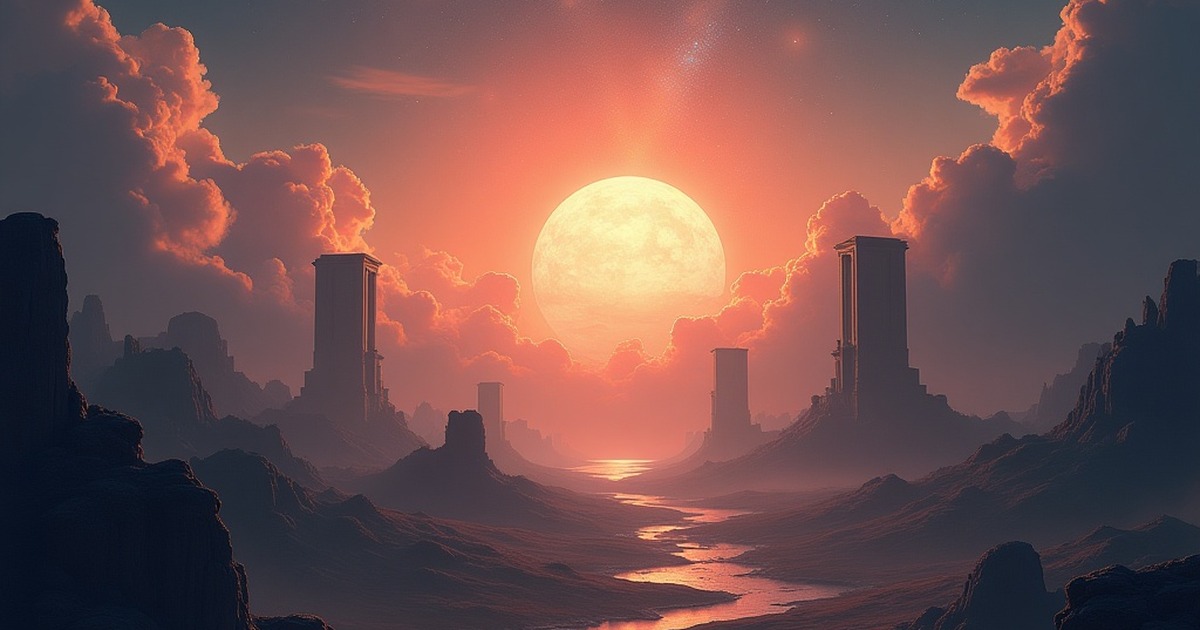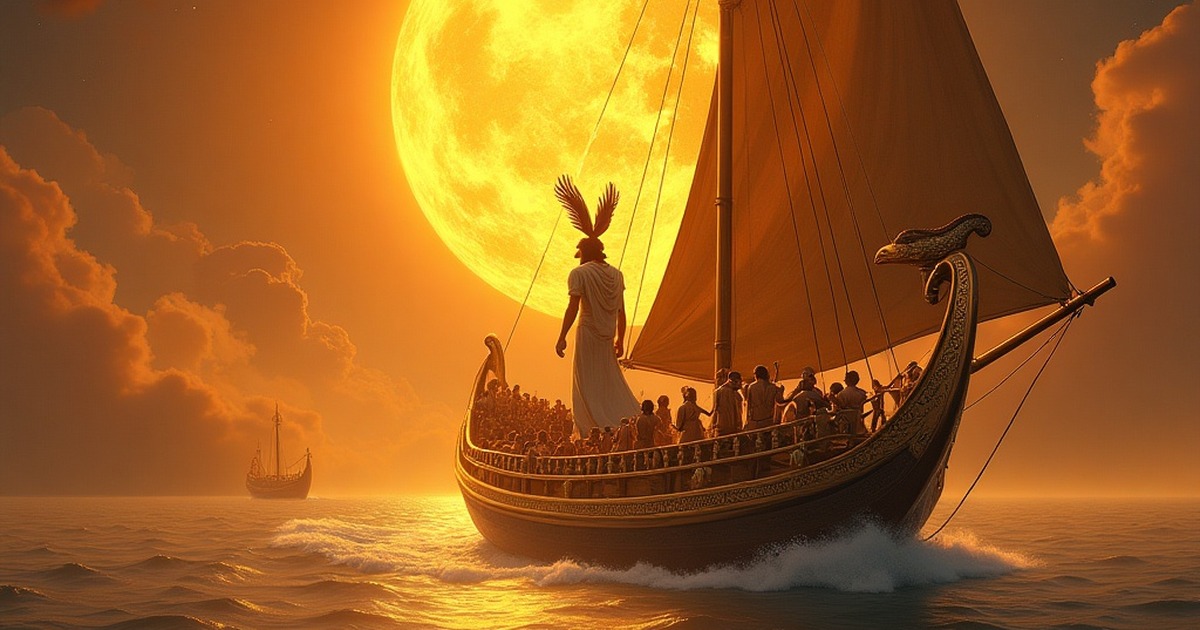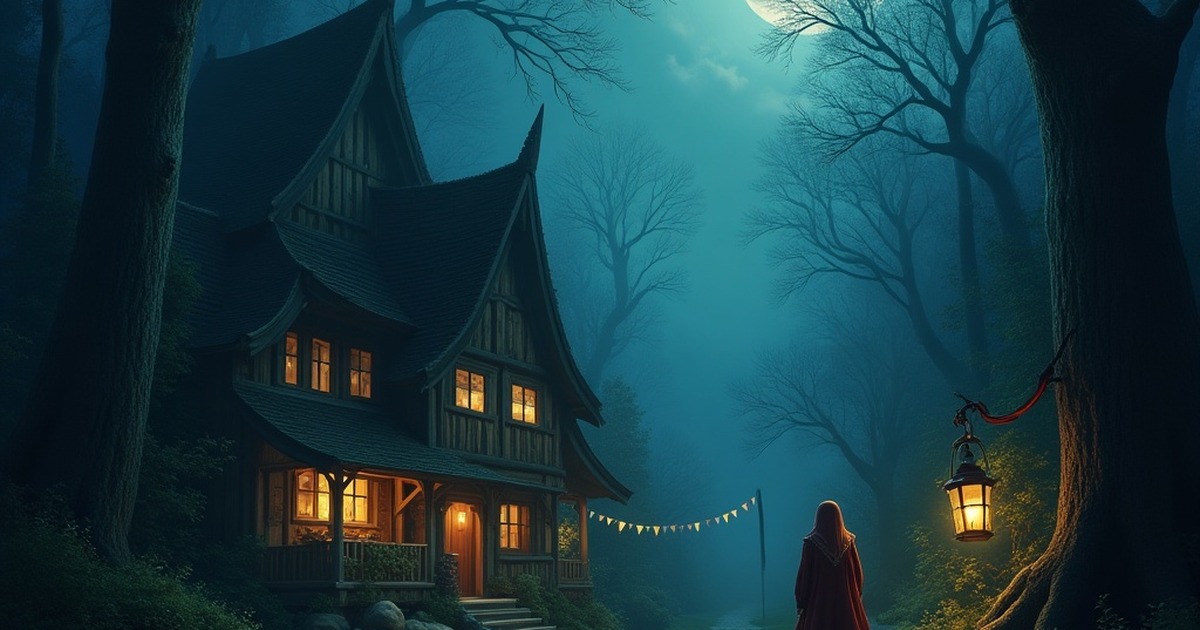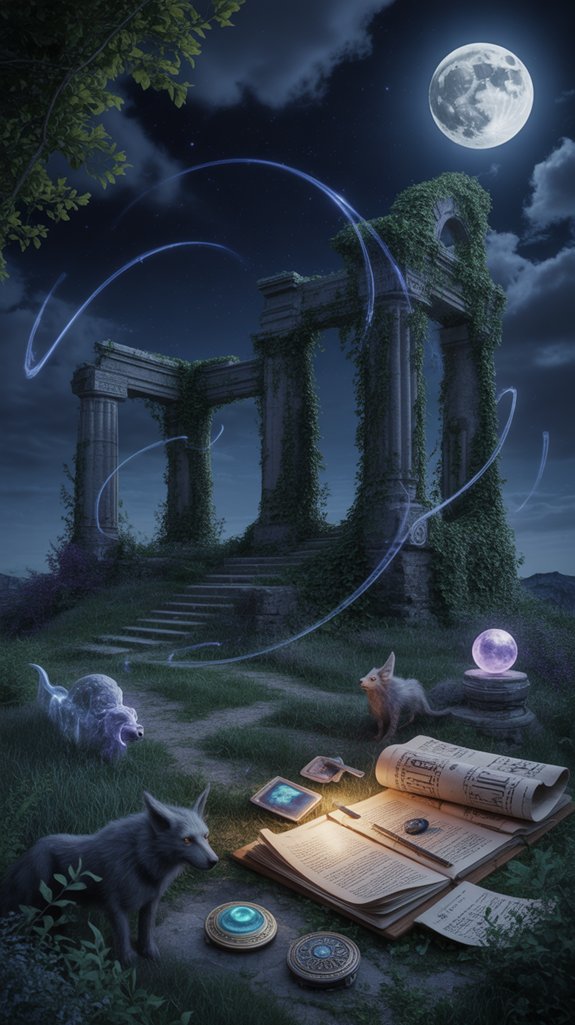
You'll find the Moon's mythology woven through humanity's oldest changes—from European werewolves emerging under lunar fullness to Southeast Asian weretigers embodying chimeric duality. Ancient Mesopotamian scribes documented Sin's dominion across two millennia of cuneiform tablets, while nocturnal guardians like owl-spirits challenged midnight wanderers through eldritch encounters. The term “werewolf” itself combines Old English “wer” (man) and “wulf,” reflecting civilization's perpetual tension with primal instincts that surface when rational boundaries dissolve beneath celestial radiance. These lunar transformations persist through contemporary narratives, agricultural calendars, and the very language—”lunacy,” “moonstruck”—that reveals ancestral wisdom about what changes within us when darkness falls.
Key Takeaways
- The Moon influences human transformation myths across cultures, triggering shapeshifting in werewolves, weretigers, and kitsune during full moons.
- Werewolf legends symbolize humanity's fear of losing rational boundaries and surrendering to primal, animalistic instincts under lunar influence.
- Nocturnal spirit guardians like owls and bats embody the Moon's dual nature, both protecting travelers and testing them in darkness.
- Ancient Mesopotamian moon god Sin guided wanderers through night while regulating agricultural cycles tied to lunar phases and fertility rituals.
- Lunar phases represent spiritual transformation: new moons signal renewal, full moons celebrate abundance, and waning phases encourage reflective release.
The Moon's Primal Power
Since humanity first gazed upward through primordial darkness, the Moon has exerted an eldritch sovereignty over terrestrial existence, its luminous face commanding not merely the ocean's tides but the very rhythms of blood, breath, and becoming.
You'll find lunar mythology woven through every culture's fabric—Selene driving her silver chariot across Hellenic skies, Tsukuyomi emerging from Izanagi's right eye in Japanese cosmology.
These aren't mere stories. They're acknowledgments of power you've always felt but rarely named.
Moon symbolism penetrates deeper: fertility cycles synchronized with waxing crescents, agricultural calendations dictating survival itself, emotional states fluctuating with phases overhead.
Ancient peoples recognized what modern rationalism struggles to dismiss—that full moons genuinely alter behavior, stirring something chimeric within human consciousness.
The Moon doesn't simply illuminate darkness. It commands change, governs instinct, marks time's passage with celestial authority.
Your ancestors understood this primal truth intimately.
##
You stand at the threshold where moonlight births alteration, where the celestial body's silver radiance doesn't merely illuminate but fundamentally changes the flesh of those who bear its curse or blessing.
Across civilizations spanning from the Nahuatl *nagual* traditions of pre-Columbian Mexico to the Norse *vargúlfr* of medieval Scandinavia, lunar metamorphosis remains humanity's most persistent chimeric obsession, manifesting in beings who shed their human form beneath the full moon's unblinking gaze.
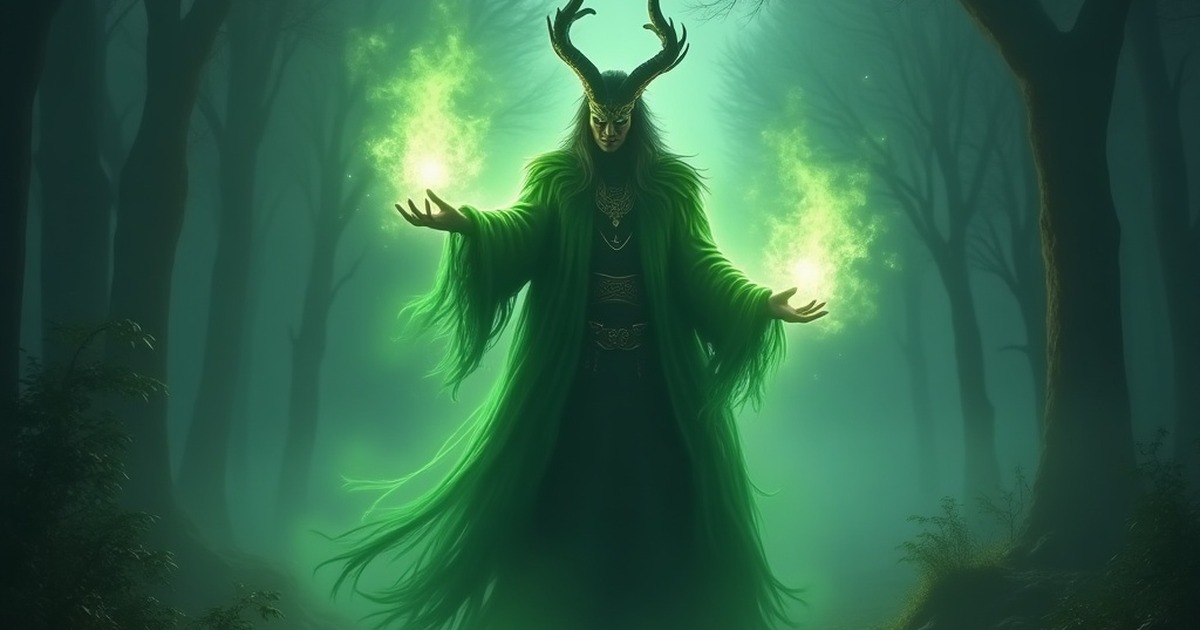
These moon-altered entities—werewolves stalking European forests, weretiger *harimau jadian* prowling Southeast Asian jungles, kitsune shifting beneath Japan's autumn harvest moon—serve as guardians, predators, and living embodiments of the night's eldritch sovereignty.
The Myth and Folklore Wiki preserves these transformation narratives as part of a community-driven platform where enthusiasts share knowledge across diverse mythologies and cultural traditions.
Moon-Transformed Creatures Worldwide
Throughout millennia of human observation, the Moon's cyclical alteration from darkness to luminous fullness has inspired one of mythology's most persistent archetypes: the creature who shifts between human and beast under lunar influence.
You'll discover Europe's werewolves, cursed souls surrendering to lupine ferocity beneath the full moon's eldritch glow. Native American traditions honor these mythical changes as sacred bridges between human consciousness and animal wisdom, lunar folklore embedded within spiritual cosmologies.
Japan's Tsukuyomi embodies chimeric duality, merging celestial and bestial essences. African narratives weave change into natural rhythms, the Moon commanding primal metamorphosis.
This duality persists across continents: enlightenment coexisting with savage instinct, civilization yielding to wilderness. The full moon doesn't merely illuminate—it liberates what civilization constrains, revealing humanity's untamed essence.
Werewolves and Shapeshifters
When ancient Greeks whispered of King Lycaon's blasphemous feast—human flesh served to Zeus himself, circa 450 BCE—they codified humanity's deepest terror: the dissolution of boundaries between rational man and ravenous beast.
You'll find these werewolf legends threading through European consciousness like silver moonlight through forest canopy, from Germanic territories to Celtic borderlands. The Old English “wer” and “wulf” unite in linguistic alchemy, naming that which shouldn't exist. Yet it does, in collective memory.
Shapeshifter myths persist because you recognize the chimeric nature within yourself—civilization's veneer cracking under primal impulse. Full moons trigger alteration, curse-marks passed through bite and blood, creating lycanthropes who embody your eldritch dread: that rationality itself remains provisional, breakable, eternally threatened by what lurks beneath consciousness.
Nocturnal Spirit Guardians
Beyond alteration's violent rupture lies something gentler yet no less potent—the silent watchers who've claimed dominion over darkness since humanity first feared the lightless hours.
You'll find these nocturnal spirit guardians embodied through owls, bats, creatures whose spirit symbolism transcends mere animal form to become lunar manifestations themselves. They're neither wholly benevolent nor entirely malign, existing in that eldritch space where protection and challenge merge.
These nocturnal myths reveal guardians who don't simply observe—they influence, shape, change your midnight encounters into something profound. The moon births them. They patrol shadow-realms where rational thought dissolves, where ancient wisdom whispers through wing-beats and luminous eyes.
Cultures worldwide recognize their dual nature: safeguarding sacred mysteries while testing those who'd traverse their domains, reminding you that darkness demands respect, not conquest.
Lunar Beasts in Folklore
Where guardians patrol boundaries between worlds, lunar beasts embody those boundaries themselves—chimeric manifestations that blur the threshold between human consciousness and primal chaos.
Consider the werewolf, that most infamous of mythical alterations, emerging beneath full moons to incarnate humanity's suppressed wildness.
You'll find similar lunar legends across continents: Congo's Mokele-Mbembe, dwelling in moonlit rivers, defying extinction's finality.
The Huldra materializes on Scandinavian forest paths during lunar phases, her seductive form concealing eldritch danger.
These creatures aren't mere monsters. They're freedom incarnate.
Mexico's Chaneques intensify their mischief under moon-glow, liberating travelers from predetermined paths.
The owl glides through lunar-blessed darkness, transcending mortal boundaries entirely.
Each alteration reminds you: civilization's constraints dissolve when moonlight touches wild earth. Primal truth emerges.
Mesopotamian Moon God Records

You'll find the earliest testimonies to Sin's dominion preserved in Sumerian clay tablet inscriptions, those cuneiform-etched fragments that emerged from the southern Iraq river valleys where civilization first crystallized beneath eldritch lunar light.
These agrarian communities, dependent upon the Euphrates and Tigris for survival, inscribed their moon worship directly into administrative records, astronomical observations, and liturgical hymns—each wedge-shaped mark revealing how deeply Sin's cycles governed planting seasons, harvest times, and the very rhythm of existence.
The tablets speak: here was no abstract deity but an omnipresent force whose waxing and waning determined life itself.
Sumerian Clay Tablet Inscriptions
The crescent-crowned deity Nanna-Sin emerges from thousands of cuneiform inscriptions, his presence etched into the wet clay of ancient Sumer circa 3000 BCE, when scribes pressed their reed styluses into tablets that would endure millennia.
You'll find him described as wisdom's keeper, time's architect, riding his eldritch chariot through darkness to guide lost wanderers beneath his silver gaze.
These tablets reveal Sumerian rituals—offerings of milk, dates, and incense—performed to honor the lunar calendar's master, whose celestial movements governed planting seasons and harvest times.
Father to Shamash and Inanna, Sin commanded the pantheon's respect.
Hymns preserved in clay sing his power: regulator of months, illuminator of night's chimeric domain, protector of those who refused the sun's tyranny, choosing instead the moon's liberating mysteries.
Southern Iraq River Valleys
Between the Tigris and Euphrates, where silted waters nourished barley fields and date palm groves, Mesopotamian scribes documented Sin's dominion with meticulous devotion spanning two millennia. You'll find agricultural prosperity intertwined with lunar reverence throughout these river valleys, where farmers synchronized planting cycles with Sin's celestial alterations.
| Lunar Phase | Agricultural Activity | Ritual Practice |
|---|---|---|
| New Moon | Field preparation, soil turning | Offerings at E-galmah temple |
| Waxing Crescent | Seed planting, irrigation | Chariot processions honoring Sin |
| Full Moon | Harvest commencement, grain collection | Nocturnal ceremonies, libations |
This eldritch connection between lunar agriculture and divine favor shaped Mesopotamian civilization's foundation. Sin's influence permeated every aspect of existence—chimeric forces governing both earthly sustenance and cosmic order, binding human endeavor to celestial rhythm with unbreakable threads.
Agricultural Society Moon Worship
Ancient Mesopotamian civilization erected its temporal scaffolding upon Sin's luminous alterations, establishing humanity's earliest documented systematic worship of lunar periodicity.
You'll discover how Nanna's silvered dominion governed agricultural calendars through meticulous observation of waxing and waning cycles—each phase dictating when you'd plant barley, when you'd harvest wheat.
Priests conducted lunar rituals within ziggurat temples, their incantations weaving through incense-thick air, entreating the god's fertility blessings upon furrow and field.
These weren't mere superstitions. They were survival mechanisms. Sin's crescent measured time itself, converting eldritch cosmic movements into practical knowledge that sustained entire city-states.
The full moon became sacred threshold, when you'd witness ceremonies designed to synchronize human ambition with celestial rhythms, binding society to agriculture through worship that acknowledged humanity's dependence upon forces beyond mortal control.
Akkadian Vs Babylonian Beliefs

While separated by centuries and shifting political powers, Akkadian and Babylonian lunar traditions reveal themselves as interwoven threads of a single cosmic tapestry—each culture amplifying and refracting the moon's sacred mysteries through distinct theological lenses.
You'll find that Akkadian myths established Sin as the primordial timekeeper, his silvered light guiding nocturnal wanderers through dangerous territories. The Babylonians altered this foundation through elaborate Babylonian rituals, elevating Sin within an expanded pantheon where Marduk's solar supremacy couldn't eclipse the moon's agricultural necessity.
| Aspect | Akkadian | Babylonian |
|---|---|---|
| Lunar Role | Traveler's guide, temporal cycles | Agricultural calendar anchor |
| Eclipse Interpretation | Celestial attack by eldritch entities | Divine omen requiring ritual appeasement |
| Divination Practice | Phase-based future prediction | Complex festival scheduling, fate determination |
Both civilizations recognized lunar eclipses as chimeric moments when celestial beasts devoured the moon's luminescence—portents demanding immediate priestly intervention. You're witnessing humanity's earliest attempts to systematize cosmic chaos.
Lunar Phases Representing Life Cycles
Four distinct phases mark the moon's eternal pilgrimage across night's vault—each segment encoding humanity's deepest intuitions about mortality, change, and the cyclical nature of existence itself.
You'll find lunar symbolism woven inextricably through agricultural cycles, where farmers planted by crescents and harvested beneath swollen globes. The waxing arc promised expansion. Growth. The full moon delivered culmination—that eldritch moment when power peaks before inevitable decline.
Cultural rituals across continents synchronized with these celestial alterations:
- New moon: Darkness births potential, offering spiritual renewal through symbolic death
- Waxing crescent: Intention-setting ceremonies align human ambition with cosmic momentum
- Full moon: Harvest festivals celebrate fulfillment, abundance made manifest
- Waning phases: Reflection rituals release what no longer serves, preparing the soul's soil
These weren't chimeric superstitions but sophisticated frameworks acknowledging life's fundamental rhythms. The moon became humanity's first clock, first calendar, first mirror reflecting our own impermanence.
Ancient peoples understood what modern consciousness often forgets: we're bound to cycles greater than individual will.
Gilgamesh's Celestial Bull Encounter
You encounter in Gilgamesh's celestial confrontation a creature born not from earthly procreation but from Ishtar's wounded pride, the Bull of Heaven—*Gugalanna*, whose very name translates to “Great Bull of Heaven”—dispatched from the stellar vault as divine retribution when the king spurned the goddess's amorous advances.
This eldritch beast, adorned with its golden coat and eyes blazing like distant constellations, embodies the primordial fury of deities scorned, altering personal slight into cosmological catastrophe.
The bull's descent marks that liminal threshold where human ambition collides with celestial authority, where friendship between mortal and wild-man must confront the inexorable weight of divine vengeance manifest in bovine form.
Bull of Heaven's Origin
Though Gilgamesh reigned as king of Uruk circa 2700 BCE, his greatest trial wouldn't emerge from mortal warfare but from the celestial sphere itself—when the goddess Ishtar, her advances spurned and her divine pride wounded, summoned Gugalanna from the heavens.
This eldritch creature, whose very name means “Great Bull of Heaven,” descended as divine punishment, embodying the raw, unfettered fury of the cosmos. Gugalanna's significance transcended mere mythological spectacle; he represented the terrifying intersection where lunar forces manifest as destructive corporeal forms.
The Bull trampled Uruk's fields, bringing famine and death to thousands with each thunderous step. His origins lay deep within Mesopotamian cosmology, where celestial bodies possessed chimeric avatars capable of breaching the boundary between divine sphere and earthly plane—reminding humanity of its vulnerability beneath heaven's gaze. Like other pre-Christian Germanic peoples, the Mesopotamians understood their myths as expressions of both timeless universals and particular cultural truths about humanity's place beneath the cosmos.
Ishtar's Vengeful Divine Wrath
When Gilgamesh rejected Ishtar's advances—dismissing the goddess with catalogued insults that recalled her former lovers' grisly fates—he set into motion a divine vengeance that would test the very foundations of mortal sovereignty.
You witness celestial anger manifest as she ascends to her father Anu, demanding retribution through divine punishment incarnate: the Bull of Heaven itself. This eldritch beast descended upon Uruk's streets, its hooves cracking earth with each thunderous stride, breath scorching fields into ash.
Seven hundred warriors fell with its first exhalation. The creature's rampage embodied Ishtar's wounded pride altered into cosmic fury, demonstrating how easily gods could unmake civilizations.
Yet Gilgamesh and Enkidu, bound by brotherhood, faced this chimeric horror together—their triumph proving mortal courage could challenge even heaven's wrath, though never without consequence.
Celestial Beast's Symbolic Meaning
The Bull of Heaven transcends mere narrative device—it stands as cosmological cipher, bridging mortal earth and stellar firmament through its very essence.
You'll discover in Gilgamesh's confrontation something profound: celestial symbolism encoded within bovine sinew, where divine representations manifest as chimeric force. This creature wasn't merely beast—it embodied sky itself, horns piercing between worlds.
The encounter reveals humanity's defiant ambition. You witness Gilgamesh grappling with divine strength made flesh, his triumph speaking to freedom's ancient cry against cosmic tyranny.
Yet duality haunts this victory. The Bull brings both devastation and divine connection, eldritch power oscillating between protective presence and annihilating wrath.
Here, in Mesopotamian darkness, you find truth: celestial beasts reflect our own complexity, suspended eternally between destruction and transcendence.
Contemporary Media Moon Symbolism
Across screens and soundscapes of the twenty-first century, lunar symbolism persists as an archetypal force—no longer confined to ancient grimoires or temple walls, but manifesting through cinema's flickering light, through synthesized melodies, through the rendered pixels of virtual worlds.
You'll encounter moon mythology altered yet undiminished, its primal potency channeled through contemporary vessels that honor ancestral understanding while forging new mythic territories.
The lunar influence pervades modern storytelling through:
- Cinematic narratives like “Moonlight” and “The Secret of Moonacre,” where the orb functions as destiny's architect
- Musical compositions such as “Blue Moon,” weaving longing and ephemeral connection through phase-dependent imagery
- Surrealistic canvases by Dalí and contemporaries, capturing the Moon's eldritch glow as dreamscape's threshold
- Interactive mythologies like “Majora's Mask,” positioning the celestial body as chimeric harbinger of apocalypse
This transmedia resurrection demonstrates how ancient lunar veneration adapts, survives, reshapes—ensuring that Moon's mysteries remain essential, accessible, eternally renewed.
Circadian Rhythm Moon Connection
Beyond screens and soundtracks, beyond the constructed narratives of human imagination, the Moon's influence operates through more primordial channels—written not in metaphor but in blood, hormone, neurotransmitter.
You carry this lunar influence within your very cells, an eldritch inheritance predating language itself. Melatonin cascades shift with each waxing, each waning, your biological rhythms answering celestial mechanics as they've for millennia.
The owl hunts differently under full luminescence. The bat times its mating to shadows and silver.
Ancient agriculturalists understood this connection not as superstition but as survival wisdom, planting seeds when lunar forces pulled at sap and soil alike. Your sleep fractures during certain phases, that restlessness neither random nor pathological but ancestral, a chimeric memory of nights when moonlight meant predators, opportunities, danger.
This is the Moon's truest mythology: not stories told about it, but the stories it writes directly into living tissue, unbreakable covenant between satellite and flesh.
Modern Sleep Disorder Research
While ancient peoples interpreted sleep disruption as divine communication or lunar possession, contemporary clinical science reveals disturbances no less profound—epidemic in scope, devastating in consequence.
You'll find that fifty to seventy million Americans now wrestle with sleep disorders, their nights haunted not by eldritch spirits but by physiological dysregulation. Insomnia prevalence dominates this chimeric landscape of modern suffering.
The evidence chains you to sobering truths: cardiovascular collapse, metabolic dysfunction, cognitive decay—all birthed from sleeplessness.
Yet liberation exists. Cognitive Behavioral Therapy for Insomnia dismantles the architecture of chronic wakefulness, restructuring thought-patterns that cage you in nocturnal dread. The cure demands discipline: seven to nine hours nightly, darkness reclaimed from artificial illumination's tyranny, circadian rhythms honored as your ancestors honored lunar phases.
Science vindicates ancient wisdom. Those moon-worshippers understood what fluorescent modernity forgot—night possesses sacred boundaries, violation brings consequences that span body, mind, spirit.
Moon's Enduring Cultural Legacy
Through millennia of human consciousness, the Moon has crystallized into humanity's most persistent celestial obsession—a luminous anchor for mythology that refuses dissolution even as spacecraft touch its regolith and spectrometers parse its composition.
You'll discover lunar myths thriving in contemporary spirituality, where Wiccans still honor Diana's silver face, where Hindu devotees maintain Chandra's veneration through ancient Vedic hymns composed circa 1500 BCE. These celestial rituals haven't fossilized—they've adapted, morphed, persisted.
The Moon's eldritch influence permeates your modern vernacular: “lunacy,” “moonstruck,” linguistic fossils preserving ancestral convictions about selenian power over consciousness.
Agricultural communities still plant by lunar calendars, acknowledging what Babylonian astronomers codified millennia ago. Even secular societies retain chimeric traces—harvest festivals, werewolf cinema, menstrual cycle tracking apps that reference lunar phases.
You're heir to this inheritance, whether you acknowledge it or not. The Moon endures as humanity's original mirror, reflecting back our deepest yearnings for meaning beyond terrestrial boundaries.
Frequently Asked Questions
What Specific Moon Deities Are Worshipped in Asian Mythologies?
You'll discover profound lunar veneration across Asia's diverse traditions.
The Taoist Moon goddess Chang'e dwells in eternal exile, consuming elixirs of immortality.
Hindu Chandra rides his celestial chariot, governing soma's intoxicating nectar and marking time's sacred rhythms.
Buddhist Moon symbolism illuminates enlightenment's cool radiance, dispelling ignorance's shadows.
Shinto Tsukuyomi, born from Izanagi's right eye, rules night's domain with sovereign authority.
These deities aren't mere myths—they're living spiritual forces you're free to encounter through devoted practice and contemplation.
How Do Werewolf Legends Vary Across Different European Cultures?
You'll discover lycanthropy beliefs shift dramatically across Europe's shadowed landscapes.
In French folk tales, the loup-garou emerges through curses and demonic pacts, while Germanic cultures speak of voluntary alteration through enchanted pelts.
Slavic traditions reveal the vukodlak—corpse-spirits dwelling between death and life, eldritch guardians of liminal boundaries.
Scandinavian berserkers channeled wolf-essence through sacred ritual, transcending mere bestial change.
Each tradition carries distinct origins, yet all acknowledge humanity's chimeric nature, forever dancing between civilization's constraints and primal liberation.
Are There Scientific Explanations for Increased Animal Activity During Full Moons?
You'll find scant empirical evidence linking moon phases to heightened animal behavior, though certain species—nocturnal predators, marine creatures bound to tidal rhythms—do respond to lunar luminosity.
Modern ethology reveals what ancient observers intuited: increased visibility during full moons affects hunting patterns, mating rituals, prey vulnerability.
The connection isn't mystical alteration but ecological adaptation, a chimeric blend of circadian programming and environmental response.
Scientific truth often mirrors folkloric wisdom, stripped of eldritch embellishment yet no less profound.
What Role Does the Moon Play in African Tribal Spiritual Beliefs?
You'll find moon symbolism woven through African spiritual cosmologies, where lunar phases mark sacred moments.
Tribal rituals synchronize with her silvered cycles—initiations, harvests, ancestral communion occurring beneath her eldritch glow.
The Dogon revere Sirius and lunar mysteries; Zulu traditions honor moon deities governing fertility.
She's your celestial timekeeper, mapping agricultural seasons and ceremonial observances.
This luminous sphere isn't mere rock—she's liminal gateway, spiritual compass guiding communities through darkness, connecting earthbound existence with transcendent domains beyond mortal comprehension.
Do Native American Tribes Share Similar Moon-Related Creature Myths?
You'll discover profound parallels across Native American tribal legends, though each nation preserves distinct creature symbolism.
The Pawnee revered lunar deities commanding nocturnal hunts.
Algonquian peoples spoke of the Wendigo—that eldritch, gaunt spirit strengthened by winter moons.
Cherokee traditions honored the Moon as grandmother, while Navajo lore warned of skinwalkers prowling beneath her silver gaze.
These aren't mere superstitions but sophisticated cosmologies mapping celestial rhythms to earthbound alteration, freedom found in understanding nature's chimeric dance.
Conclusion
You've journeyed through millennia of lunar reverence, from Nanna's Sumerian temple complexes to contemporary cinema's werewolf mythos. Consider this: studies reveal that 81% of psychiatric professionals report increased patient agitation during full moons—a phenomenon dismissed yet persistently observed. The moon's eldritch pull transcends mere folklore. It's woven into your circadian architecture, your ancestors' chimeric visions, your own restless nights. Ancient wisdom wasn't superstition. It was observation of forces we're only beginning to quantify, to understand, to respect.