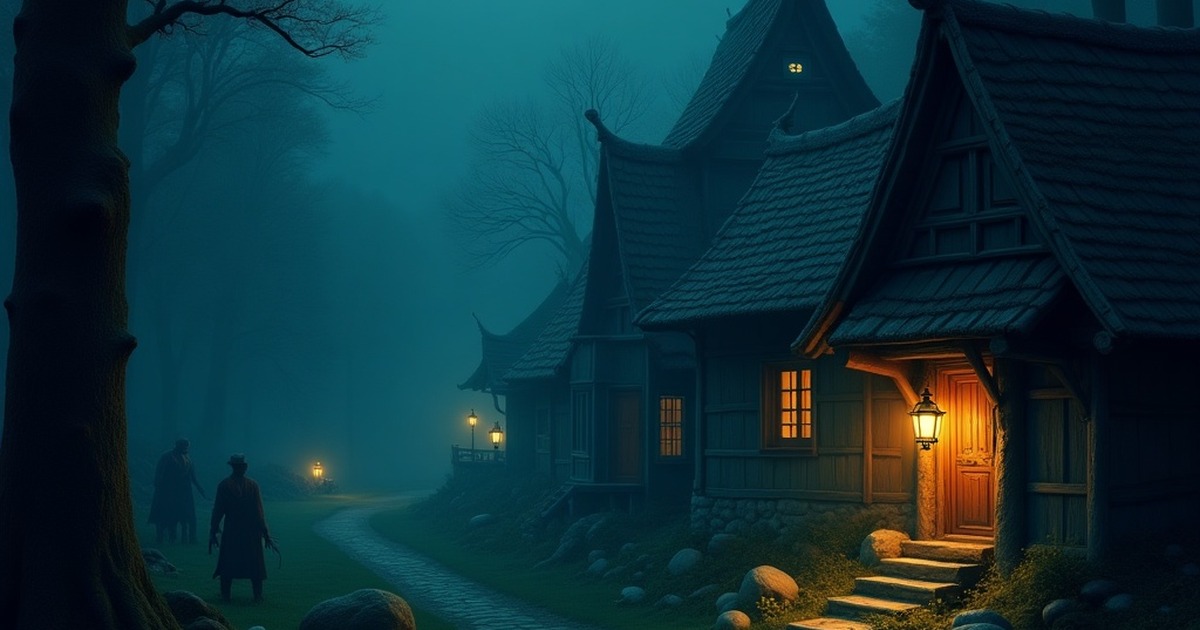
In the frozen forests of the northern United States and Canada, the Algonquian peoples speak in hushed tones of the Wendigo (also Windigo). This terrifying spirit embodies the ultimate taboo—cannibalism—and the insatiable hunger that consumes those who resort to eating human flesh. The Wendigo is hunger itself, and no amount of feeding can ever satisfy it.
Origins
The Wendigo legend originates with the Algonquian-speaking peoples, including the Ojibwe, Cree, and Innu. In the harsh winters of the north, when starvation threatened isolated communities, the Wendigo legend served as a powerful warning against the temptation of cannibalism—and a supernatural explanation for those who succumbed.
Appearance
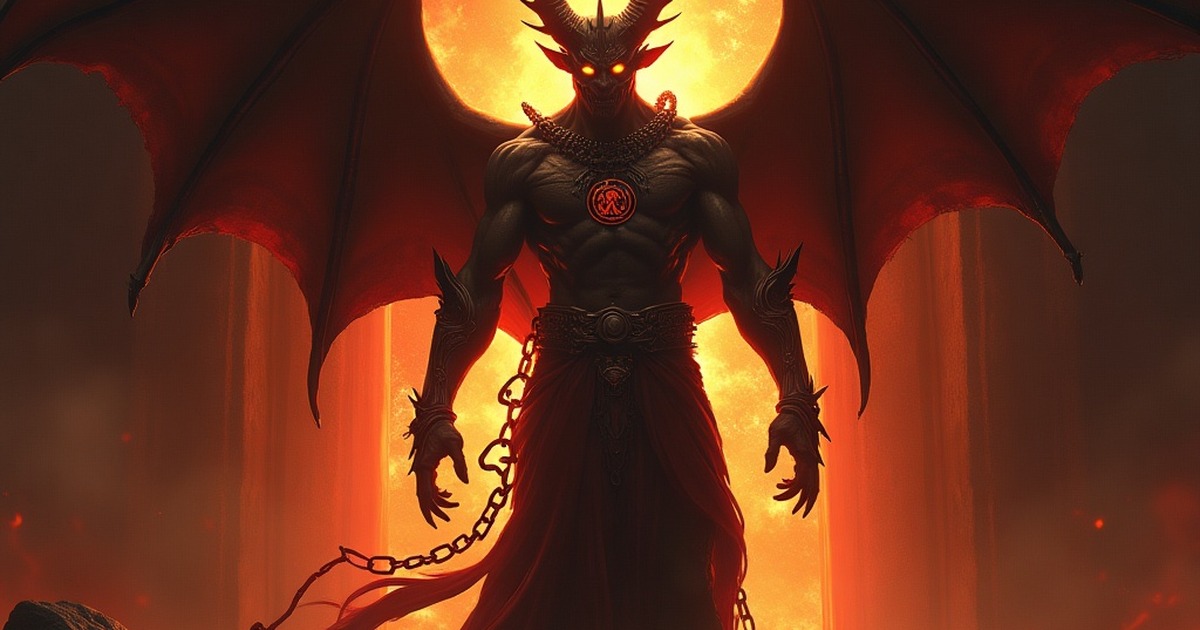
The Wendigo's appearance reflects its eternal starvation:
- Gaunt, emaciated body stretched impossibly tall
- Skin pulled tight over bones, often ash-gray
- Sunken, glowing eyes
- Lipless mouth with jagged teeth
- Long claws and sometimes antlers
- The stench of decay
The Wendigo grows larger with each victim it consumes, so its hunger always outpaces its size.
Wendigo Psychosis
Traditional beliefs held that humans could become Wendigos:
- By eating human flesh in desperation
- Through possession by a Wendigo spirit
- Through extreme greed and selfishness
Wendigo psychosis” was recognized by early anthropologists as a culture-bound syndrome where individuals believed they were transforming into Wendigos.
Cultural Significance
The Wendigo represents more than a monster—it embodies the dangers of selfishness, greed, and isolation. In communities where sharing resources meant survival, the Wendigo was the ultimate symbol of antisocial behavior.
Related Creatures
Compare to the Slavic ghouls and European Germanic wild man legends. Other Algonquian spirits like the Skinwalker share shapeshifting elements.