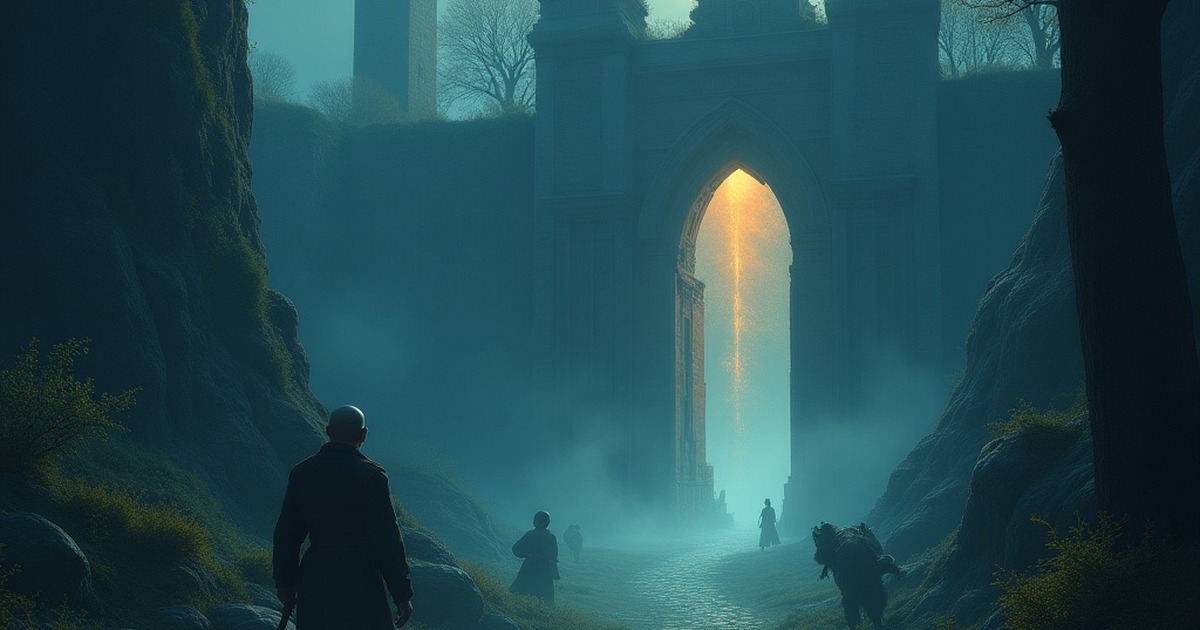
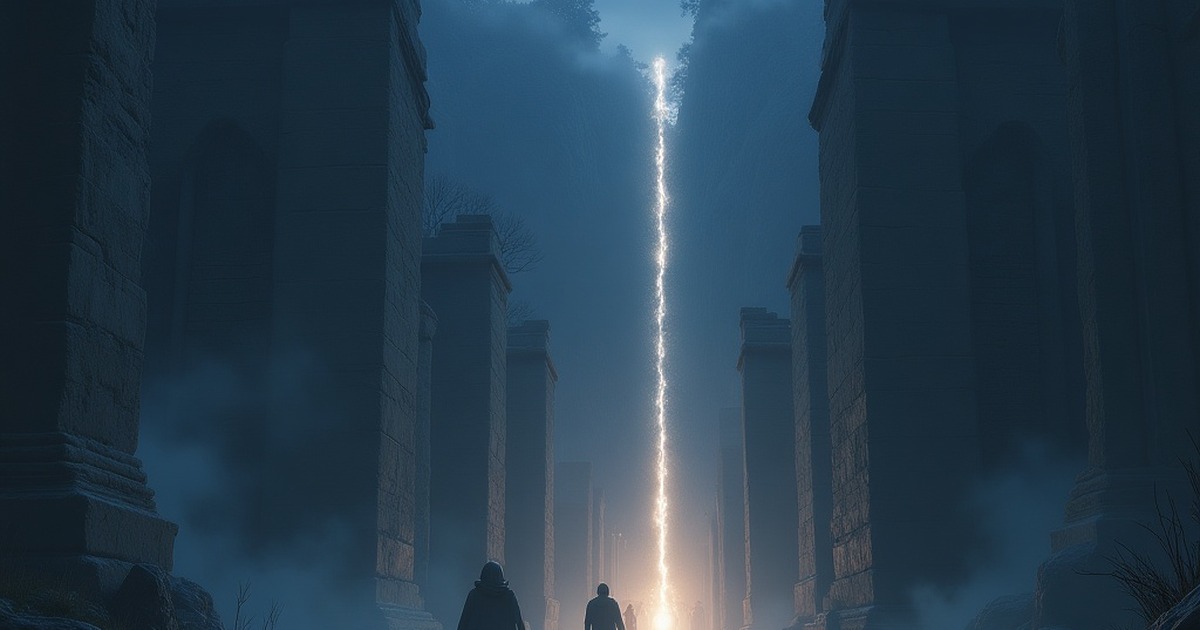
In the frost-covered halls of Asgard, upon a throne carved from ancient wisdom and sacrifice, sits the most complex and powerful figure in Norse mythology. Odin-the All-Father, the Wanderer, the One-Eyed God-defies simple categorization. He's neither purely benevolent nor malevolent, but something far more intriguing: a deity driven by an insatiable hunger for knowledge that shapes the very fabric of the Nine Areas.
This post contains affiliate links. If you purchase through these links, we may earn a commission at no extra cost to you.
Norse mythology Odin stands apart from other pantheons' omniscient gods. He actively seeks wisdom through sacrifice, deception, and relentless questioning. He's a god who understands that true power comes not from strength alone, but from knowledge-even when that knowledge foretells his own doom.
The Norse cosmos revolves around this enigmatic figure whose influence extends from the creation of humanity to the final battle of Ragnarök. His ravens whisper secrets from across the Nine Areas, his eight-legged horse carries him between worlds, and his spear never misses its mark. Yet perhaps most notably, Odin willingly gave up his eye for a single drink from the Well of Wisdom.
Who Is Odin in Norse Mythology?
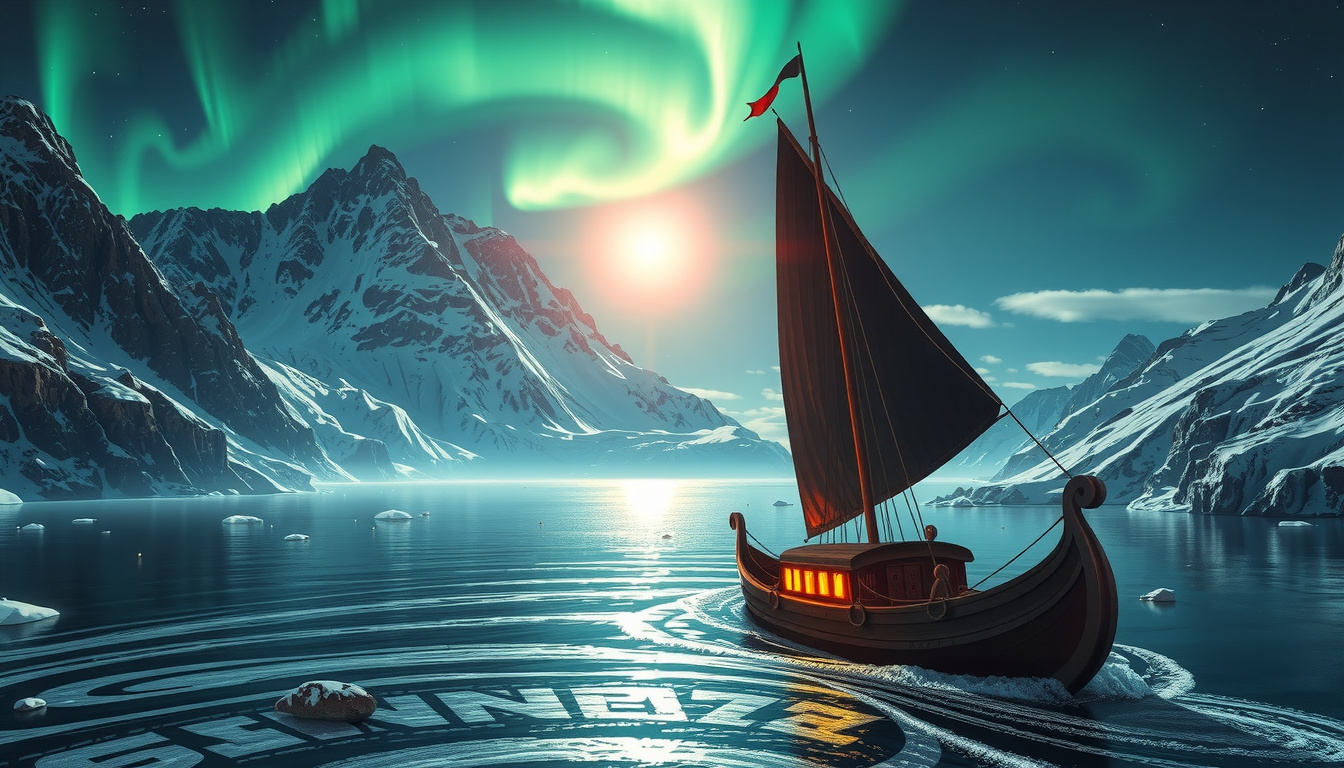
Odin stands as the supreme deity of the Norse pantheon, ruling over the Æsir gods from his magnificent hall Valhalla in Asgard. The Old Norse sources, primarily the Poetic Edda and Snorri Sturluson's Prose Edda from the 13th century, paint him as a complex god whose domains encompass:
- War and strategic combat
- Death and the afterlife
- Wisdom and hidden knowledge
- Poetry and inspiration
- Magic and shamanic practices
The title “All-Father” (Aldafǫðr in Old Norse) reflects both his role as creator of humanity and his position as the father figure to many gods. Odin, along with his brothers Vili and Vé, shaped the cosmos from the body of the primordial giant Ymir. They carved the first humans, Ask and Embla, from ash and elm trees, breathing life and consciousness into wooden forms.
His character embodies contradictions that make him uniquely powerful among world mythologies. Odin serves as both a wise ruler and a cunning trickster, a noble warrior and a ruthless strategist. He breaks oaths when it serves his purposes, yet demands loyalty from his followers. This moral ambiguity reflects the harsh realities of medieval Scandinavian life, where survival often required difficult choices.
The historical Odin likely evolved from earlier Germanic war deities, with archaeological evidence suggesting worship dating back to the Roman period. Roman historians like Tacitus identified him with Mercury, noting the Germanic peoples' reverence for this mysterious god who wandered between worlds.
Odin's Origins and Family Tree
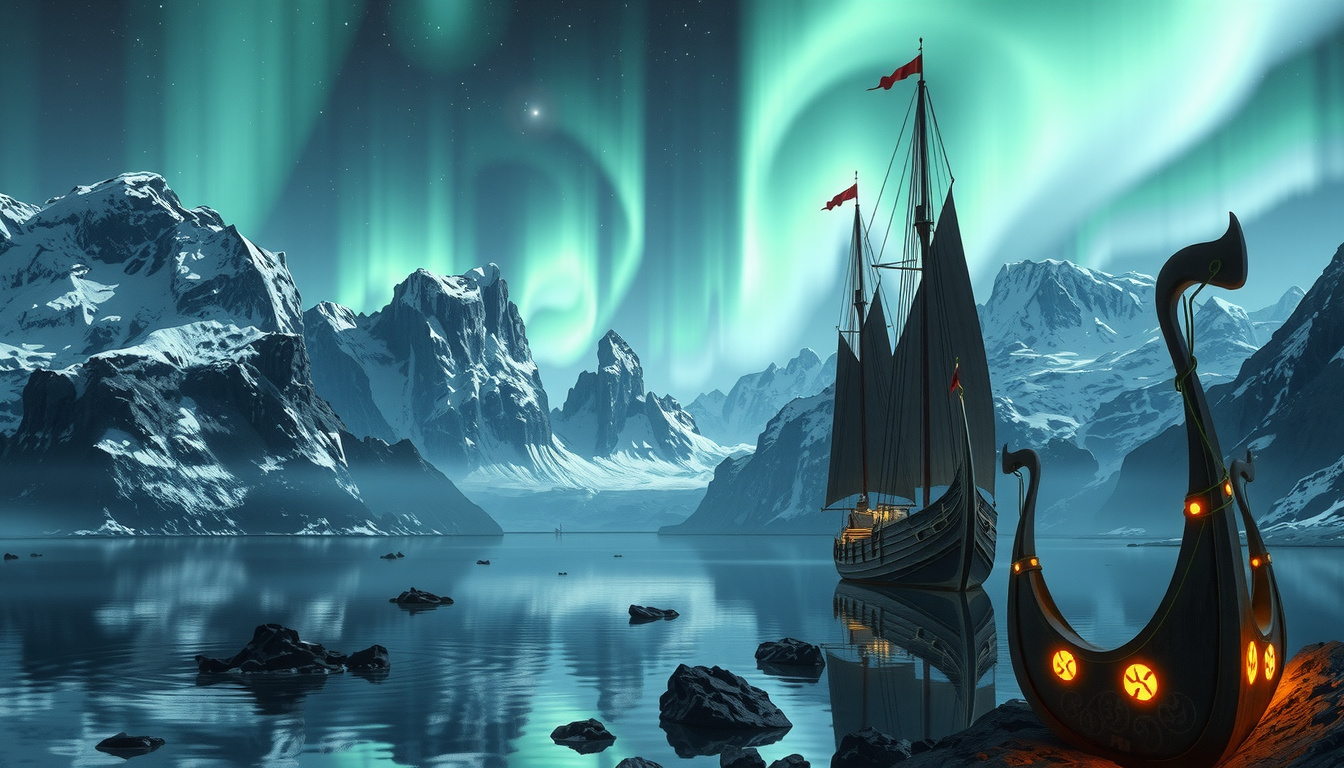
Odin's genealogy reveals the complex interconnections that define Norse mythology Odin stories. Born to Borr and the giantess Bestla, he represents the union between the divine Æsir and the chaotic giants (jötnar)-a theme that runs throughout Norse cosmology.
Primary Relationships
His marriage to Frigg, the queen of Asgard and goddess of marriage, produced Baldr, the beloved god of light whose death triggers the events leading to Ragnarök. With the giantess Jörð (Earth personified), Odin fathered Thor, the thunder god who becomes a top prominent figures in Norse mythology.
The god Víðarr, destined to survive Ragnarök and avenge his father's death, was born from Odin's union with the giantess Gríðr. The Völva (seeress) named Rindr bore him Váli, who was destined to avenge Baldr's death by killing the blind god Höðr.
Extended Alliances
Odin's relationships extend beyond traditional marriage. His family tree also includes adopted sons and blood brothers. Most notably, Loki became Odin's blood brother through an ancient pact, though this relationship ultimately turns tragic.
The complexity of these relationships reflects the political realities of medieval Scandinavian society, where alliances through marriage and adoption were essential for survival. The name “Odin” derives from “Óðinn,” connected to the concept of óðr-meaning fury, inspiration, or poetic ecstasy.
The Quest for Wisdom: Odin's Greatest Sacrifice
The most defining aspect of Odin's character remains his relentless pursuit of wisdom, embodied in two legendary sacrifices that showcase the depths of his dedication to knowledge.
The Sacrifice at Mimir's Well
The sacrifice at Mimir's Well stands as perhaps the most famous example of Odin's commitment to wisdom. Mimir, the wise giant who guarded a well beneath one of Yggdrasil's roots, possessed knowledge of past, present, and future. When Odin requested a drink from these cosmic waters, Mimir demanded the ultimate price: one of the All-Father's eyes.
Without hesitation, Odin plucked out his eye and cast it into the well's depths. The sacrifice was permanent-artistic depictions consistently show Odin as one-eyed, often with an empty socket or wearing a wide-brimmed hat that conceals his disfigurement. This willing mutilation demonstrates that Odin understood true wisdom requires genuine sacrifice, not merely payment.
The Hanging at Yggdrasil
The second great sacrifice occurred when Odin hanged himself from Yggdrasil for nine days and nights, pierced by his own spear Gungnir. This shamanistic ordeal-described in the Hávamál section of the Poetic Edda-resulted in his discovery of the runes, the magical alphabet that could shape reality itself.
“I know that I hung on a windy tree nine long nights, wounded with a spear, dedicated to Odin, myself to myself, on that tree of which no man knows from where its roots run,” the text records in Odin's own voice.
The number nine holds special significance in Norse cosmology-nine areas, nine nights, nine worlds connected by Yggdrasil. Odin's sacrifice mirrors shamanic practices found across circumpolar cultures, where spiritual leaders undergo ritual ordeals to gain otherworldly knowledge.
These sacrifices transformed Odin into something beyond a typical god. He became a seeker of hidden truths, willing to pay any price for knowledge. This aspect of his character connects across cultures-the wise ruler who understands that true leadership requires understanding the cosmos' deeper mysteries.
Odin's Companions and Symbols
Odin's supernatural companions serve as extensions of his power and knowledge, each carrying symbolic weight that explains different aspects of his divine nature.
The Ravens: Huginn and Muninn
Huginn and Muninn, whose names translate to “Thought” and “Memory,” represent perhaps the most famous of Odin's companions. These ravens fly across all nine areas each day, returning at dawn to whisper everything they've witnessed into their master's ears.
The choice of ravens isn't accidental-these intelligent corvids were common on ancient battlefields, feeding on the fallen. They embody the connection between wisdom and death, two of Odin's primary domains.
Sleipnir: The Eight-Legged Steed
The eight-legged horse Sleipnir, born from Loki's shapeshifting union with the stallion Svaðilfari, serves as Odin's mount across the cosmic tree Yggdrasil. Sleipnir's eight legs allow him to traverse not just the horizontal distances between areas, but the vertical aspects of existence itself-from the depths of Hel to the heights of Asgard.
The Wolves and Sacred Items
Geri and Freki, the two wolves who flank Odin's throne, symbolize the savage aspect of warfare and the hunt. Their names mean “Greedy” and “Ravenous,” reflecting the voracious appetite for battle that characterized Viking culture.
His sacred items include:
- Gungnir: The spear that never misses its target and always returns to Odin's hand
- Draupnir: The golden ring that produces eight identical gold rings every ninth night
- Valhalla: The hall containing 540 doors, each wide enough for 800 warriors
Odin as the God of War and Death
Odin's dominion over warfare extends far beyond simple martial prowess-he represents the strategic, psychological, and spiritual aspects of conflict that shaped medieval Scandinavian society.
The Einherjar and Valhalla
The concept of the Einherjar, warriors who died gloriously in battle and were chosen to feast in Valhalla, reveals Odin's unique relationship with death. These fallen heroes spend their days fighting in the courtyard of Gladsheim and their evenings feasting on mead and the meat of the boar Sæhrímnir, who regenerates daily.
The mathematics reveal Odin's strategic thinking-432,000 warriors represents a vast army, but not infinite. The All-Father knows precisely how many fighters he'll need for the final battle, and every selection serves this calculated purpose.
The Valkyries
The Valkyries, Odin's warrior-maidens who choose which fighters live and die in battle, embody his complex relationship with fate. These supernatural women don't randomly select the fallen-they follow Odin's strategic vision, sometimes preserving capable leaders for future conflicts while claiming heroes whose deaths will inspire others to greater deeds.
Historical What this tells you is that Viking berserkers, warriors who fought in trance-like fury, considered themselves Odin's special servants. Archaeological finds from Uppland, Sweden, reveal warrior burials with single-eye motifs and spear symbolism, indicating devotion to the one-eyed god.
Odin's Magic and Shape-shifting Abilities
The practice of seiðr magic represents perhaps the most controversial aspect of Odin's divine nature, challenging traditional gender roles in Norse society while demonstrating the lengths he'd go to acquire supernatural knowledge.
Seiðr Magic
Seiðr, typically associated with female practitioners called völvas or seeresses, involved:
- Prophetic visions
- Spiritual travel between areas
- Manipulation of fate itself
- Communication with the dead
When Odin learned these arts from the goddess Freyja, he crossed a significant cultural boundary. The god Loki mockingly refers to this as “unmanly behavior” in the poem Lokasenna, highlighting how Odin's pursuit of wisdom transcended conventional masculine codes.
Shape-shifting Abilities
His shape-shifting abilities extended far beyond simple physical transformation. Odin could send his spirit forth in animal form while his body remained in a trance-like state. The Ynglinga Saga describes how “his body lay as if sleeping or dead, but he became a bird or beast, a fish or dragon, and journeyed in the twinkling of an eye to far-off lands.
The Theft of the Mead of Poetry
The acquisition of the mead of poetry showcases both his magical abilities and his willingness to employ deception for higher purposes. When the giant Suttungr guarded this divine drink that granted poetic inspiration, Odin transformed himself into a snake to crawl through a mountain crevice.
He then seduced Suttungr's daughter Gunnlöð, spending three nights with her to gain access to the mead. After consuming all three vessels of the magical liquid, Odin transformed into an eagle and flew toward Asgard. Some drops fell to Midgard-explaining how mortals occasionally receive genuine poetic inspiration.
These magical practices connect Norse mythology Odin to shamanic traditions found across the Arctic regions. The emphasis on animal transformation, trance states, and the role as a psychopomp (guide between worlds) all point to deep-rooted spiritual practices that influenced Germanic religion.
Odin and Ragnarök: The Twilight of the Gods
Odin's relationship with Ragnarök-the prophesied end of the world-reveals the tragic aspects of his character. Unlike gods in other mythologies who might prevent apocalyptic events, Odin knows his fate and cannot change it, only delay the inevitable through careful preparation.
The Prophecy and Preparation
The Völuspá, the most complete account of Ragnarök, describes how Odin regularly consults seeresses to learn details about the coming catastrophe. He knows that the monstrous wolf Fenrir will devour him during the final battle, yet he continues his preparations.
This knowledge shapes every aspect of his existence:
- Gathering the Einherjar warriors in Valhalla
- Attempting to prevent Baldr's death
- Seeking alliances across the Nine Areas
- Accumulating magical knowledge and artifacts
The Binding of Fenrir
The binding of Fenrir demonstrates Odin's tragic dilemma. The gods knew that Loki's monstrous son would eventually kill the All-Father, but their attempts to prevent this fate actually ensured it. When they tricked Fenrir into accepting the magical chain Gleipnir, only the god Týr was brave enough to place his hand in the wolf's mouth as a pledge of good faith.
This act of betrayal transformed Fenrir from a potentially controllable threat into an implacable enemy. Odin's foreknowledge became a curse-every action he took to prevent Ragnarök helped bring it about.
The Death of Baldr
The death of Baldr, Odin's beloved son, serves as the immediate catalyst for Ragnarök. Despite knowing prophecies about Baldr's vulnerability, despite Frigg's attempts to extract promises from all things not to harm him, the gods couldn't prevent Loki from engineering his death.
The Final Battle
During Ragnarök itself, Odin leads the gods into their final battle knowing they will lose. The wolf Fenrir fulfills the prophecy by devouring him, but Odin's son Víðarr immediately avenges his father's death. This cyclical pattern of death and vengeance reflects the Norse understanding of cosmic order-destruction leads to renewal, endings enable new beginnings.
Odin's Legacy in Modern Culture
The influence of Norse mythology Odin extends far beyond medieval Scandinavia, permeating modern literature, comics, films, and even our weekly calendar. Wednesday derives from “Wodan's day,” the Germanic name for Odin, ensuring that billions of people invoke his name weekly without realizing it.
Literature and Fantasy
J.R.R. Tolkien drew widely from Norse mythology when creating Gandalf the Grey, whose wandering nature, wide-brimmed hat, and association with wisdom clearly echo Odin's characteristics. The name “Gandalf” itself appears in the Völuspá as one of the dwarven names.
Neil Gaiman's works have brought Odin to new audiences:
- “American Gods”: Presents Odin as Mr. Wednesday, a con man struggling to maintain relevance in modern America
- “Norse Mythology”: Offers traditional retellings that have introduced new generations to these ancient stories
Popular Media
Marvel Comics transformed Odin into a more conventional father figure, though recent interpretations have begun exploring his morally ambiguous nature. The Marvel Cinematic Universe's portrayal emphasizes his role as Thor's father while hinting at darker aspects of his character.
Video games have embraced Odin as a complex character, from his appearances in “God of War” to strategy games that explore Norse expansion. These interactive media often capture his strategic nature better than linear narratives.
Religious Revival
The neo-pagan movement, particularly Ásatrú and other forms of Germanic Heathenry, has revived actual worship of Odin. These modern practitioners often emphasize his role as a seeker of wisdom and patron of poetry rather than focusing solely on his warrior aspects.
Psychological Impact
The psychological archetype of the “Wise Old Man,” identified by Carl Jung, owes much to figures like Odin. The image of the elderly wanderer who possesses secret knowledge but demands sacrifice for wisdom appears across cultures, suggesting that Odin represents something fundamental about human psychology.
The enduring fascination with Norse mythology Odin speaks to fundamental human concerns about knowledge, power, and the price of wisdom. In an age of information abundance, his example of sacrificing comfort for understanding connects with those seeking deeper meaning.
Modern interpretations continue to grapple with Odin's contradictions-the wise ruler who breaks oaths, the father who sacrifices his children for greater purposes, the seeker of knowledge who employs deception. These moral complexities make him more relevant today than simpler heroic figures.
The All-Father's legacy reminds us that wisdom comes through sacrifice, that knowledge demands a price, and that even gods must face the consequences of their choices. In a world facing its own potential twilight, Odin's example of preparation, strategic thinking, and acceptance of fate offers both warning and inspiration for handling uncertain times.