In the eternal battle between light and darkness that defines Zoroastrian cosmology, the Divs (دیو, also Daevas) stand as forces of chaos, destruction, and evil. These powerful demons serve Ahriman, the lord of darkness, opposing truth, order, and the righteous god Ahura Mazda at every turn.
Origins and Etymology
The word “Div” comes from the Avestan “daēva,” sharing roots with the Sanskrit “deva” (god). Remarkably, while “deva” became the word for benevolent gods in Hinduism, the same root became associated with demons in Zoroastrianism—a theological split reflecting the ancient rivalry between Iranian and Vedic religious traditions.
Nature and Hierarchy
The Divs form a complex hierarchy of evil:
- Ahriman (Angra Mainyu): The supreme source of all evil
- Arch-Divs: Powerful demons representing specific evils (wrath, greed, sloth)
- Lesser Divs: Countless demons spreading corruption
Among the notable Arch-Divs are Aeshma (demon of wrath, who became Asmodeus in Jewish tradition), Druj (demon of lies), and Nasu (demon of corpse contamination).
Appearance
In Persian art and literature, Divs appear as:
- Massive, muscular humanoids with horns
- Bestial features: fangs, claws, and animal-like faces
- Wild hair and beards
- Often depicted in chains after defeat by heroes
Divs in the Shahnameh
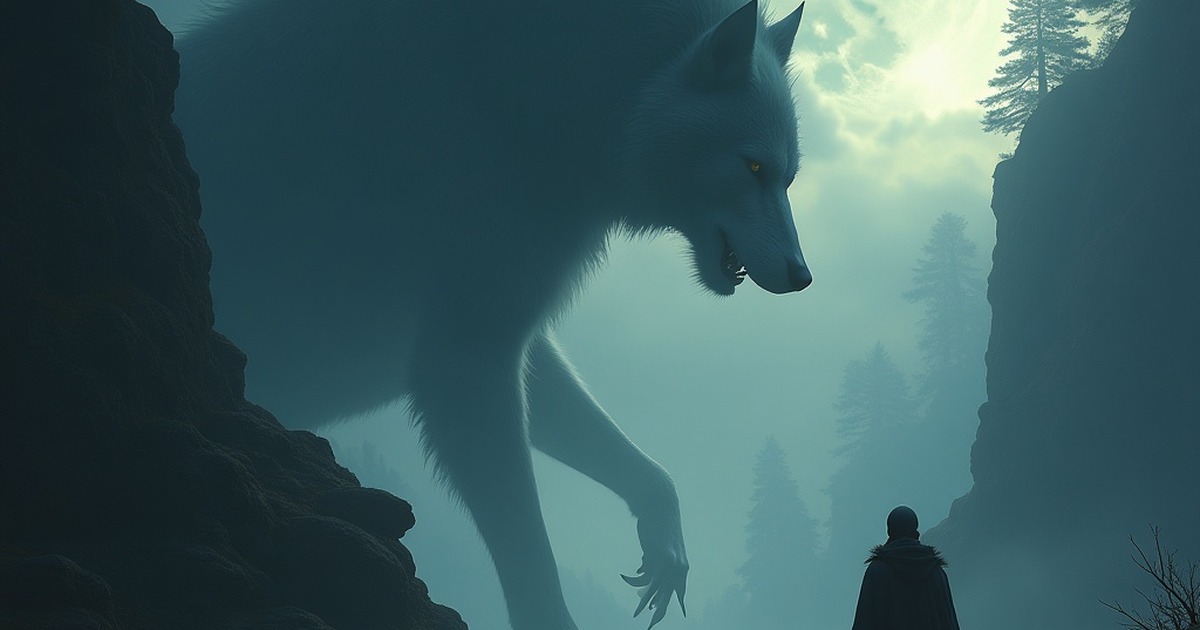
The Persian national epic features numerous battles between heroes and Divs. Rostam, Persia's greatest hero, conquered the White Div in the Seven Labors, freeing King Kay Kavus from captivity. These stories establish the pattern of heroic virtue triumphing over demonic evil.
Related Creatures
Compare the Divs to the Mesopotamian demons and Hindu Asuras. Their battle against divine order parallels the Norse Jötnar and Greek Titans.