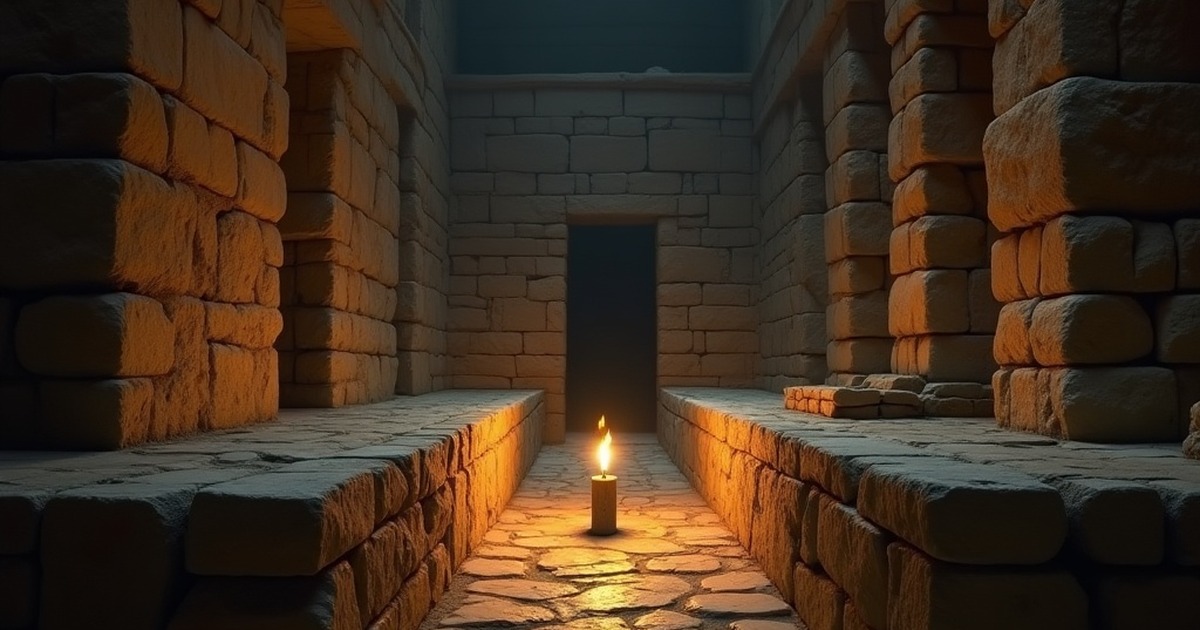
In the burial mounds of ancient Scandinavia, the dead did not always rest peacefully. The Draugr (Old Norse for “revenant” or “ghost”) were reanimated corpses who guarded their grave goods with supernatural fury, emerging from their barrows to torment the living. Unlike the shambling zombies of modern horror, Norse Draugr retained their intelligence, personality, and often superhuman strength—making them formidable adversaries who could only be defeated through courage, cunning, and specific rituals.
Quick Facts About Draugr
| Origin | Norse/Scandinavian mythology |
| Also Known As | Aptrgangr (“one who walks after death“), Haugbui (“mound-dweller”) |
| Type | Undead / Revenant |
| Domain | Burial mounds, graves, the places they haunted in life |
| Motivation | Guarding treasure, revenge, refusing to release life |
| Weakness | Decapitation, burning, proper burial rites, heroic combat |
Origins in Norse Culture
The Draugr emerged from the Norse understanding of death and the afterlife. Unlike Christian concepts of the soul departing the body, Norse belief held that some essence of the person remained connected to their physical remains—and that under certain circumstances, the dead could return.
The Icelandic sagas, particularly those written in the 13th and 14th centuries but drawing on older oral traditions, contain numerous Draugr accounts. These texts—including the Eyrbyggja saga, Grettis saga, and Laxdæla saga—treat Draugr encounters as historical events, suggesting that belief in the restless dead was widespread and taken seriously.
Draugr beliefs likely served multiple purposes: explaining mysterious deaths and disappearances, discouraging grave robbery, and processing grief over the dead who seemed unwilling to let go of life.
Physical Characteristics
Unlike many undead creatures, Draugr descriptions in the sagas are vivid and consistent:
Size: Draugr were often described as swelling to enormous size after death, becoming bloated and grotesquely enlarged. Some accounts describe them as giants.
Color: Their skin was described as “death-blue” (hel-blár) or “corpse-pale,” sometimes blackened as if from decay.
Stench: A terrible smell of death accompanied Draugr, sometimes described as overwhelming anyone nearby.
Strength: Draugr possessed superhuman physical power. Even the mightiest living warriors struggled against them. The hero Grettir, strongest man in Iceland, nearly died fighting the Draugr Glámr.
Eyes: Some descriptions mention glowing or otherworldly eyes that could paralyze victims with fear.
Preservation: Despite being dead, Draugr showed varying states of decay. Some appeared relatively fresh; others were clearly corpse-like. All retained enough physical form to be dangerous.
Types of Draugr
Norse sources distinguish between different types of revenants:
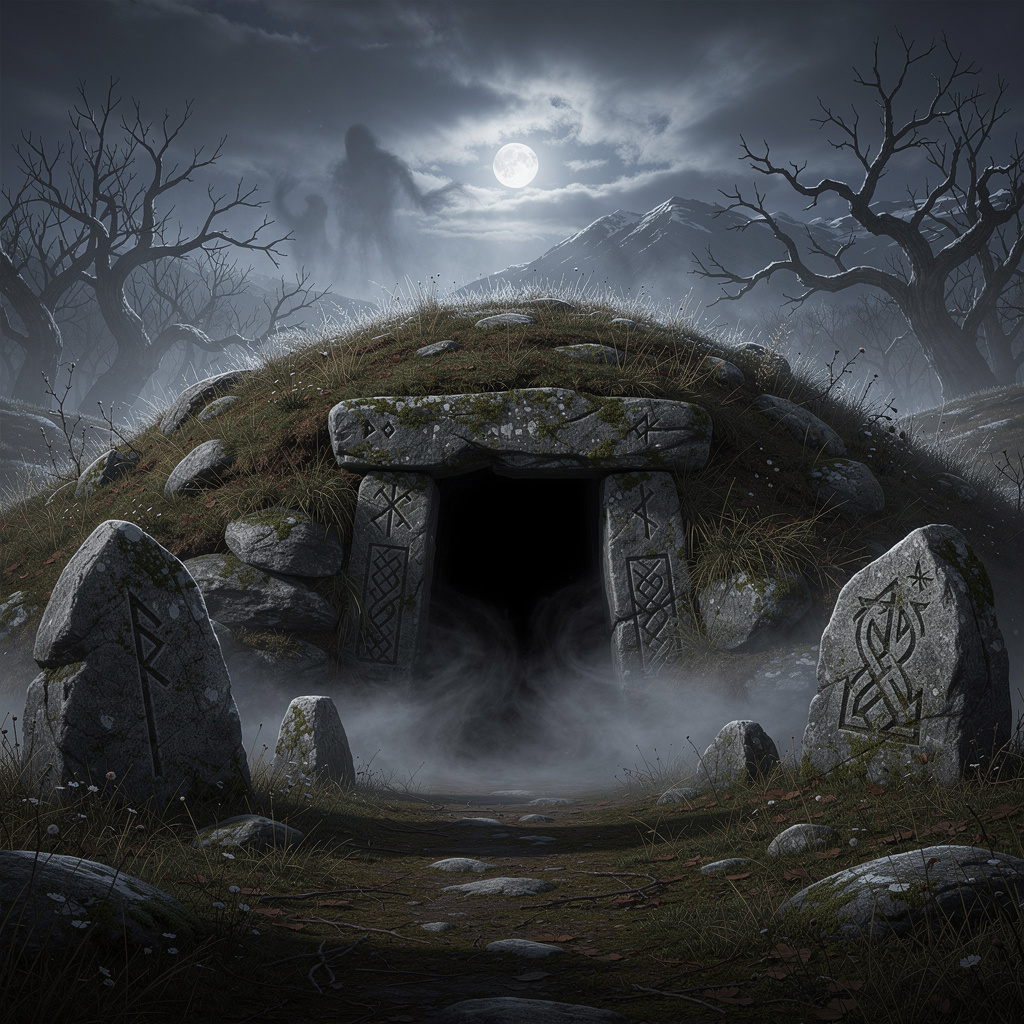
Haugbui (Mound-Dwellers): Draugr who remained bound to their burial mounds, primarily concerned with guarding their grave goods. They would attack anyone who disturbed their rest but rarely ventured far from their barrow. These were the most common type in the sagas.
Aptrgangr (Again-Walkers): More mobile and dangerous, these Draugr actively haunted the living, returning to their former homes and communities to cause harm. They might kill livestock, drive people mad, or murder those they had grudges against in life.
Sea Draugr: Those who drowned at sea could become Draugr, haunting coastal areas or appearing as omens of drowning. Half-drowned sailors sometimes reported being saved—or attacked—by these maritime dead.
Powers and Abilities
Draugr possessed numerous supernatural capabilities:
- Superhuman Strength: Even average people became incredibly strong as Draugr. The mightiest living warriors could barely match them.
- Size Manipulation: Draugr could swell to monstrous size, making combat even more difficult.
- Shapeshifting: Some Draugr could assume animal forms, particularly seals or bulls, or transform into mist to escape or infiltrate.
- Weather Control: Powerful Draugr could summon storms, darkness, or fog.
- Driving Madness: Encounters with Draugr could leave survivors permanently changed—cursed with bad luck, haunted by visions, or driven insane.
- Cursing: Before their final destruction, Draugr could lay curses on their killers or the living in general.
- Animal Control: Draugr could command or kill livestock, often slaughtering entire herds.
- Immunity: Ordinary weapons might wound but not kill Draugr. Only specific methods could permanently destroy them.
Why the Dead Rose
The sagas suggest several reasons why some corpses became Draugr:
Greed: Those who were overly attached to their wealth might refuse to leave it, remaining to guard their grave goods eternally.
Unfinished Business: Those who died with strong unfulfilled desires—revenge, protecting family, completing important tasks—might return.
Improper Burial: Those not given proper funeral rites were more likely to become restless. Burial customs existed partly to prevent the dead from returning.
Evil Nature: Those who were cruel, greedy, or malicious in life were more likely to become Draugr. Bad character persisted beyond death.
Sorcery: Practitioners of black magic might deliberately become Draugr or curse others to rise after death.
Violent Death: Those killed violently, especially if unavenged, sometimes returned seeking justice or causing indiscriminate harm.
Famous Draugr from the Sagas
Glámr: Perhaps the most famous Draugr, from Grettis saga. Originally a Swedish shepherd, Glámr was killed by a spirit on Christmas Eve and rose as a powerful Draugr who terrorized a farm. The hero Grettir fought him in an epic battle, ultimately decapitating Glámr—but not before the Draugr cursed him to fear darkness forever.
Kárr the Old: From Grettis saga, this mound-dwelling Draugr guarded tremendous treasure. Grettir broke into his barrow and wrestled him for the hoard, eventually cutting off his head and burning the body.
Þórólfr bægifótr (Thorolf Twist-Foot): From Eyrbyggja saga, a thoroughly unpleasant man in life who became even worse as a Draugr. His haunting required the community to dig up his body and burn it far from the farm.
Hrómundr Gripsson: The protagonist of Hrómundar saga Gripssonar enters a burial mound to steal treasure and must defeat its Draugr guardian, the ancient king Þráinn.
How to Defeat a Draugr
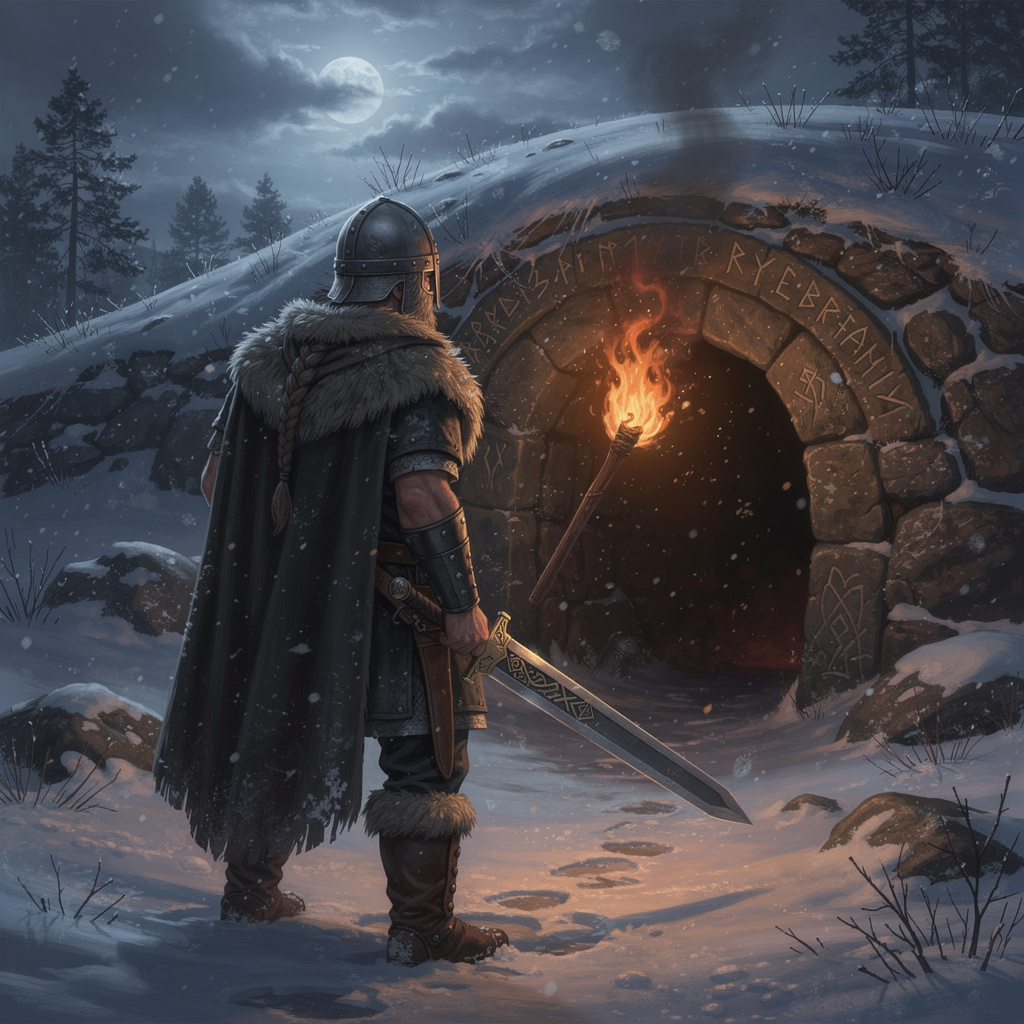
The sagas describe specific methods for permanently destroying Draugr:
Heroic Combat: A brave warrior could challenge the Draugr directly. This was extremely dangerous but possible for heroes of sufficient strength and courage. Combat typically needed to end with decapitation.
Decapitation: Cutting off the head was essential. The head was typically placed at the Draugr's buttocks or thighs to prevent reattachment.
Burning: After decapitation, the body should be burned and the ashes scattered (often at sea or far from human habitation) to prevent any possibility of return.
Staking: Some accounts mention driving a stake through the corpse to pin it in the grave, though this was more preventative than curative.
Removal from Barrow: Sometimes removing the body from its mound through a specially cut hole (not the regular entrance) could break its connection to the place.
Legal Proceedings: In one remarkable saga account, a community holds a “door court” trial against restless dead, legally banishing them from the area—and it works.
Prevention Methods
Norse communities developed customs to prevent Draugr rising:
- Corpse Doors: Carrying the body out through a special opening (later sealed) so the dead couldn't find their way back
- Tying Toes: Binding the corpse's big toes together to prevent walking
- Needles in Feet: Sticking needles into the feet's soles
- Scissors on Chest: Placing open scissors on the corpse's chest
- Proper Burial Goods: Providing appropriate grave goods so the dead had no reason to seek them among the living
- Watching the Body: Keeping vigil over the corpse until burial to notice any signs of reanimation
Draugr in Modern Culture
- Video Games: The Elder Scrolls V: Skyrim famously features Draugr as common dungeon enemies, significantly boosting awareness of the term
- Literature: Appear in numerous fantasy novels drawing on Norse mythology
- Television: Featured in “Vikings” and other Norse-themed shows
- Tabletop: Dungeons & Dragons and other RPGs include Draugr-inspired undead
- Metal Music: Viking and folk metal frequently reference Draugr
Draugr Compared to Other Undead
| Creature | Culture | Key Difference |
|---|---|---|
| Draugr | Norse | Intelligent, specific burial connection, treasure-guarding |
| Zombie | Haitian/Modern | Usually mindless, controlled by others, no individual agenda |
| Vampire | Eastern European | Blood-drinking, more sophisticated, supernatural seduction |
| Revenant | Medieval European | Similar but less physically powerful, more ghostly |
| Jiangshi | Chinese | Hopping movement, breath-stealing, different weakness |
| Mummy | Egyptian/Universal | Wrapped preservation, curse-focused, desert environment |
Frequently Asked Questions About Draugr
Are Draugr the same as zombies?
No. While both are reanimated corpses, Draugr retain their intelligence, personality, and often enhanced abilities. They have individual motivations and can speak, plan, and use weapons. Modern zombies are typically mindless hordes; Draugr are cunning and often powerful individuals.
Could anyone become a Draugr?
According to Norse belief, certain factors increased the likelihood: improper burial, strong attachment to treasure or life, evil character, violent death, or sorcery. However, proper funeral customs could help prevent even troubled spirits from rising.
Were Vikings afraid of Draugr?
Yes, clearly. The elaborate burial customs designed to prevent Draugr, the stories of their terrible powers, and the accounts of communities driven to extreme measures to stop hauntings all suggest genuine fear. However, saga heroes who defeated Draugr were greatly admired.
Why are Draugr blue in Skyrim?
This is actually accurate to the sagas, which describe Draugr as “hel-blár” (death-blue) or corpse-colored. The blue-black coloration represents dead flesh and distinguishes them from living beings.
The Unquiet Dead
The Draugr embody a profound Norse understanding: death was not always final, and the dead could retain their power—and their grudges. These were not mindless corpses but angry, cunning, powerful beings who had refused to accept their end. Defeating them required not just strength but courage, and victory often came at a price.
In the dark Scandinavian winters, when burial mounds stood silent under snow and firelight flickered against the long nights, the Draugr represented every fear of what might rise from the grave. They are the ancestors who would not rest, the dead who still reach for the living, and the reminder that some things—greed, malice, unfinished business—survive even death itself.
Sources and Further Reading
- Ármann Jakobsson. The Fearless Vampire Killers: A Note about the Icelandic Draugr.” Folklore, 2009.
- Chadwick, N. K. “Norse Ghosts.” Folklore, 1946.
- Ellis Davidson, H. R. “The Road to Hel.” Cambridge University Press, 1943.
- Jakobsson, Ármann. “Vampires and Watchmen: Categorizing the Mediaeval Icelandic Undead.” Journal of English and Germanic Philology, 2011.