Picture yourself walking through a dense Eastern European forest at twilight. The ancient birch trees creak overhead, their white bark gleaming like bones in the fading light. You hear rustling in the undergrowth—but is it just wind, or something far more mysterious?
This post contains affiliate links. If you purchase through these links, we may earn a commission at no extra cost to you.
You've stepped into the world of Slavic mythology, where every shadow might hide a supernatural being. These aren't just scary stories your grandmother told. They're windows into how our ancestors understood the world around them.
In This Article
- The Origins and Cultural Context of Slavic Mythology
- Forest and Wilderness Creatures
- Water Spirits and Aquatic Beings
- Household and Domestic Spirits
- Dragons and Serpentine Creatures
- Undead and Supernatural Humanoids
- Protective and Benevolent Entities
- Regional Variations Across Slavic Countries
- Seasonal Creatures and Festival Beings
- Shapeshifters and Trickster Spirits
- Agricultural and Harvest Spirits
- Death and Otherworld Entities
- Modern Legacy and Cultural Impact
- Frequently Asked Questions
- Final Thoughts
Slavic mythology creatures covered an enormous geographic area, from the steppes of Russia to the mountains of Bulgaria. For centuries, these stories traveled through oral tradition, passed down by grandmothers around hearth fires and sung by traveling bards.
In my experience studying these traditions, what fascinates me most is how these creatures weren't just entertainment. They were explanations for the unexplainable, warnings wrapped in wonder.
Here's the thing: each region developed its own variations of supernatural beings, yet common threads run through them all. These aren't just monsters to frighten children. They're complex entities that reflect the hopes, fears, and daily realities of agricultural societies living close to nature's rhythms.
The Origins and Cultural Context of Slavic Mythology {#section-0}
Pre-Christian Slavic Beliefs
Before Christianity reached the Slavic lands, these peoples practiced animistic religions that saw spirits in every natural feature. Rivers had souls. Forests had guardians. Even household objects possessed their own consciousness.
This wasn't primitive thinking—it was a sophisticated worldview that recognized the interconnectedness of all things.
Early Slavs lived in a world where survival meant understanding nature's moods. Did the crops fail because you offended a field spirit? Was that storm caused by angry water deities?
Here's where it gets interesting: these creatures served as intermediaries between the human and natural worlds, explaining everything from successful harvests to mysterious disappearances.
Want to know the secret? The ancient texts tell us that every natural feature had its own personality, its own needs, and its own way of interacting with humans. You couldn't just take from nature—you had to negotiate with it.
Influence of Christianity on Folklore
When Christianity spread through Slavic territories between the 9th and 12th centuries, something fascinating happened. Rather than completely replacing pagan beliefs, the new religion absorbed and transformed them.
But here's the catch: many creatures acquired Christian elements while retaining their pagan essence. Rusalkas became associated with unbaptized souls, while house spirits like the domovoi were reinterpreted as fallen angels too good for hell but too tainted for heaven.
This mixing created uniquely Slavic supernatural beings. I've found that they're more complex than their purely pagan or purely Christian counterparts.
Think about it: you can't just erase thousands of years of tradition overnight. The old beliefs didn't disappear—they adapted.
The Role of Geography and Environment
Here's what most people miss: the landscape shaped the mythology. Mountain-dwelling Slavs developed different water spirits than those living near vast rivers. Agricultural communities created different household spirits than pastoral ones.
And the best part? This regional diversity makes Slavic mythology incredibly rich. But it also makes it confusing to study sometimes.
The Carpathian Mountains bred different dragons than the Russian plains. The Baltic coast spawned unique sea spirits. Each environment demanded its own supernatural guardians.
Forest and Wilderness Creatures {#section-1}
Baba Yaga – The Iron-Toothed Witch
No Slavic mythology creatures capture the imagination quite like Baba Yaga. She's not your typical evil witch—she's far more complex and interesting.
Living in a hut that stands on chicken legs and can rotate at will, Baba Yaga embodies the forest's dual nature: nurturing and dangerous. Her iron teeth aren't just for show—they represent her role as a boundary figure between life and death, civilization and wilderness.
Here's what matters: her moral ambiguity. She might help a polite visitor with magical gifts, or she might grind their bones to make her bread. You never know which version you'll encounter.
Her chicken-legged hut is genius symbolism. It can move anywhere, turn to face different directions, and represents the threshold between worlds. When heroes approach, they must know the magic words: “Little hut, little hut, turn your back to the forest and your front to me.”
This shows respect for the supernatural space they're entering. Baba Yaga doesn't respond to demands—only to proper etiquette.
Want to survive an encounter with her? Show respect. Bring gifts. Answer her riddles honestly. She rewards courtesy and punishes rudeness with extreme prejudice.
Leshy – Guardian of the Forest
The leshy is the undisputed master of the forest. He can appear as a tall man covered in bark and moss, or shrink to hide behind a blade of grass.
His shapeshifting abilities reflect the forest's own changing nature—welcoming one moment, terrifying the next. I've always been fascinated by the leshy's protective function. He's not inherently evil—he's territorial.
Here's the truth: hunters who showed respect, left offerings, and followed forest etiquette might find their paths made clear and their game plentiful. Those who took more than they needed or showed disrespect might find themselves hopelessly lost.
The leshy's laugh is particularly haunting in folklore. It echoes through trees, mimicking human voices to lead travelers astray. But here's the interesting part—if you wore your clothes backwards and walked backwards, you could supposedly confuse the leshy enough to escape his influence.
Pro tip: always acknowledge the forest guardian before hunting or gathering. A simple offering of bread or tobacco could mean the difference between a successful trip and getting lost for days.
Vila/Wila – Mountain and Forest Spirits
Vila are among the most beautiful and dangerous slavic mythology creatures. These nature spirits appear as ethereally beautiful women, often with long, flowing hair that seems to move with its own wind.
They're masters of dance and song. But their performances can be deadly.
What makes vila particularly fascinating is their connection to specific locations. Each vila guards her own mountain, grove, or spring. They're not just random spirits—they're the embodied souls of these places.
Disturb their space, and you might face their wrath through sudden storms, landslides, or simply being danced to death. Yet vila aren't purely malevolent. They've been known to help lost travelers, heal the sick, and even fall in love with mortals.
Their dual nature reflects the Slavic understanding that nature itself isn't good or evil—it simply is. Humans must learn to coexist with it respectfully.
Fair warning: if you hear beautiful singing echoing from mountain peaks at dawn or dusk, it might be vila calling. Listen if you want, but don't follow the sound unless you're prepared for the consequences.
Water Spirits and Aquatic Beings {#section-2}
Rusalka – Spirits of Drowned Women
Rusalka stories break my heart every time I read them. These aren't just water spirits—they're tragic figures representing women who died before their time, often by suicide or violence.
The most common origin story tells of young women who drowned themselves for love, only to become eternally bound to the waters that claimed them. During Rusalka Week (the week before Pentecost), these spirits were believed to leave their watery homes and dance in fields and forests.
Their beauty was irresistible. Their voices hypnotic. Men who encountered them might be seduced into the water, never to return.
Yet some stories tell of rusalkas seeking redemption, trying to complete unfinished earthly business. Here's what's particularly poignant: these weren't random monsters—they were consequences of societal failures to protect the vulnerable.
Their existence reminded communities that injustice has supernatural repercussions. You can't just ignore the suffering of women and expect no consequences.
To be fair, not all encounters with rusalkas ended badly. Some stories tell of them helping fishermen find the best catches or warning of dangerous currents. But only for those who approached with genuine respect.
Vodyanoy – The Water Man
The vodyanoy is water's masculine counterpart to the rusalka, but he's far older and more powerful. Picture an old man with green hair and beard, covered in algae and mud, sitting by his underwater mill.
He's the water's master, controlling everything from fish populations to the safety of travelers crossing his territory. Unlike rusalkas, who inspire sympathy, vodyanoy inspire fear and respect.
He collects souls in pots, keeps them underwater as servants, and can cause floods when angered. Yet he's not randomly destructive—he follows rules.
Millers would sometimes negotiate with vodyanoy, offering tributes for the right to build water-powered mills. The vodyanoy's mill wheels turn constantly underwater, grinding not grain but fate itself.
This connects him to the ancient concept of cosmic mills that appear in many Indo-European mythologies. He's not just a local water spirit—he represents the inexorable turning of destiny.
Now, here's what matters: if you needed to cross his waters, you'd better have an offering ready. Bread, salt, or tobacco might buy you safe passage. But never try to trick or cheat him.
Berehynia – Protective Water Spirits
Not all water spirits among slavic mythology creatures are dangerous. Berehynia represent the nurturing aspect of water, protecting those who respect aquatic environments.
They're guardian spirits of riverbanks (their name comes from “bereh,” meaning shore). They watch over fishermen, protect children from drowning, and ensure clean water for communities.
These benevolent spirits show how Slavic mythology isn't uniformly dark. Berehynia embody the life-giving properties of water—irrigation, purification, and renewal.
They're particularly associated with women's roles as water-carriers and washers, honoring the feminine connection to this vital element. In my experience studying folklore, these protective spirits often get overlooked in favor of scarier creatures. But they're equally important.
Household and Domestic Spirits {#section-3}
Domovoi – The House Guardian
Every Slavic home has its domovoi—a household spirit about the size of a small child, covered in gray fur, with glowing eyes. He's the house's guardian, protector, and sometimes its greatest critic.
I love studying domovoi because they represent the supernatural's intimate connection to daily life. A well-treated domovoi brings incredible benefits. He'll warn of dangers, protect the family from evil spirits, help with chores, and ensure domestic harmony.
But disrespect him? Life becomes miserable. Objects disappear, food spoils, children get sick, and an atmosphere of unease settles over the home.
Here's the thing: the domovoi's expectations aren't unreasonable. He wants a clean house, respectful family members, and the occasional offering of bread and salt.
He's particularly protective of family traditions—changes that break established patterns might upset him. Moving to a new house requires special rituals to convince your domovoi to come along.
Most people don't realize that the domovoi judges the moral character of household members. He might drive away visitors with bad intentions or warn about unfaithful spouses.
Bannik – The Bathhouse Spirit
Slavic bathhouses were more than washing facilities—they were sacred spaces overseen by the bannik. This spirit tolerated human use but demanded strict adherence to bathhouse etiquette.
Enter at the wrong time, behave disrespectfully, or ignore safety rules? The bannik might scald you with superheated steam or worse.
The bannik represents the dangerous aspect of purification. Steam baths could be deadly if mismanaged, and the bannik's temperamental nature reflected real dangers of carbon monoxide poisoning, burns, and dehydration.
His supernatural presence ensured people approached bathing rituals with appropriate caution. What's fascinating is how bathhouses served as meeting places between human and spirit worlds.
Fortune-telling, healing rituals, and spirit communication often occurred in these threshold spaces where cleansing met the supernatural.
Kikimora – The Household Swamp Spirit
Kikimora occupies the boundary between water spirits and household spirits among slavic mythology creatures. She can appear as an ugly old woman with chicken feet, a beautiful maiden, or something in between.
She's particularly associated with spinning and weaving, often appearing to women working late at night. Like many Slavic spirits, kikimora can be helpful or harmful depending on how she's treated.
She might finish a respectful woman's spinning overnight or tangle the threads of someone who's been lazy or disrespectful. Her presence reminds us that work has spiritual aspects.
But wait, there's more: kikimora stories often served as warnings about proper household management. A messy, neglected home might attract her negative attention.
Dragons and Serpentine Creatures {#section-4}
Zmey – Slavic Dragons
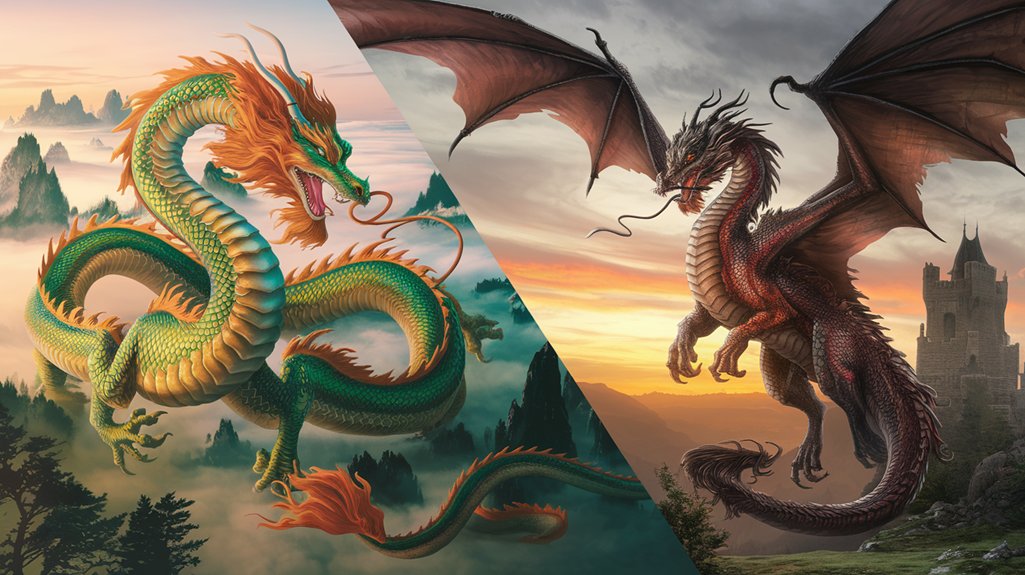
Slavic dragons differ dramatically from their Western counterparts. Zmey dragons are massive serpentine creatures with multiple heads (usually three, six, nine, or twelve), breathing fire and hoarding treasure.
But they're also shapeshifters who can appear as handsome men, seducing mortal women and fathering half-human children. What I find most interesting about zmey is their intelligence and magical abilities.
They're not mindless beasts—they're cunning opponents who use strategy, magic, and psychological warfare. The famous Zmey Gorynych engages in complex negotiations with heroes, sometimes even honoring agreements when defeated fairly.
These dragons often guard bridges between worlds, demanding payment or combat from those who wish to pass. This threshold guardian role connects them to ancient Indo-European myths about serpentine guardians of otherworlds.
The kicker? Some zmey are actually protective spirits, guarding communities from other supernatural threats. Not all dragons in Slavic mythology are enemies.
Firebird and Other Magical Avians
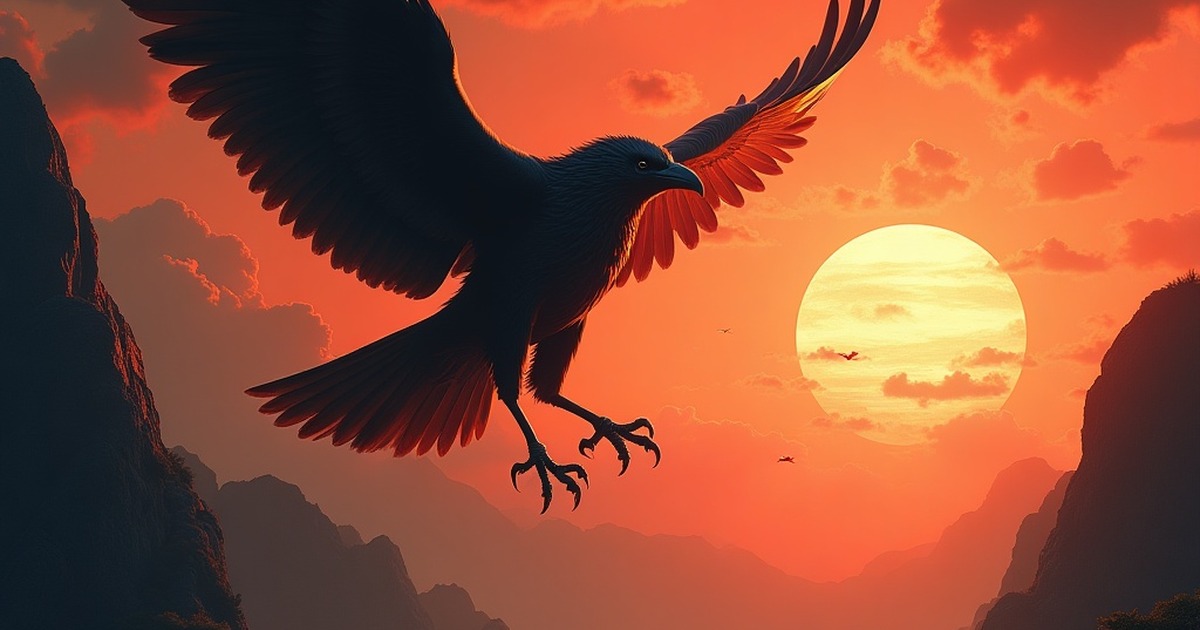
The Firebird (Žar-ptica) is perhaps the most beautiful creature in Slavic mythology. Her feathers glow like flame, her song can heal or curse, and possessing even a single feather brings both blessing and curse.
She represents the double-edged nature of magical gifts. Stories featuring the Firebird often involve impossible quests and moral choices. Heroes who seek her face tests of character, wisdom, and determination.
The Firebird herself is morally neutral—she's a force of nature that can bring great good or terrible consequences depending on how she's approached. Here's where it gets interesting: the deeper symbolism reveals that magical power always comes with a price.
You might gain incredible abilities, but you'll also attract dangerous attention and face difficult responsibilities.
Undead and Supernatural Humanoids {#section-5}
Vampir/Upyr – Slavic Vampires
Long before Bram Stoker's Dracula, Slavic peoples knew about vampires. The original vampir/upyr bears little resemblance to romantic Victorian vampires.
These were bloated, ruddy-faced undead who returned from improper burial to drain life from their communities. Slavic vampires weren't sophisticated aristocrats—they were local problems requiring local solutions.
A vampire might be your neighbor who died of plague, an unbaptized child, or someone buried without proper rites. They spread disease, caused nightmares, and drained vitality rather than just blood.
Protection methods varied by region but often included garlic, holy water, iron objects, and specific burial practices. The famous wooden stake was just one of many destruction methods—burning, beheading, or even just proper reburial might work.
Here's what the research shows: vampire beliefs served practical purposes, explaining disease outbreaks and ensuring proper burial customs. Fear of vampires motivated communities to handle corpses safely.
Strigoi and Other Restless Dead
Romanian and Southern Slavic traditions include strigoi—troubled souls who can't find peace. Unlike vampires, strigoi might be living people with supernatural abilities or spirits of the dead who return for specific purposes.
Living strigoi are born with cauls or other birth signs indicating magical abilities. They can become invisible, transform into animals, and drain energy from others without dying first.
Dead strigoi return to complete unfinished business, seek revenge, or because of improper burial. They're more active and intelligent than typical undead, capable of complex interactions with the living.
What makes this myth enduring is how it addresses the universal fear of death and the unknown. Strigoi stories provide frameworks for understanding loss, grief, and the continuation of relationships beyond death.
Protective and Benevolent Entities {#section-6}
Hearth Goddesses and Ancestral Spirits
Not all supernatural beings among slavic mythology creatures are neutral or dangerous. Slavic mythology includes numerous protective entities, from ancestral spirits watching over families to hearth goddesses ensuring domestic prosperity.
Ancestral spirits, particularly recently deceased family members, were thought to maintain active interest in their living relatives' welfare. They might appear in dreams to offer warnings, guidance, or blessings.
Proper remembrance through rituals and offerings kept these relationships strong. The deeper symbolism reveals that death doesn't sever family bonds—it transforms them.
Hearth goddesses like Mokosh oversee domestic prosperity, women's work, and family fertility. They're invoked during childbirth, harvest times, and other crucial moments.
Guardian Spirits of Crops and Livestock
Agricultural communities developed extensive relationships with spirits protecting crops and animals. Pole spirits watched over grain fields, while cattle spirits ensured livestock health and fertility.
These weren't distant deities—they were supernatural neighbors requiring regular attention and respect. Seasonal festivals often honored these protective spirits, timing planting and harvesting to maintain spiritual harmony.
The success of agricultural endeavors depended as much on spiritual relationships as on weather and soil quality. Across cultures, we find this understanding that farming involves partnership with supernatural forces.
Think about it: if you're entirely dependent on forces beyond your control (weather, soil, pests), wouldn't you want every possible ally?
Regional Variations Across Slavic Countries {#section-7}
| Region | Forest Guardian | Water Spirit | House Spirit | Unique Features |
|---|---|---|---|---|
| Russian | Leshy | Rusalka | Domovoi | Vast forest territories, river systems |
| Polish | Boruta | Topielec | Chowaniec | Mountain influences, Catholic adaptations |
| Serbian | Šumski čovek | Vila | Kućni duh | Balkan mountain spirits, Ottoman influences |
| Czech | Vodník | Víla | Skritek | Germanic influences, urban adaptations |
Eastern Slavic Traditions (Russian, Ukrainian, Belarusian)
Eastern Slavic territories, with their vast forests and major river systems, developed particularly rich forest and water spirit traditions. The leshy here is often more powerful and territorial than in other regions.
Russian traditions include unique creatures like the domovoi's relatives: the dvorovoi (yard spirit), the ovinnik (grain drying house spirit), and the bannik (bathhouse spirit). Each building type has its own supernatural guardian.
Ukrainian rusalka traditions are especially detailed, with specific rituals for Rusalka Week and elaborate protections for swimmers and fishermen. Belarusian forest spirits include the pushcha guardian, reflecting the region's ancient forest reserves.
Western Slavic Variations (Polish, Czech, Slovak)
Western Slavic regions, influenced by Germanic traditions and earlier Christianization, show more integration between pagan spirits and Christian beliefs. Polish boruta spirits often work alongside Christian saints rather than opposing them.
Czech traditions include detailed mining spirits reflecting the region's mineral wealth. Slovakian mountain spirits are particularly fierce, guarding high peaks and alpine meadows.
These regions also developed more urban spirit traditions as cities grew larger earlier than in Eastern Europe. Household spirits adapted to city living, protecting apartment buildings and guild workshops.
Southern Slavic Characteristics (Serbian, Croatian, Bulgarian)
Balkan slavic mythology creatures reflect Mediterranean and Ottoman influences alongside older Slavic traditions. Vila here are often more connected to specific mountains and have stronger relationships with weather patterns.
Bulgarian traditions include unique dragon-slaying customs and elaborate summer solstice rituals. Serbian epic poetry preserves many ancient creature descriptions that were lost elsewhere.
Croatian coastal regions developed sea-spirit traditions distinct from inland water spirits. The Adriatic Sea spawned its own supernatural ecosystem.
Seasonal Creatures and Festival Beings {#section-8}
Spring Awakening Spirits
Slavic seasonal celebrations recognized specific creatures that emerged during different times of year. Spring brought awakening spirits like the rusalkas leaving their winter water homes to dance in fields.
Maslenitsa (Butter Week) traditions include the burning of winter spirits to make way for spring growth. These aren't just celebrations—they're supernatural management practices.
Green Week festivities honor plant spirits awakening from winter dormancy. Young people would go into forests to “wake up” the trees and invite growth spirits back to agricultural areas.
Summer Solstice Beings
Kupala Night (Summer Solstice) is when the boundary between human and spirit worlds becomes thinnest. This is when you're most likely to encounter slavic mythology creatures in their full power.
Fire spirits dance in bonfires, water spirits emerge to interact with humans, and forest creatures venture into the open. It's both the most dangerous and most magical night of the year.
Traditional flower crowns and herb gathering during Kupala aren't just pretty customs—they're protection against supernatural beings who might be overwhelming in their intensity.
Autumn and Winter Spirits
Harvest festivals honor field spirits who've protected crops through the growing season. The last sheaf of grain traditionally houses the spirit until next spring's planting.
Winter brings different creatures entirely. Cold-weather spirits like the Snegurochka (Snow Maiden) emerge, while warm-weather beings retreat into hibernation.
Christmas traditions blend Christian and pagan elements, with gift-giving spirits like Ded Moroz representing ancient winter deities adapted for Christian contexts.
Shapeshifters and Trickster Spirits {#section-9}
Werewolves and Were-creatures
Slavic shapeshifting traditions include voluntary and involuntary transformation. Werewolves (volkodlak) might be cursed individuals, powerful magicians, or souls transformed by trauma.
Unlike Western werewolves tied to lunar cycles, Slavic were-creatures often transform at will or under emotional stress. They retain human intelligence and moral agency while in animal form.
Bear-shifters, wolf-shifters, and even bird-shifters appear in different regional traditions. Each type reflects local environmental relationships and spiritual practices.
Cunning Tricksters
Forest and household spirits often display trickster characteristics, playing pranks that teach lessons about proper behavior. The leshy's habit of leading people in circles isn't just malicious—it's educational.
Trickster spirits test human character through seemingly harmful but ultimately instructive encounters. Passing their tests brings great rewards; failing them teaches humility and respect.
These interactions preserve cultural knowledge about environmental navigation, social cooperation, and spiritual awareness. Legends speak of how trickster encounters changed people for the better.
Agricultural and Harvest Spirits {#section-10}
Field and Grain Guardians
Polevoi spirits guard grain fields from pests, thieves, and supernatural threats. They appear as small, earth-colored beings who can become invisible at will.
These spirits judge farmers' work ethics and environmental practices. Lazy or greedy farmers might find their crops mysteriously failing, while respectful ones receive supernatural assistance.
Grain spirits literally inhabit the growing crops, moving from plant to plant and concentrating in the healthiest areas. Harvest rituals carefully preserve these spirits for next year's planting.
Orchard and Garden Protectors
Fruit trees and vegetable gardens have their own protective spirits distinct from field guardians. Orchard spirits are particularly concerned with proper pruning, watering, and seasonal care.
These beings form relationships with specific trees, sometimes spanning human generations. Old fruit trees develop especially powerful resident spirits who remember decades of seasonal cycles.
Garden spirits work more closely with human caretakers, offering guidance through dreams, signs, and subtle influences on plant growth.
Livestock Spirits
Cattle, horses, and other domestic animals attract protective spirits who ensure their health and fertility. These beings appear as idealized versions of the animals they protect.
Stable spirits like the dvorovoi watch over horses, while cattle spirits ensure milk production and protect against disease. Proper treatment of animals maintains good relationships with these guardians.
Shepherds develop special relationships with pastoral spirits who help guide flocks, warn of predators, and ensure good grazing. These partnerships often span entire careers.
Death and Otherworld Entities {#section-11}
Psychopomps and Death Omens
Slavic traditions include various creatures that guide souls between worlds or warn of approaching death. Ravens, certain night birds, and spectral horses serve as messengers between realms.
Death omens appear as supernatural beings giving warnings to prepare families for loss. These aren't just frightening encounters—they're opportunities for spiritual and practical preparation.
Psychopomp spirits help souls navigate the transition from life to death, ensuring proper arrival in otherworld territories. They're guides, not judges, helping confused spirits find their destinations.
Otherworld Guardians
The boundaries between worlds require supernatural guardians who control passage and maintain cosmic order. These beings are among the most powerful in Slavic mythology.
Threshold guardians test the worthiness of souls seeking to enter otherworld territories. They're not arbitrarily cruel—they ensure that beings enter appropriate realms.
Bridge and crossroads spirits manage supernatural traffic, preventing dangerous entities from entering human territories while allowing beneficial contact.
Ancestors and Returning Souls
Beloved dead who maintain positive relationships with living family members can return for specific purposes. These aren't frightening encounters but welcomed reunions.
Ancestral spirits offer protection, guidance, and blessings to their descendants. They're particularly active during family crises, celebrations, and important decisions.
Proper memorial practices maintain these beneficial relationships, while neglect might cause ancestral spirits to withdraw their protection or become troublesome.
Modern Legacy and Cultural Impact {#section-12}
Slavic Creatures in Contemporary Media
Slavic mythology creatures have found new life in modern entertainment. Video games like “The Witcher” series introduced global audiences to leshy, rusalka, and other beings.
Films, books, and television shows continue mining this rich mythological tradition for fresh supernatural content. What's encouraging is how modern creators often respect the complexity of these beings rather than reducing them to simple monsters.
This helps preserve their cultural significance while introducing them to new audiences. Gaming culture particularly embraces Slavic supernatural beings as more nuanced than typical fantasy monsters.
But here's the catch: popular media sometimes oversimplifies or misrepresents these creatures, losing their cultural context and spiritual significance.
Surviving Folk Traditions
Rural communities across Slavic countries maintain connections to these ancient beliefs. While few people literally believe in domovoi anymore, many still follow traditional practices “just in case.”
Leaving offerings, following old customs, and respecting sacred sites continue in modernized forms. Academic researchers work to document surviving traditions before they're lost to urbanization and globalization.
These efforts preserve not just stories but entire worldviews that offer alternatives to purely materialistic thinking. What makes this myth enduring is its relevance to contemporary environmental and social concerns.
Contemporary Spiritual Movements
Modern paganism and eco-spirituality movements draw inspiration from Slavic supernatural traditions. People seeking alternatives to mainstream religions find wisdom in these ancient practices.
Urban practitioners adapt traditional rituals for apartment living, creating modern relationships with household spirits and nature beings. These adaptations preserve core principles while accommodating contemporary lifestyles.
Environmental movements reference Slavic protective spirits to argue for conservation and sustainable practices. The leshy becomes a symbol of forest preservation; rusalkas represent clean water advocacy.
Frequently Asked Questions
What's the difference between Slavic mythology creatures and Western European monsters?
Slavic supernatural beings are typically more morally complex than Western monsters. They're not inherently evil—they follow natural laws and respond to human behavior. A leshy protects forests but helps respectful visitors, while Western dragons are usually just destructive. Slavic creatures also have stronger connections to specific locations and daily life.
Are domovoi spirits good or bad for your household?
Domovoi are protective house spirits that become good or bad depending on how you treat them. A respected domovoi brings luck, protects from evil spirits, and helps with chores. But disrespect him through messiness, rudeness, or breaking family traditions, and he'll make life miserable by hiding objects, spoiling food, and creating general household chaos.
How do you protect yourself from dangerous Slavic mythology creatures?
Protection usually involves respect, proper offerings, and following traditional customs rather than fighting. Iron objects, bread and salt, garlic, and blessed items provide general protection. Specific creatures require specific approaches—wearing clothes backwards confuses the leshy, while rusalkas can be driven away with wormwood or loud noises.
Can Slavic supernatural beings be helpful to humans?
Absolutely! Many Slavic creatures are protective or beneficial when approached respectfully. Berehynia guard water sources, ancestral spirits offer guidance, and household spirits maintain domestic harmony. Even potentially dangerous beings like vila or leshy often help humans who show proper respect for nature and follow traditional customs.
Do people still believe in these creatures today?
While literal belief has declined, many Slavic people maintain traditional practices “just in case” and out of cultural respect. Rural communities especially preserve customs like leaving offerings for house spirits or following bathhouse etiquette. Modern pagan and environmental movements also draw inspiration from these traditions for contemporary spiritual practices.
What role did these creatures play in Slavic society?
These beings served as cultural technology for maintaining community values, environmental awareness, and social cooperation. They explained natural phenomena, enforced proper behavior, and preserved traditional knowledge. Stories about supernatural consequences encouraged respectful treatment of nature, neighbors, and family traditions.
How do Slavic vampires differ from modern vampire mythology?
Original Slavic vampires were bloated, diseased-looking undead locals who returned due to improper burial or violent death. They spread illness and drained vitality rather than being sophisticated blood-drinkers. They were community problems solved by proper burial customs, not romantic figures. Most were recently deceased neighbors, not ancient aristocrats.
Final Thoughts
The supernatural beings of Slavic mythology represent far more than simple folklore. They embody thousands of years of human wisdom about living in harmony with natural and supernatural worlds.
These creatures taught respect for nature, proper social behavior, and the importance of maintaining balance between human needs and environmental health. What strikes me most about studying these beings is their relevance to contemporary concerns.
Climate change, social isolation, and disconnection from natural rhythms are modern problems that ancient Slavic wisdom addressed through supernatural intermediaries. Perhaps we could learn from these traditions about rebuilding respectful relationships with the world around us.
These aren't just quaint historical curiosities—they're sophisticated cultural technologies for maintaining community cohesion, environmental awareness, and spiritual well-being. Whether you believe in their literal existence or appreciate them as metaphorical wisdom, slavic mythology creatures offer insights into living more consciously in an enchanted world.
The forests still rustle with unexplained sounds. The question is: are we still listening?
Start exploring these traditions in your own life. Research your family's cultural background. Visit natural spaces with respectful awareness. Consider how ancient wisdom might inform modern environmental and social challenges.
The creatures are waiting to teach us, if we're ready to learn.