- The Enigmatic Pantheon of Celtic Mythology
- The Dagda: Father of the Gods
- Brigid: The Flame-haired Goddess
- Nature Spirits and the Sacred Groves
- Heroes, Tragedy, and the Epic Tradition
- Frequently Asked Questions
- What distinguishes Celtic deities from Greek or Roman gods?
- How do Celtic myths relate to other European folklore traditions?
- Why are so few original Celtic texts surviving?
The Enigmatic Pantheon of Celtic Mythology
Celtic mythology, steeped in mystery and oral tradition, offers a pantheon as intricate as those chronicled by Homer or Ovid, yet distinctly rooted in the landscapes of ancient Gaul, Ireland, and Britain. Unlike the well-documented Greek or Roman gods, the Celtic divine often emerges through fragmentary texts like the Mabinogion and the Táin Bó Cúailnge, medieval manuscripts that preserve echoes of pre-Christian beliefs. These sources, though filtered through Christian scribes, hint at a vibrant world of deities who wielded power over war, fertility, and the unseen forces of nature.
The Dagda: Father of the Gods
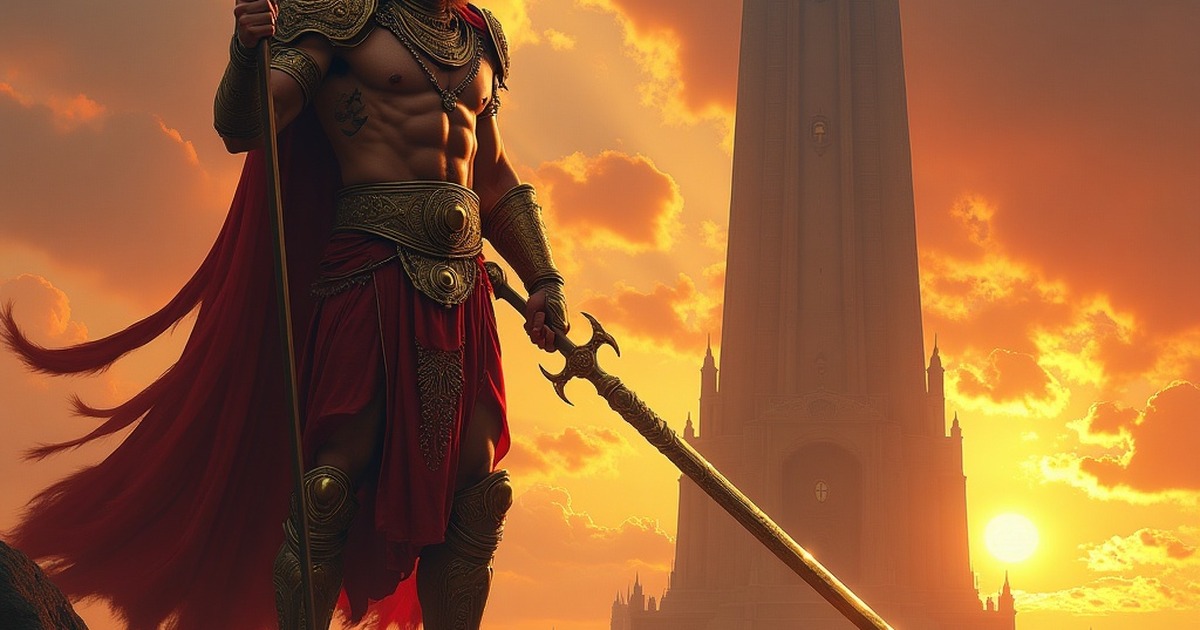
At the heart of the Celtic pantheon stood the Dagda, a figure of immense stature and paradox. Known as the “Good God,” he governed life and death with a club that could kill or resurrect. His cauldron of abundance fed armies, while his harp, Uaithne, controlled the seasons. The Lebor Gabála Érenn (Book of Invasions) links him to the Tuatha Dé Danann, a race of deities who retreated into the Otherworld after their defeat by mortal invaders. Such tales underscore the Celts' reverence for duality—creation and destruction, wisdom and chaos—all embodied in one divine figure.
Brigid: The Flame-haired Goddess
Brigid, a goddess of poetry, healing, and smithcraft, reflects the Celtic reverence for craftsmanship and creativity. Her sacred flame burned eternally in Kildare, tended by priestesses until the 12th century. The Book of Leinster mentions her role in the Táin Bó Cúailnge, where she aids the hero Cú Chulainn. Later syncretism merged her with the Christian St. Brigid, showcasing the seamless transition of pagan beliefs into medieval folklore. This duality mirrors the Egyptian goddess Isis, who similarly bridged mortal and divine realms.
Nature Spirits and the Sacred Groves
The Celts perceived divinity in the natural world, populating their lore with spirits like the Aos Sí, ethereal beings tied to hills and forests. These entities, akin to Norse landvættir, guarded the threshold between the mortal and supernatural. The Saga of Fergus mac Léti recounts encounters with otherworldly maidens whose magic could both heal and ensnare. Unlike the structured heavens of Greek mythology, the Celtic cosmos thrived on liminal spaces—where rivers whispered secrets and trees housed ancestral wisdom.
Heroes, Tragedy, and the Epic Tradition
Celtic heroes embodied the epic spirit of their age. Cú Chulainn, central to the Táin Bó Cúailnge, wielded the Gáe Bulg, a barbed spear capable of killing with a single strike. His tragic fate—a warrior cursed by the morrigán, a goddess of war and fate—reflects the mortal limits against divine will. The Morrigán herself, often depicted as a trio of crows, foreshadows doom with unnerving precision, a motif echoed in other Indo-European traditions. These legends, preserved in Welsh and Irish texts, rival the grandeur of Homer’s Iliad in their exploration of glory and doom.
Frequently Asked Questions
What distinguishes Celtic deities from Greek or Roman gods?
Celtic mythology emphasizes a closer bond between mortals and the divine, often blurring the lines between the two. Deities like the Dagda or Brigid were not distant rulers but active participants in daily life, influencing crops, battles, and craftsmanship. Their stories, preserved in oral tradition, lack the systematic theology of Greek or Roman pantheons, relying instead on symbolic imagery and localized shrines.
How do Celtic myths relate to other European folklore traditions?
The Celts shared a common Indo-European heritage with the Norse, Germans, and Greeks, leading to thematic overlaps. For instance, the Germanic trickster archetype parallels the Celtic hero’s cunning, while the Norse Yggdrasil tree finds resonance in Celtic sacred groves. Despite cultural exchanges, each tradition maintained unique symbols—like the Celtic focus on druids and seasonal cycles.
Why are so few original Celtic texts surviving?
Most Celtic literature was transmitted orally, leaving only fragments in later medieval compilations. Christian monks, compiling works like the Book of Kells, preserved these tales, but often altered them to fit Christian values. This loss of primary sources contrasts sharply with the survival of Greek and Roman texts, making Celtic mythology both elusive and richly interpretive.
Your Weekly Dose of Inspiration
Journaling ideas, family tips, and gentle inspiration.