- Cú Chulainn: The Hound of Ulster and the Warp Spasm
- Finn McCool: The Giant Who Shaped Ireland
- The Morrigan: The Goddess of War and Shape-Shifting Fate
- Welsh Counterparts: Culhwch and the Impossible Tasks of Ysbaddaden
- The Legacy of Impossible Feats in Celtic Culture
- FAQ: Celtic Heroes and Their Impossible Feats
- What is the most famous impossible feat of Cú Chulainn?
- How did Finn McCool build the Giant's Causeway?
- What makes the Morrigan's feats impossible compared to human heroes?
- Related from our network
Imagine a world where a single warrior can warp the very fabric of reality, where a giant’s fingers shape the landscape, and a goddess of war turns the tide of battle with a whisper. This is the realm of Celtic mythology—a tapestry of impossibly heroic feats that defy logic yet pulse with raw, primal power. From the blood-soaked plains of Ireland to the misty valleys of Wales, the legends of Cú Chulainn, Finn McCool, and the Morrigan stand as testaments to a culture that revered strength, cunning, and the supernatural. These heroes did not merely fight; they bent the rules of existence, transforming themselves into monstrous forms, outsmarting ancient gods, and even reshaping geography. In this article, we will journey into the heart of these myths, exploring the original contexts and impossible achievements that have captivated generations. Prepare to meet figures whose stories are not just folklore, but the very bedrock of Celtic identity—where the impossible was not a limit, but a beginning.
Cú Chulainn: The Hound of Ulster and the Warp Spasm
Cú Chulainn, the legendary hero of the Ulster Cycle, is perhaps the most visceral embodiment of Celtic heroic excess. His most famous impossible feat is the *ríastrad* or “warp spasm”—a terrifying bodily transformation that occurred in the heat of battle. According to the 12th-century manuscript *Táin Bó Cúailnge* (The Cattle Raid of Cooley), his body would contort: one eye would sink into his skull, the other would bulge out monstrously; his mouth would stretch to his ears, and a “hero's light” would blaze from his forehead. This was not mere rage; it was a physical manifestation of his divine lineage as the son of the god Lugh. In this state, he was invulnerable, slaughtering hundreds single-handedly, as when he defended Ulster against the armies of Queen Medb. The warp spasm highlights a core Celtic belief: that true heroism required a transcendence of human limits, often at a terrible cost to the self.
Beyond the spasm, Cú Chulainn's impossible feats include his legendary “salmon leap” and his use of the *gáe bolga*, a barbed spear that could only be extracted by cutting the flesh from the victim. In one tale, he fought off the sons of Nechtan Scéne, killing them all after a grueling duel. But his most poignant impossible act was his final stand: despite being mortally wounded, he tied himself to a standing stone so he could die on his feet, facing his enemies. This defiance of death itself—choosing the manner of his end—cements him as a hero who controlled even his own oblivion. The Ulster Cycle, preserved in the *Lebor na hUidre* (Book of the Dun Cow), shows us a world where heroism was synonymous with supernatural endurance.
- The Warp Spasm: A full-body transformation that granted superhuman strength and invulnerability.
- The Gáe Bolga: A spear that could kill from a distance, requiring a specific ritual to remove.
- The Salmon Leap: A legendary jump that allowed him to cross rivers and evade enemies.
Finn McCool: The Giant Who Shaped Ireland
Finn McCool (or Fionn mac Cumhaill) is the central hero of the Fenian Cycle, a figure whose impossible feats are woven into the very geography of Ireland. His most famous exploit is the construction of the Giant's Causeway—a basalt column formation on the coast of Antrim. According to legend, Finn built this causeway to challenge a Scottish giant, Benandonner. When Benandonner proved far larger than expected, Finn’s wife, Oonagh, disguised him as a baby. Upon seeing the “infant's” size, Benandonner fled in terror, tearing up the causeway behind him. This story, recorded in the 12th-century *Acallam na Senórach* (Colloquy of the Ancients), illustrates a key Celtic theme: wit and cunning could overcome brute strength. The causeway, a real geological wonder, becomes a testament to Finn's ability to reshape the world.
Finn's impossible feats are not limited to landscape architecture. He gained his legendary wisdom by accidentally tasting the Salmon of Knowledge—a fish that had eaten the hazelnuts of wisdom from the Well of Segais. This salmon, when cooked, imparted all knowledge to Finn when he burned his thumb and put it in his mouth. From that moment, he could see the future and understand the language of animals. This act of accidental acquisition highlights a Celtic belief in the transformative power of nature and the sacred. The Fenian Cycle, preserved in manuscripts like the *Duanaire Finn* (The Poem Book of Finn), also credits him with leading the *fianna*, a band of warrior-hunters who lived outside societal norms, performing feats of strength and loyalty that blurred the line between human and divine. Finn’s legacy is one of impossible wisdom and physical dominion over the land.
- Giant's Causeway: A man-made bridge to Scotland, now a UNESCO World Heritage site.
- Salmon of Knowledge: An accidental taste that granted omniscience.
- The Fianna: A warrior band that could run across tree branches and fight without weapons.
The Morrigan: The Goddess of War and Shape-Shifting Fate
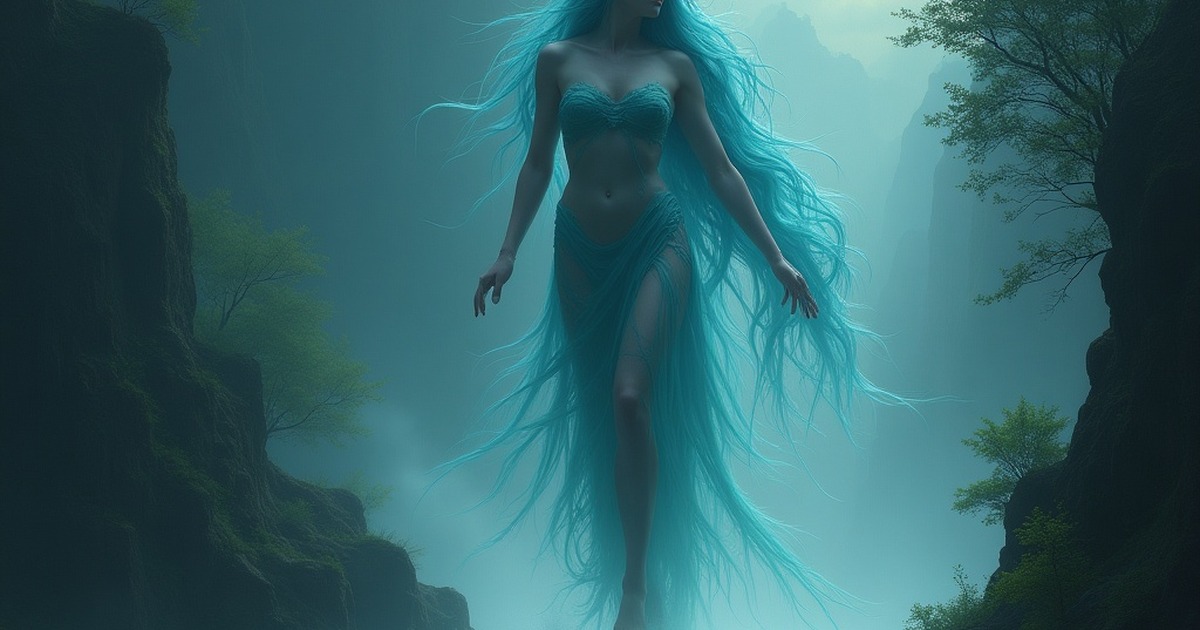
Unlike the mortal heroes of the Ulster and Fenian Cycles, the Morrigan is a deity—a goddess of war, fate, and death whose impossible feats are woven into the fabric of prophecy. She appears in the *Táin Bó Cúailnge* as a shape-shifter, often taking the form of a crow, an eel, or a wolf. Her most famous impossible act is her prophecy to Cú Chulainn: she warned him of his own death, offering him a chance to change his fate by refusing her sexual advances. When he rejected her, she swore to destroy him. This is not a battle of strength but of fate itself. The Morrigan could alter the course of battles by screaming—her “battle crow” cry would terrify armies and bring victory or defeat. In the *Cath Maige Tuired* (The Battle of Mag Tuired), she predicts the destruction of the Fomorians, showcasing her role as a seer who manipulates reality through words.
Her impossible feats also include washing the armor of those doomed to die, a vision known as the “Washer at the Ford.” This act of foresight was so powerful that it could not be reversed, making her a force of cosmic inevitability. The Morrigan’s shape-shifting allowed her to appear as a beautiful woman or a hag, depending on her intent, and she could change the weather and the landscape to aid or hinder heroes. In one tale, she transformed into an eel to trip Cú Chulainn during a ford battle, demonstrating that her power was not in brute force but in the subtle manipulation of fate. The Morrigan represents the Celtic understanding that some heroes are not mortal, and that the impossible is often a divine prerogative. Her stories, preserved in the *Book of Leinster*, remind us that the most fascinating feats are those that blur the line between life and death.
- Shape-Shifting: Could become a crow, eel, wolf, or hag at will.
- Prophecy: Foretold the deaths of heroes, including Cú Chulainn and the Fomorians.
- Battle Cry: Her scream could demoralize entire armies, altering outcomes.
Welsh Counterparts: Culhwch and the Impossible Tasks of Ysbaddaden
While Irish mythology dominates the heroic landscape, Welsh legends offer equally impossible feats, particularly in the tale of *Culhwch and Olwen* from the *Mabinogion*. Culhwch, a cousin of King Arthur, is tasked with winning the hand of Olwen, the giant Ysbaddaden’s daughter. To do so, he must complete a series of seemingly impossible tasks, including hunting the magical boar Twrch Trwyth, retrieving a comb and razor from between its ears, and plowing a field with a team of oxen that have never been yoked. These tasks are not just physical; they require divine intervention, as Culhwch must enlist the help of Arthur’s warriors and even the god Mabon. The feats are so impossible that they become a test of alliances and cunning, rather than brute strength.
What makes these Welsh feats fascinating is their connection to the natural and supernatural worlds. For example, the hunt for Twrch Trwyth spans across Ireland and Wales, with the boar destroying entire landscapes. The comb and razor are needed to shave the giant’s beard, a symbolic act of humiliation and victory. The *Mabinogion*, compiled in the 13th-14th centuries, presents a world where heroism is collective—Culhwch succeeds not alone, but through the impossible cooperation of gods, animals, and men. This contrasts with the solitary feats of Cú Chulainn, emphasizing a different Celtic value: that the impossible can be achieved through community and persistence. The tasks of Ysbaddaden remain a testament to the Welsh belief that the most heroic acts are those that bind the mortal with the divine.
- Hunt for Twrch Trwyth: A boar that destroys entire kingdoms before being captured.
- Retrieval of the Comb and Razor: Objects that require divine aid to obtain.
- Plowing with Unyoked Oxen: A task that defies agricultural logic, solved through magic.
The Legacy of Impossible Feats in Celtic Culture
The impossible feats of Cú Chulainn, Finn McCool, the Morrigan, and Welsh heroes like Culhwch are not mere tall tales; they are cultural artifacts that reveal how the Celts understood heroism. In a society where warfare, land, and fate were intertwined, these stories served as moral and spiritual guides. The warp spasm of Cú Chulainn taught that true bravery came with a cost—often madness or death. Finn’s Salmon of Knowledge showed that wisdom could be accidental, but once gained, it was a sacred burden. The Morrigan’s prophecies reminded listeners that even the greatest heroes were subject to fate, and that the gods were not always benevolent. These tales, passed down orally for centuries before being written in monastic scriptoria, preserved a worldview where the line between human and divine was permeable.
Today, these legends continue to inspire literature, film, and even video games, from the *Fate* series to Marvel’s depictions of Celtic gods. The impossible feats have become metaphors for human resilience—the idea that we can overcome overwhelming odds through wit, courage, or acceptance of our destiny. In modern Ireland, the Giant’s Causeway remains a tourist attraction, and Cú Chulainn’s statue stands in Dublin’s General Post Office, a symbol of resistance. The legacy of these heroes is that the impossible is always possible in the realm of myth, and that by exploring these stories, we connect with a past that saw heroism as a sacred, transformative act. The feats are not just feats; they are invitations to imagine what we, too, might achieve if we dared to warp our own realities.
As you explore these myths, consider how they echo in your own life. What impossible task are you facing? Perhaps the answer lies in the cunning of Finn, the endurance of Cú Chulainn, or the acceptance of fate offered by the Morrigan. The Celtic heroes did not just perform impossible feats—they defined what it means to be human in a world of gods and monsters. Their stories are a call to action: to embrace the impossible, to shape your own landscape, and to face your battles with the same fierce, unyielding spirit that has echoed through the ages.
FAQ: Celtic Heroes and Their Impossible Feats
What is the most famous impossible feat of Cú Chulainn?
Cú Chulainn's most famous impossible feat is the “warp spasm” (*ríastrad*), a grotesque bodily transformation that granted him superhuman strength and invulnerability during battle. This event is central to the *Táin Bó Cúailnge*, where he single-handedly defends Ulster. It highlights the Celtic belief that true heroism required a transcendence of human limits, often at great personal cost.
How did Finn McCool build the Giant's Causeway?
According to legend, Finn built the Giant's Causeway as a bridge to challenge the Scottish giant Benandonner. When Benandonner proved too large, Finn's wife disguised him as a baby, causing the Scottish giant to flee in terror and destroy the causeway. This story, recorded in the *Acallam na Senórach*, uses a real geological formation to illustrate Finn's cunning and connection to the land.
What makes the Morrigan's feats impossible compared to human heroes?
The Morrigan's feats are impossible because she is a goddess, not a mortal. Her shape-shifting into a crow, eel, or hag, her ability to predict and alter fate, and her battle cry that demoralizes armies are all divine acts. Unlike Cú Chulainn or Finn, her power is not physical but cosmic, controlling the very fabric of life and death in Celtic mythology.
Related from our network
- Celtic Myths Reimagined: Reviving the Ancient Traditions of Ireland and Beyond (witchcraftforbeginners)
- Do You Know the True Meaning of These 5 Magical Symbols? (witchcraftforbeginners)
- Celtic Reconstructionism Revealed: Rediscovering Ireland’s Mystical Past (witchcraftforbeginners)
Your Weekly Dose of Inspiration
Journaling ideas, family tips, and gentle inspiration.