- Titanic Titans of the Greek and Roman Earth
- Celtic and Norse Guardians of the Soil
- Egyptian Deities and the Fertile Earth
- Frequently Asked Questions
- What defines an earth mythical creature?
- How do earth creatures differ from aerial or water beings in myth?
- Can modern storytelling still draw inspiration from these ancient earth myths?
- Related Posts
Titanic Titans of the Greek and Roman Earth
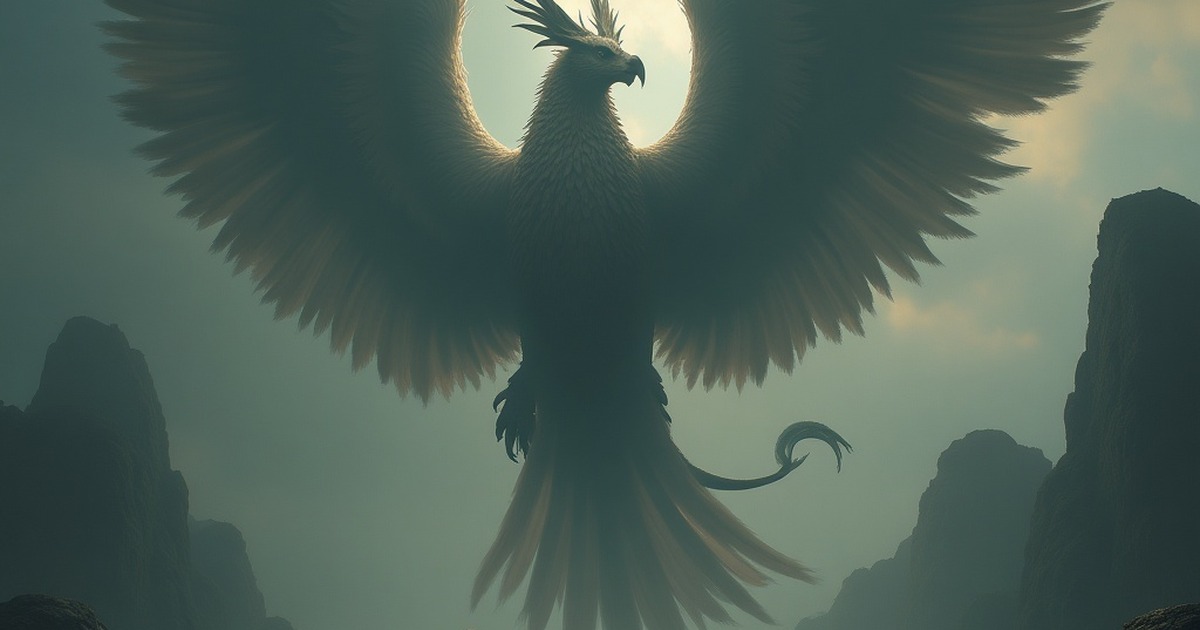
In the Iliad, Homer describes the Gigantes—earth‑born giants who sprang from the blood of Uranus when he was castrated by Cronos. These primordial beings, often depicted as serpent‑footed warriors, embody the raw, tectonic force of the planet itself, challenging the Olympian order in the epic Gigantomachy. Ovid’s Metamorphoses further enriches this tradition with the tale of Antaeus, the Libyan giant whose strength renewed each time he touched the soil; his defeat by Hercules illustrates the ancient belief that the earth could renew a hero’s vigor. Both narratives position the earth not merely as a setting but as an active, mythic participant—a living goddess of stone and fertility whose offspring could shake the foundations of the cosmos.
Roman writers such as Virgil echo these Greek motifs, portraying the Tellus (or Terra Mater) as a nurturing goddess who grants bounty to the faithful yet can unleash earthquakes when angered. The Aeneid recounts how Aeneas, guided by the sibyl, receives promises from Tellus that his lineage will endure as long as the earth sustains them. These stories reveal a pantheon where earth‑bound entities are both protectors and formidable adversaries, their legends intertwined with the rise and fall of heroes and cities.
For readers intrigued by how sky‑dwelling beings contrast with these terrestrial titans, see our exploration of aerial beings in the flying mythical creatures section.
Celtic and Norse Guardians of the Soil
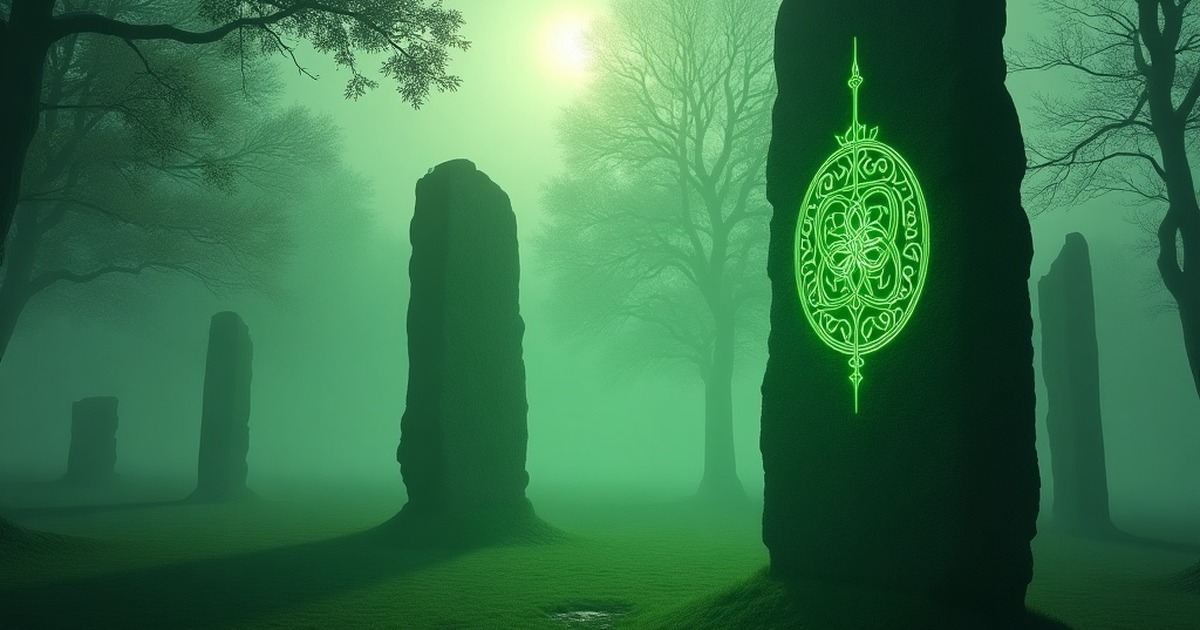
In Celtic folklore, the Fomorians emerge as chaotic, earth‑linked forces often described as monstrous giants who dwell in the dark, subterranean realms of Ireland. The Lebor Gabála Érenn (Book of Invasions) depicts them as predecessors to the Tuatha Dé Danann, embodying the untamed, fertile yet perilous aspects of the land. Their confrontations with heroes such as Lugh highlight a saga where the earth itself tests mortal valor, rewarding those who respect its hidden powers.
Moving north, Norse myth presents the Jörmungandr, the Midgard Serpent whose coiled body encircles the world, symbolizing the oceanic crust that binds the continents. While primarily a sea creature, its origin from the giantess Angrboda and its role in the prophesied Ragnarök underscore the Norse view of the earth as a living organism bound to cosmic fate. Additionally, the Landvættir—land spirits or guardians—are invoked in Icelandic sagas to protect specific tracts of soil, mountains, and rivers, reflecting a deep‑rooted belief that every hill and stone possesses a divine presence.
These traditions illustrate how earth mythical creatures serve as intermediaries between humanity and the planet’s deeper mysteries, a theme further examined in our comparative lists of beings that defy death, such as the phoenix and the hydra, available here.
Egyptian Deities and the Fertile Earth
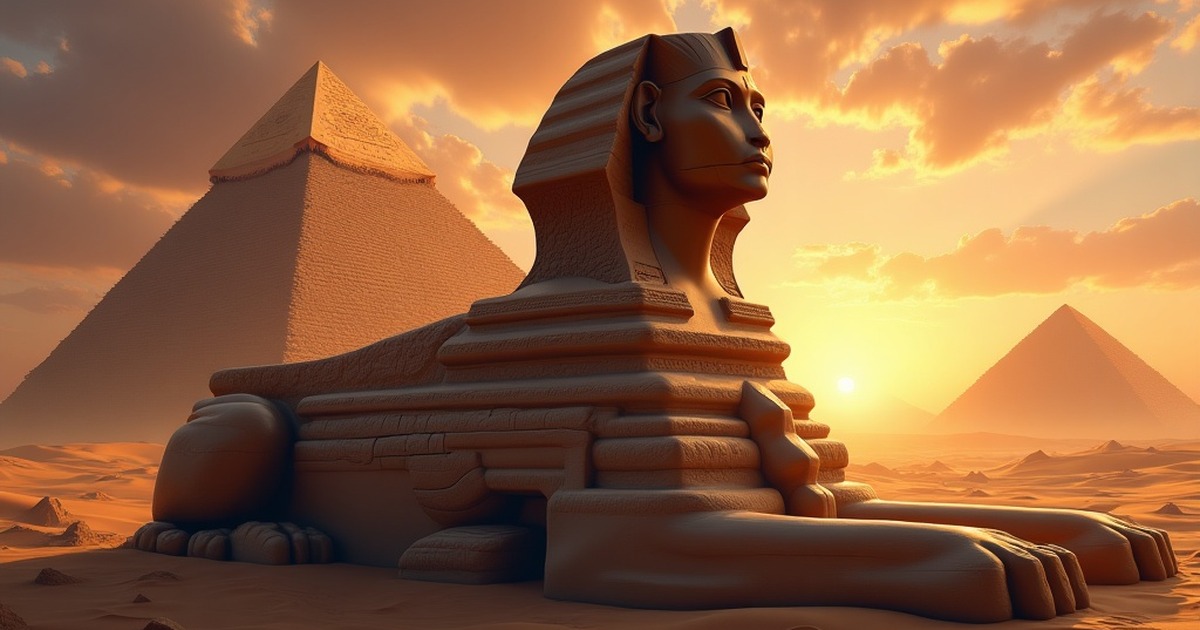
Ancient Egyptian religion venerates Geb, the god of the earth, whose laughter was said to cause earthquakes and whose body formed the fertile soil of the Nile Valley. In the Pyramid Texts, Geb is paired with the sky goddess Nut, their eternal embrace representing the cycle of growth and decay. Geb’s role as a provider of grain and his association with the osiris myth—where the earth receives the deceased god’s body to renew life—demonstrates how the Egyptians viewed the earth as both a nourishing goddess and a regenerative force.
Another earth‑linked entity is the Serket, a scorpion goddess who guards the boundaries of the desert and protects the dead on their journey to the afterlife. Her presence in spells from the Book of the Dead illustrates the belief that earthly dangers could be appeased through divine intervention, ensuring safe passage across the lethal sands.
These Egyptian concepts echo across Mediterranean myth, reinforcing the idea that earth mythical creatures are not mere monsters but integral aspects of a sacred pantheon that sustains cosmic order. For a deeper look at how various cultures compare such entities, consult our comprehensive listings of mythical beings at the German creatures archive or our broader mythical creatures lists and comparisons.
Frequently Asked Questions
What defines an earth mythical creature?
An earth mythical creature is any legendary being whose origin, powers, or domain are intrinsically tied to the soil, stone, or subterranean realms of a culture’s cosmology. Examples include the Greek Gigantes, the Celtic Fomorians, and the Egyptian Geb, each embodying the planet’s creative and destructive forces.
How do earth creatures differ from aerial or water beings in myth?
While aerial beings often symbolize freedom, intellect, or divine messengers, and water creatures represent emotion, the unconscious, or the primordial deep, earth entities are associated with stability, fertility, endurance, and the tangible foundations of civilization. Their myths frequently involve tests of strength, agricultural blessings, or cataclysmic shifts like earthquakes.
Can modern storytelling still draw inspiration from these ancient earth myths?
Absolutely. Contemporary fantasy, literature, and
Related Posts
📚 Explore More on This Topic
Editor's Pick: Illustrated mythology encyclopedia, legendary creatures from earth myths & folklore.
Your Weekly Dose of Inspiration
Journaling ideas, family tips, and gentle inspiration.