- 1. Ra: The Supreme Sun God and Creator
- 2. Osiris: The God of Resurrection and the Afterlife
- 3. Isis: The Goddess of Magic and Motherhood
- 4. Horus: The Sky God and Divine Protector of Kingship
- 5. Thoth: The God of Wisdom, Writing, and Magic
- 6. Anubis: The Guardian of the Dead and Embalmer
- Conclusion: The Hierarchy of Divine Power
- Frequently Asked Questions
- Which Egyptian god was considered the most powerful?
- Why was Anubis replaced by Osiris as the god of the dead?
- How did the Egyptians measure a god's power?
- Related from our network
In the shadow of the pyramids, where the Nile’s waters were seen as the lifeblood of creation, the ancient Egyptians crafted a pantheon of gods whose power was not merely mythical, but cosmic. From the sun-baked deserts to the star-studded skies, each deity held dominion over a facet of existence—creation, death, judgment, and the very order of the universe. But how do we measure the power of a god? Is it through the number of temples dedicated to them, the myths that recount their feats, or the sheer scope of their domain? This deep dive systematically compares the major Egyptian gods, ranking them by their cosmological influence, worship prevalence, and mythological achievements. We will journey from the supreme creator Ra to the enigmatic guide of the dead, Anubis, exploring not just who they were, but how their power shaped the lives of millions over three millennia. Prepare to see the gods of Egypt not as static statues, but as dynamic forces whose rivalries and triumphs defined the very fabric of reality.
1. Ra: The Supreme Sun God and Creator
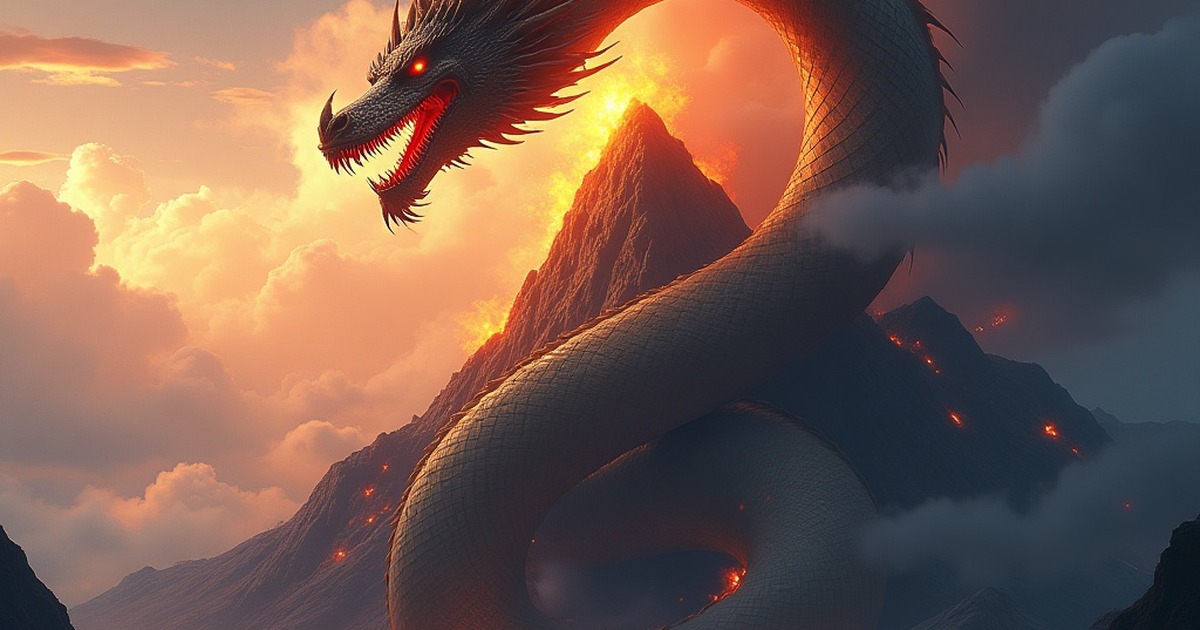
At the apex of the Egyptian pantheon stands Ra, the sun god, whose power was considered absolute. His domain was not just the sky, but the very cycle of life, death, and rebirth that governed all existence. As the creator, Ra emerged from the primordial waters of Nun, bringing light and order (Ma’at) to the chaos. His most significant mythological feat was his daily journey across the sky in his solar barque, a voyage that was both a literal sunrise and a cosmic battle against the serpent Apep, the embodiment of darkness. This struggle was not a mere story; it was a ritual reenacted by pharaohs and priests to ensure the sun would rise again.
The worship of Ra was unparalleled in its scope. The Fifth Dynasty of the Old Kingdom (c. 2494–2345 BCE) saw the construction of sun temples, such as those at Abu Ghorab, where daily offerings were made to sustain the god’s power. The Pyramid Texts, some of the oldest religious writings, are filled with spells to help the deceased king join Ra in his celestial journey. His power was so immense that other major gods, such as Amun, were later syncretized into Amun-Ra, combining the hidden power of Amun with the visible might of the sun. This fusion made Amun-Ra the state god of the New Kingdom, with the Great Temple of Karnak serving as his earthly throne. Ra’s power was not just about strength; it was about the fundamental principle of existence itself—without him, there was no light, no time, no order.
- Domain: Sun, creation, kingship, order (Ma’at).
- Key Mythological Feat: Daily defeat of the serpent Apep to maintain cosmic order.
- Worship Evidence: Pyramid Texts, sun temples of the Fifth Dynasty, syncretism with Amun.
2. Osiris: The God of Resurrection and the Afterlife
While Ra ruled the sky, Osiris held dominion over the underworld and the cycle of death and rebirth. His power was not in brute force, but in transformation and judgment. The Osiris myth is one of the most compelling in all of mythology: he was a benevolent king of Egypt who was murdered by his jealous brother Set, dismembered, and then resurrected by his wife Isis. This story made Osiris the first mummy and the prototype for all who sought eternal life. His power was proven through his ability to transcend death, not by avoiding it, but by mastering it.
The worship of Osiris was deeply personal and widespread. By the Middle Kingdom (c. 2055–1650 BCE), he had become the central figure of funerary cults. The Book of the Dead is filled with spells to help the deceased navigate the Hall of Two Truths, where Osiris presided as the judge of the dead. His cult centers at Abydos, particularly the Temple of Seti I, became pilgrimage sites where Egyptians sought to be buried near the god’s symbolic tomb. Unlike Ra, whose power was cosmic and distant, Osiris’s power was intimate—he offered hope to every person, regardless of social status, that they too could be reborn. His annual festivals, such as the “Mysteries of Osiris,” reenacted his death and resurrection, reinforcing the belief that life could emerge from death.
- Domain: Afterlife, resurrection, judgment, fertility.
- Key Mythological Feat: Death, dismemberment, and resurrection; establishment of the judgment of the dead.
- Worship Evidence: The Book of the Dead, Abydos cult center, Osiris festivals.
3. Isis: The Goddess of Magic and Motherhood
Isis’s power was unique in that it was not tied to a single domain like the sun or the underworld, but to the very fabric of magic itself. She was the “Great of Magic,” a title that reflected her ability to manipulate the forces of the universe. Her most famous feat was the resurrection of her husband Osiris, which she accomplished by gathering his scattered body parts and using her magical spells to breathe life back into him. This act demonstrated that her power could overcome death itself, a feat that even Ra could not claim. She also tricked Ra into revealing his secret name, thereby gaining control over him and the cosmos.
The worship of Isis expanded beyond Egypt’s borders, becoming a major cult in the Greco-Roman world. Her temples, such as the one at Philae, were centers of healing and prophecy. She was often depicted as a mother nursing Horus, making her a symbol of maternal care, but this image belied her immense power. In the Coffin Texts, Isis is invoked for protection in the afterlife, and her magic was considered essential for navigating the dangers of the underworld. Her power was also deeply personal—she was the protector of women, children, and the oppressed. The cult of Isis thrived for over 3,000 years, a testament to her enduring appeal. Unlike Ra’s cosmic authority, Isis’s power was intimate and accessible, available to anyone who sought her aid through rituals and amulets.
- Domain: Magic, motherhood, healing, protection.
- Key Mythological Feat: Resurrection of Osiris; gaining Ra’s secret name.
- Worship Evidence: Philae temple, widespread Greco-Roman cult, Coffin Texts.
4. Horus: The Sky God and Divine Protector of Kingship
Horus, the falcon-headed god, represented the living pharaoh and the power of legitimate rule. His power was proven through his epic conflict with Set, which lasted eighty years and symbolized the struggle between order and chaos. Horus lost an eye in the battle, but it was magically restored by Thoth, becoming the “Eye of Horus,” a powerful symbol of protection and healing. This myth established Horus as the rightful heir to Osiris’s throne, and every pharaoh was considered his earthly incarnation. His domain was the sky, and he was often associated with the sun and the moon, with his eyes representing these celestial bodies.
The worship of Horus was state-sponsored and deeply political. The temple at Edfu, one of the best-preserved in Egypt, was dedicated to him and contains elaborate reliefs depicting his victory over Set. The “Horus Name” was the first of the five names of a pharaoh, emphasizing his divine right to rule. Horus’s power was not just about kingship; it was about the maintenance of Ma’at. In the Pyramid Texts, the deceased king is said to “fly up to the sky” like Horus, joining the god in his celestial form. His cult was widespread, with local forms like Horus the Child (Harpocrates) and Horus the Elder (Haroeris). Horus’s power was tangible and visible in the person of the pharaoh, making him the most political of the major gods. His role as a protector of the living king and the nation made him a constant presence in state rituals and royal iconography.
- Domain: Sky, kingship, protection, victory.
- Key Mythological Feat: Battle with Set; loss and restoration of the Eye of Horus.
- Worship Evidence: Edfu temple, pharaonic titulary, Pyramid Texts.
5. Thoth: The God of Wisdom, Writing, and Magic
Thoth, the ibis-headed god, wielded power through knowledge and intellect rather than physical might. He was the scribe of the gods, the inventor of writing, and the keeper of cosmic knowledge. His most significant mythological feats include mediating the conflict between Horus and Set, using his wisdom to resolve their dispute, and recording the verdict of the deceased in the Hall of Two Truths. He was also credited with creating the Book of the Dead and the Hermetic Corpus, texts that contained the secrets of the universe. Thoth’s power was proven by his ability to calculate time, measure the land after the Nile flood, and maintain the cycles of the moon.
The worship of Thoth was centered at Hermopolis (Khemenu), where he was part of the Ogdoad, the eight primordial gods. His cult was intellectual and scholarly, attracting priests, scribes, and magicians. The Book of Thoth, a legendary text, was said to grant its reader power over the heavens and the earth. Thoth’s power was also evident in his association with the moon, which he used to regulate time and festivals. In the Westcar Papyrus, Thoth is invoked for magical feats, such as reattaching a severed head. Unlike the more martial gods, Thoth’s power was subtle but profound—without his wisdom, the universe would descend into chaos. His influence extended into the Ptolemaic period, where he was identified with the Greek god Hermes, leading to the tradition of Hermeticism. Thoth’s power reminds us that knowledge is the ultimate form of authority.
- Domain: Wisdom, writing, magic, the moon, judgment.
- Key Mythological Feat: Mediation between Horus and Set; recording judgment of the dead.
- Worship Evidence: Hermopolis cult center, Book of the Dead, Hermetic tradition.
6. Anubis: The Guardian of the Dead and Embalmer
Anubis, the jackal-headed god, held power over the liminal space between life and death. His domain was the necropolis and the process of mummification, which he was said to have invented. His most famous mythological role was as the “Opener of the Way,” guiding the deceased through the underworld and into the Hall of Two Truths for judgment. In the Pyramid Texts, Anubis is invoked to protect the king’s body and to ensure his safe passage. His power was proven through his association with the embalming ritual, a process that was essential for eternal life. He was also the god who weighed the heart of the deceased against the feather of Ma’at, a task that placed him at the center of the afterlife drama.
The worship of Anubis was ancient and widespread, with his cult center at Cynopolis (the “City of the Dog”). He was often depicted as a black jackal, a color symbolizing regeneration and the fertile Nile mud. His priests were skilled embalmers, and his rituals were performed in the “House of Gold,” the embalming workshop. Anubis’s power was not about cosmic authority but about practical necessity—he was the god you needed when facing the ultimate unknown. Unlike Osiris, who judged, or Ra, who created, Anubis was the guide and protector. His role in the Book of the Dead is pervasive, with spells dedicated to him for safe passage. Anubis’s power endures in modern culture as the iconic symbol of ancient Egyptian death rituals, a testament to his lasting influence.
- Domain: Death, mummification, the underworld, guidance.
- Key Mythological Feat: Invention of embalming; weighing of the heart.
- Worship Evidence: Cynopolis cult center, Pyramid Texts, Book of the Dead.
Conclusion: The Hierarchy of Divine Power
Ranking the Egyptian gods by power is not about declaring a single victor, but understanding the different dimensions of influence that shaped their world. Ra’s power was cosmic and absolute, the source of all life. Osiris’s power was transformative, offering hope beyond death. Isis’s power was magical and intimate, accessible to all. Horus’s power was political, embodied in the pharaoh. Thoth’s power was intellectual, the foundation of knowledge. Anubis’s power was practical, the guide through the unknown. Each god held dominion over a critical aspect of existence, and their power was measured by their ability to maintain Ma’at—the cosmic order. As you explore these myths, consider how these ancient concepts of power still resonate today. What kind of power do you seek? The power of creation, transformation, knowledge, or protection? Share your thoughts in the comments below, and continue your journey into the mysteries of ancient Egypt.
Frequently Asked Questions
Which Egyptian god was considered the most powerful?
Ra, as the sun god and creator, was generally considered the most powerful Egyptian god due to his role in maintaining cosmic order and his daily defeat of the chaos serpent Apep. His syncretism with Amun into Amun-Ra made him the state god of the New Kingdom, with the largest temples and most widespread worship.
Why was Anubis replaced by Osiris as the god of the dead?
Anubis was the original god of the dead in the Old Kingdom, but as the Osiris myth gained prominence in the Middle Kingdom, Osiris took over the role of judge and ruler of the underworld. Anubis retained his role as the embalmer and guide, becoming a subordinate but essential figure in the afterlife process.
How did the Egyptians measure a god's power?
Power was measured through a combination of mythological feats, such as creation or defeat of chaos, the number of temples and priests dedicated to the god, and their influence on daily life through rituals and festivals. The syncretism of gods, like Amun-Ra, also indicated a god's ability to absorb the power of others.
Related from our network
- Understanding Diffusion Models: Mathematical Foundations Explained (aidiscoverydigest)
- Kemetic Polytheism Unveiled: Balancing Ma’At With Egyptian Divine Energy (witchcraftforbeginners)
- From Pharaohs to Festivals: The Enduring Magic of Kemetic Polytheism (witchcraftforbeginners)
Your Weekly Dose of Inspiration
Journaling ideas, family tips, and gentle inspiration.