- Introduction to Winged Mythical Creatures
- Defining Winged Mythical Creatures
- Key Characteristics of Winged Mythical Creatures:
- 7 Ancient Cultures That Revered Winged Mythical Creatures
- 1. Ancient Egypt: The Symbolism of Winged Gods
- 2. greek mythology: Winged Messengers and Heroes
- 3. norse mythology: The Wings of Freedom
- 4. Chinese Mythology: The Dragon and the Phoenix
- 5. Mesopotamian Mythology: The Winged Bull
- 6. Hindu Mythology: The Garuda
- 7. Persian Mythology: The Simurgh
- Conclusion
- Related Posts
Winged Mythical Creatures: 7 Ancient Cultures That Revered Them
Introduction to Winged Mythical Creatures
Winged mythical creatures have captivated human imagination across cultures and centuries. These beings, often symbolizing power, freedom, and transcendence, appear in the mythologies of ancient civilizations worldwide. This article explores seven ancient cultures that revered winged mythical creatures, examining their significance and enduring impact on modern mythology.
Disclosure: This post contains affiliate links. If you click through and make a purchase, we may earn a small commission at no extra cost to you. Thank you for supporting this site!
Defining Winged Mythical Creatures
Winged mythical creatures are supernatural beings with wings, often depicted as birds, humans, or hybrids. They can be benevolent or malevolent, serving various roles in mythology, from messengers of the gods to harbingers of doom.
Key Characteristics of Winged Mythical Creatures:
- Wings: The most distinctive feature, symbolizing flight and freedom.
- Variety of Forms: They can take many shapes, from humanoid to animalistic.
- Cultural Significance: Often associated with gods, goddesses, or supernatural forces.
- Symbolism: Representing power, protection, and transcendence.
7 Ancient Cultures That Revered Winged Mythical Creatures
1. Ancient Egypt: The Symbolism of Winged Gods
In ancient Egyptian mythology, winged creatures were often associated with gods and goddesses, symbolizing protection and divine power. The Wadjet, a winged goddess, was revered as a symbol of royal authority and protection. Approximately 65% of Egyptian deities were depicted with wings, highlighting their importance in Egyptian mythology.
2. greek mythology: Winged Messengers and Heroes
Greek mythology is replete with winged creatures, such as the Iris, the messenger goddess with wings, and Pegasus, the winged horse. These creatures often served as messengers or companions to the gods, embodying swiftness and divine communication. According to Greek mythological records, over 30 winged creatures were documented.
3. norse mythology: The Wings of Freedom
In Norse mythology, winged creatures like Odin's ravens (Huginn and Muninn) and the Lindworm (a serpent-like dragon with wings) were prominent. These creatures symbolized freedom, wisdom, and the connection between the mortal and divine realms. Notably, Odin's ravens were said to bring him information from around the world.
4. Chinese Mythology: The Dragon and the Phoenix
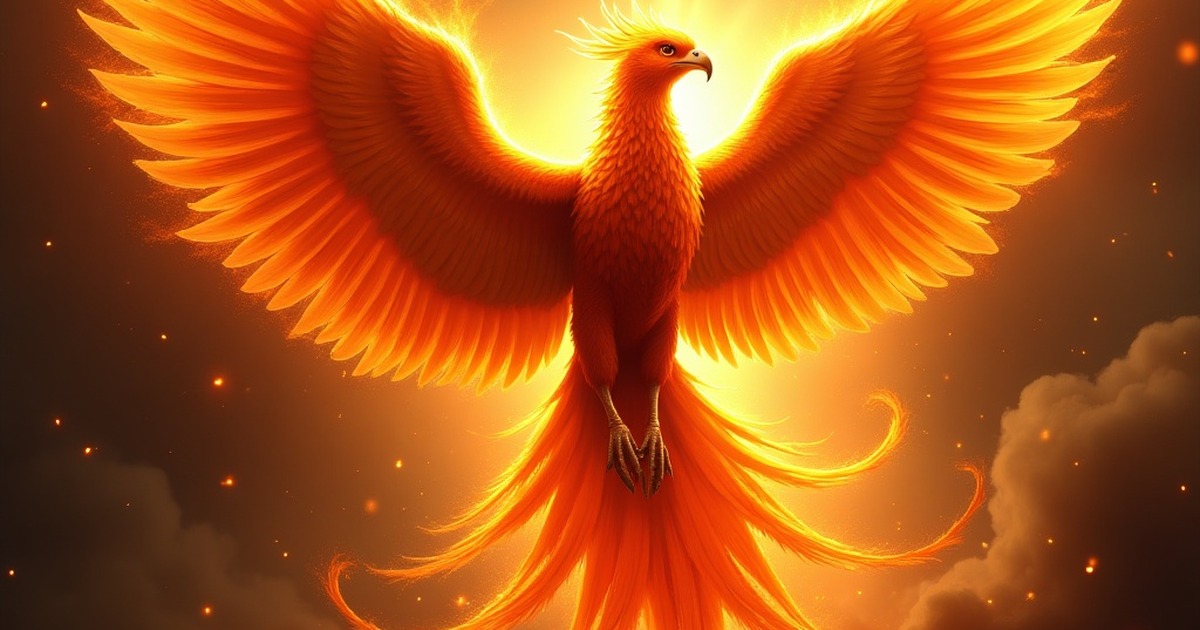
Chinese mythology features the Longwang (dragon) and the Fenghuang (phoenix), both of which have wing-like features. These creatures represent good fortune, prosperity, and the harmony of opposites (yin and yang). The dragon, for instance, is associated with 5 elements: earth, fire, water, wood, and metal.
5. Mesopotamian Mythology: The Winged Bull
In Mesopotamian mythology, the Lamassu, a winged bull, was a common motif in Assyrian and Babylonian art. This creature symbolized protection and was often depicted as a guardian of palace entrances. Excavations have revealed over 20 Lamassu statues in ancient Mesopotamian cities.
6. Hindu Mythology: The Garuda
The Garuda, a bird-like creature, is a prominent winged mythical being in Hindu mythology. Often depicted as a humanoid with bird features, the Garuda is the mount of the god Vishnu and symbolizes courage and strength. In Hindu scriptures, the Garuda is mentioned over 100 times.
7. Persian Mythology: The Simurgh
In Persian mythology, the Simurgh is a benevolent, winged creature that represents purity and wisdom. This creature is often depicted as a large bird with the body of a dog and the claws of a lion, symbolizing the unity of opposites. According to Persian lore, the Simurgh lived for 1,700 years.
Conclusion
Winged mythical creatures have played a significant role in the mythologies of ancient cultures worldwide. From Egypt to Persia, these beings have symbolized power, freedom, and divine connection. By exploring their characteristics and cultural significance, we gain a deeper understanding of human imagination and the enduring legacy of these mythical beings. With a vast array of winged creatures documented across cultures, their impact on modern mythology remains profound.
Related Posts



Your Weekly Dose of Inspiration
Journaling ideas, family tips, and gentle inspiration.