Table of Contents
- Introduction
- The Chimera: Unraveling The Origins Of The Fire-Breathing Hybrid
- Medusa And The Gorgons: The Curse Of The Serpent-Haired Sisters
- The Minotaur: Exploring The Labyrinth And Its Tragic Guardian
- The Hydra: The Many-Headed Serpent And Its Mythical Battles
- The Phoenix: The Eternal Cycle Of Death And Rebirth In Greek Lore
- Q&A
- Conclusion
Introduction
Greek mythical beasts have captivated human imagination for centuries, embodying the fears, hopes, and mysteries of ancient civilizations. Rooted in the rich tapestry of Greek mythology, these legendary creatures—ranging from the fearsome Minotaur to the enchanting Sirens—served as symbols of chaos, power, and divine intervention. Their origins are deeply intertwined with the cultural, religious, and philosophical beliefs of ancient Greece, often reflecting humanity's struggle to understand the natural world and the forces beyond mortal control. Through epic tales, oral traditions, and artistic depictions, these mythical beasts became enduring icons of heroism, morality, and the eternal battle between good and evil, leaving an indelible mark on literature, art, and storytelling across generations.
The Chimera: Unraveling The Origins Of The Fire-Breathing Hybrid
The Chimera, a creature of terrifying power and grotesque beauty, has long captured the imagination of those who delve into the myths of ancient Greece. This fire-breathing hybrid, described as part lion, part goat, and part serpent, is a symbol of chaos and the unnatural, a being that defies the boundaries of the natural world. Its origins, shrouded in mystery and steeped in legend, offer a glimpse into the ancient Greek psyche, where the line between the mortal and the divine was often blurred, and where monsters served as both warnings and reflections of human fears.
The earliest accounts of the Chimera can be traced to Homer’s *Iliad*, where it is described as a creature “of divine race, not of men, in front a lion, in the rear a serpent, and in the middle a goat, breathing forth in terrible fashion the might of blazing fire.” This vivid description paints a picture of a beast that is not merely a physical threat but a manifestation of something far more profound: a disruption of the natural order. The Chimera’s hybrid form, combining elements of three distinct animals, suggests a creature born of chaos, a being that exists outside the harmonious balance revered by the ancient Greeks.
The Chimera’s origins are tied to the union of two other monstrous figures in Greek mythology: Typhon and Echidna. Typhon, a storm giant with a hundred serpent heads, and Echidna, a half-woman, half-snake being, were said to be the parents of many of the most fearsome creatures in Greek mythology, including the Chimera. This lineage alone imbues the Chimera with an aura of dread, as it is born from beings that embody raw, untamed power and the primal forces of nature. The Chimera’s very existence is a reminder of the ancient Greeks’ belief in the fragility of order and the ever-present threat of chaos lurking at the edges of their world.
The legend of the Chimera is most famously tied to the hero Bellerophon, who was tasked with slaying the beast as part of a seemingly impossible quest. Armed with a spear and riding the winged horse Pegasus, Bellerophon confronted the Chimera in a battle that has become one of the most iconic tales of Greek mythology. The suspense of this encounter lies not only in the physical danger posed by the Chimera’s fire-breathing fury but also in the symbolic struggle it represents. Bellerophon’s victory over the Chimera is not merely a triumph of man over monster; it is a triumph of order over chaos, of civilization over the wild and untamed forces of nature.
Yet, even in its defeat, the Chimera’s legacy endures. Its image has been immortalized in art, literature, and even language, where the term “chimera” has come to signify something fantastical or impossible. The enduring fascination with this creature speaks to its power as a symbol, a reminder of the ancient Greeks’ complex relationship with the natural world and their understanding of the delicate balance between order and chaos. The Chimera, with its fire-breathing menace and hybrid form, continues to captivate, a timeless embodiment of the fears and wonders that have shaped human imagination for millennia.
Medusa And The Gorgons: The Curse Of The Serpent-Haired Sisters
Medusa and the Gorgons have long haunted the imagination of those who delve into Greek mythology, their story steeped in both terror and tragedy. These serpent-haired sisters, whose very gaze could turn a mortal to stone, are among the most iconic figures in ancient lore. Yet, beneath their monstrous exterior lies a tale of betrayal, divine wrath, and a curse that transformed them into the fearsome creatures we know today. To understand the origins of Medusa and her sisters, Stheno and Euryale, one must first unravel the intricate web of myths that surround them, where gods and mortals collide in a world of power and vengeance.
The Gorgons were said to dwell at the edge of the known world, a liminal space where the boundaries between the mortal and the divine blurred. While Stheno and Euryale were immortal, Medusa was the only one of the three who could be killed, a distinction that would seal her fate. According to the most well-known version of the myth, Medusa was not always a monster. She was once a beautiful maiden, her hair a cascade of shimmering locks that caught the attention of gods and mortals alike. Her beauty, however, became her undoing when she attracted the gaze of Poseidon, the god of the sea. In a moment of divine lust, Poseidon pursued Medusa and violated her within the sacred temple of Athena, an act that would forever alter her destiny.
Athena, enraged by the desecration of her temple, turned her wrath not on Poseidon but on Medusa. The goddess transformed the once-beautiful maiden into a creature of horror, her hair replaced by writhing serpents and her gaze cursed to petrify anyone who met it. This punishment, though seemingly unjust, reflected the complex dynamics of divine retribution in Greek mythology, where mortals often bore the brunt of the gods' anger. Medusa’s transformation was not merely a curse but a profound shift in her role within the mythological landscape. She became a symbol of both danger and protection, her visage later used as an apotropaic device to ward off evil.
The story of Medusa does not end with her transformation. Her death at the hands of the hero Perseus is one of the most famous episodes in Greek mythology. Armed with gifts from the gods, including a mirrored shield from Athena, Perseus set out to slay the Gorgon. Using the shield to avoid her deadly gaze, he beheaded Medusa while she slept, an act that unleashed both destruction and creation. From her severed neck sprang Pegasus, the winged horse, and Chrysaor, a golden giant, both fathered by Poseidon. Even in death, Medusa’s power endured, as Perseus used her head as a weapon to petrify his enemies before ultimately gifting it to Athena, who placed it on her shield.
The tale of Medusa and the Gorgons is more than a story of monsters; it is a narrative that explores themes of power, victimization, and transformation. Medusa’s tragic fate serves as a reminder of the capricious nature of the gods and the precarious position of mortals in their world. Her image, both feared and revered, continues to captivate us, a testament to the enduring power of myth to reflect the complexities of human experience.
The Minotaur: Exploring The Labyrinth And Its Tragic Guardian
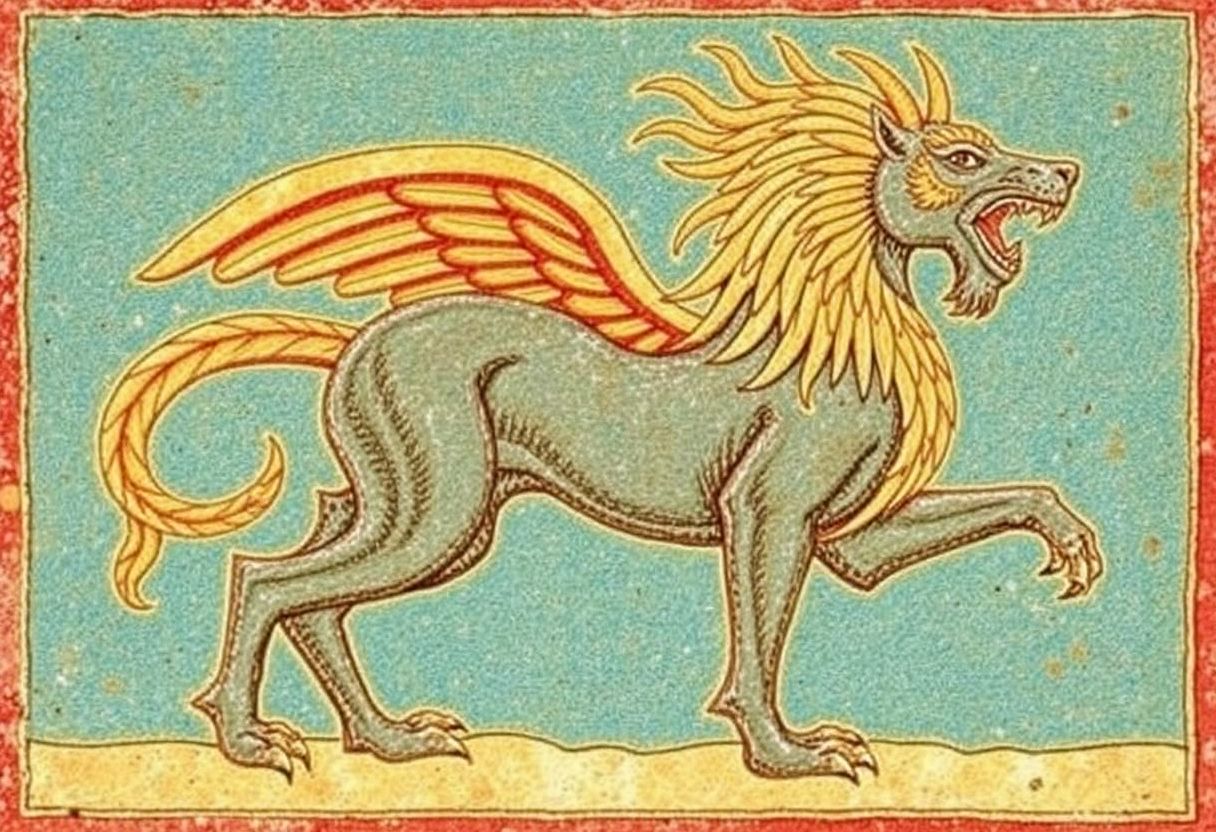
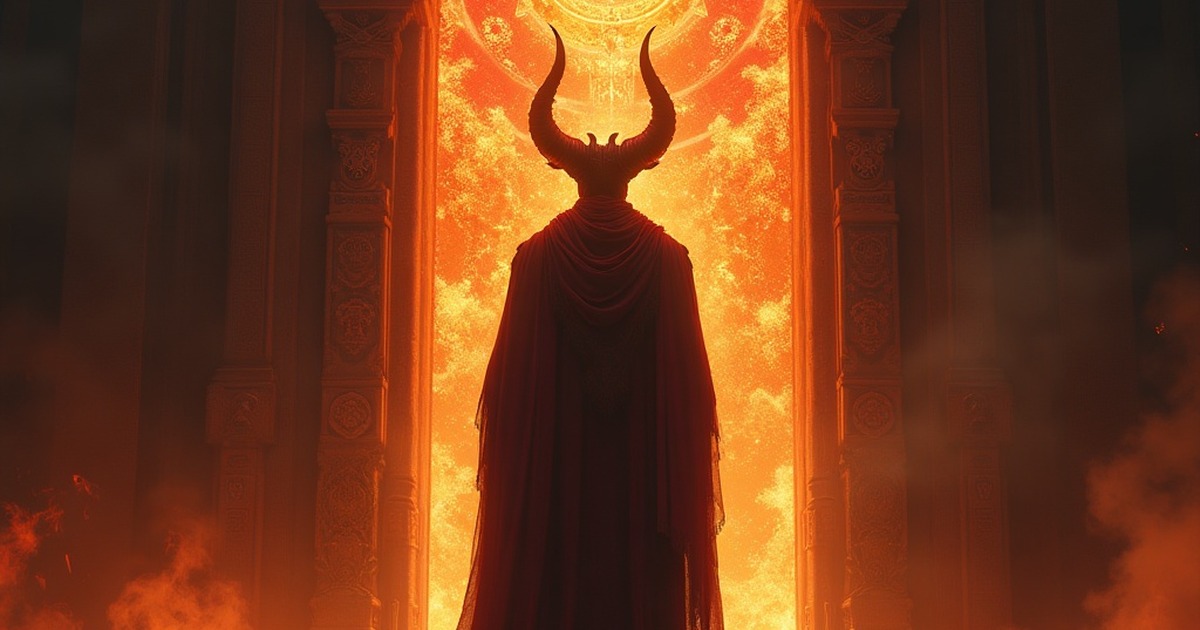
Deep within the annals of Greek mythology lies the haunting tale of the Minotaur, a creature both feared and pitied, whose very existence is a testament to the complex interplay of divine will, human ambition, and tragic fate. Half-man and half-bull, the Minotaur was born of a curse, a punishment inflicted by the gods upon King Minos of Crete. The story begins with Minos’ defiance of Poseidon, the god of the sea, who had gifted the king a magnificent white bull with the expectation that it would be sacrificed in his honor. But Minos, captivated by the bull’s beauty and desirous of keeping it for himself, betrayed the god’s trust. In retaliation, Poseidon cursed Minos’ wife, Queen Pasiphaë, to fall in love with the very creature her husband had refused to sacrifice. From this unnatural union, the Minotaur was born—a being that embodied both the majesty and terror of its dual nature.
The Minotaur’s existence was a source of shame and horror for Minos, who sought to conceal the creature from the world. To this end, he commissioned the brilliant inventor Daedalus to construct a labyrinth so intricate and vast that no one who entered could ever find their way out. Hidden within this maze, the Minotaur became its tragic guardian, a prisoner of its own monstrous form. Yet, despite its fearsome reputation, the Minotaur was not inherently evil. It was a creature driven by instinct, its humanity overshadowed by its animalistic hunger. The labyrinth became both its sanctuary and its prison, a place where it roamed endlessly, isolated from the world that had rejected it.
The Minotaur’s story took a darker turn when Athens, having been defeated by Crete in war, was forced to pay a gruesome tribute. Every nine years, seven Athenian youths and seven maidens were sent into the labyrinth as a sacrifice to the beast. This grim ritual perpetuated the Minotaur’s legend, painting it as a bloodthirsty monster while obscuring the tragedy of its existence. The labyrinth, with its twisting corridors and dead ends, became a symbol of despair, a place where hope was extinguished and lives were lost. Yet, it was also the stage for one of Greek mythology’s most celebrated acts of heroism.
Enter Theseus, the prince of Athens, who volunteered to be part of the sacrificial group with the intent of slaying the Minotaur and ending the cycle of death. Armed with courage and aided by Ariadne, King Minos’ daughter, Theseus ventured into the labyrinth. Ariadne, who had fallen in love with Theseus, provided him with a ball of thread to mark his path—a lifeline in the maze’s disorienting depths. The suspense of Theseus’ journey is palpable; each step brought him closer to the heart of the labyrinth, where the Minotaur awaited. When the two finally met, it was a clash of man and beast, a battle that ended with Theseus emerging victorious. The Minotaur, once a symbol of terror, was vanquished, and the labyrinth’s dark secrets were laid bare.
Yet, even in death, the Minotaur’s story lingers, a poignant reminder of the consequences of hubris and the complexities of fate. It was not merely a monster but a creature shaped by forces beyond its control, a tragic figure trapped in a narrative of fear and violence. The labyrinth, too, endures as a metaphor for life’s challenges—a maze of choices, consequences, and the search for redemption. In unraveling the tale of the Minotaur, we are left to ponder the thin line between humanity and monstrosity, and the enduring power of myths to illuminate the depths of the human condition.
The Hydra: The Many-Headed Serpent And Its Mythical Battles
The Hydra, a fearsome creature of Greek mythology, has long captured the imagination of storytellers and scholars alike. This many-headed serpent, said to dwell in the murky swamps of Lerna, was no ordinary beast. Its legend is steeped in terror and awe, a tale of monstrous power and relentless regeneration that has endured for centuries. The Hydra’s origins, shrouded in mystery, trace back to the primordial chaos of ancient Greek cosmogony, where gods and monsters emerged as embodiments of natural forces and human fears. Yet, it is the Hydra’s battles, particularly its fateful encounter with the hero Heracles, that have cemented its place in the annals of myth.
According to ancient sources, the Hydra was born of Typhon and Echidna, two of the most formidable creatures in Greek mythology. Typhon, a towering storm giant, and Echidna, a half-woman, half-serpent being, were said to have spawned a host of monstrous offspring, each more terrifying than the last. Among them, the Hydra stood out for its unique and deadly attributes. It was described as a serpent with multiple heads—some accounts claim nine, while others suggest an even greater number. What made the Hydra truly fearsome, however, was its regenerative ability: for every head severed, two more would grow in its place. This gruesome feature rendered the creature nearly invincible, a living embodiment of unyielding chaos and destruction.
The Hydra’s lair, the swamp of Lerna, was itself a place of foreboding. Ancient Greeks believed it to be an entrance to the Underworld, a liminal space where the boundaries between life and death blurred. The creature’s presence there only heightened the swamp’s sinister reputation, as it was said to guard the secrets of the underworld with its venomous breath and blood. The Hydra’s very existence seemed to defy the natural order, a challenge to the gods and mortals who sought to impose structure on a chaotic world.
It was this challenge that Heracles, the greatest of Greek heroes, was tasked to confront as part of his Twelve Labors. Sent by King Eurystheus to slay the Hydra, Heracles knew that brute strength alone would not suffice. As he approached the swamp, the air grew thick with tension, the oppressive silence broken only by the hissing of the serpent. Armed with a sword and accompanied by his loyal nephew Iolaus, Heracles engaged the Hydra in a battle that tested not only his might but also his cunning. Each time he severed one of the creature’s heads, two more would sprout in its place, a relentless cycle that seemed impossible to overcome.
Realizing that he needed a new strategy, Heracles called upon Iolaus for assistance. Together, they devised a plan to cauterize the stumps of the severed heads with fire, preventing them from regenerating. With each strike of Heracles’ sword, Iolaus followed with a burning torch, sealing the wounds and slowly turning the tide of the battle. Yet, even as the Hydra weakened, its final head—a central, immortal one—remained a formidable obstacle. Heracles ultimately severed this head and buried it beneath a massive boulder, ensuring that the creature could never rise again.
The Hydra’s defeat was not merely a triumph of heroism but also a symbolic victory over chaos and despair. Its legend endures as a reminder of the resilience and ingenuity required to confront seemingly insurmountable challenges. Even today, the Hydra’s tale continues to inspire, its many heads a metaphor for the complexities of life and the persistence needed to overcome them.
The Phoenix: The Eternal Cycle Of Death And Rebirth In Greek Lore
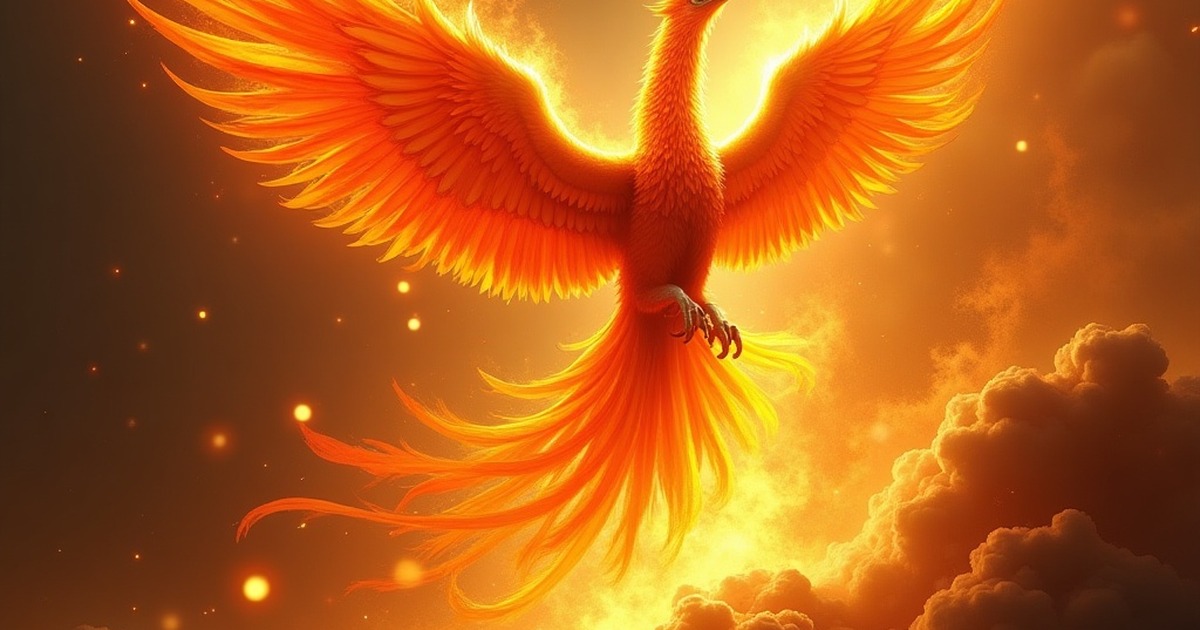
The Phoenix, a creature of radiant beauty and profound symbolism, has long captured the imagination of those who delve into Greek mythology. This mythical bird, often described as a magnificent eagle-like creature with feathers of fiery gold and crimson, embodies the eternal cycle of death and rebirth. Its legend, steeped in mystery and wonder, has transcended time, leaving behind a legacy that continues to inspire awe and curiosity. But where did this enigmatic creature originate, and what deeper truths lie hidden within its tale?
The story of the Phoenix is one of transformation and renewal, a theme that resonates deeply within the human psyche. According to ancient Greek lore, the Phoenix is a solitary bird that lives for centuries—some accounts claim 500 years, while others suggest an even longer lifespan. When its time on Earth draws to a close, the Phoenix does not succumb to a quiet death. Instead, it builds a nest of aromatic woods and spices, ignites it with a burst of flames, and is consumed by the fire. From the ashes of its own destruction, a new Phoenix arises, young and vibrant, ready to begin the cycle anew. This act of self-immolation and resurrection is not merely a spectacle of nature but a profound metaphor for renewal, resilience, and the indomitable spirit of life.
The origins of the Phoenix legend are as elusive as the bird itself. While the creature is most commonly associated with Greek mythology, its roots may extend even further back in time. Some scholars suggest that the Greeks were influenced by ancient Egyptian beliefs, where a similar bird, the Bennu, was revered as a symbol of the sun, creation, and rebirth. The Bennu, often depicted as a heron, was said to rise from the waters of chaos to perch on the primordial mound, heralding the dawn of existence. This connection between the Phoenix and the Bennu hints at a shared cultural fascination with the cyclical nature of life and the transformative power of fire.
In Greek tradition, the Phoenix was often linked to the sun god Helios, whose fiery chariot traversed the sky each day. The bird’s association with fire and the sun further underscores its role as a symbol of renewal and immortality. Yet, the Phoenix is not merely a passive emblem of these ideals; it actively participates in its own destruction and rebirth, a process that speaks to the human capacity for self-reinvention. This duality—of destruction and creation, death and life—imbues the Phoenix with a sense of both awe and unease, as it challenges us to confront the inevitability of change.
The legend of the Phoenix also found its way into later philosophical and religious thought, where it was often used as a metaphor for spiritual renewal and the triumph of the soul over death. Early Christian writers, for instance, adopted the Phoenix as a symbol of Christ’s resurrection, further cementing its place in the collective imagination. Yet, despite these later interpretations, the Phoenix remains, at its core, a creature of Greek mythology, a testament to the ancients’ profound understanding of life’s cyclical nature.
As the flames consume the Phoenix, and as it rises anew from the ashes, we are reminded of the enduring power of myth to illuminate the mysteries of existence. The Phoenix is not merely a bird of legend; it is a mirror held up to humanity, reflecting our fears, our hopes, and our unyielding desire to transcend the boundaries of mortality. Its story, like the bird itself, is eternal, forever rising from the ashes to inspire new generations.
Q&A
1. **What is the origin of the Minotaur?**
The Minotaur originates from Greek mythology as the offspring of Pasiphaë, wife of King Minos of Crete, and a bull sent by Poseidon. It was confined in the Labyrinth designed by Daedalus.
2. **What is the legend of the Chimera?**
The Chimera is a fire-breathing creature with the body of a lion, a goat's head on its back, and a serpent for a tail. It was slain by the hero Bellerophon, who rode the winged horse Pegasus.
3. **What role does the Hydra play in Greek mythology?**
The Hydra, a multi-headed serpent, was a child of Typhon and Echidna. It was defeated by Heracles as one of his Twelve Labors, with each severed head regenerating until he cauterized the necks.
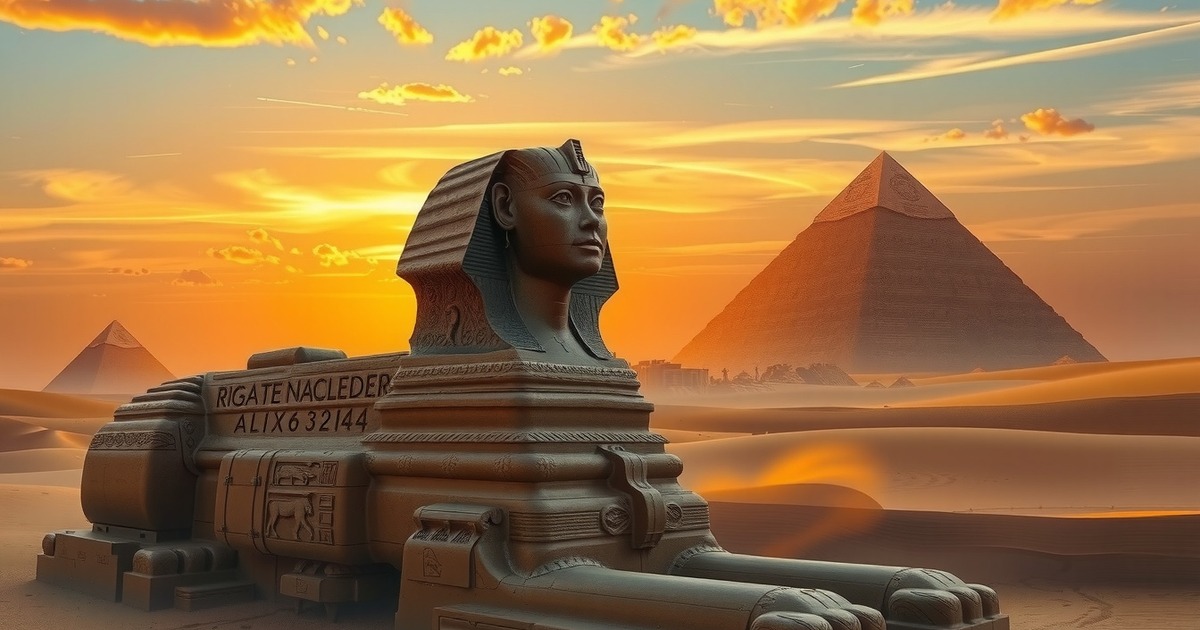
4. **What is the significance of the Sphinx in Greek mythology?**
The Sphinx, a creature with a lion's body, a woman's head, and eagle wings, guarded the city of Thebes. It posed a riddle to travelers and was defeated by Oedipus, who solved its riddle.
5. **What is the story of the Griffin?**
The Griffin, a creature with the body of a lion and the head and wings of an eagle, symbolized divine power and protection. It was often associated with guarding treasures and sacred places in Greek lore.
Conclusion
Greek mythical beasts, deeply rooted in ancient mythology, symbolize the interplay between human imagination, cultural values, and the natural world. Creatures like the Chimera, Minotaur, and Hydra reflect the Greeks' attempts to explain the unknown, embody moral lessons, and personify fears and aspirations. These legendary beings, often tied to the exploits of gods and heroes, reveal a rich tapestry of storytelling that has transcended time, influencing art, literature, and modern culture. By examining their origins and legends, we uncover a profound connection between mythology and the human experience, showcasing the enduring power of these ancient tales.