Table of Contents
- Greek Mythical Beasts: Revealing Their Ancient Origins and Legends
- The Role of Mythical Beasts in Greek Mythology
- Iconic Greek Mythical Beasts and Their Legends
- The Minotaur: The Beast of the Labyrinth
- The Hydra: The Multi-Headed Serpent
- The Chimera: A Monstrous Hybrid
- The Sphinx: The Riddler of Thebes
- Cerberus: The Guardian of the Underworld
- Origins and Cultural Significance
Greek Mythical Beasts: Revealing Their Ancient Origins and Legends
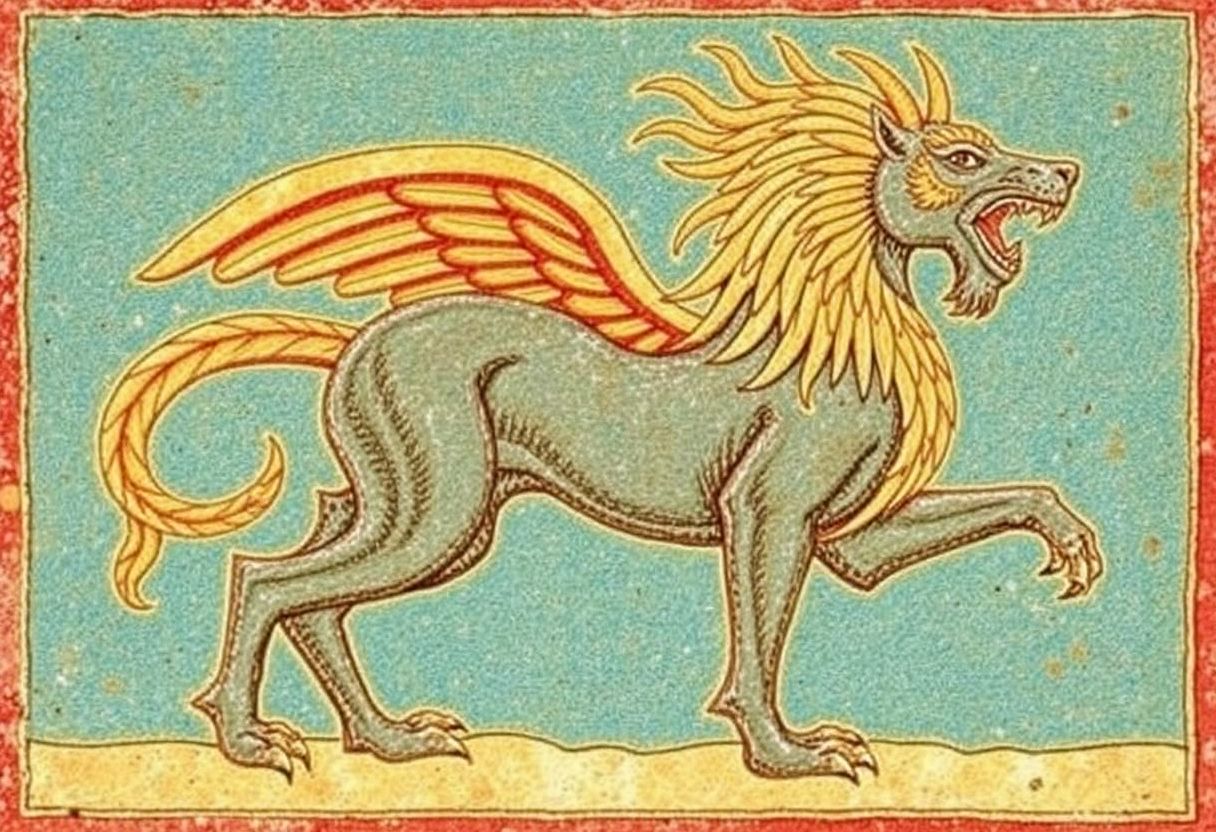
Greek mythology is a treasure trove of fascinating stories, larger-than-life heroes, and awe-inspiring creatures. Among its most captivating elements are the mythical beasts that populate its tales. These creatures, often embodying the fears, hopes, and imagination of ancient Greek society, have left an indelible mark on literature, art, and culture. In this article, we will delve into the origins, characteristics, and enduring legends of some of the most iconic Greek mythical beasts.
The Role of Mythical Beasts in Greek Mythology
Mythical beasts in Greek mythology served multiple purposes. They were not merely fantastical creatures but also symbolic representations of human struggles, natural phenomena, and moral lessons. These creatures often acted as obstacles for heroes to overcome, reflecting the eternal battle between good and evil, chaos and order.
Some of the key roles played by mythical beasts in Greek mythology include:
- Challenges for Heroes: Many beasts were adversaries that tested the courage, strength, and wit of Greek heroes like Heracles, Perseus, and Odysseus.
- Symbols of Nature: Creatures like the Hydra and the Chimera represented the untamed and dangerous aspects of the natural world.
- Moral Lessons: The stories surrounding these beasts often carried moral or cautionary messages, warning against hubris, greed, or disobedience.
Iconic Greek Mythical Beasts and Their Legends
The Minotaur: The Beast of the Labyrinth
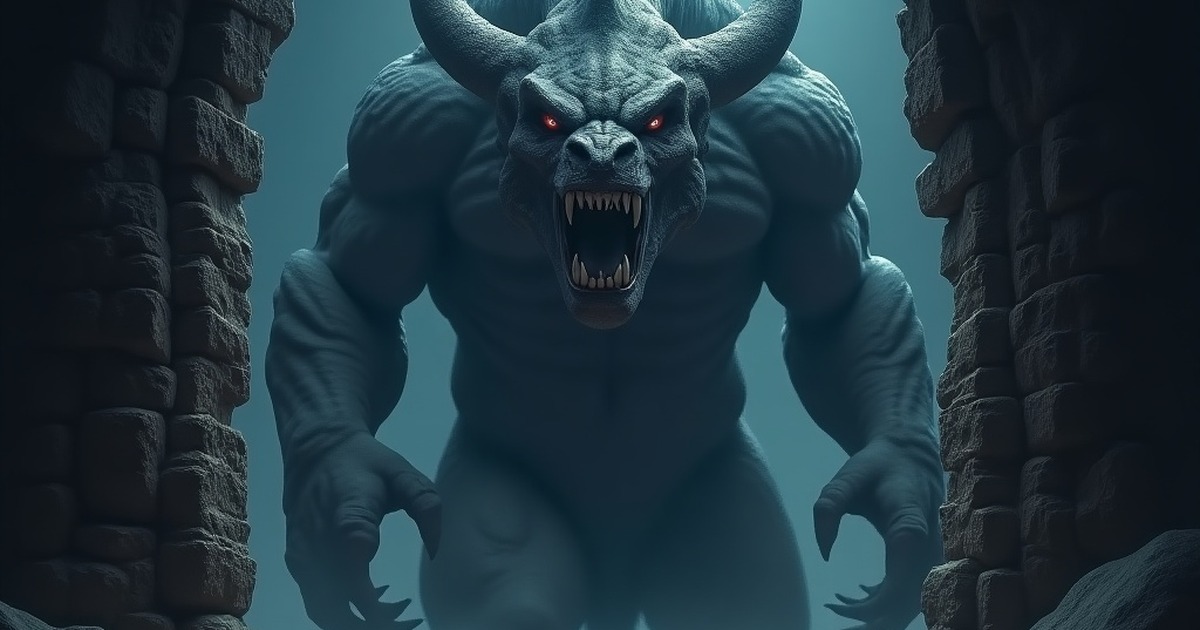
The Minotaur, a creature with the body of a man and the head of a bull, is one of the most famous mythical beasts in Greek mythology. According to legend, the Minotaur was born from the union of Pasiphaë, the wife of King Minos of Crete, and a divine bull sent by Poseidon. To contain the beast, King Minos commissioned the architect Daedalus to construct a labyrinth so intricate that no one could escape it.
The Minotaur's story is closely tied to the hero Theseus, who volunteered to enter the labyrinth and slay the beast. With the help of Ariadne, King Minos's daughter, who provided him with a ball of thread to navigate the maze, Theseus successfully killed the Minotaur and escaped. This tale symbolizes the triumph of human ingenuity and bravery over seemingly insurmountable challenges.
The Hydra: The Multi-Headed Serpent
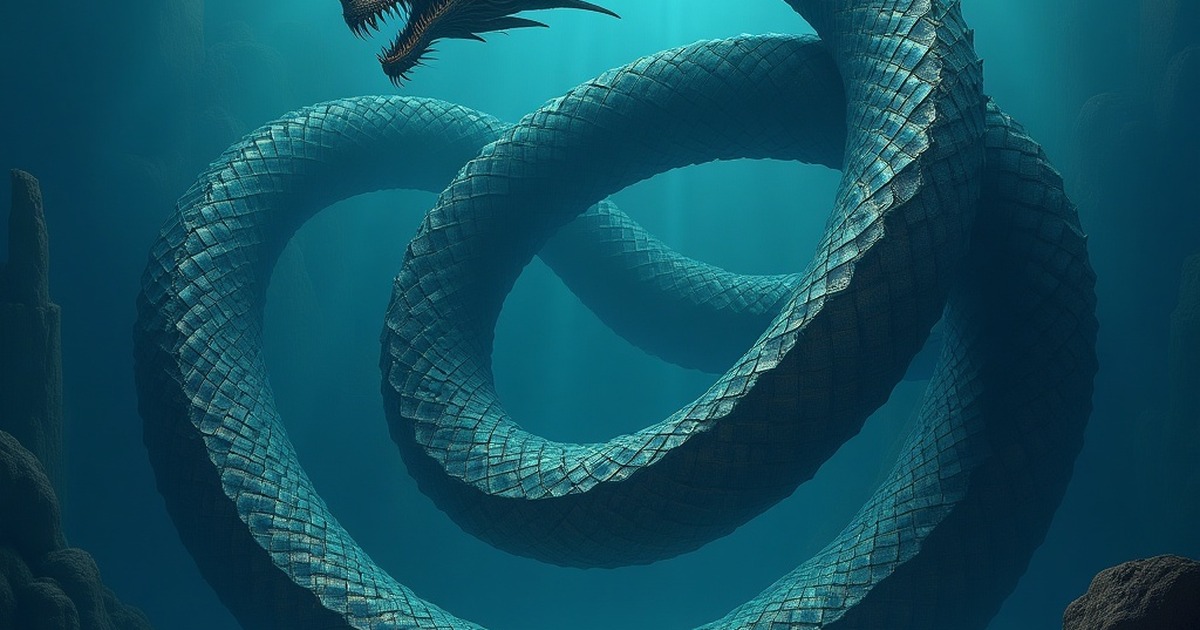
The Hydra, a fearsome serpent-like creature with multiple heads, is another iconic beast from Greek mythology. According to legend, the Hydra lived in the swamps of Lerna and terrorized the surrounding region. What made the Hydra particularly dangerous was its regenerative ability—when one head was cut off, two more would grow in its place.
The Hydra is best known from the Twelve Labors of Heracles. As part of his second labor, Heracles was tasked with slaying the beast. With the help of his nephew Iolaus, Heracles cauterized each neck after decapitating a head, preventing it from regenerating. The Hydra's story is often interpreted as a metaphor for the persistence of problems and the need for innovative solutions to overcome them.
The Chimera: A Monstrous Hybrid
The Chimera was a terrifying hybrid creature with the body of a lion, the head of a goat protruding from its back, and a serpent for a tail. It was said to breathe fire and wreak havoc wherever it went. The Chimera's origins are linked to the Lycian region in Asia Minor, and it is often associated with volcanic activity due to its fiery nature.
The hero Bellerophon, riding the winged horse Pegasus, was tasked with slaying the Chimera. Using his aerial advantage, Bellerophon shot arrows at the beast and ultimately killed it by lodging a block of lead in its throat, which melted from its fiery breath. The Chimera's tale highlights the theme of human ingenuity triumphing over chaos and destruction.
The Sphinx: The Riddler of Thebes
The Sphinx, a creature with the body of a lion, the wings of an eagle, and the head of a woman, is best known for its role in the myth of Oedipus. Stationed outside the city of Thebes, the Sphinx posed a riddle to travelers: “What walks on four legs in the morning, two legs at noon, and three legs in the evening?” Those who failed to answer correctly were devoured.
Oedipus solved the riddle by answering “man,” referring to the stages of human life—crawling as a baby, walking upright as an adult, and using a cane in old age. The Sphinx, defeated, threw herself off a cliff. This story underscores the importance of wisdom and intellect in overcoming challenges.
Cerberus: The Guardian of the Underworld
Cerberus, the three-headed dog, guarded the entrance to the Underworld, preventing the dead from leaving and the living from entering without permission. As a loyal servant of Hades, Cerberus was both a fearsome and revered figure in Greek mythology.
Cerberus appears in several myths, most notably in Heracles' twelfth labor, where the hero was tasked with capturing the beast and bringing it to the surface. Heracles succeeded by using his immense strength and courage, further cementing his status as a legendary hero. Cerberus symbolizes the boundary between life and death and the inevitability of mortality.
Origins and Cultural Significance
The origins of Greek mythical beasts can often be traced back to ancient fears, natural phenomena, and cultural exchanges. For example:
- Natural Phenomena: Creatures like the Chimera may have been inspired by volcanic eruptions, while the Hydra could symbolize the challenges of taming swamps and wetlands.
<li