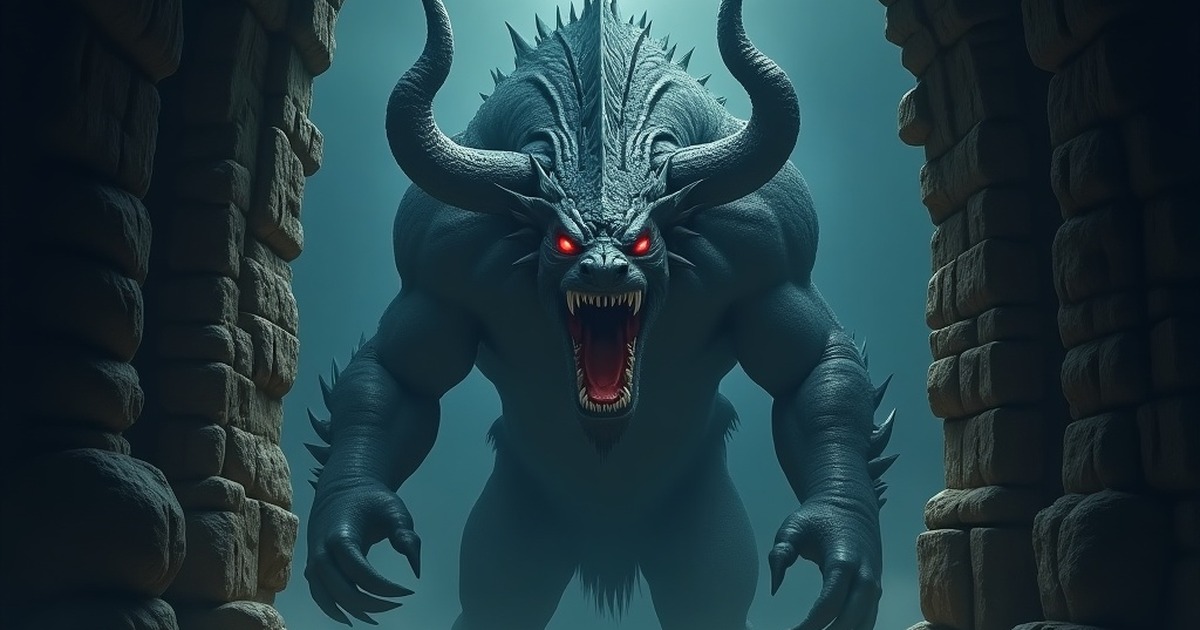
Deep in the Philippine forests and at lonely crossroads, travelers may encounter the Tikbalang—a towering creature with the head of a horse, the body of a man, and legs that bend backward at the knees. This trickster spirit leads travelers astray, trapping them in endless loops through the wilderness until dawn breaks or certain rituals are performed.
Appearance
The Tikbalang's appearance is both striking and unsettling:
- Horse's head with wild, tangled mane
- Disproportionately long limbs
- Knees that bend backward like a horse's hind legs
- Extremely tall—some say as tall as trees
- Dark skin and prominent ribs
- Cloven hooves in some versions
Behavior and Powers
The Tikbalang is primarily a trickster:
- Makes travelers lose their way
- Creates illusions of familiar paths
- Can cause disorientation for hours
- Sometimes kidnaps young women
- Known to rape and impregnate victims in darker tales
Tikbalang are most active at noon and during twilight—the “in-between” times.
Taming a Tikbalang
Legend holds that one can control a Tikbalang by:
- Plucking three golden hairs from its mane
- Jumping on its back and holding on until dawn
- The tamed Tikbalang becomes a loyal servant
To escape a Tikbalang's spell, travelers should wear their shirt inside out or stay silent and avoid thinking of home.
Related Creatures
Compare to the Scottish Kelpie and Celtic horse spirits. The Tikbalang may have pre-colonial origins influenced later by Spanish centaur imagery.
Related Posts





Related Posts
Your Weekly Dose of Inspiration
Journaling ideas, family tips, and gentle inspiration.