Celtic Mythology Books vs Greek Mythology Books 2025 Guide
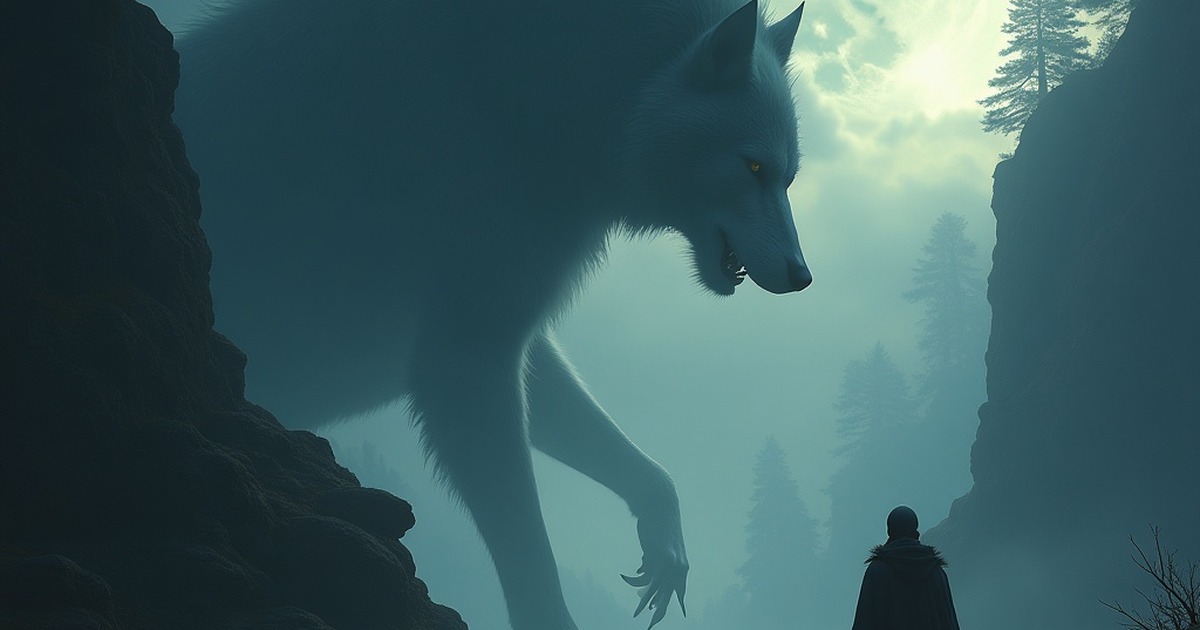
Standing before the ancient stone circles of Ireland or gazing up at the marble columns of the Parthenon, you'd feel the weight of stories that have shaped Western civilization for millennia. But which mythological tradition should claim space on your bookshelf?
Celtic and Greek mythology books offer vastly different reading experiences — Greek myths provide structured narratives with clear moral lessons, while Celtic tales weave dreamlike stories where reality bends like morning mist. Greek collections typically feature more scholarly analysis and consistent translations, whereas Celtic books often struggle with fragmented sources and varying interpretations across different Celtic cultures.
Disclosure: This article contains affiliate links. We may earn a commission at no extra cost to you.

The Mabinogion by Lady Charlotte Guest
Most authentic Celtic collection with scholarly notes
What are the best Celtic mythology books for beginners?
Celtic mythology presents unique challenges that Greek collections simply don't face. The sources are fragmented — scattered across medieval Irish manuscripts, Welsh poetry, and oral traditions that weren't recorded until centuries after Christianity arrived. This creates a reading experience that's more like piecing together a beautiful, broken mosaic.
The Mabinogion stands as the crown jewel of Celtic literature — it's like having a direct conversation with medieval Welsh storytellers. Lady Charlotte Guest's 1849 translation remains remarkably readable while preserving the strange, otherworldly quality that makes these tales so compelling. You'll encounter Pwyll's journey to the Otherworld, Branwen's tragic marriage alliance, and the magical cauldron that brings the dead back to life.
For newcomers seeking broader coverage, Celtic Myths and Legends by Charles Squire provides an excellent survey approach. Squire weaves together Irish, Welsh, and Scottish traditions into coherent narratives that beginners can actually follow without getting lost in genealogical tangles.
✅ Pros
- Authentic source material with scholarly credibility
- Rich, atmospheric storytelling style
- Unique magical elements not found elsewhere
- Deep connection to landscape and nature
❌ Cons
- Fragmented narratives can confuse beginners
- Complex pronunciation of character names
- Limited character development compared to Greek myths
- Fewer modern adaptations available
How do Celtic and Greek mythology stories compare?
Walking through these two mythological landscapes feels like comparing a wild Irish coastline to a perfectly planned Greek garden. Both are beautiful, but they serve entirely different purposes and create vastly different emotional experiences.
Greek mythology operates like a master class in narrative structure. The stories follow recognizable patterns — heroes face challenges, learn lessons, and either triumph through virtue or fall through hubris. Edith Hamilton's Mythology exemplifies this approach perfectly, presenting Greek tales with the clarity and purpose that made them educational tools in ancient Athens.
Mythology by Edith Hamilton
The gold standard for Greek mythology introduction — clear, engaging, and perfectly structured for modern readers.
Celtic stories, by contrast, operate more like fever dreams. Time flows differently — heroes might spend what feels like a day in the Otherworld only to return and find centuries have passed. Characters transform into animals, inanimate objects gain consciousness, and the boundary between the living and dead becomes gossamer-thin.
Narrative Structure: Greek myths follow three-act structures with clear beginnings, conflicts, and resolutions. Celtic tales often spiral inward, with multiple nested stories and ambiguous endings that leave readers pondering meaning rather than absorbing lessons.
Character Development: Greek heroes grow and change through their adventures — think Odysseus becoming wiser through his trials. Celtic protagonists often remain static while the world transforms around them, reflecting different cultural values about fate versus personal agency.
Moral Framework: Greek stories typically deliver clear ethical messages about justice, hubris, and virtue. Celtic tales embrace moral ambiguity — characters we should love commit terrible acts, while supposed villains show unexpected nobility.
Which mythology is easier to understand for new readers?
If you're looking for mythology training wheels, Greek collections win this comparison hands down. They've been systematically studied, catalogued, and retold for over two millennia. You can trace clear lineages from Hesiod through modern adaptations without losing the thread.
Hamilton's approach in her seminal work demonstrates why Greek mythology works so well for beginners. She organizes the chaos of competing ancient sources into coherent family trees and chronologies. You'll understand exactly how Zeus relates to Poseidon, why Athena emerged from her father's head, and what happened during the Trojan War — all presented with the clarity of a well-structured college course.
The Greek Myths by Robert Graves
Comprehensive scholarly treatment with extensive cross-references and historical analysis.
Celtic mythology requires more patience and tolerance for ambiguity. The stories don't always make sense in conventional terms — and that's exactly the point. They're designed to transport you to a world where different rules apply, where logic takes a backseat to emotion and atmosphere.
Learning Curve Comparison:
- Greek Mythology: Gentle slope — each story builds on previous knowledge
- Celtic Mythology: Steep cliff — requires cultural context and comfort with ambiguity
- Character Recognition: Greek gods have consistent personalities; Celtic figures often contradict themselves
- Plot Comprehension: Greek stories follow cause-and-effect logic; Celtic tales embrace dream logic
What are the most accurate Celtic mythology translations?
Translation accuracy in Celtic mythology is like trying to capture the sound of ocean waves in a bottle — something essential always gets lost in the transfer. Unlike Greek texts, which survived in relatively complete forms, Celtic sources come to us through a medieval game of telephone, filtered through Christian scribes who sometimes softened pagan elements.
Lady Charlotte Guest's Mabinogion translation, despite being nearly 175 years old, remains surprisingly accurate because she worked directly from the medieval Welsh manuscripts. Her Victorian prose style might feel dated, but she preserved the strange rhythms and repetitive formulas that marked oral storytelling traditions.
More recent translations by Sioned Davies (2007) and Patrick K. Ford (2008) offer modern language while maintaining scholarly rigor. Davies particularly excels at explaining cultural context that Victorian readers could skip but contemporary audiences need.
Translation Quality Indicators:
- Source Attribution: Look for translators who cite specific manuscript sources
- Pronunciation Guides: Welsh and Irish names follow consistent rules once you learn them
- Cultural Notes: Essential for understanding references to ancient Celtic society
- Comparative Analysis: Best translations acknowledge variant versions of the same stories
Should I read Greek or Celtic mythology first?
This decision depends entirely on what you're seeking from mythological literature. Greek mythology serves as the foundation course — it teaches you how mythological thinking works, establishes patterns you'll recognize across cultures, and provides the reference points that Western literature assumes you know.
Start with Greek if you want to understand the mythological DNA that runs through everything from Shakespeare to Marvel movies. Hamilton's Mythology remains the perfect gateway drug — accessible without being dumbed down, comprehensive without being overwhelming.
Choose Celtic if you're drawn to mystery over clarity, atmosphere over plot, and emotional resonance over moral instruction. These stories work more like poetry than prose — they're meant to be felt as much as understood.
Greek Mythology First – Choose if you:
- Prefer clear narrative structures and character development
- Want to understand Western literary references
- Learn best through systematic, organized presentation
- Enjoy stories with clear moral frameworks
Celtic Mythology First – Choose if you:
- Love atmospheric, mysterious storytelling
- Have patience for ambiguous endings
- Connect deeply with nature-based spirituality
- Prefer emotional impact over logical consistency
Frequently Asked Questions
Q: Are Celtic mythology books harder to read than Greek mythology books?
A: Yes, generally Celtic books present more challenges. Greek myths follow familiar story structures, while Celtic tales often feature non-linear narratives, complex pronunciation, and cultural references that require extensive notes. Greek mythology also benefits from centuries more scholarly analysis and standardization.
Q: Which mythology tradition has better modern adaptations?
A: Greek mythology dominates modern adaptations due to its clearer narrative structures and more developed character arcs. Authors like Rick Riordan and Madeline Miller have successfully modernized Greek myths, while Celtic adaptations remain fewer and often require more cultural context to appreciate fully.
Q: Can I read both mythologies simultaneously?
A: While possible, this approach often creates confusion. The storytelling styles are so different that jumping between them can muddle your understanding of each tradition's unique characteristics. Most readers benefit from focusing on one tradition until they develop familiarity with its patterns and themes.
Q: Do I need background knowledge to understand either mythology?
A: Greek mythology requires minimal background knowledge — good modern editions provide necessary context. Celtic mythology benefits significantly from understanding ancient Irish and Welsh culture, social structures, and pre-Christian religious concepts. Quality translations include extensive notes to bridge this gap.
Q: Which tradition offers better female characters?
A: Both traditions feature powerful female figures, but they serve different narrative functions. Greek mythology includes goddesses like Athena and Artemis with clear domains and personalities, while Celtic tradition features complex figures like Brigid and the Morrigan who embody multiple contradictory aspects. Celtic women often display more agency within their stories.
Final Verdict: Building Your Mythology Library
After spending over a decade immersing myself in both traditions, I recommend starting with Hamilton's crystalline presentation of Greek mythology to build your foundational understanding, then graduating to the rich complexity of Celtic collections once you've developed comfort with mythological thinking.
The truth is, both traditions offer irreplaceable treasures. Greek mythology provides the structural understanding and cultural literacy that enhances everything from classic literature to contemporary films. Celtic mythology offers something rarer — the chance to experience storytelling that operates by entirely different rules, where magic feels genuinely magical and the world holds mysteries that rational thought cannot solve.
Your mythology books 2025 collection deserves both voices. Start where your heart calls you, but don't stop there. The conversation between these two ancient traditions — one seeking clarity, the other embracing mystery — mirrors the eternal human struggle between understanding and wonder. In a world increasingly dominated by data and algorithms, both perspectives remain essential for nourishing the soul.