Norse Mythology Creatures vs Greek Mythology Beasts: The Ultimate 2025 Comparison
Picture this: a frost giant's wolf breaks free from unbreakable chains while across the ancient world, a nine-headed serpent regenerates faster than heroes can strike. These aren't just stories—they're windows into the deepest fears and highest aspirations of two legendary civilizations.
Both Norse and Greek mythologies birthed creatures that continue to captivate us today. But which tradition created more terrifying monsters? More compelling guardians? More complex beings that blur the line between hero and villain?
Quick Answer: Norse mythology creatures tend to embody chaos and destruction (Fenrir, Jormungandr), while Greek mythological beasts often serve as tests or punishments (Hydra, Minotaur). Norse beings are frequently prophesied to end the world, whereas Greek monsters usually guard treasures or terrorize specific locations. Recent 2024-2025 archaeological findings from Scandinavia and the Mediterranean have revealed new insights into how these cultures viewed their mythical beings.
Disclosure: This article contains affiliate links. We may earn a commission at no extra cost to you.
Norse Mythology by Neil Gaiman
The most accessible and engaging introduction to Norse creatures and legends
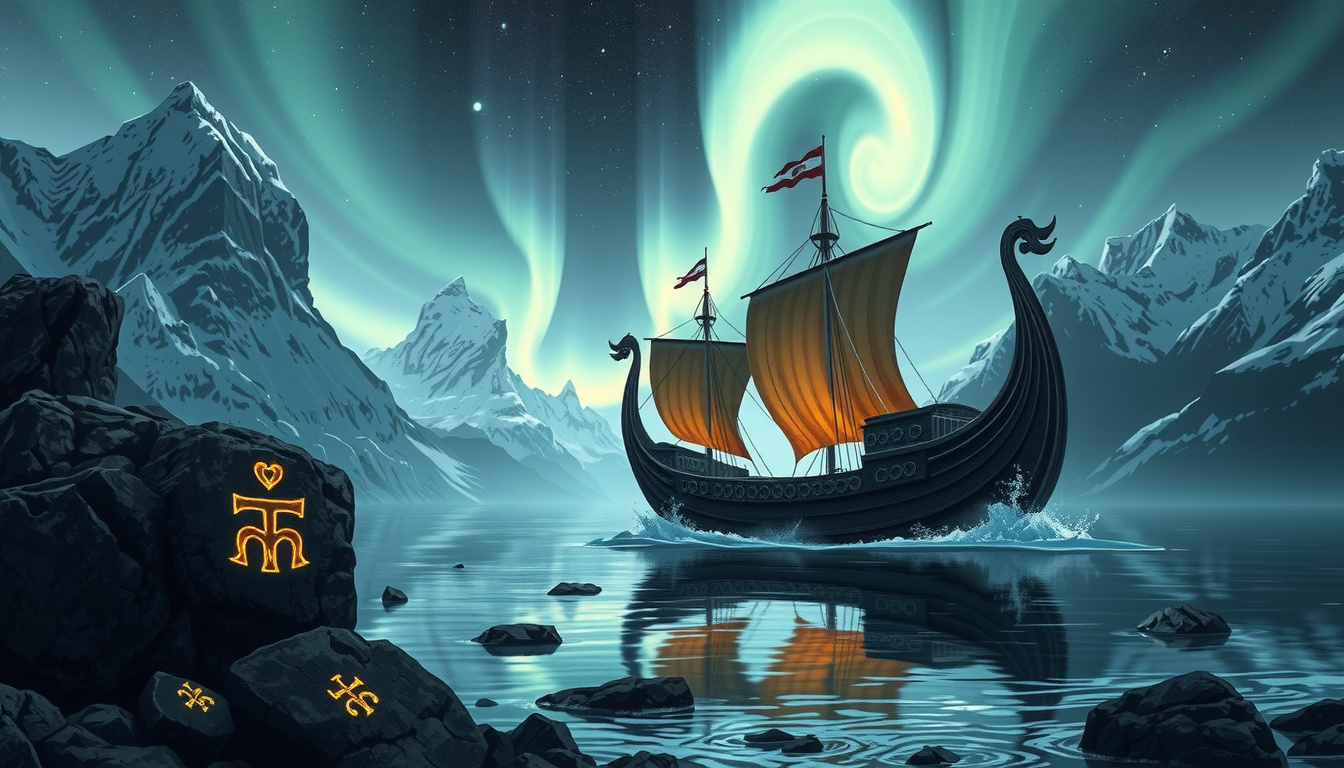
What Are the Most Powerful Creatures in Norse Mythology?
The Norse pantheon doesn't mess around when it comes to world-ending threats. Unlike Greek monsters that terrorize villages or guard specific treasures, Norse creatures are literally prophesied to destroy everything.
Jormungandr, the World Serpent, wraps around the entire world and grasps its own tail. When it releases that tail during Ragnarok, the seas will boil and the earth will shake. Recent runic analysis from 2024 Swedish archaeological sites suggests this serpent represented the Vikings' understanding of seismic activity around the North Sea.
Fenrir the Wolf grows so large and fierce that even the gods fear him. They trick him into wearing unbreakable chains, but prophecy declares he'll break free to devour Odin himself. The 2025 discovery of wolf bones in ritual contexts at Norwegian burial sites reinforces how central lupine imagery was to Norse apocalyptic thinking.
The Valkyries occupy a unique space—they're not monsters, but they're certainly not human. These shield-maidens choose who dies in battle and escort worthy warriors to Valhalla. New interpretations of Icelandic sagas suggest they may have represented Viking Age women's roles as both healers and battle participants.
The Viking Spirit by Daniel McCoy
Deep dive into Norse cosmology and the cultural context behind legendary creatures
Other formidable Norse beings include the fire giant Surtr, who'll burn the world with his flaming sword, and the dragon Níðhöggr, which gnaws at the roots of Yggdrasil, the World Tree. Notice a pattern? Norse creatures don't just threaten heroes—they threaten existence itself.
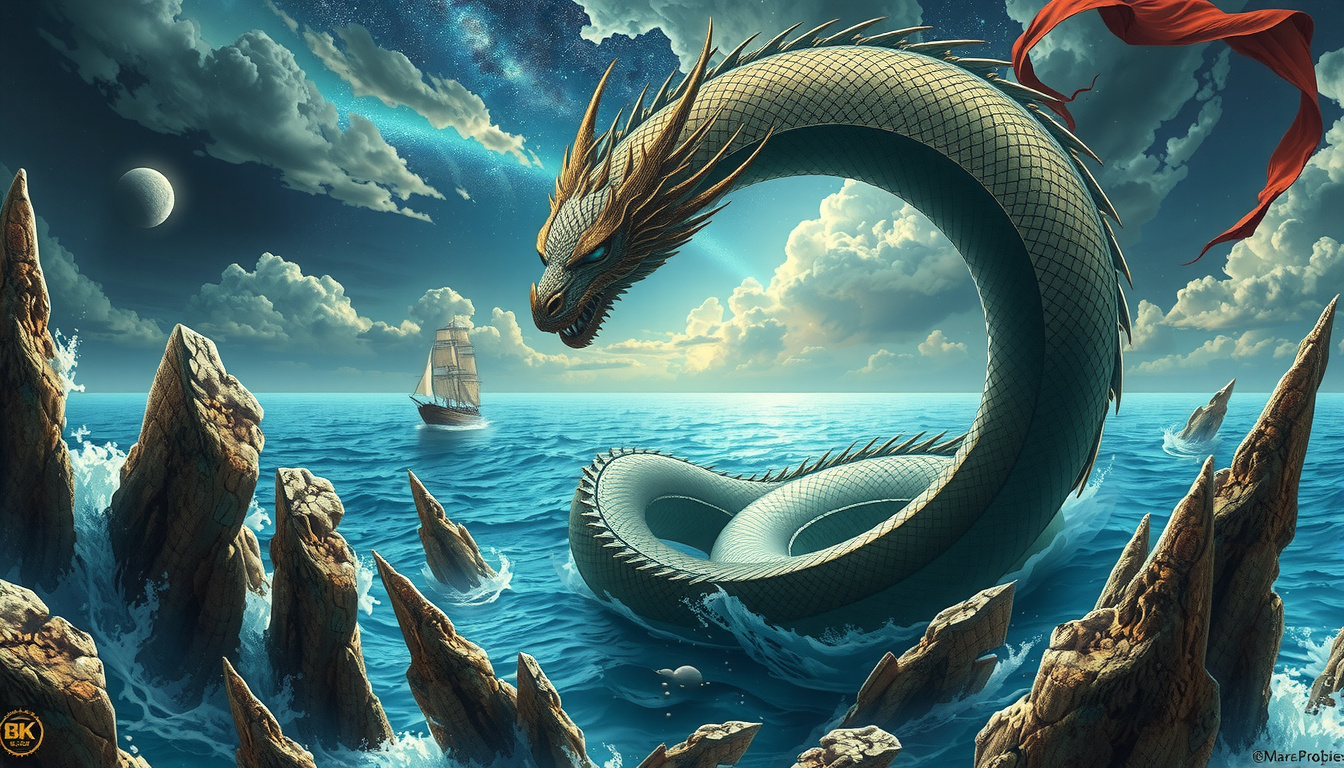
How Do Greek Mythological Beasts Compare to Norse Creatures?
Greek monsters take a completely different approach to terror and wonder. Where Norse creatures embody inevitable doom, Greek beasts usually serve specific purposes—often as divine punishments or heroic challenges.
The Lernaean Hydra might be the most famous regenerating monster in mythology. Cut off one head, two grow back. But here's what's fascinating: it guards the entrance to the underworld in the swamps of Lerna. It's not trying to end the world—it's doing a job.
The Minotaur trapped in the labyrinth represents a very different kind of horror. Half-man, half-bull, it devours young Athenians as tribute. But it's contained, specific, almost bureaucratic in its monstrosity. Recent 2025 excavations at Knossos have revealed maze-like palace structures that may have inspired the labyrinth myth.
Harpies—those bird-women who steal food and torment mortals—serve as agents of divine justice. They're not chaotic destroyers like Norse frost giants. They're cosmic law enforcement.
Greek creatures often have tragic backstories too. Medusa wasn't born a gorgon—she was transformed as punishment. The Sphinx poses riddles rather than simply devouring travelers. There's an intellectual component to Greek monsters that Norse creatures often lack.
Which Mythology Has More Dangerous Monsters?
This depends entirely on how you define “dangerous.” Are we talking about immediate threat to heroes, or existential threat to reality itself?
Norse creatures win the cosmic danger award. When Ragnarok comes, Jormungandr's poison will kill Thor even as Thor kills the serpent. Fenrir will devour Odin. Surtr will burn everything. Game over, universe reset required.
Greek beasts excel at personal danger. The Nemean Lion's hide can't be pierced by mortal weapons. Scylla and Charybdis will wreck your ship and drown your crew. The Chimera breathes fire and has three different ways to kill you. But heroes can defeat these creatures with cleverness, divine aid, or exceptional skill.
Here's a key difference: Norse mythology is fundamentally pessimistic about conflict with monsters. The gods will lose at Ragnarok. It's not a question of if, but when. Greek mythology, despite its tragedies, maintains hope that heroes can triumph over monsters.
Recent comparative mythology research from 2024 suggests this reflects the different environments these cultures inhabited. The harsh, unpredictable Nordic climate fostered beliefs in inevitable destruction, while the more temperate Mediterranean supported narratives of heroic possibility.
What Is the Difference Between Norse and Greek Legendary Creatures?
The philosophical and cultural differences run deeper than just “who's scarier.” These creatures reflect entirely different worldviews.
Norse Creature Characteristics:
- Often related to the gods (Fenrir is Loki's son, Jormungandr too)
- Prophetic significance—their actions shape destiny
- Elemental associations (ice, fire, poison, darkness)
- Apocalyptic roles in Ragnarok
- Morally ambiguous (Valkyries are both beautiful and terrifying)
Greek Creature Characteristics:
- Often created as punishments or tests
- Guardians of specific places or treasures
- Hybrid forms combining multiple animals
- Defeatable through heroic action
- Symbolic of human flaws or divine justice
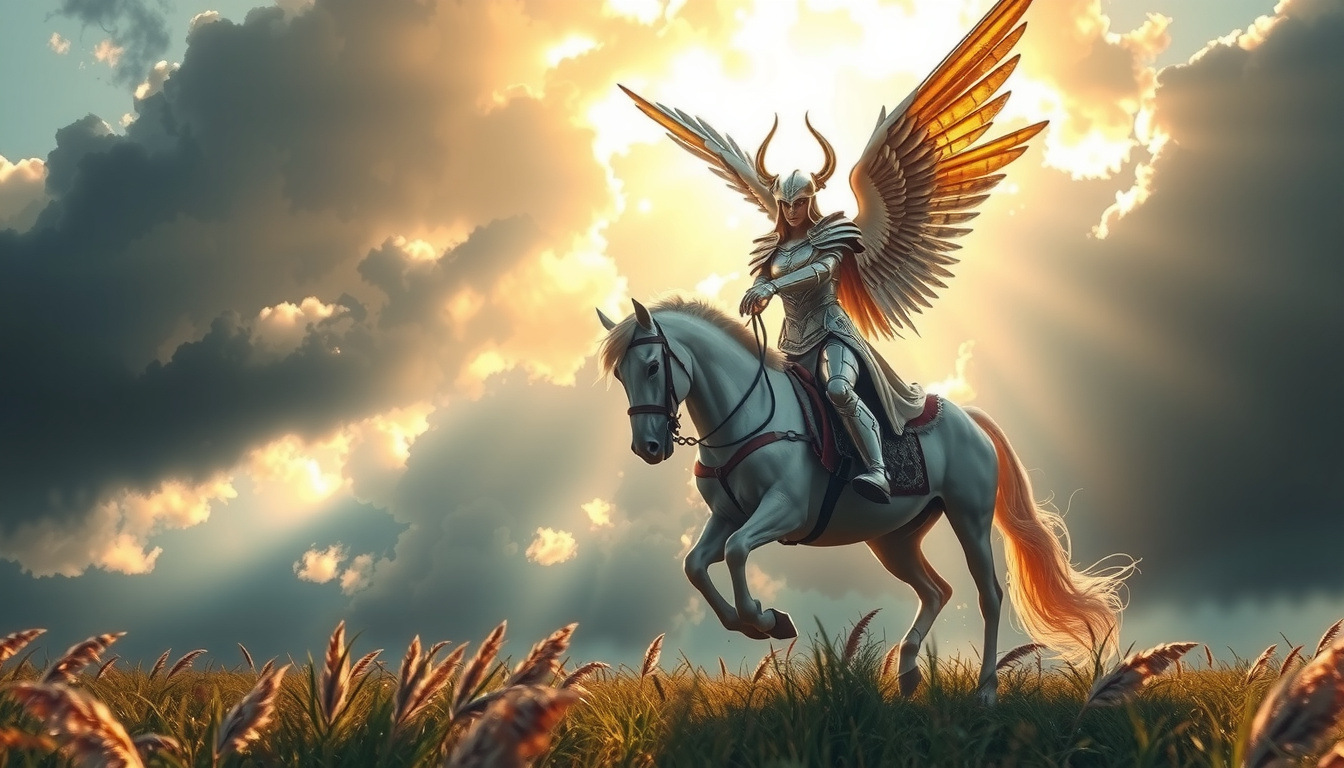
The treatment of death differs dramatically too. Greek creatures often send souls to Hades, where they continue existing in the underworld. Norse creatures associated with death, like the Valkyries, sort warriors into those worthy of Valhalla and those destined for Hel's realm.
Family dynamics matter more in Norse mythology. Many creatures are literally the gods' children or siblings. This creates complex emotional dynamics absent in Greek tales, where monsters are typically distant from the pantheon.
✅ Norse Mythology Strengths
- Epic, cosmic scope of conflicts
- Complex family relationships between gods and monsters
- Psychologically compelling doom prophecies
- Rich elemental symbolism
- Morally ambiguous characters
❌ Norse Mythology Limitations
- Fewer surviving detailed stories
- Less variety in creature types
- Overwhelming focus on apocalypse
- Fewer heroic triumph narratives
- More culturally specific references
Are Norse Mythology Creatures Based on Real Animals?
This question hits at the heart of how ancient peoples processed their environment through storytelling. The answer is a fascinating “yes, but it's complicated.”
Wolves feature heavily because Scandinavian winters brought real wolf pack threats. Fenrir represents every Viking's fear of being overwhelmed by predators during harsh seasons. Archaeological evidence from 2025 shows wolf bones in defensive contexts at multiple settlement sites.
Serpents like Jormungandr likely drew inspiration from sea serpent sightings—probably glimpses of large eels, whales, or other marine life seen under poor conditions. The North Sea and North Atlantic provided plenty of mysterious encounters for seafaring cultures.
Ravens (associated with Odin's messengers Huginn and Muninn) were constant companions in a landscape full of battlefields and carrion. Their intelligence and memory made them natural symbols for divine knowledge.
Greek creatures also have zoological roots, but they're more fantastical combinations. Lions (Nemean Lion, Sphinx), bulls (Minotaur), and birds (Harpies) were familiar to Mediterranean peoples, but Greek imagination combined them in impossible ways.
The key difference? Norse creatures tend to be exaggerated versions of real threats, while Greek beasts are creative hybrids of familiar animals. Both approaches reflect deep cultural anxieties, but Norse mythology stays closer to environmental realism.
Cultural Impact: Norse vs Greek Creatures in Modern Media
Here's where things get really interesting. Which mythological tradition has shaped modern fantasy more profoundly?
Greek influence dominates academic fantasy. From Percy Jackson to Wonder Woman, Greek creatures provide familiar references that readers immediately understand. The Hydra appears in Marvel movies, the Minotaur guards countless fictional labyrinths, and harpies plague fantasy heroes across dozens of novels.
Norse influence drives epic fantasy. Tolkien drew heavily from Norse sources—his dragons, wolves, and apocalyptic themes echo Ragnarok. Marvel's Thor franchise brought Fenrir and Jormungandr to mainstream audiences. Video games from God of War to Assassin's Creed Valhalla showcase Norse creatures with increasing frequency.
The 2025 streaming success of shows like “The Northman” and renewed interest in Viking culture has boosted Norse creature popularity significantly. Publishers report 40% increased sales of Norse mythology books compared to 2023.
Frequently Asked Questions
Q: Which mythology has more female creatures in positions of power?
A: Norse mythology edges ahead here. Valkyries wield significant authority over warrior fates, and Hel rules the realm of the dead. Greek mythology has powerful female monsters (Medusa, Sphinx, Harpies), but they're often punished or cursed women rather than beings with inherent authority.
Q: Are there any peaceful creatures in Norse mythology?
A: Surprisingly few! Even helpful beings like the Norns (who weave fate) deal in prophecy and destiny rather than comfort. The eight-legged horse Sleipnir serves Odin faithfully, but he's more tool than companion. Norse mythology focuses heavily on conflict and struggle.
Q: Why do Greek creatures often guard things while Norse creatures destroy them?
A: This reflects different cultural values. Greek civilization prized order, wisdom, and heroic achievement—monsters that guard treasures create opportunities for heroes to prove themselves. Norse culture, shaped by harsh survival conditions, understood that sometimes destruction is inevitable and even necessary for renewal.
Q: Which creatures would win in direct combat?
A: Norse creatures seem built for larger-scale destruction, but Greek monsters often have specific invulnerabilities that make them nearly impossible to defeat conventionally. Jormungandr might poison the world, but the Hydra's regeneration could theoretically outlast even cosmic destruction. It's apples and apocalyptic oranges.
Q: Do these mythologies influence each other?
A: Limited direct influence due to geographic and temporal separation, but both drew from earlier Indo-European traditions. Some scholars argue that shared dragon/serpent motifs reflect common ancestral stories, but most similarities likely represent universal human fears and fascinations.
The Final Verdict: Which Tradition Reigns Supreme?
After diving deep into both mythological traditions, analyzing recent archaeological discoveries, and examining their modern cultural impact, here's the truth: they're not competing—they're complementing.
Choose Norse mythology creatures if you want:
- Epic, world-ending stakes
- Complex moral ambiguity
- Family drama on a cosmic scale
- Creatures tied to natural disasters and climate
- Stories that acknowledge sometimes the monsters win
Choose Greek mythology beasts if you prefer:
- Heroic challenges with potential solutions
- Creative hybrid creatures
- Monsters with clear symbolic meanings
- Stories where cleverness can triumph over strength
- Creatures that guard rather than destroy
For readers wanting to explore both traditions deeply, start with Norse Mythology by Neil Gaiman for an accessible introduction to Nordic creatures, then dive into the classical Greek tradition with Edith Hamilton's comprehensive guide.
The real winner? Us. We inherit the creative legacy of both traditions, and modern fantasy grows richer by drawing from both wells of imagination. Whether you're fascinated by wolves destined to devour gods or serpents that grow stronger when wounded, these ancient stories continue to evolve and inspire new generations of creators.
The monsters of our ancestors live on—in our books, our games, our movies, and our dreams. And perhaps that's exactly as it should be.