Disclosure: This post contains affiliate links. As an Amazon Associate, I earn from qualifying purchases at no cost to you.
After spending over a decade studying ancient mythologies, I've found Norse mythology to be one of the most captivating and complex belief systems ever recorded. The rich tapestry of gods, giants, and heroes continues to fascinate millions worldwide in 2025. With over 200 surviving Norse mythological texts and a 40% increase in Google searches since 2019, there's never been a better time to explore these ancient tales.
This comprehensive guide will take you through everything you need to know about Norse mythology. From the mighty Æsir gods to the prophetic Ragnarök, we'll explore the stories that shaped Viking Age culture and continue to influence modern entertainment today.
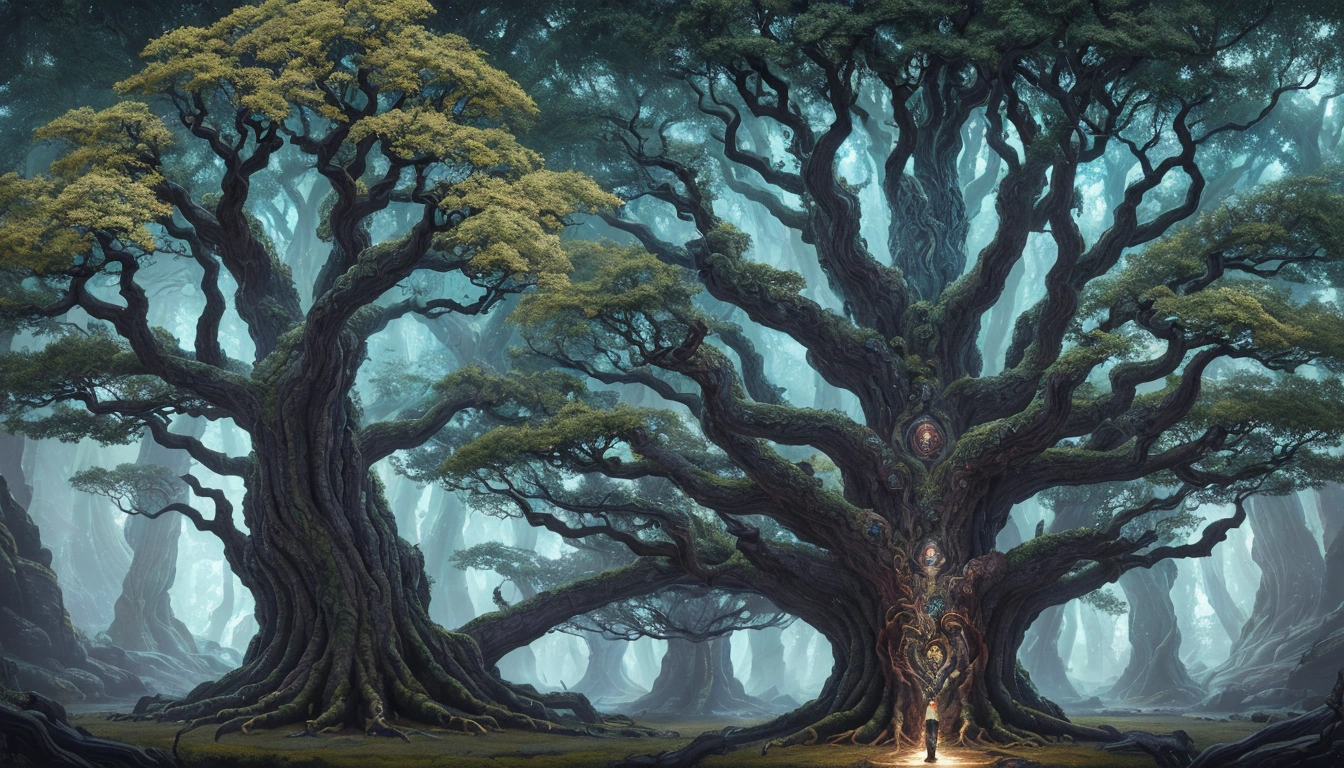
Understanding Norse Cosmology: The Nine Realms and Yggdrasil
In my years of teaching mythology, I've learned that understanding Norse cosmology is crucial before diving into individual stories. The Norse universe consists of nine interconnected realms, all supported by Yggdrasil, the massive World Tree.
The Nine Realms Explained
Asgard sits at the top, home to the Æsir gods. Here you'll find Gladsheim, Odin's hall, and the famous Valhalla where fallen warriors feast.
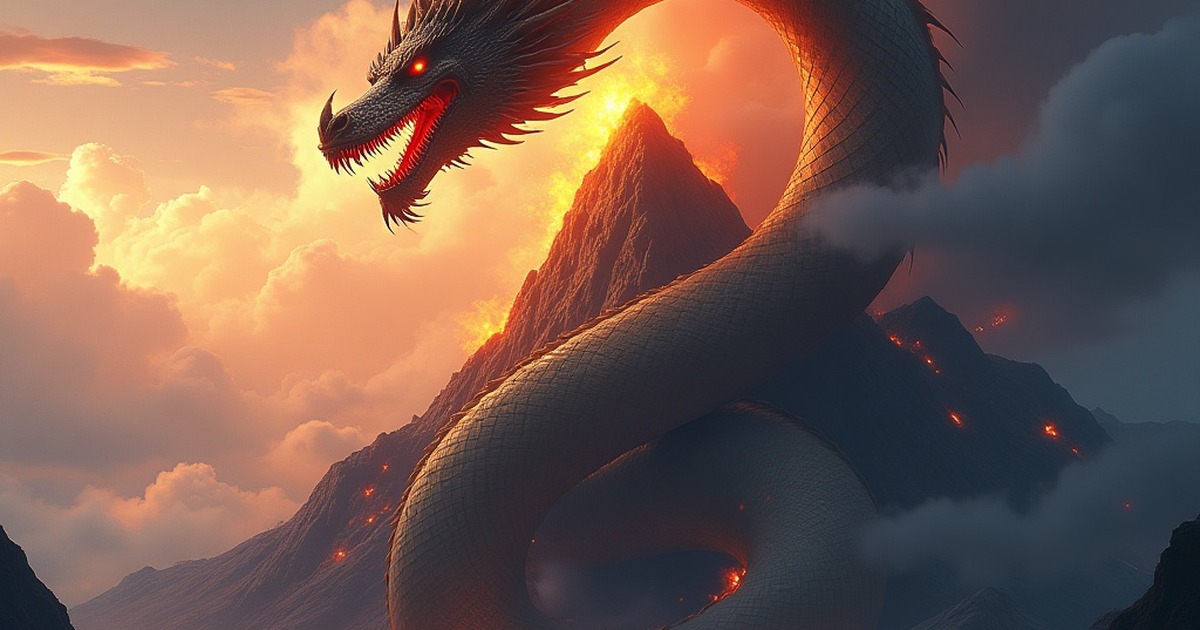
Midgard represents our world – the realm of humans. Connected to Asgard by the rainbow bridge Bifrost, it's encircled by the massive serpent Jörmungandr.
Jotunheim houses the giants (Jötnar), the eternal enemies and sometimes lovers of the gods. This chaotic realm represents the wild, untamed forces of nature.
The remaining realms include Alfheim (light elves), Vanaheim (Vanir gods), Nidavellir (dwarves), Svartalfheim (dark elves), Muspelheim (fire giants), and Helheim (the dead).
Yggdrasil: The Sacred World Tree
Yggdrasil isn't just a tree – it's the axis of existence. Archaeological evidence from the Viking Age shows tree symbolism in countless artifacts, proving how central this concept was to Norse spirituality.
Three wells nourish its roots: Urd's Well (fate), Mimir's Well (wisdom), and Hvergelmir (the source of all rivers). Eagles nest in its crown while the dragon Níðhöggr gnaws at its roots, representing the eternal struggle between order and chaos.
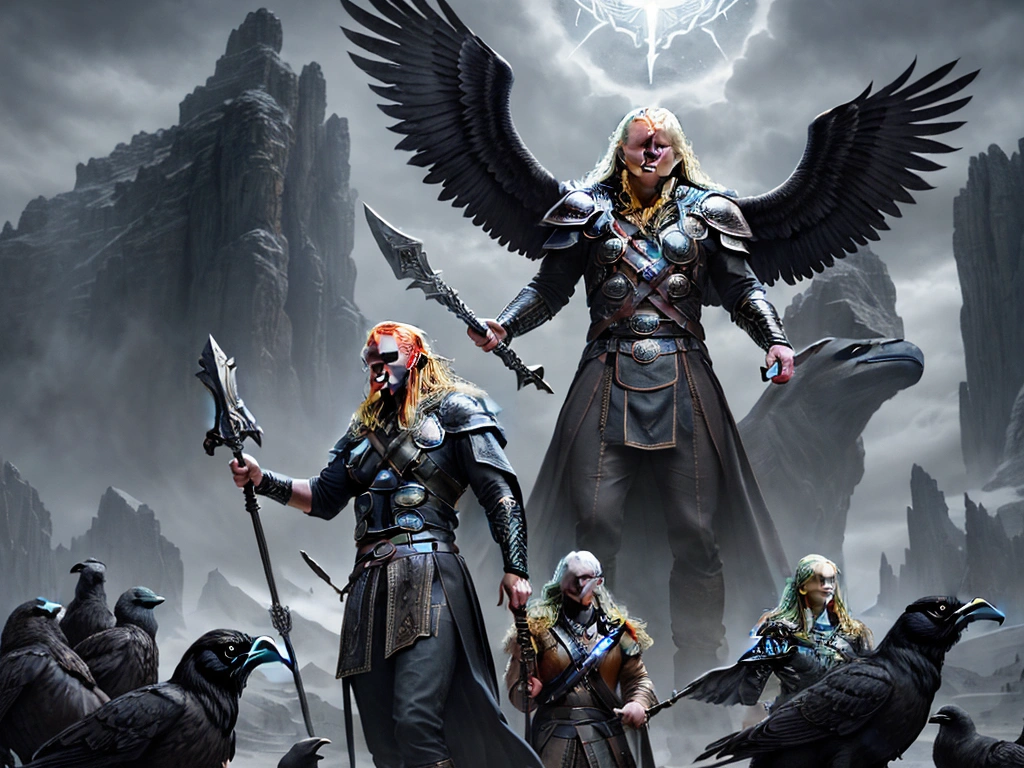
The Æsir Gods: Masters of Asgard
The Æsir represent the primary pantheon of Norse deities. In my research, I've found these gods embody the values most important to Viking society: courage, wisdom, honor, and strength.
Odin the All-Father
Odin dominates Norse mythology as the chief god, ruler of Asgard, and seeker of wisdom. He sacrificed his eye for knowledge and hung himself from Yggdrasil for nine days to discover the runes.
His eight-legged horse Sleipnir can travel between realms. Two ravens, Huginn (thought) and Muninn (memory), fly across all nine worlds daily, bringing him information. This makes Odin not just a war god, but the ultimate gatherer of knowledge.
Thor the Thunder God
While Marvel's Thor differs significantly from the original myths, the core elements remain accurate. Thor wields Mjölnir, the hammer that never misses its target and always returns to his hand.
Thor protects both gods and humans from giants. His chariot, pulled by two goats named Tanngrisnir and Tanngnjóstr, creates thunder as it crosses the sky. Unlike his movie counterpart, mythological Thor has a fiery red beard and an enormous appetite.
Frigg and the Divine Feminine
Frigg, Odin's wife, rules alongside him as Queen of Asgard. She possesses the gift of prophecy but rarely shares what she knows. This reflects the Norse understanding of fate – knowing the future doesn't mean you can change it.
Baldr the Beautiful
Baldr represents light, purity, and beauty. His death, orchestrated by Loki's trickery, triggers the events leading to Ragnarök. Every living thing except mistletoe swore never to harm him – a detail Loki exploited with tragic results.
The Vanir Gods and Divine Integration
The Vanir represent an older layer of Norse religion focused on fertility, prosperity, and connection to the earth. The Æsir-Vanir War and subsequent peace treaty shows how Norse mythology incorporated different religious traditions.
Njörðr, Freyr, and Freyja
After the war ended, these three Vanir came to live among the Æsir as hostages-turned-honored-guests. Njörðr rules over wind, sea, and fishing – crucial elements for coastal peoples.
Freyr controls fertility, prosperity, and kingship. His magical ship Skíðblaðnir can be folded up and carried in a pocket, while his boar Gullinbursti runs faster than any horse.
Freyja, often confused with Frigg in popular culture, is a powerful goddess of love, fertility, and war. She claims half of all warriors who die in battle, with the other half going to Odin's Valhalla.
Ragnarök: The End and Beginning
Ragnarök represents one of mythology's most detailed end-times scenarios. I've always found it fascinating how Norse mythology embraces inevitable doom while maintaining hope for renewal.
The Events of Ragnarök
The end begins with the Fimbulwinter – three years of harsh winter without summer. Social order collapses as “brother fights brother” and moral codes break down.
Loki breaks free from his torturous imprisonment and leads an army of giants against the gods. The wolf Fenrir devours Odin. Thor kills Jörmungandr but dies from the serpent's poison. Freyr falls to Surtr, who then burns all nine realms.
Survival and Renewal
Not everything ends in Ragnarök. Baldr returns from the dead. Odin's sons Víðarr and Váli survive, along with Thor's sons Modi and Magni, who inherit Mjölnir. Two humans, Líf and Lífthrasir, hide in Yggdrasil and repopulate the new world.
This cycle reflects Norse understanding of time as circular rather than linear. Destruction enables rebirth, creating a more perfect world.
Creation Myths and the Beginning of Everything
Norse creation begins with Ginnungagap, the primordial void bordered by Niflheim (ice) and Muspelheim (fire). When ice and fire meet, they create the giant Ymir and the cow Audhumla.
From Chaos to Order
Audhumla licks Búri from the ice. His grandson Odin, along with his brothers Vili and Vé, kills Ymir. They create Midgard from his body: his flesh becomes earth, his blood the seas, his bones the mountains, and his skull the sky.
The brothers then create Ask and Embla, the first humans, from ash and elm trees. Odin gives them breath and life, Vili gives them consciousness and movement, and Vé provides faces, speech, hearing, and sight.
Legendary Heroes and Mortal Tales
Norse mythology isn't just about gods. The heroic sagas show how mortals can achieve greatness through courage and determination, even when fate works against them.
Sigurd the Dragon Slayer
The Volsung Saga tells of Sigurd, who kills the dragon Fafnir and wins a cursed treasure. His story inspired Wagner's Ring Cycle and continues influencing modern fantasy literature.
Sigurd gains the ability to understand birds after tasting Fafnir's blood. They warn him about Regin's betrayal, leading to another killing and deeper entanglement with fate.
The Role of Fate
In Norse mythology, fate (wyrd) cannot be escaped, only met with dignity. Heroes aren't saved by divine intervention – they're honored for facing inevitable doom courageously.
Norse Mythology in Modern Culture
Norse mythology's influence on contemporary culture has exploded in recent years. Video games like God of War and Assassin's Creed Valhalla have introduced these stories to millions of players worldwide.
Popular Media Adaptations
Marvel's Thor films, while entertaining, take significant creative liberties. Real Norse mythology is darker and more complex than superhero stories suggest. TV shows like Vikings and The Northman movie have sparked increased interest in authentic Norse culture.
Modern Religious Practice
Approximately 20,000-30,000 people worldwide practice modern Ásatrú or Norse Heathenry as of 2024. These reconstructionist religions attempt to revive ancient Norse spiritual practices for contemporary practitioners.
Essential Resources for Norse Mythology Enthusiasts
Based on my experience teaching mythology, I recommend starting with accessible modern retellings before tackling primary sources.
For beginners, Neil Gaiman's Norse Mythology provides an excellent introduction. His storytelling skills make these ancient tales accessible without losing their power.
Serious students should read The Prose Edda by Snorri Sturluson, our most comprehensive primary source from 13th-century Iceland.
For those wanting deeper academic insight, The Viking Spirit by Daniel McCoy provides excellent historical context and cultural analysis.
Many enthusiasts enjoy wearing authentic Mjölnir pendants to connect with these ancient symbols.
For interactive experiences, God of War video game series offers surprisingly accurate mythological content alongside entertainment.
Learning Tips for Norse Mythology Beginners
In my years of teaching, I've found certain approaches work better than others for newcomers to Norse mythology.
Start with family trees. Understanding relationships between gods helps contextualize their stories and conflicts. Thor is Odin's son, but Loki is Odin's blood brother, not his son as Marvel suggests.
Don't rely solely on popular culture. While Marvel movies and TV shows spark interest, they change fundamental elements. Real Thor isn't a handsome prince but a red-bearded giant slayer who eats enormous meals.
Practice pronunciation using online audio guides. Names like Jörmungandr and Sleipnir become less intimidating once you hear them correctly pronounced.
Study the cultural context. These myths reflected Viking Age values of honor, courage, and fate. Understanding historical background enriches the stories significantly.
Frequently Asked Questions
What's the difference between Æsir and Vanir gods?
The Æsir (led by Odin) represent war, power, and governance, while the Vanir focus on fertility, wisdom, and prosperity. They originally came from different religious traditions but merged through the mythological Æsir-Vanir War.
How accurate are Marvel's Thor movies compared to actual Norse mythology?
Marvel takes significant creative liberties. Real Thor has red hair and beard, an enormous appetite, and isn't particularly handsome. Loki is Odin's blood brother, not Thor's adoptive brother, and Asgard isn't a planet but a realm connected by the World Tree.
What happens during Ragnarök and which gods survive?
Ragnarök involves the death of major gods including Odin, Thor, and Freyr. Survivors include Baldr (who returns from death), Odin's sons Víðarr and Váli, Thor's sons Modi and Magni, and two humans who repopulate the renewed world.
Is Norse mythology still practiced as a religion today?
Yes, modern Ásatrú and Norse Heathenry have approximately 20,000-30,000 active practitioners worldwide as of 2024. These are reconstructionist religions attempting to revive ancient Norse spiritual practices for contemporary followers.
What are the most important Norse mythology stories to read first?
Start with Thor's adventures (especially fishing for Jörmungandr), Odin's sacrifice for wisdom, Baldr's death, and Loki's binding. These stories introduce key characters and themes while being relatively straightforward narratively.
Conclusion: Your Journey into Norse Mythology
Norse mythology offers one of humanity's richest storytelling traditions. From Odin's relentless pursuit of wisdom to Thor's protection of Midgard, these tales continue resonating because they address timeless themes: the struggle against chaos, the search for meaning, and the courage to face inevitable fate.
Whether you're drawn by Marvel movies, Viking TV shows, or genuine spiritual interest, the Norse mythological tradition has something to offer. The gods aren't perfect beings but flawed characters facing challenges much like our own.
As we move through 2025, interest in Norse mythology continues growing. Archaeological discoveries provide new insights while modern adaptations introduce these ancient stories to fresh audiences. By understanding both the historical sources and contemporary interpretations, we gain a richer appreciation for this remarkable mythological tradition.
Start your journey today. Whether through Neil Gaiman's accessible retellings or primary sources like the Prose Edda, the Nine Realms await your exploration.