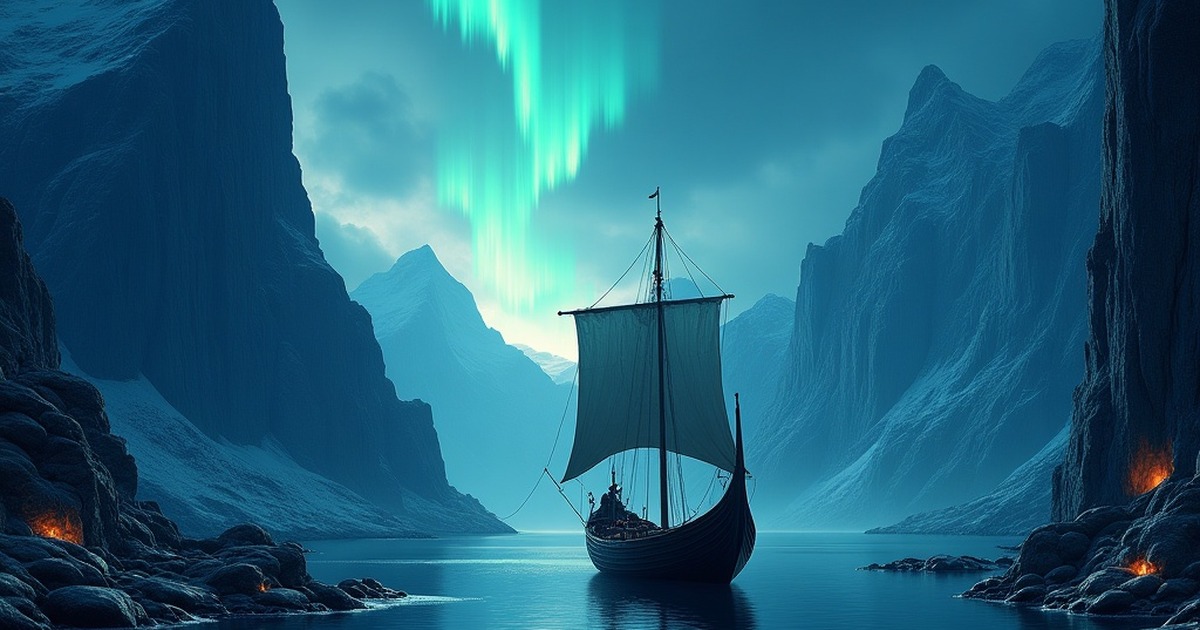
Norse vs Greek Mythology 2025: Key Differences Guide
Ever wondered why Thor wields a hammer while Zeus hurls thunderbolts? Or why Greek gods party on Mount Olympus while Norse gods prepare for their inevitable doom? These aren't just random story choices — they reflect fundamentally different worldviews that shaped entire civilizations.
The main differences between Norse and Greek mythology lie in their core philosophies: Norse myths embrace fatalism and the inevitability of Ragnarok, while Greek myths focus on glory, hubris, and eternal divine rule. Norse gods are mortal warriors facing doom, whereas Greek gods are immortal beings concerned with honor and power.
Disclosure: This article contains affiliate links. We may earn a commission at no extra cost to you.
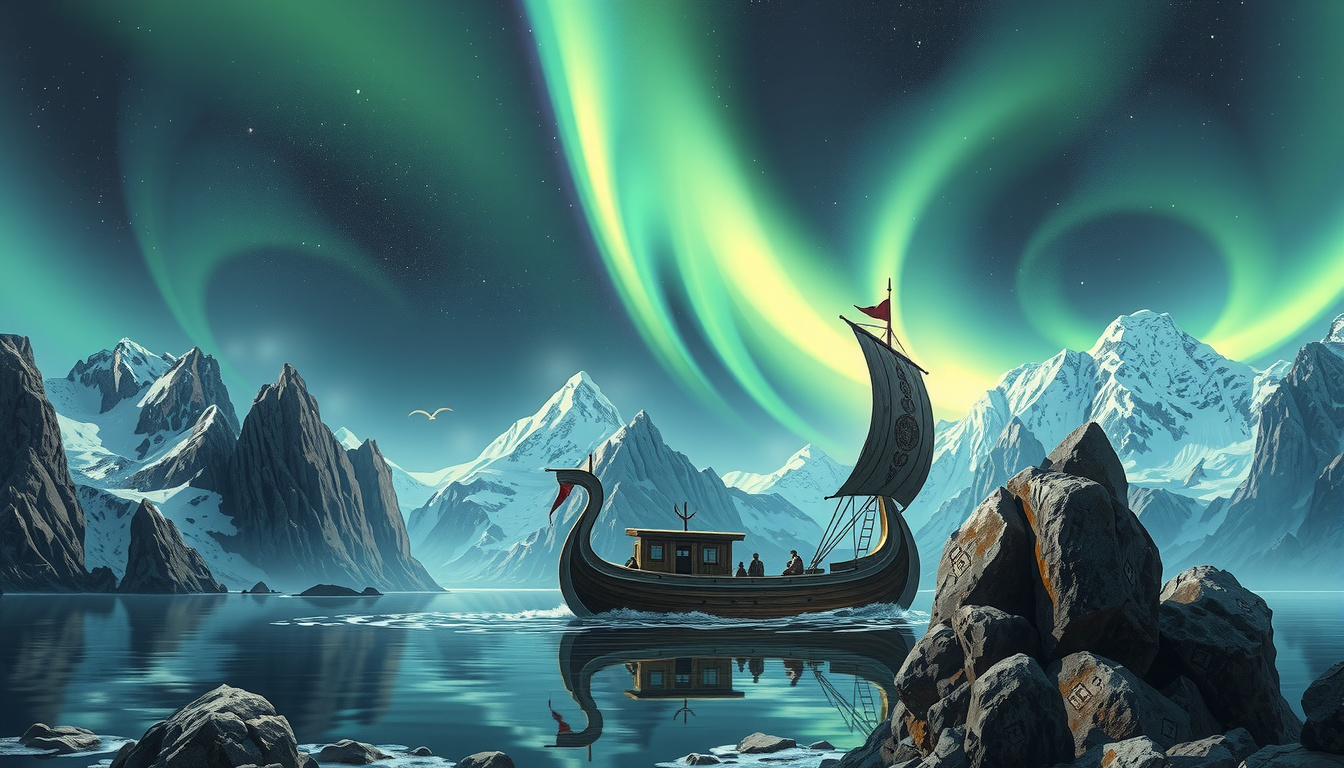
Norse Mythology by Neil Gaiman
Masterful retelling that brings Norse myths to life with scholarly accuracy and engaging prose
What Are the Main Differences Between Norse and Greek Gods?
The fundamental distinction between Norse and Greek deities isn't just their names or weapons — it's their entire relationship with mortality and fate.
Mortality vs Immortality: Greek gods live forever unless killed by extraordinary means. They regenerate, respawn, and continue their eternal schemes. Norse gods? They age without golden apples, die in battle, and know exactly when their world ends at Ragnarok.
Think about Odin versus Zeus. Both rule their pantheons, but Odin sacrifices his eye for wisdom and hangs himself from Yggdrasil to learn the runes — all because he knows he needs every advantage for the coming apocalypse. Zeus throws thunderbolts from his comfy throne, secure in his immortal status.
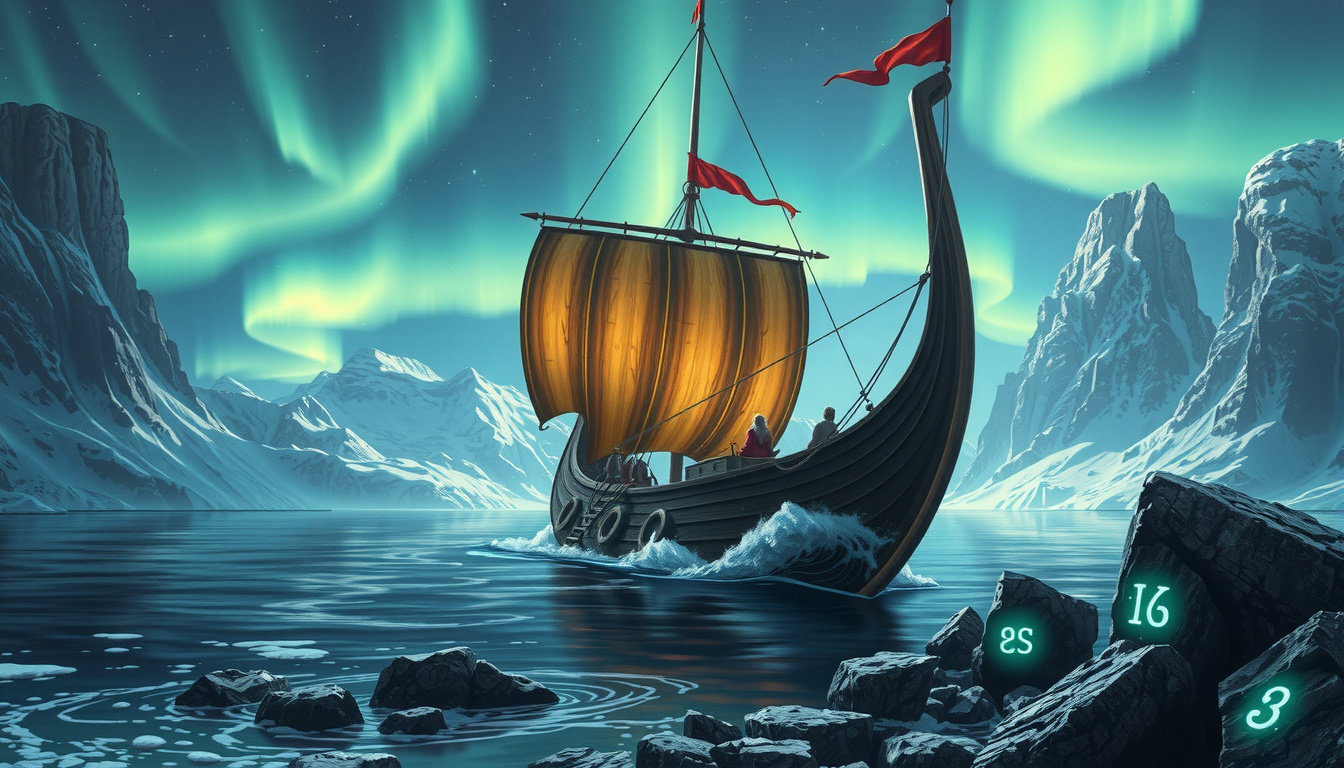
Divine Behavior Patterns:
- Norse gods: Pragmatic, honor-bound, fatalistic
- Greek gods: Dramatic, ego-driven, interventionist
- Norse approach to problems: “We'll face this doom with courage”
- Greek approach to problems: “Let's scheme our way to victory”
Mythology by Edith Hamilton
The definitive introduction to Greek mythology that's educated readers for generations
Which Mythology Is Older: Norse or Greek?
Greek mythology wins the age contest by a significant margin. Written Greek mythological sources date back to the 8th century BCE with Homer's epics, while our earliest Norse mythological texts weren't recorded until the 13th century CE by Snorri Sturluson.
But here's where it gets interesting — oral traditions tell a different story.
Greek Timeline:
- 8th century BCE: Homer's Iliad and Odyssey
- 7th century BCE: Hesiod's Theogony
- 5th century BCE: Peak of mythological drama and art
Norse Timeline:
- Proto-Germanic roots: 2nd-6th centuries CE
- Viking Age development: 8th-11th centuries CE
- Written records: 13th century CE (Prose Edda)
The late recording of Norse myths creates fascinating gaps. We're essentially seeing these stories through a Christian medieval lens, which adds layers of interpretation — and potential distortion — to the original pagan beliefs.
How Do Norse and Greek Creation Myths Differ?
Both mythologies start with chaos, but they imagine totally different kinds of cosmic beginnings.
Greek Creation: Starts with Chaos (the void), then Gaia (Earth) emerges spontaneously. The Titans rise, Zeus overthrows them, and establishes the current Olympic order. It's a story of generational conflict and ultimate divine triumph.
Norse Creation: Begins with Ginnungagap (the yawning void) between fire realm Muspelheim and ice realm Niflheim. When fire and ice meet, they create the primordial giant Ymir. Odin and his brothers kill Ymir and craft the world from his corpse. It's immediately more violent and pragmatic.
Notice the difference? Greeks focus on divine succession and establishing order. Norse myths start with cosmic murder and crafting reality from death — setting up the theme that destruction enables creation.
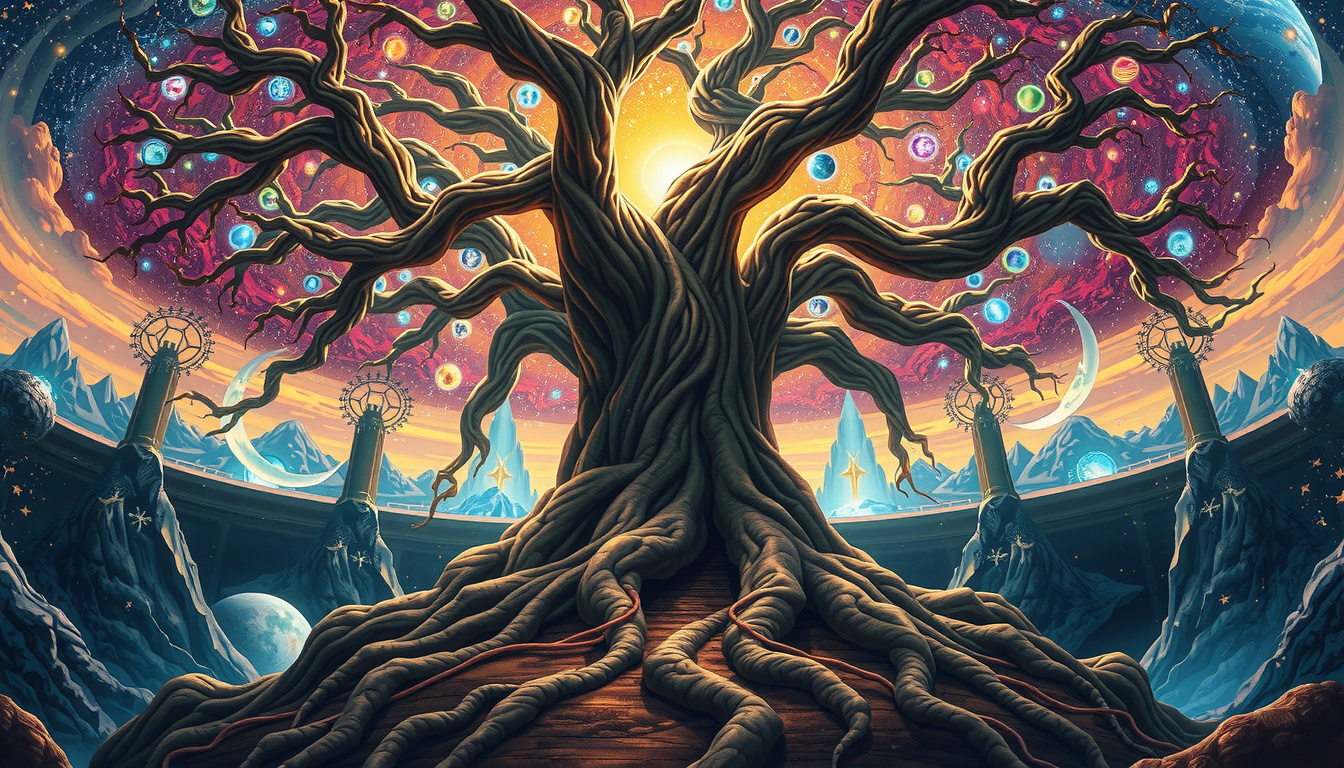
What Is the Difference Between Valhalla and Mount Olympus?
Both serve as divine headquarters, but with completely different purposes and vibes.
Mount Olympus functions like an eternal luxury resort for immortal beings. The gods feast on ambrosia, drink nectar, and scheme about mortal affairs. It's about maintaining power and enjoying divine privileges forever.
Valhalla operates as a military training camp for the apocalypse. Dead warriors fight all day, heal completely, then feast all night — preparing for Ragnarok. Even the fun serves a grim purpose.
Key Contrasts:
- Olympus: Eternal leisure and political intrigue
- Valhalla: Eternal preparation for final battle
- Olympus residents: Gods living their best immortal lives
- Valhalla residents: Dead heroes training for cosmic war
Why Are Norse Gods Mortal While Greek Gods Are Immortal?
This difference reflects the core philosophical divide between these mythological systems — and the cultures that created them.
Greek immortality stems from Mediterranean civilizations that valued permanence, glory, and the eternal. Greek city-states built marble temples meant to last millennia. Their myths reflect this desire for lasting achievement and divine stability.
Norse mortality emerges from harsh northern climates where survival was never guaranteed. Scandinavian societies faced long winters, resource scarcity, and constant warfare. Their myths acknowledge that even gods face limitations and eventual defeat.
Cultural Reflection:
- Greek immortality: Reflects Mediterranean confidence in human achievement
- Norse mortality: Acknowledges harsh realities of northern survival
- Greek divine politics: Mirrors complex city-state relationships
- Norse fatalism: Prepares warriors for likely death in battle
The Neil Gaiman Norse Mythology captures this beautifully — his gods feel genuinely vulnerable despite their power.
Ragnarok vs Greek Apocalypse: Different Endings
Norse mythology is possibly unique among world mythologies for featuring a detailed, inevitable apocalypse that even the gods can't prevent.
Ragnarok (“Twilight of the Gods”):
- Prophesied in detail beforehand
- Gods know it's coming and prepare anyway
- Most gods die fighting cosmic forces
- World burns and floods, then regenerates
- A few gods and humans survive to restart
Greek mythology has no equivalent final ending. Individual ages end (Golden, Silver, Bronze, Iron), but the gods continue ruling. Zeus might overthrow Kronos, but divine rule itself never ends.
This reveals something profound: Norse cultures accepted cyclical destruction and renewal, while Greek cultures believed in permanent divine order.
Modern Cultural Impact: Marvel Movies and Percy Jackson
Both mythologies dominate modern pop culture, but they're used differently.
Norse in Modern Media:
- Marvel's Thor: Action hero with family drama
- God of War (2018): Father-son journey through Nine Realms
- Vikings TV series: Historical drama with mythological elements
- American Gods: Neil Gaiman's take on gods in modern America
Greek in Modern Media:
- Percy Jackson series: Teen adventure with Greek parentage
- Wonder Woman: Amazon princess with Greek divine connections
- Hades video game: Stylish roguelike in the underworld
- Lore Olympus: Modern webcomic retelling
✅ Norse Strengths
- Realistic divine vulnerability
- Complex moral situations
- Rich symbolism and metaphor
- Fascinating apocalyptic themes
❌ Norse Limitations
- Fewer surviving stories
- Later Christian influence on sources
- Less detailed individual god stories
- More limited geographical influence
✅ Greek Strengths
- Vast collection of detailed stories
- Complex character development
- Major influence on Western literature
- Rich philosophical themes
❌ Greek Limitations
- Sometimes repetitive divine politics
- Less relatable immortal characters
- Overwhelming number of minor figures
- Complex family trees can confuse readers
FAQ: Norse vs Greek Mythology
Q: Which mythology is better for beginners?
A: Greek mythology offers more accessible entry points with clearer character relationships and more surviving stories. Start with D'Aulaires' Book of Greek Myths for a gentle introduction.
Q: Are Thor and Zeus equivalent gods?
A: Not exactly. Thor is primarily a thunder god and protector, while Zeus rules as king of gods. Thor is more comparable to Hercules in terms of heroic strength, while Odin parallels Zeus as a ruler figure.
Q: Why do Norse gods need Valhalla warriors for Ragnarok?
A: Because Norse gods are mortal and outnumbered by giants and monsters. They need an army of the greatest human warriors to have any chance in the final battle — though they're still destined to lose.
Q: Which mythology influenced English more?
A: Both significantly. Norse mythology gave us Tuesday through Friday (Tyr, Odin, Thor, Frigg), while Greek mythology provided countless words through Latin: atlas, odyssey, narcissism, Achilles heel, Trojan horse.
Q: Can you combine elements from both mythologies?
A: Absolutely! Modern fantasy frequently blends mythological elements. Marvel Comics puts Norse gods in a universe with Greek-influenced characters, while Neil Gaiman's American Gods features deities from multiple pantheons coexisting.
The Verdict: Two Paths to Understanding Human Nature
Norse and Greek mythologies offer fundamentally different lenses for viewing existence. Greek myths celebrate human potential, divine politics, and the pursuit of glory. Norse myths acknowledge limitation, honor courage in the face of doom, and find meaning in struggle itself.
Neither is “better” — they're complementary. Greek mythology teaches us to reach for greatness and question authority. Norse mythology teaches us to face inevitable hardship with dignity and find wisdom through sacrifice.
For your 2025 mythology reading journey, start with Neil Gaiman's Norse Mythology for accessible Norse stories, then explore Edith Hamilton's classic for comprehensive Greek coverage. Both traditions offer wisdom that remains remarkably relevant in our modern world — which might explain why we keep retelling these ancient stories in new forms.
Whether you're drawn to Odin's wisdom-seeking sacrifice or Zeus's thunderous authority, these mythologies continue shaping how we understand courage, sacrifice, love, and the eternal human struggle against chaos. In 2025, that understanding feels more valuable than ever.