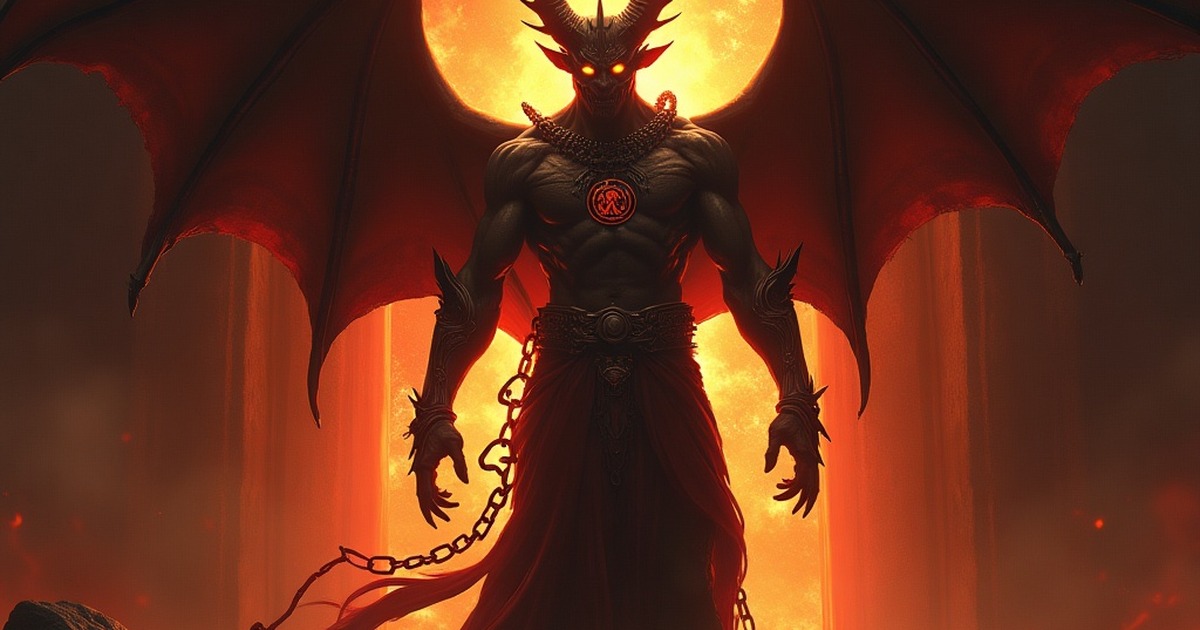
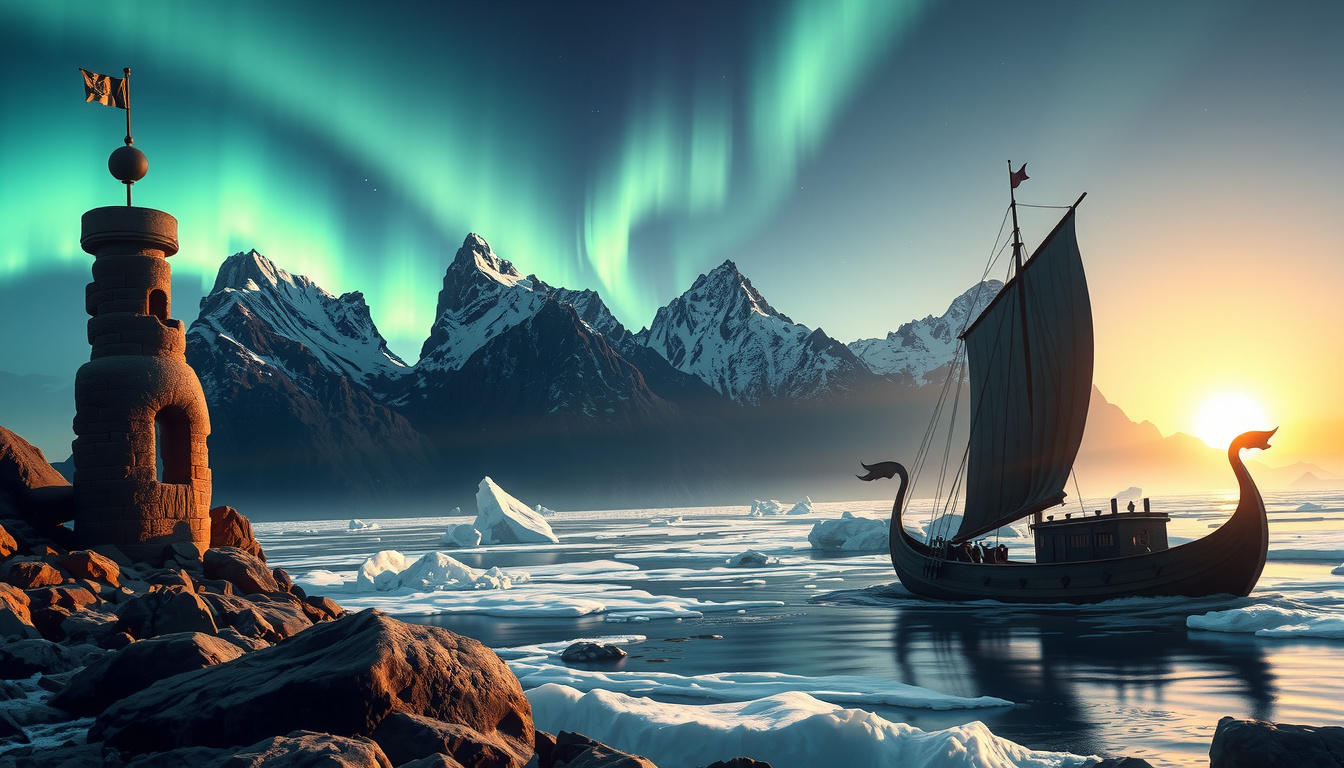
Norse Mythology vs Greek Mythology: Complete Comparison 2025
When the clash of hammers meets the crack of lightning bolts, you're witnessing one of mythology's greatest showdowns. Norse and Greek mythologies have captivated human imagination for millennia, each offering distinct visions of divine power, cosmic order, and humanity's place in the universe.
Quick Answer: Norse mythology emphasizes fate, honor, and inevitable doom (Ragnarok), while Greek mythology focuses on hubris, justice, and cyclical renewal. Norse gods are mortal warriors preparing for battle's end; Greek gods are immortal beings concerned with maintaining cosmic balance. Both systems reflect their cultures — Viking pragmatism versus Mediterranean philosophy.
Disclosure: This article contains affiliate links. We may earn a commission at no extra cost to you.
Norse Mythology by Neil Gaiman
Perfect introduction to Norse mythology with masterful storytelling
What Are the Main Differences Between Norse and Greek Gods?
The fundamental difference lies in mortality versus immortality. Norse gods face Ragnarok — their prophesied doom. They're warriors on borrowed time, making every battle count. Greek gods? They're eternal beings who squabble, scheme, and seduce across infinite timescales.
Norse God Characteristics:
- Mortal despite their power
- Honor-bound warriors
- Accept fate's inevitability
- Live in Asgard, connected by Yggdrasil
- Value courage over wisdom
Greek God Characteristics:
- Immortal and unchanging
- Political and manipulative
- Attempt to control destiny
- Reside on Mount Olympus
- Prize intelligence and strategy
Consider Odin versus Zeus. Odin sacrificed his eye for wisdom, knowing he'll die at Ragnarok. Zeus overthrew his father and maintains power through cunning alliances. One prepares for the end; the other ensures it never comes.
The Prose Edda by Snorri Sturluson
Primary source for Norse mythology, written in medieval Iceland
Recent archaeological discoveries in 2025 at Uppsala, Sweden, revealed silver figurines depicting Odin with both eyes — suggesting earlier versions of Norse mythology may have differed significantly from Snorri's medieval accounts. This reinforces how mythologies evolved through oral tradition before being written down.
Which Mythology Is Older: Norse or Greek?
Greek mythology wins the age contest — by a landslide. Linear B tablets from 1450 BCE mention Zeus and Poseidon. That's Bronze Age antiquity. Norse mythology, as we know it, crystallized during the Viking Age (793-1066 CE), though its roots trace back to earlier Germanic tribes.
But here's where it gets interesting. Both mythologies share Indo-European ancestry. Thor's hammer and Zeus's thunderbolt? They're cousins, descended from ancient sky-god traditions. The Greeks just got better press earlier.
Timeline Breakdown:
- 3000-2000 BCE: Proto-Indo-European mythology emerges
- 1450 BCE: First written Greek god names appear
- 800 BCE: Homer's epics codify Greek mythology
- 1-500 CE: Germanic tribes develop Norse precursors
- 793-1066 CE: Viking Age crystallizes Norse mythology
- 1220 CE: Snorri writes the Prose Edda
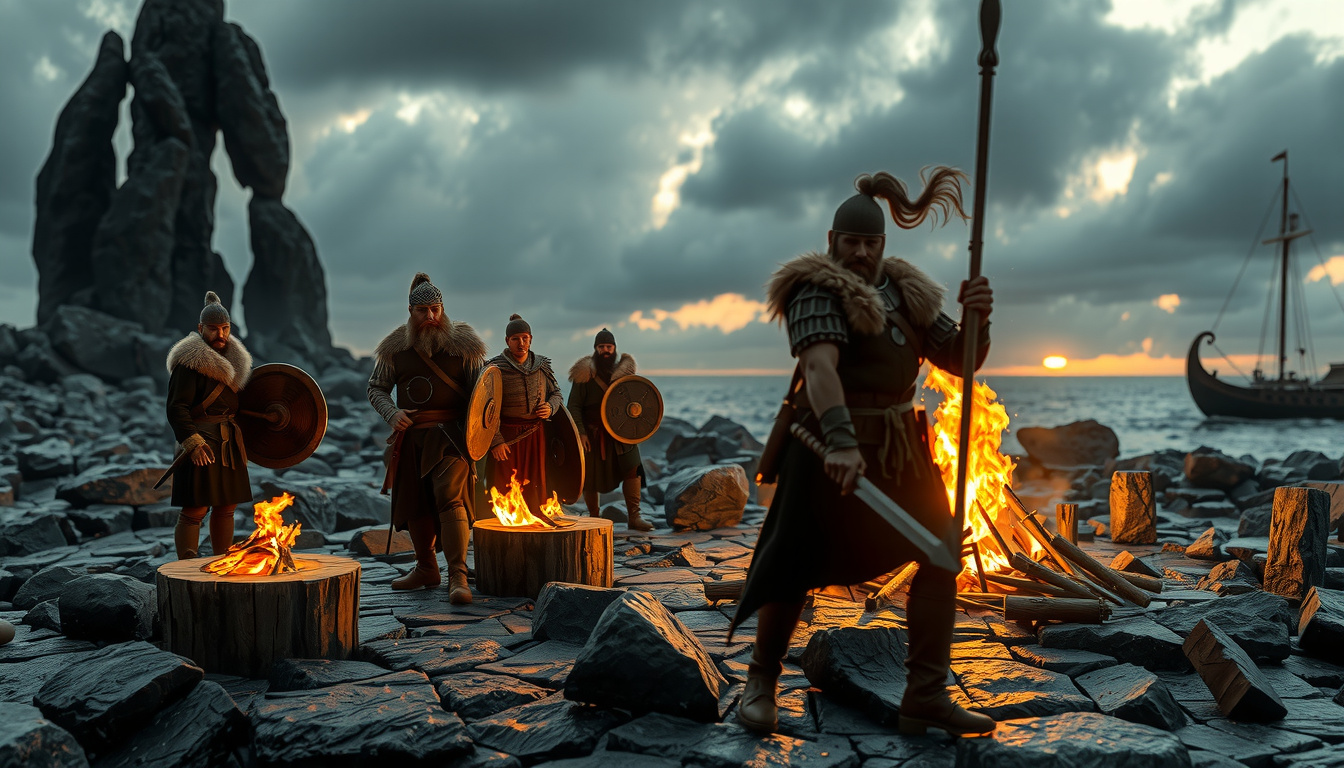
Greek mythology benefited from early literacy and urban civilization. Norse mythology thrived in oral tradition among seafaring warriors. Different preservation methods, same human need to explain lightning, death, and why bad things happen to good people.
How Do Creation Myths Differ Between Norse and Greek Mythology?
Greek creation reads like a succession drama. Chaos births Gaia (Earth), who creates Uranus (Sky). Their children, the Titans, overthrow Uranus. Then Zeus and the Olympians defeat the Titans. It's Game of Thrones with more lightning.
Norse creation? Pure metal. In the beginning was Ginnungagap — the yawning void between fire (Muspelheim) and ice (Niflheim). When they met, the first being emerged: Ymir, the frost giant. Odin and his brothers killed Ymir and carved the world from his corpse. His blood became the seas, his flesh the land, his bones the mountains.
Key Creation Differences:
Greek Approach: Political evolution through divine generations. Order emerges from chaos through conflict and resolution. The cosmos becomes increasingly civilized.
Norse Approach: Sacrifice and transformation. Creation requires death. The world is built on violence and will end in violence. There's beauty in this brutality.
The humans? Greeks have Prometheus stealing fire for mankind. Norse mythology features Odin breathing life into ash and elm trees, creating Ask and Embla — the first humans. Both stories emphasize divine gifts, but Norse mythology makes humans literally tree-people. Vikings knew their relationship with nature was fundamental.
What Are the Similarities Between Odin and Zeus?
Both are sky fathers wielding ultimate authority, but their leadership styles couldn't be more different. Zeus rules through political maneuvering and raw power. Odin leads by example and self-sacrifice.
Shared Characteristics:
- Supreme deity status
- Association with wisdom and war
- Shape-shifting abilities
- Multiple romantic entanglements
- Patriarchal family structures
- Connection to eagles/ravens
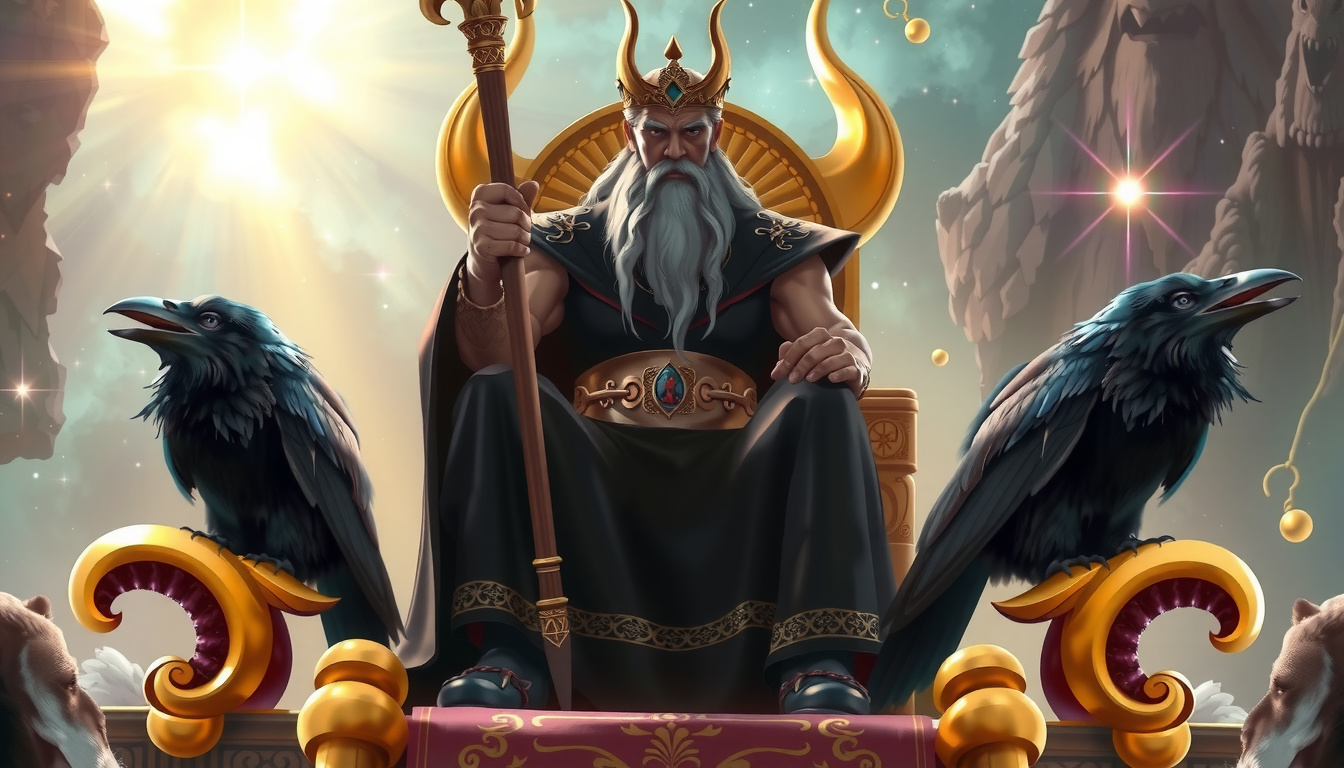
But here's where they diverge dramatically. Zeus maintains power; Odin seeks knowledge knowing it won't save him. Zeus's weapon (lightning) strikes from afar; Odin's spear Gungnir requires close combat. Zeus punishes hubris; Odin rewards courage even in defeat.
The 2025 excavations at Gamla Uppsala revealed votive offerings to Odin including broken weapons — suggesting warriors deliberately sacrificed their tools to mirror Odin's self-sacrifice. No similar archaeological evidence exists for Zeus worship, which focused more on civic prosperity than personal sacrifice.
✅ Odin's Approach
- Leads by example
- Sacrifices for wisdom
- Accepts fate's inevitability
- Values honor over survival
❌ Zeus's Approach
- Rules through authority
- Punishes challenges to power
- Manipulates destiny
- Prioritizes maintaining order
Ragnarok vs Greek Apocalypse Myths: Different Endings
Here's mythology's biggest plot twist: Norse mythology has a built-in expiration date. Ragnarok isn't just possible — it's promised. The gods know exactly how they'll die, and they're okay with it. Meanwhile, Greek mythology assumes eternal continuity.
Ragnarok Features:
- Prophesied and inevitable
- Gods die fighting
- World burns and floods
- Survivors rebuild anew
- Death leads to renewal
Greek “apocalypse” myths are more like cosmic resets. Zeus's flood during Deucalion's time, or the succession of Golden, Silver, Bronze, and Iron Ages — these are corrections, not endings. The gods survive, the cosmos continues, only humanity gets a do-over.
This difference reflects cultural attitudes. Vikings faced harsh winters, dangerous seas, and constant warfare. Their mythology embraces ending as natural. Greeks valued philosophical continuity and civic permanence. Their gods reflect Mediterranean optimism about cycles and renewal.
Bulfinch's Mythology
Comprehensive collection covering multiple mythological traditions
Which Mythology Influenced Modern Culture More?
Greek mythology wins the cultural influence battle — and it's not even close. From psychology (Oedipus complex) to astronomy (planet names) to literature (every hero's journey), Greek mythological concepts permeate Western civilization.
But Norse mythology is having a massive modern moment. Marvel's Thor films, Neil Gaiman's novels, and video games like God of War have introduced Odin, Thor, and Loki to global audiences. The 2025 Netflix series “Ragnarok Reimagined” broke streaming records worldwide.
Greek Cultural Impact:
- Academic terminology and concepts
- Psychological frameworks
- Architectural styles
- Democratic ideals
- Literary archetypes
Norse Modern Revival:
- Superhero franchises
- Fantasy literature
- Video game narratives
- Heavy metal aesthetics
- Environmental symbolism
Why the Norse resurgence? Modern audiences connect with themes of environmental catastrophe, inevitable change, and finding meaning despite futility. Ragnarok feels more relevant than Olympian politics in our current climate crisis era.
Pantheon Power Rankings: Comparing the Greatest Gods
Let's break down the heavyweight matchups between these mythological all-stars.
Zeus vs Odin: Zeus brings raw power and political cunning. Odin counters with wisdom, magic, and battlefield strategy. In a straight fight? Zeus. In a war campaign? Odin.
Thor vs Poseidon: Thor's got Mjolnir and straightforward warrior ethics. Poseidon controls earthquakes and seas, plus he's immortal. Thor's more likeable; Poseidon's more dangerous.
Loki vs Hermes: Both are tricksters, shapeshifters, and divine messengers. But Loki's chaos burns everything down; Hermes just likes clever pranks. Loki's more complex; Hermes is more fun.
Athena vs Frigg: Athena represents strategic warfare and crafts. Frigg embodies domestic wisdom and prophetic knowledge. Different approaches to feminine divine power — one public, one private.
Frequently Asked Questions
Q: Are Norse and Greek mythologies related?
A: Yes, both descend from Proto-Indo-European mythology dating back 5,000+ years. Many gods share common origins — Thor and Zeus both derive from ancient thunder god archetypes. However, they developed distinctly in different geographic and cultural contexts.
Q: Which mythology is more violent?
A: Norse mythology embraces violence as cosmic necessity. Greek mythology uses violence as narrative drama. Norse gods die permanently; Greek gods recover from injuries. Both are violent, but Norse mythology makes death meaningful rather than shocking.
Q: Can you worship these gods today?
A: Modern practitioners of Heathenry (Norse) and Hellenism (Greek) actively worship these deities. These aren't historical reenactments — they're living spiritual traditions adapted for contemporary life. Both communities emphasize ethical behavior and community service.
Q: Which mythology has better monsters?
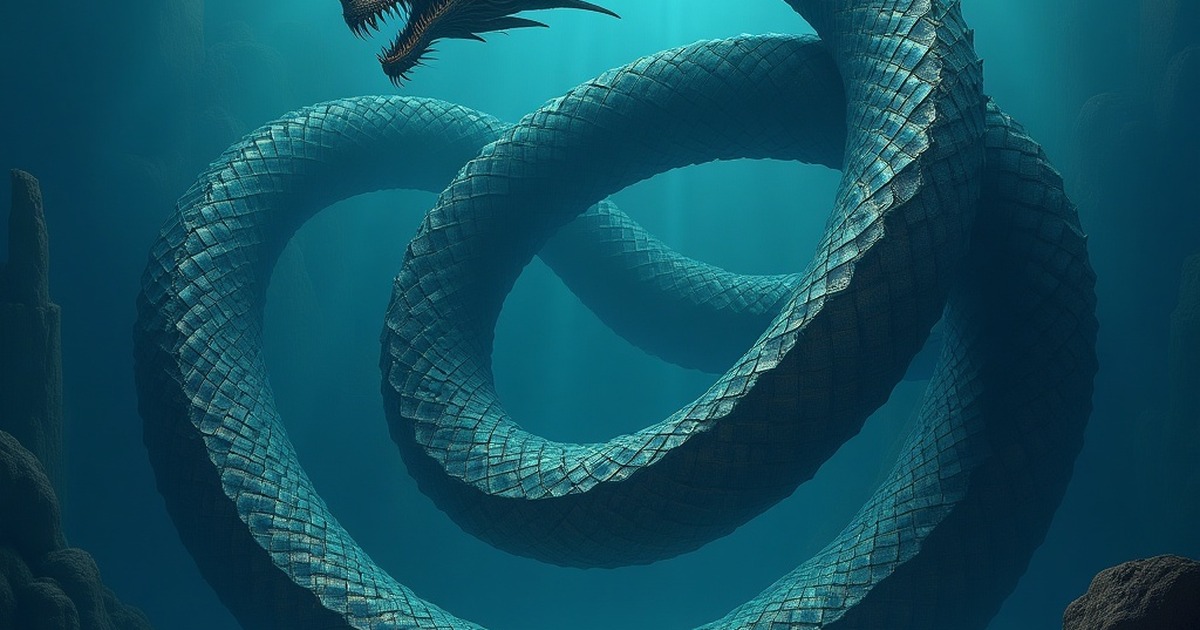
A: Greek mythology wins quantity — Medusa, Minotaur, Cyclops, Hydra. Norse mythology wins existential terror — Jormungandr (world serpent), Fenrir (god-killing wolf), and Níðhöggr (dragon gnawing reality's roots). Choose your nightmare fuel accordingly.
Q: How accurate are Marvel's Thor movies to Norse mythology?
A: About as accurate as a hammer to the face. Marvel's Thor is heroic space alien. Mythological Thor is agricultural deity who protects farmers from giants, drinks massive amounts, and cross-dresses when necessary. Both wield hammers; similarities end there.
Final Verdict: Choose Your Mythological Adventure
Greek mythology offers sophisticated storytelling, complex characters, and foundational Western literary concepts. It's mythology as philosophy — exploring justice, hubris, and human nature through divine drama.
Norse mythology delivers raw emotional power, environmental awareness, and existential courage. It's mythology as survival guide — teaching honor, acceptance, and how to face inevitable doom with dignity.
Want to start exploring? Neil Gaiman's Norse Mythology provides accessible entry into Viking cosmology. For Greek mythology, Edith Hamilton's classic remains unbeatable.
Both mythologies remind us that humans have always sought meaning in chaos, purpose in suffering, and hope despite uncertainty. Whether you prefer Zeus's lightning or Thor's hammer, you're joining conversations that began around ancient fires and continue in 2025's digital age.
The gods may be myths, but the truths they represent — about courage, wisdom, love, and loss — remain eternal.