Norse vs Greek Mythology: The Ultimate Comparison Guide (2025)
Ever wondered why Thor wields a hammer while Hercules relies on raw strength? Or why Norse gods face inevitable doom at Ragnarök while Greek deities party eternally on Mount Olympus?
These aren't random differences—they reflect two completely different worldviews that shaped Western civilization. One culture saw life as a heroic struggle against fate, while the other believed in glory, honor, and divine intervention.
Quick Answer: Norse mythology emphasizes fate, doom, and cyclical destruction (Ragnarök), featuring gods who are mortal and flawed. Greek mythology focuses on eternal glory, heroic achievement, and immortal gods who embody human ideals. Norse tales come from harsh Scandinavian winters; Greek myths from Mediterranean abundance.
Disclosure: This article contains affiliate links. We may earn a commission at no extra cost to you.
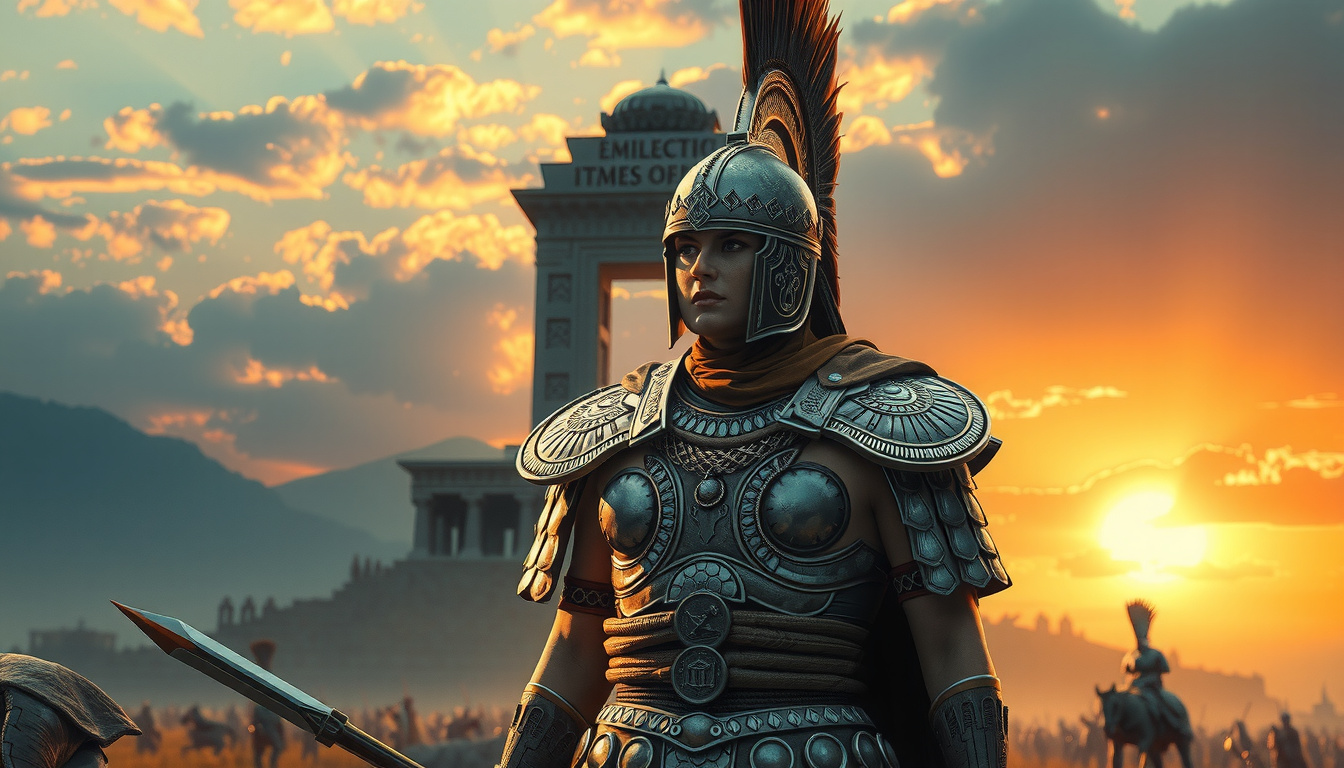
Norse Mythology by Neil Gaiman
Perfect introduction to Norse pantheon with masterful storytelling
What Are the Main Differences Between Norse and Greek Gods?
The fundamental difference? Mortality versus immortality. Greek gods live forever, while Norse gods face certain death at Ragnarök.
This shapes everything else about these pantheons:
Divine Power Structures
Greek Hierarchy: Zeus rules absolutely from Mount Olympus. The twelve Olympians form a clear royal court with defined roles—Athena governs wisdom, Ares handles war, Aphrodite manages love. It's structured like a divine monarchy.
Norse Leadership: Odin leads through wisdom and sacrifice, not absolute power. The Æsir and Vanir gods function more like a warrior clan facing external threats. Leadership shifts based on need and expertise.
Moral Complexity
Greek gods embody human flaws magnified—Zeus's infidelity, Hera's jealousy, Ares's bloodlust. They're cautionary tales about unchecked power.
Norse gods embody human struggles elevated—Odin's desperate quest for knowledge, Thor's protective fury, Baldr's tragic goodness. They're inspirational figures facing impossible odds.
The Prose Edda by Snorri Sturluson
Primary source for Norse mythology, written by 13th-century Icelandic scholar
Relationship with Humanity
Greeks viewed gods as distant, powerful, and capricious. Humans needed to appease them through proper worship and sacrifice. The relationship was transactional.
Norse culture saw gods as allies in the cosmic struggle. Humans who died bravely joined the gods in Valhalla to fight at Ragnarök. The relationship was collaborative.
Which Mythology Is Older: Norse or Greek?
Here's where it gets interesting—we're comparing apples to archaeological oranges.
Greek mythology's written record stretches back to Homer's Iliad and Odyssey (8th century BCE), with roots in Mycenaean civilization (1600-1100 BCE). That's nearly 3,000 years of documented tradition.
Norse mythology's written sources come mainly from 13th-century Iceland—Snorri Sturluson's Prose Edda and the anonymous Poetic Edda. But the oral traditions? Much older.
The Archaeological Evidence
Bronze Age Scandinavian rock carvings (1600-500 BCE) show hammer-wielding figures that might be proto-Thor. The Gundestrup Cauldron (150-1 BCE) depicts Celtic-Germanic religious scenes. Germanic tribes were already worshipping Wodan (Odin) when Tacitus wrote about them in 98 CE.
So while Greek literature predates Norse texts by over a millennium, both mythological systems likely developed around the same time—roughly 1500-1000 BCE.
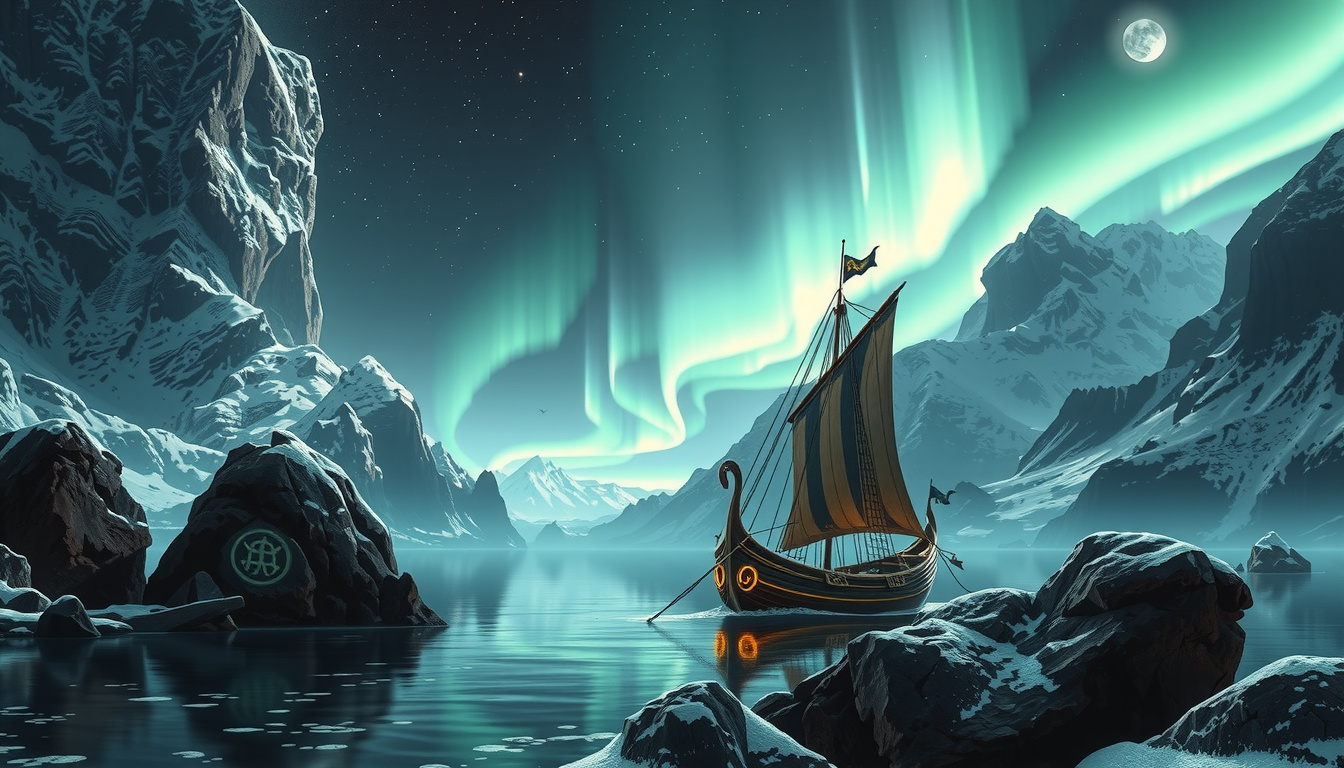
How Do Norse and Greek Creation Stories Differ?
These origin myths reveal everything about how each culture viewed existence itself.
Greek Creation: Order from Chaos
Greek cosmogony moves from Chaos (void) to Cosmos (order). Gaia (Earth) emerges spontaneously, births Ouranos (Sky), and their union creates the Titans. After a divine succession war, Zeus establishes permanent order.
It's progressive—each generation improves on the last. Humans start in a Golden Age and decline through Silver, Bronze, and Iron Ages. But civilization can reclaim glory through heroic achievement.
Norse Creation: Temporary Arrangement
Norse cosmogony begins with Ginnungagap—a gap between fire and ice realms. When they meet, they create the giant Ymir, whose body becomes the world tree Yggdrasil and the Nine Realms.
But here's the kicker—it's all temporary. Ragnarök will destroy everything, though some gods and humans will survive to rebuild. It's cyclical rather than progressive.
Key difference: Greeks saw creation as establishing eternal order. Norse saw it as temporary shelter against inevitable chaos.
What Are the Similarities Between Thor and Hercules?
Finally—a fun comparison that highlights both cultures' values!
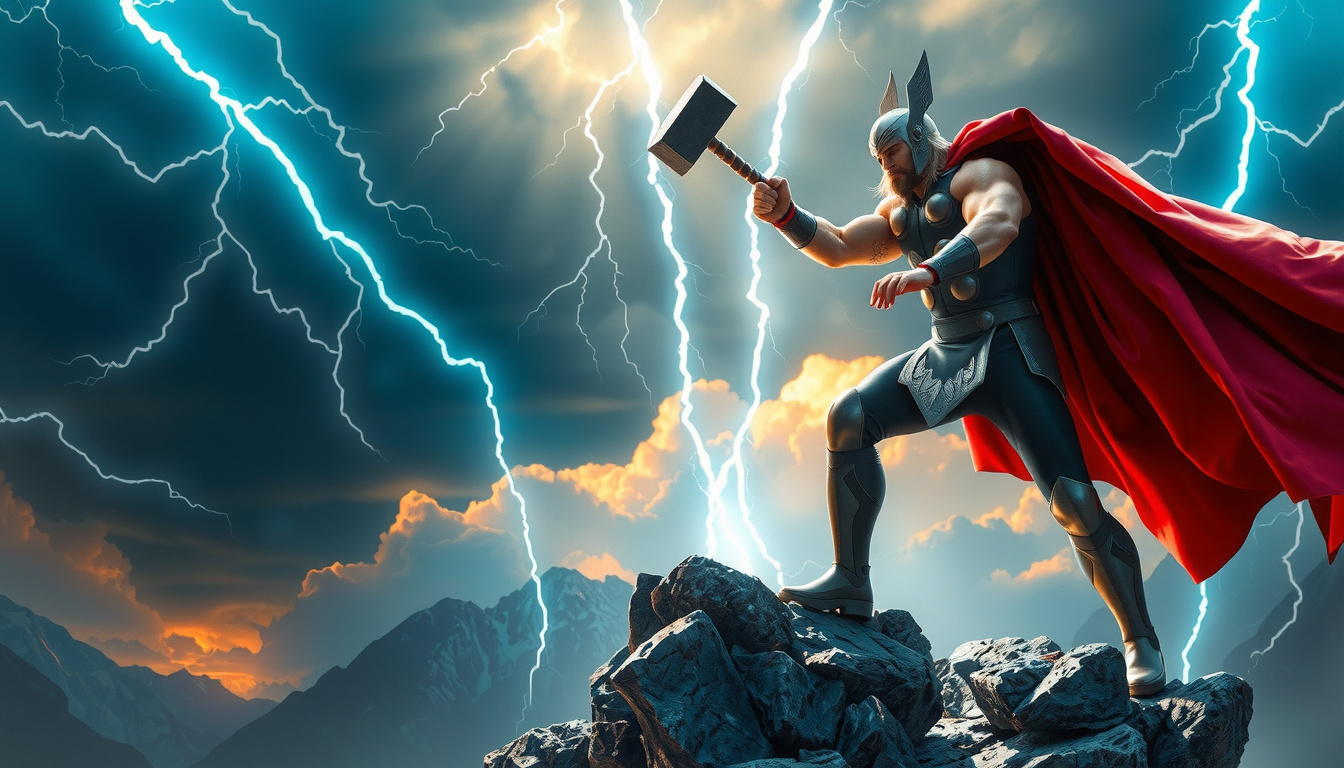
Both Thor and Hercules are divine strongmen who protect humanity from monsters. Both wield legendary weapons (Mjolnir and the Nemean Lion's hide/club). Both undertake heroic quests and face seemingly impossible challenges.
The Differences Reveal Everything
Hercules' Motivation: Redemption. He performs his Twelve Labors to atone for killing his family in a Hera-induced rage. His strength comes from his divine parentage (Zeus's son).
Thor's Motivation: Duty. He fights giants because they threaten the cosmic order. His strength comes from his hammer Mjolnir and his protective instincts.
Hercules seeks personal glory—becoming a god after death, earning a place on Olympus, marrying the goddess Hebe. His story follows the Greek ideal of achieving immortal fame through great deeds.
Thor seeks communal protection—defending Midgard (Earth) and Asgard from chaos. Even knowing he'll die at Ragnarök fighting the World Serpent, he continues his duty. His story follows the Norse ideal of honorable sacrifice.
Combat Styles Tell the Story
Hercules fights cleverly—using strategy against the Hydra, tricking Atlas, outsmarting the Stymphalian Birds. Greek heroes combine strength with wisdom.
Thor fights directly—smashing frost giants, crushing monsters, straightforward hammer-to-face solutions. Norse heroes value honest strength over cunning tricks.
Why Did Norse Mythology Focus on Doom While Greek Focused on Glory?
Environment shapes mythology more than most people realize.
Geographic Influence
Ancient Greece enjoyed Mediterranean abundance—olive groves, wine harvests, favorable trade winds, natural harbors. Life was challenging but promising. Their mythology reflects this optimism.
Scandinavia faced brutal winters, short growing seasons, violent storms, and resource scarcity. Survival required constant struggle against natural forces. Their mythology reflects this harsh reality.
Cultural Values
Greek Excellence (Arete): Greeks valued achieving your highest potential—whether in athletics, warfare, art, or philosophy. Their heroes strive for immortal glory that outlasts death.
Norse Honor (Drengskap): Norse culture valued doing your duty regardless of consequences. Their heroes face doom with dignity, earning honor through courage rather than victory.
Religious Purpose
Greek mythology taught humans to seek divine favor and avoid hubris. The gods punish arrogance but reward proper worship and excellent achievement.
Norse mythology taught humans to face unavoidable hardship with courage. Even the gods can't escape fate—but they can meet it honorably.
Mythology by Edith Hamilton
Classic comparative mythology guide covering Greek, Roman, and Norse traditions
Modern Cultural Impact: 2025 and Beyond
Want to see these differences in action? Look at modern entertainment.
Marvel's Interpretation
Marvel's Thor (2025) blends both traditions—he's got Norse duty and honor, but operates in a Greek-style universe where heroes can achieve lasting victory. The MCU's upcoming Thor: World's End (2026) promises to explore authentic Ragnarök themes.
Gaming Influence
God of War (2018-2022) brilliantly contrasts these mythologies. Kratos moves from Greek rage and revenge to Norse restraint and protection. The gameplay mechanics even reflect this—Greek entries feature over-the-top spectacle, Norse entries emphasize tactical combat and emotional growth.
Literature Trends
Greek mythology dominates young adult fantasy—think Percy Jackson's world where heroes can save the day. Norse mythology appears in grittier adult fiction where characters face inevitable loss but find meaning in the struggle.
Afterlife Concepts: Eternal Versus Earned
Nothing reveals cultural differences like death beliefs.
Greek Afterlife
The Greek underworld sorts souls by moral achievement. Heroes reach the Elysian Fields, ordinary people wander the Asphodel Meadows, and villains suffer in Tartarus. It's based on your life's actions and divine judgment.
Special cases matter—extraordinary heroes like Hercules can achieve full godhood. Mystery religions like the Eleusinian Mysteries promised initiates better afterlife treatment. You could improve your cosmic standing through knowledge and proper worship.
Norse Afterlife
The Norse afterlife is recruitment-based. Odin sends Valkyries to collect half the battle-dead for Valhalla, where they train for Ragnarök. Freyja gets the other half for her hall Fólkvangr. Those who die of sickness or age go to Hel—not punishment, just a different destination.
It's not about moral judgment—it's about usefulness in the final battle. A brave farmer who never fought might reach Hel, while a morally questionable but fierce warrior joins the Einherjar (chosen slain).
Heroic Journey Structures
Both mythologies feature heroes, but their paths differ dramatically.
Greek Hero's Journey
Greek heroes typically follow this pattern:
- Divine parentage or calling
- Impossible quest or trial
- Divine aid and clever solutions
- Triumph over monster/villain
- Return with treasure/knowledge
- Immortal fame or godhood
Perseus saves Andromeda, kills Medusa, becomes a constellation. Theseus defeats the Minotaur, becomes king of Athens. The pattern emphasizes individual achievement and lasting victory.
Norse Hero's Journey
Norse heroes follow a different arc:
- Recognition of duty or threat
- Acceptance of likely doom
- Honorable struggle against overwhelming odds
- Heroic death or pyrrhic victory
- Example that inspires others
- Memory preserved in saga
Sigurd slays the dragon Fafnir but dies from the curse. Ragnar Lodbrok faces the snake pit with poetry on his lips. The pattern emphasizes duty, honor, and inspiring future generations.
✅ Greek Mythology Strengths
- Rich philosophical depth
- Complex moral lessons
- Beautiful artistic inspiration
- Detailed character development
- Optimistic worldview
✅ Norse Mythology Strengths
- Realistic about life's hardships
- Values duty over personal gain
- Complex theological concepts
- Inspiring under adversity
- Environmentally aware themes
Frequently Asked Questions
Q: Can you worship both Norse and Greek gods?
A: Historically, yes—Romans often incorporated foreign deities into their pantheon. Modern practitioners of reconstructionist religions typically focus on one tradition for cultural authenticity, though some eclectic pagans blend elements from both.
Q: Which mythology has better gender representation?
A: Both have powerful goddesses but reflect ancient patriarchal societies. Norse mythology features more complex female figures like the Valkyries and Freyja (who leads armies). Greek mythology has more varied goddess roles but often emphasizes beauty or maternal functions.
Q: Why don't we have as many Norse primary sources?
A: Christianity arrived in Scandinavia later (10th-12th centuries) and Norse culture relied heavily on oral tradition. Most written sources come from Christian Icelanders preserving pre-Christian stories. Greek sources survived because literacy was more widespread and Christianity preserved classical texts.
Q: Which mythology influenced modern fantasy more?
A: Greek mythology dominated until Tolkien popularized Norse elements (elves, dwarves, world-trees, doom-laden prophecies). Modern fantasy blends both—Greek-style quests with Norse-style moral complexity and environmental themes.
Q: Are there any connections between Norse and Greek gods?
A: Both stem from Indo-European traditions, so some parallels exist—sky fathers (Zeus/Odin), thunder gods (Zeus/Thor), war deities (Ares/Tyr). But these represent convergent evolution rather than direct borrowing.
The Verdict: Two Windows into Human Experience
Choosing between Norse and Greek mythology is like choosing between mountains and oceans—both offer profound beauty, just of different kinds.
Greek mythology speaks to our aspirations—the human drive to achieve excellence, overcome limitations, and create lasting beauty. It's mythology for optimists who believe great deeds can change the world.
Norse mythology speaks to our struggles—the human need to find meaning in hardship, maintain honor under pressure, and face unavoidable difficulties with dignity. It's mythology for realists who know life is hard but choose courage anyway.
For 2025 readers seeking to understand these traditions, I recommend starting with Neil Gaiman's Norse Mythology for Norse stories and D'Aulaires' Book of Greek Myths for Greek tales. Both capture their respective traditions' essential spirit while remaining accessible to modern audiences.
The real magic happens when you read both—seeing how different cultures created meaning from the same fundamental human experiences of love, loss, duty, and hope.