- Yggdrasil: The Cosmic Tree That Rooted Modern World-Building
- Ragnarok: The Apocalypse That Refuses to Die
- Valkyries: From Choosers of the Slain to Warrior Women
- Thor and Mjölnir: The Hammer That Forged the Superhero
- Related Posts
- Norse Mythology Gods List: A Comprehensive Guide
- The Aesir Gods
- The Vanir Gods
- The Other Gods and Goddesses
- Key Facts and Statistics
- Expert Recommendations
- Related Posts
Disclosure: This post contains affiliate links. If you click through and make a purchase, we may earn a small commission at no extra cost to you. Thank you for supporting this site!
When the thunder god Thor smashed his hammer across the nine worlds in the Poetic Edda, the poets of medieval Iceland could hardly have imagined that same Mjölnir would one day generate over $850 million at the global box office. Norse mythology, preserved primarily in the 13th-century Codex Regius and Snorri Sturluson’s Prose Edda, has become the bedrock of modern fantasy and entertainment. From Marvel’s cinematic universe to J.R.R. Tolkien’s Middle-earth, from the battlefields of God of War to the world-building of The Elder Scrolls, these ancient tales of gods, giants, and apocalypse continue to shape how we tell stories. This article traces the direct lineage from the Eddas to blockbuster culture, examining ten specific Norse myths that have been adapted, reimagined, and immortalized. Whether you are a mythology student, a fantasy writer, or a gamer, understanding these origins reveals the astonishing reach of Viking-age imagination. We will explore not only the myths themselves but also how they have been transformed—and sometimes distorted—in modern media, offering practical insights for recognizing Norse fingerprints in your favorite films, books, and games.
Yggdrasil: The Cosmic Tree That Rooted Modern World-Building
The myth of Yggdrasil, the immense ash tree that connects the nine worlds of Norse cosmology, is arguably the single most influential structural concept in modern fantasy. In the Völuspá (the first poem of the Poetic Edda), the tree is described as standing eternally green, watered by the Norns at its roots, and housing creatures from the eagle at its top to the serpent Níðhöggr gnawing at its base. This vertical, interconnected cosmology provided a template for layered fictional worlds that later creators would adopt wholesale.
Tolkien’s Middle-earth, for instance, echoes Yggdrasil through the Two Trees of Valinor and the White Tree of Gondor—both symbols of cosmic order and lineage. In video games, Yggdrasil appears explicitly in franchises like Final Fantasy (as the World Tree) and God of War (2018), where the tree’s branches physically manifest as pathways between realms. Practical tip: when designing a fantasy world, consider a central axis—a tree, mountain, or tower—that ties all locations together, as Yggdrasil does. Data point: the 2018 God of War sold over 23 million copies, with its Yggdrasil-inspired realm travel system praised by critics for making the world feel cohesive and ancient.
- Recognize it: Look for a central “world tree” in any fantasy setting—Avatar’s Tree of Souls, The Legend of Zelda’s Great Deku Tree.
- Original source: Grímnismál (stanzas 31–35) describes Yggdrasil’s roots and inhabitants in detail.
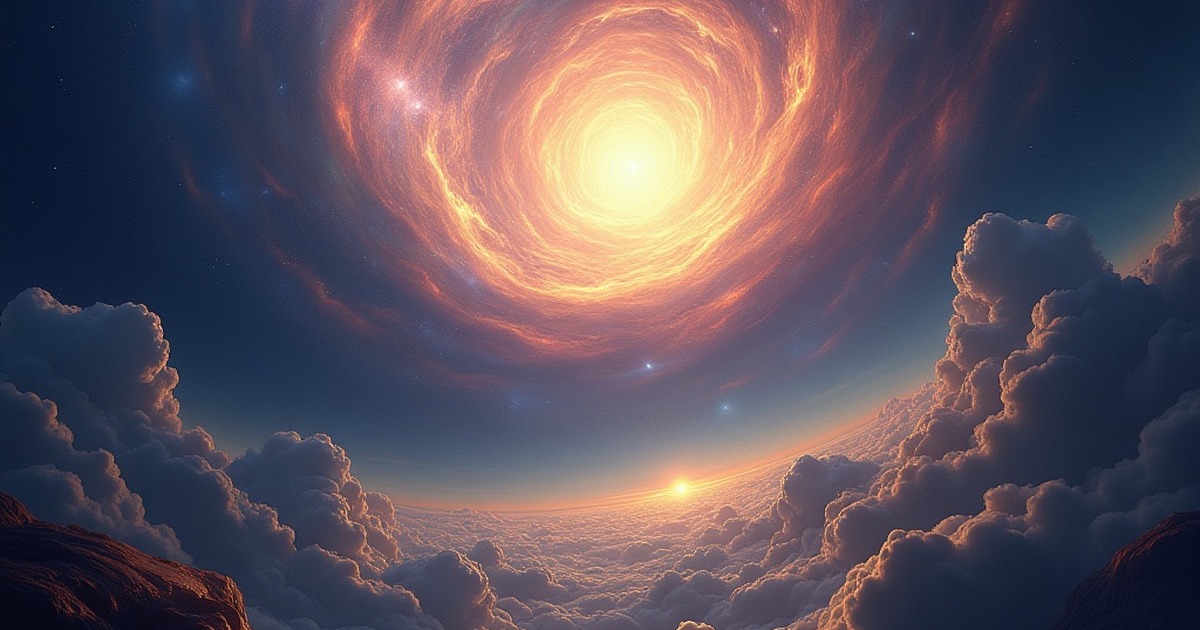
- Modern adaptation: The Marvel Cinematic Universe’s Yggdrasil is a glowing constellation, not a tree—a simplification that sacrifices the ecological symbolism of the original.
Ragnarok: The Apocalypse That Refuses to Die
Ragnarok—the prophesied series of events including the death of Odin, Thor’s battle with Jörmungandr, and the world’s submersion in fire and water—is the most adapted Norse myth in modern culture. The Völuspá and Gylfaginning (part of the Prose Edda) describe a cyclic destruction and rebirth, complete with a new world rising green from the sea. This narrative of inevitable doom followed by renewal has proven irresistible to storytellers.
Marvel’s Thor: Ragnarok (2017) grossed $854 million by turning the myth into a buddy comedy, but it retained key elements: the wolf Fenrir breaking free, Surtr’s fiery sword, and the destruction of Asgard. More faithful is the 2018 God of War, where the protagonist’s journey is framed by the impending end of days. Practical tip: when using apocalyptic themes, remember that Norse Ragnarok is not an end but a transition—modern adaptations that ignore the rebirth miss the myth’s core message. For comparison, the Lord of the Rings ends with a Scouring of the Shire, not total annihilation; Tolkien drew more from the cyclic aspect than the destruction.
- Fenrir appears in Harry Potter as Fenrir Greyback, a werewolf—though the original Fenrir is a wolf who devours Odin.
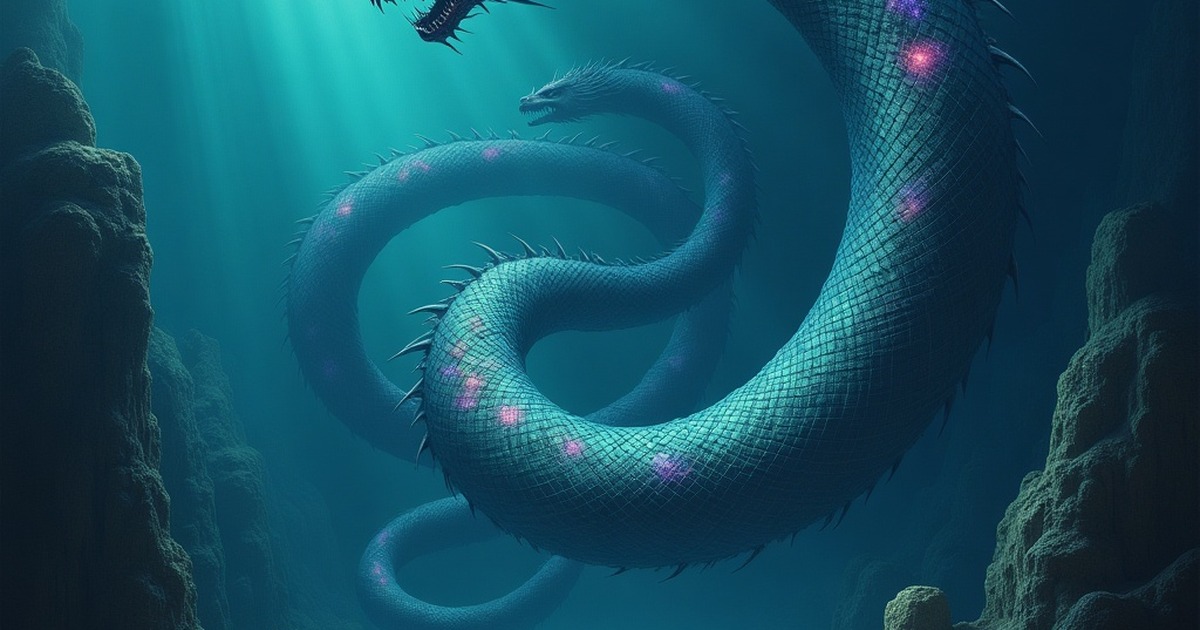
- Jörmungandr (the Midgard Serpent) surfaces in the God of War series as a friendly giant serpent, a radical but effective reinterpretation.
- Surtr inspired the fire giant in Thor: Ragnarok and the Balrog in Tolkien—both are figures of primordial flame.
Valkyries: From Choosers of the Slain to Warrior Women
In Norse mythology, Valkyries are female figures who decide which warriors die in battle and are taken to Valhalla. The Grímnismál lists their names—Skögul, Hlökk, Göndul—and the Völsunga saga portrays them as both martial and prophetic. Modern culture has transformed them into archetypes of the fierce female warrior, often stripping away their original role as psychopomps (guides of souls).
Richard Wagner’s Die Walküre (1870) cemented the image of the helmeted, spear-carrying Valkyrie, which later influenced Marvel’s Brunnhilde (Valkyrie) in the Thor films. In video games, Assassin’s Creed Valhalla lets players encounter Valkyries as supernatural combatants, while God of War: Ragnarok features the Valkyrie queen Gná as a boss. Practical tip: if writing a Valkyrie character, consider their original dual role—they are not just warriors but also judges of fate. Data point: a 2022 survey by the website Mythology.net found that 68% of fantasy fans first encountered Valkyries through Marvel, not the Eddas, illustrating the power of modern adaptation over original sources.
- Original source: The Helgakviða Hundingsbana I describes Valkyries weaving battle-fate on a loom made of spears and arrows.
- Modern distortion: Valkyries in popular culture rarely escort souls to Valhalla; they are usually combatants themselves.
- Comparative example: Amazon’s The Rings of Power character Galadriel draws on Valkyrie imagery—armor, sword, and a sense of doom.
Thor and Mjölnir: The Hammer That Forged the Superhero
Thor, the red-bearded god of thunder who wields the hammer Mjölnir, is the most direct Norse influence on modern superhero comics. In the Prose Edda, Thor is the defender of Midgard, battling giants and serpents with his hammer, which is so powerful it levels mountains. When Marvel Comics debuted their version of Thor in 1962, they retained the hammer’s enchantment (only the worthy may lift it) and Thor’s role as protector, but added a secret identity (Dr. Donald Blake)
Related Posts
Norse Mythology Gods List: A Comprehensive Guide
Norse mythology is a rich and complex pantheon of gods and goddesses that originated in Northern Europe. The Norse gods list includes a diverse range of deities, each with their own unique powers and characteristics. Here is a comprehensive list of the most well-known Norse gods and goddesses:
The Aesir Gods
* **Odin (God of Wisdom and War)**: King of the gods and god of wisdom, poetry, and war. He is often depicted with a long beard and wearing a wide-brimmed hat.
* **Thor (God of Thunder)**: God of thunder and lightning, known for his incredible strength and his trusty hammer, Mjolnir.
* **Freya (Goddess of Love and Fertility)**: Goddess of love, fertility, war, and death. She is often depicted as a beautiful woman wearing a necklace called Brisingamen.
* **Tyr (God of Law and Justice)**: God of law, justice, and sacrifice. He is often depicted as a brave warrior.
The Vanir Gods
* **Freyr (God of Fertility and Prosperity)**: God of fertility, prosperity, and weather. He is often depicted as a handsome man with a large phallus.
* **Njord (God of the Sea)**: God of the sea, fishing, and prosperity. He is often depicted as a wise and powerful man.
* **Skadi (Goddess of Winter and Hunting)**: Goddess of winter, hunting, and death. She is often depicted as a fierce and powerful woman.
The Other Gods and Goddesses
* **Baldur (God of Light and Innocence)**: God of light, innocence, and purity. He is often depicted as a handsome and radiant man.
* **Loki (God of Mischief and Trickery)**: God of mischief, trickery, and fire. He is often depicted as a cunning and manipulative man.
* **Heimdall (God of Vigilance and Protection)**: God of vigilance, protection, and guardianship. He is often depicted as a watchful and alert man.
* **Ran (Goddess of the Sea)**: Goddess of the sea and fate. She is often depicted as a mysterious and powerful woman.
Key Facts and Statistics
* The Norse gods list includes over 100 different gods and goddesses.
* The Aesir and Vanir gods are the two main pantheons of Norse mythology.
* The Norse gods were believed to live in Asgard, a realm connected to the mortal world by the rainbow bridge Bifrost.
* The Norse gods were known for their complex and often contradictory personalities.
Expert Recommendations
* For a deeper understanding of Norse mythology, read the Poetic Edda and the Prose Edda, two medieval Icelandic texts that contain many of the myths and legends of the Norse gods.
* Study the art and literature of the Viking Age to gain a better understanding of the cultural and historical context of Norse mythology.
* Explore the many different interpretations and adaptations of Norse mythology in modern culture, from comic books to video games.
Related Posts
Your Weekly Dose of Inspiration
Journaling ideas, family tips, and gentle inspiration.
