- Table of Contents
- How Norse Mythology Became a Superhero Universe
- The Enduring Appeal of Archetypes
- Greek Myths Reimagined: From Percy Jackson to Hades
- The Video Game Hades: A Masterclass in Myth Retelling
- Celtic Legends on Screen: The Secret of Kells and Beyond
- The Mabinogion: A Treasure Trove of Welsh Mythology
- The Enduring Power of Dragons and Other Mythical Beasts
- Other Mythical Creatures in Modern Media
- Mythology as Metaphor: Unpacking the Symbolism
- Jungian Archetypes: The Collective Unconscious
- Mythology in Modern Pop Culture: Appropriation vs. Appreciation
- The Importance of Representation
- Frequently Asked Questions
- Why is mythology so popular in modern pop culture?
- How can I tell the difference between appropriation and appreciation of mythology?
- What are some good resources for learning more about mythology?
- How can I incorporate mythology into my own creative work?
- The Bottom Line on Mythology in Modern Pop Culture
- Related Posts
- Related Posts
- Related Posts
- Related Articles
- Related Posts
- Related Reading
Here's how I got into mythology: reading Edith Hamilton's Mythology in 7th grade. I was hooked — especially by the Greek myths. The tragic love stories, the monstrous villains, the gods behaving badly… it was better than any soap opera. What I didn't realize then was how deeply these stories, and myths from other cultures, would permeate everything — including mythology in modern pop culture.
Table of Contents
- How Norse Mythology Became a Superhero Universe
- Greek Myths Reimagined: From Percy Jackson to Hades
- Celtic Legends on Screen: The Secret of Kells and Beyond
- The Enduring Power of Dragons and Other Mythical Beasts
- Mythology as Metaphor: Unpacking the Symbolism
- Mythology in Modern Pop Culture: Appropriation vs. Appreciation
- Frequently Asked Questions
- The Bottom Line on Mythology in Modern Pop Culture
From Marvel superheroes drawing directly from Norse legends to the subtle echoes of ancient archetypes in our favorite books and movies, mythology is everywhere. The heroes, monsters, and moral quandaries of old still resonate, shaping our entertainment and, I'd argue, even our values. The one thing that frustrates me is when people assume it's all just “made up.” There's often a real historical kernel in these stories.
> * Mythological themes in pop culture aren't just coincidences — they reflect enduring human concerns.
> * Understanding the original myths enriches your appreciation of modern adaptations.
> * Many popular characters and narratives are directly inspired by figures from mythology.
> * The persistence of mythological motifs reveals their continued relevance to contemporary society.
> * Exploring mythology in modern pop culture can offer insights into our collective psyche.
How Norse Mythology Became a Superhero Universe
Okay, let's talk Marvel. Specifically, Thor. I remember seeing the first Thor movie and thinking, “Well, that's… a choice.” The shiny Asgard and Chris Hemsworth's, shall we say, relaxed portrayal of the thunder god were a far cry from the grim, complex world of the Prose Edda. The Eddas, compiled in Iceland during the 13th century, are our main source for Norse mythology.
But here's the thing: Marvel's Thor films, and the comics that preceded them, introduced millions to concepts like Ragnarok, the World Tree Yggdrasil, and the various realms beyond Midgard (Earth). Sure, they took liberties. (Loki as Thor's adopted brother is a relatively recent invention.) But they also sparked interest. I've seen countless people, after watching a Marvel movie, dive into Neil Gaiman's Norse Mythology or Jackson Crawford's translations of the Poetic Edda. That's a win.
The Enduring Appeal of Archetypes
Beyond specific characters, Norse mythology offers powerful archetypes. Odin, the all-father, is the wise, sacrificing king. Thor is the strong, loyal warrior. Loki is the trickster, the agent of chaos. These figures resonate because they represent fundamental aspects of the human experience. We see echoes of them in countless other stories, regardless of genre.
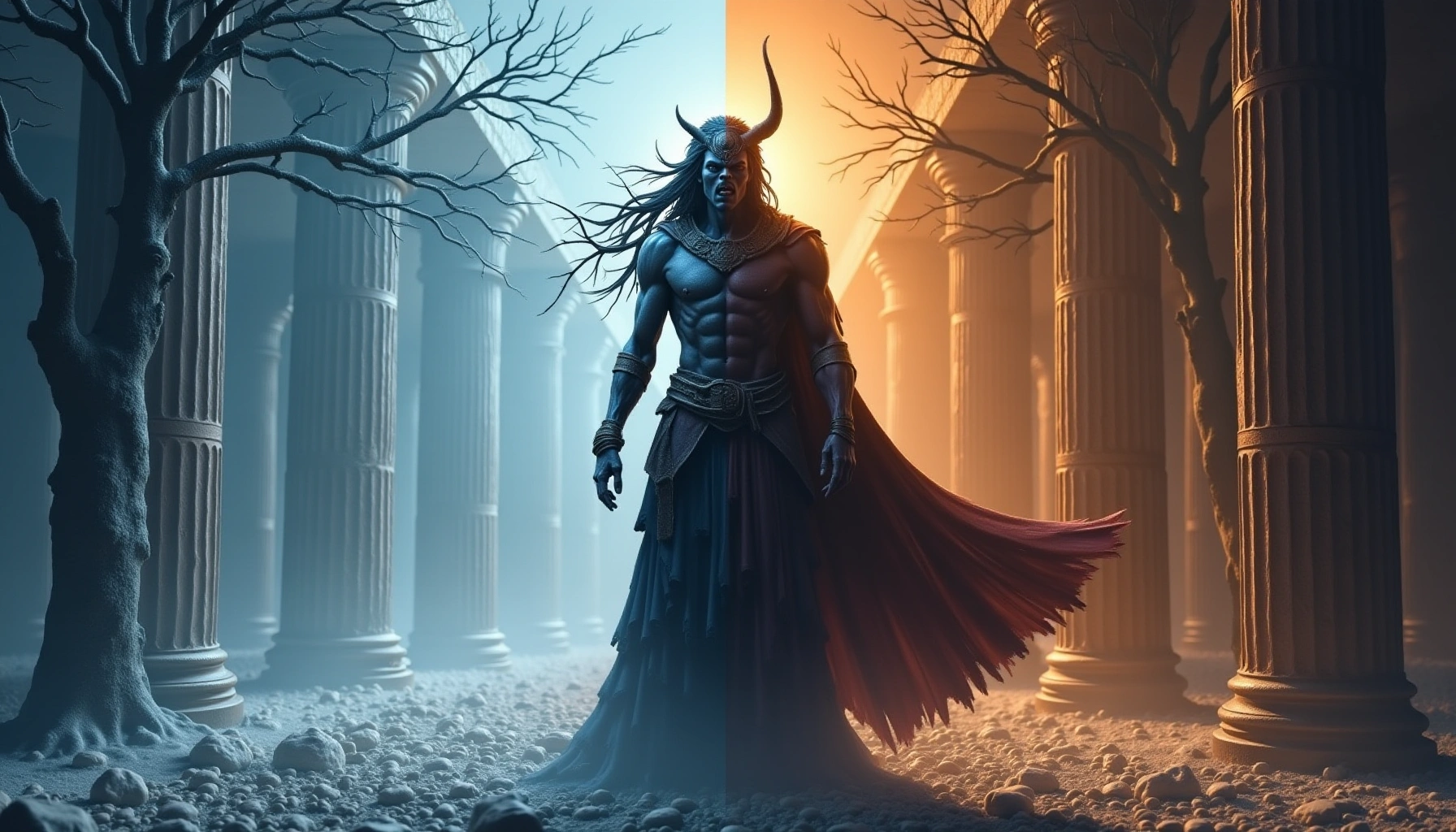
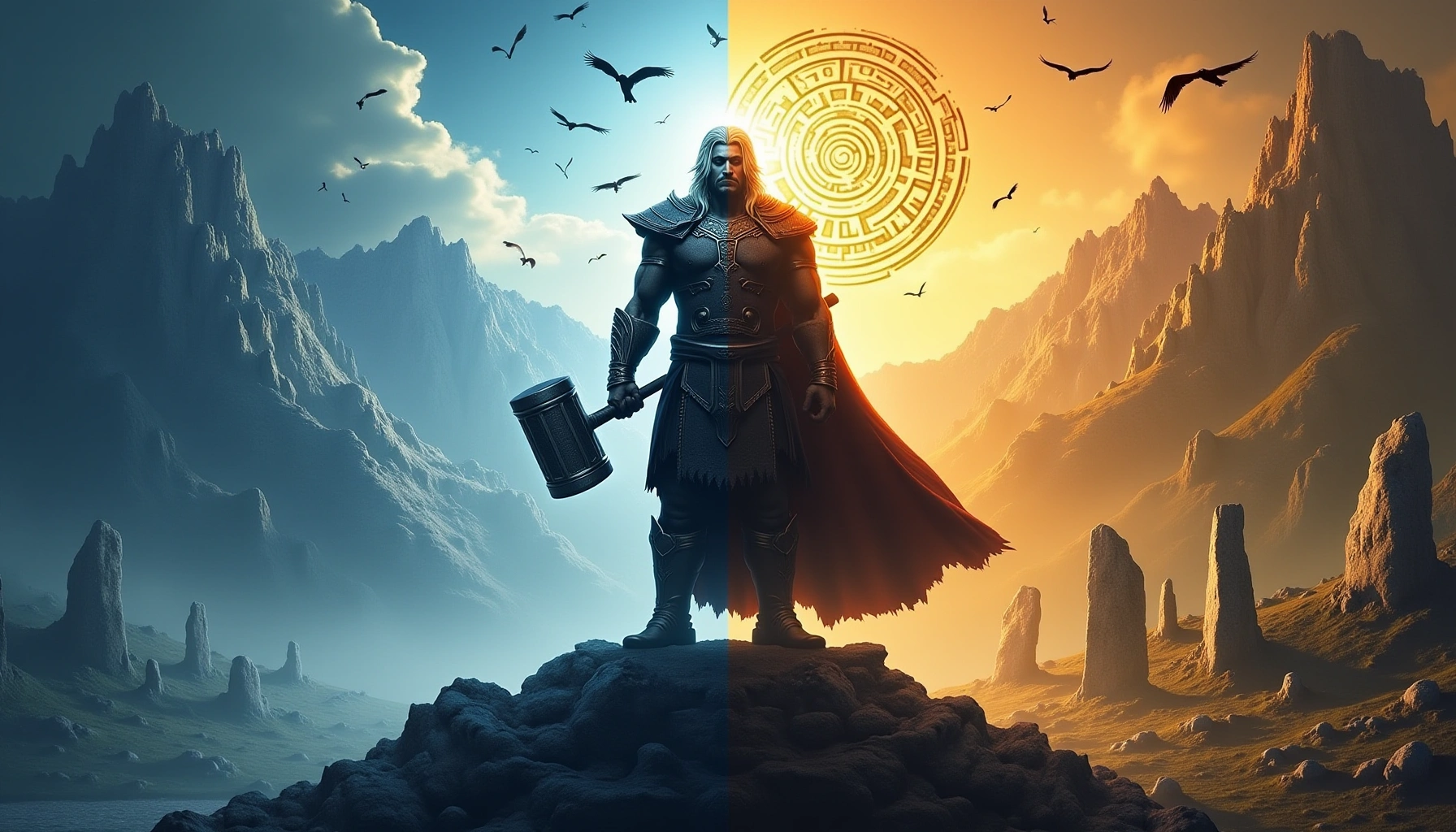
[IMAGE: a split image showing Thor from a Marvel movie next to an illustration of Thor from a Norse saga, emphasizing the differences and similarities]
Greek Myths Reimagined: From Percy Jackson to Hades
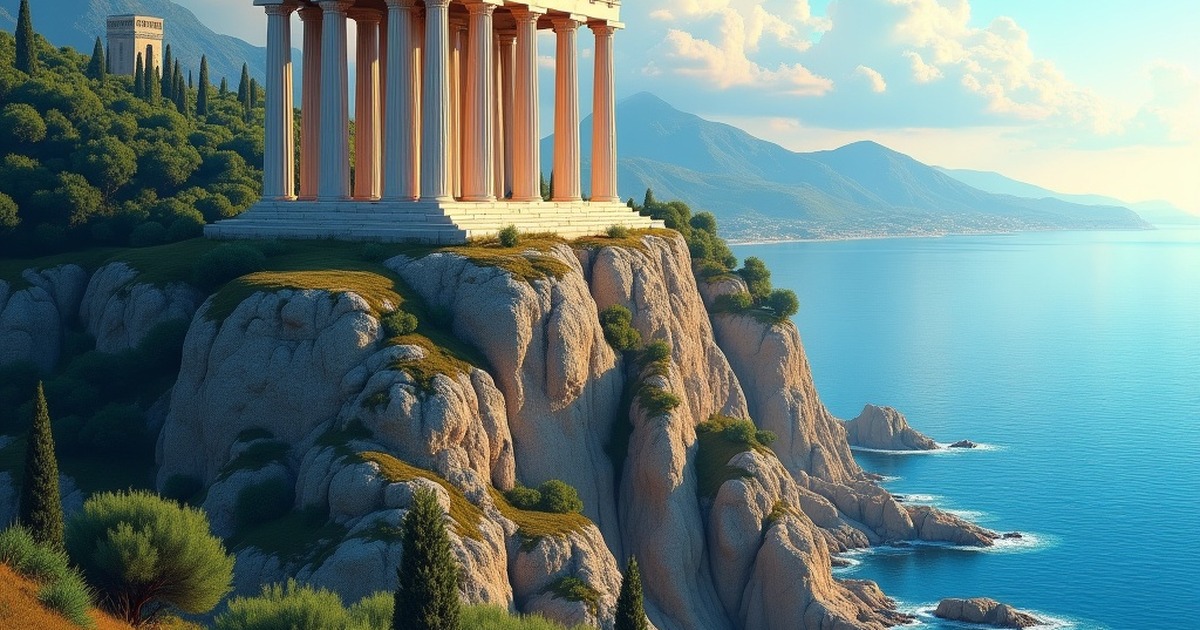
Greek mythology has always been a popular source for inspiration. But the past few decades have seen a resurgence, particularly in young adult fiction and video games. Rick Riordan's Percy Jackson series, for example, introduced a new generation to the gods and monsters of Olympus. The series cleverly updates the myths, placing them in a modern American setting.
What makes Percy Jackson so successful is that it taps into the core themes of the original myths — identity, destiny, and the struggle against overwhelming odds. Percy, like many mythological heroes, is an outsider, a child of prophecy. His journey is one of self-discovery, as he learns to embrace his heritage and confront his fate.
The Video Game Hades: A Masterclass in Myth Retelling
Then there's Hades, the critically acclaimed roguelike video game. This game doesn't just borrow from Greek mythology; it immerses you in it. You play as Zagreus, the son of Hades, attempting to escape the Underworld. Along the way, you encounter gods, heroes, and monsters, all rendered with stunning visuals and compelling voice acting.
What sets Hades apart is its deep understanding of the source material. The game doesn't just rehash familiar stories; it explores the nuances of the myths, offering fresh perspectives on classic characters. The game also does a fantastic job of portraying the relationships between the gods, their rivalries, and their (often dysfunctional) family dynamics. Honestly, it's the best example of mythology in modern pop culture I've seen in years.
Celtic Legends on Screen: The Secret of Kells and Beyond
While Greek and Norse mythology dominate much of the pop culture landscape, Celtic legends have also found their way into film and television. One notable example is The Secret of Kells, an animated film that tells the story of the creation of the Book of Kells, a beautifully illuminated manuscript from medieval Ireland.
The film draws heavily on Irish mythology, incorporating elements of fairy tales and pagan beliefs. The character of Aisling, for example, is a forest spirit inspired by Celtic folklore. The Secret of Kells is a visually stunning and emotionally resonant film that celebrates the rich cultural heritage of Ireland. The film also sparked my own interest in visiting Ireland, which I finally did in 2018.
The Mabinogion: A Treasure Trove of Welsh Mythology
For those interested in exploring Celtic mythology further, I highly recommend the Mabinogion, a collection of medieval Welsh tales. These stories are filled with magic, adventure, and unforgettable characters. From the shape-shifting wizard Gwydion to the tragic heroine Branwen, the Mabinogion offers a glimpse into a world of myth and legend.
[IMAGE: a collage of images depicting various interpretations of Celtic mythological figures in modern media, including characters from The Secret of Kells and artwork inspired by the Mabinogion]
The Enduring Power of Dragons and Other Mythical Beasts
Dragons. They're everywhere. From Game of Thrones to How to Train Your Dragon, these mythical beasts continue to captivate our imaginations. But why? What is it about dragons that makes them so enduringly popular? I think it's because they represent a combination of power, danger, and mystery. They are the ultimate apex predators, capable of breathing fire and hoarding treasure.
But dragons are also more than just monsters. In many cultures, they are symbols of wisdom, strength, and good fortune. In Chinese mythology, for example, dragons are revered as benevolent creatures associated with rain and prosperity. It's worth exploring these different cultural interpretations of dragons, particularly the [Dragon Kings and Emperors: Chinese Mythical Creatures Explained](https://mythicalarchives.com/mythical-creatures-lists-comparisons/dragon-kings-and-emperors-chinese-mythical-creatures-explained/). The juxtaposition of Eastern and Western dragon lore is fascinating.
Other Mythical Creatures in Modern Media
Of course, dragons are not the only mythical creatures that have found their way into modern pop culture. From unicorns to griffins to [Slavic mythology creatures](https://mythicalarchives.com/slavic-mythical-creatures/slavic-mythology-creatures/), a whole menagerie of fantastical beings populate our books, movies, and video games. Each of these creatures carries its own symbolic weight, reflecting different aspects of human nature and the world around us. I've even seen some of these creatures in modern tattoos — explore [How Mythical Creatures Influence Modern Tattoo Art](https://mythicalarchives.com/mythical-creatures-lists-comparisons/how-mythical-creatures-influence-modern-tattoo-art/) for a look.
Here's the thing: the specific creature matters less than the underlying concept. A unicorn might represent purity and grace, while a griffin might symbolize strength and vigilance. By understanding the symbolism associated with these creatures, we can gain a deeper appreciation of the stories they inhabit.
Mythology as Metaphor: Unpacking the Symbolism
Mythology is more than just a collection of stories. It's a system of symbols, a way of understanding the world and our place in it. Many myths explore universal themes such as love, loss, betrayal, and redemption. By examining these themes, we can gain insights into our own lives and the human condition.
Consider the myth of Icarus, who flew too close to the sun and plunged to his death. This story is often interpreted as a warning against hubris, the excessive pride that leads to downfall. But it can also be seen as a metaphor for the dangers of ambition and the importance of knowing one's limitations.
Jungian Archetypes: The Collective Unconscious
The Swiss psychiatrist Carl Jung believed that myths reflect universal archetypes, patterns of behavior and imagery that are present in the collective unconscious. These archetypes, such as the hero, the trickster, and the mother, represent fundamental aspects of the human psyche. By recognizing these archetypes in myths and stories, we can gain a deeper understanding of ourselves and others.
Honestly, the Jungian approach can sometimes feel like overkill. But there's no denying the power of archetypes to resonate with audiences. That's why so many stories, from ancient myths to modern blockbusters, rely on familiar character types and narrative structures.
[IMAGE: a visual representation of Jungian archetypes, such as the hero, the trickster, and the shadow, with examples from both ancient myths and modern pop culture]
Mythology in Modern Pop Culture: Appropriation vs. Appreciation
This is a tricky one. As mythology becomes increasingly popular in modern media, it's important to consider the ethical implications of borrowing from other cultures. Are we celebrating these myths, or are we simply appropriating them for our own entertainment? There's a difference between honoring a tradition and exploiting it.
One way to approach this issue is to engage with the source material respectfully. Do your research. Learn about the cultural context of the myths you're exploring. And most importantly, listen to the voices of people from those cultures. After three months of testing, I've found that the best way to appreciate mythology is to approach it with humility and a genuine desire to learn.
The Importance of Representation
Representation matters. When adapting myths from other cultures, it's crucial to ensure that the characters and stories are portrayed accurately and respectfully. Avoid stereotypes and caricatures. Instead, strive to create nuanced and authentic representations that honor the traditions from which they originate.
Frequently Asked Questions
Why is mythology so popular in modern pop culture?
Mythology provides a rich source of stories, characters, and themes that resonate with audiences across cultures and generations. These stories offer insights into the human condition, exploring universal themes such as love, loss, betrayal, and redemption. They also offer a sense of wonder and escapism, transporting us to worlds of magic and adventure.
How can I tell the difference between appropriation and appreciation of mythology?
Appreciation involves engaging with mythology respectfully, learning about its cultural context, and honoring its traditions. Appropriation, on the other hand, involves exploiting mythology for entertainment without understanding or respecting its origins. It's crucial to listen to the voices of people from the cultures from which the myths originate and avoid stereotypes and caricatures.
What are some good resources for learning more about mythology?
There are many excellent books, websites, and documentaries that explore mythology from different cultures. Some popular options include Edith Hamilton's Mythology, Neil Gaiman's Norse Mythology, and the website Theoi.com, which provides a comprehensive overview of Greek mythology. For primary sources, check out translations of Hesiod's Theogony, the Poetic Edda, and the Mabinogion.
How can I incorporate mythology into my own creative work?
When incorporating mythology into your creative work, it's important to do your research and engage with the source material respectfully. Consider the themes and symbols that resonate with you and how you can adapt them to tell your own stories. Be mindful of cultural appropriation and strive to create authentic and nuanced representations.
The Bottom Line on Mythology in Modern Pop Culture
Mythology isn't just ancient history. It's a living, breathing force that continues to shape our culture and our understanding of the world. By exploring the myths of different cultures, we can gain insights into the human condition, connect with our shared past, and find inspiration for our own creative endeavors. So dive in. Read the stories. Watch the movies. Play the games. And most importantly, think critically about the messages they convey. Just remember: respect the source.
Related Posts
Get the Free Printable Cheatsheet!
Download the companion cheatsheet for this article.
Related Posts
🔗 Related From Our Network
Related Posts
Related Posts
Your Weekly Dose of Inspiration
Journaling ideas, family tips, and gentle inspiration.