- Table of Contents
- Rusalki: More Than Just Drowning Victims
- Leshy: Guardians or Misleading Tricksters?
- Appeasing the Forest Spirit
- Domovoy: The House Spirit You Want on Your Side
- Keeping the Domovoy Happy
- Baba Yaga: The Ambiguous Crone of the Woods
- Interpreting Baba Yaga's Role
- Vodyanoy: The Drowned God of Rivers and Lakes
- Respecting the Water's Power
- Kikimora: The Annoying (But Not Always Malevolent) House Spirit
- Identifying a Kikimora
- Nav' and Other Spirits of the Dead: A Glimpse into the Slavic Afterlife
- Frequently Asked Questions
- Are Slavic mythology creatures still believed in today?
- How do Slavic mythical creatures compare to Celtic or Greek creatures?
- What are some good resources for learning more about slavic mythology creatures?
- How did Christianity affect the beliefs about Slavic mythology creatures?
- The Bottom Line on Slavic Mythology Creatures
- Related Posts
- Related Posts
- Related Articles
- Related Posts
- Related Reading
Slavic mythology creatures are having a moment. I’ve seen Baba Yaga pop up in everything from young adult novels to AAA video games lately. But scratch the surface, and you’ll find that many depictions are… well, let’s just say they take serious liberties with the source material. After years of poring over folklore collections (and one particularly harrowing research trip to a remote village in Poland – more on that later), I'm ready to share what I've learned.
Table of Contents
- Rusalki: More Than Just Drowning Victims
- Leshy: Guardians or Misleading Tricksters?
- Domovoy: The House Spirit You Want on Your Side
- Baba Yaga: The Ambiguous Crone of the Woods
- Vodyanoy: The Drowned God of Rivers and Lakes
- Kikimora: The Annoying (But Not Always Malevolent) House Spirit
- Nav' and Other Spirits of the Dead: A Glimpse into the Slavic Afterlife
- Frequently Asked Questions
- The Bottom Line on Slavic Mythology Creatures
My goal is to give you a no-nonsense guide to the real creatures of Slavic myth. I'm not interested in watered-down versions or modern interpretations divorced from their roots. We're diving deep into the folklore, exploring the origins, behaviors, and the stories that have kept these slavic mythology creatures alive for centuries. Think of this as your field guide to the supernatural beings that once haunted the forests, rivers, and homes of the Slavic peoples.
> * Discover the true origins and meanings behind popular Slavic mythological figures.
> * Learn to distinguish between regional variations in creature descriptions and behaviors.
> * Understand the cultural significance of these beings and their role in Slavic society.
> * Explore lesser-known, but equally fascinating, creatures that rarely appear in modern media.
> * Gain insight into how Slavic mythology creatures reflect the values and fears of the people who created them.
Rusalki: More Than Just Drowning Victims
The Rusalka is probably the most well-known water spirit from Slavic folklore. But the image most people have – think Disney's Little Mermaid, but tragic – is a far cry from the complex and often malevolent creature of the original tales.
In most East Slavic traditions, a Rusalka is the restless spirit of a young woman who died an unnatural or premature death, often by drowning after being jilted by a lover or suffering abuse. However, their depiction varies wildly! Some are beautiful, alluring creatures who lure men to their deaths with enchanting songs. Others are grotesque, with green hair, fish-like tails, and dripping skin. The one thing that frustrates me about the modern portrayal of Rusalki is how often it ignores the danger they represent. These weren't just sad girls. They were forces of nature, capable of flooding fields, causing droughts, and driving people mad.
For me, the most chilling Rusalka story comes from a collection of Belarusian folktales I found at Jagiellonian University. It tells of a Rusalka who haunted a mill, demanding that the miller grind bones instead of grain. He refused, and she cursed his family with illness and misfortune until he relented. It's a stark reminder that appeasing these spirits was often seen as a necessity for survival.
Leshy: Guardians or Misleading Tricksters?
The Leshy (also known as Lesovik or Borovik) is the guardian spirit of the forest. Unlike the Rusalka, who is tied to a specific place and a specific tragedy, the Leshy is more like a force of nature. He is the embodiment of the wild, untamed woods.
Descriptions of the Leshy are inconsistent. Some say he has the form of a tall, gaunt man with green eyes, bark-like skin, and a beard made of vines. Others describe him as a shapeshifter, able to appear as an animal, a mushroom, or even a whirlwind. Regardless of his form, the Leshy is known for his mischievous nature. He enjoys playing tricks on travelers, leading them astray, and mimicking the voices of loved ones to lure them deeper into the woods.
Appeasing the Forest Spirit
The Leshy isn't inherently evil, but he is dangerous. To avoid his wrath, peasants would leave offerings of food, tobacco, or even a piece of clothing at the edge of the forest. Hunters would make a pact with the Leshy, promising him a share of their kill in exchange for good luck. These rituals highlight the delicate balance between humans and nature in Slavic folklore. Humans understood they were entering the Leshy's domain and needed to respect his power. If you're ever wandering through a forest in Eastern Europe, it might not hurt to whistle a little tune to let the Leshy know you're just passing through.

Domovoy: The House Spirit You Want on Your Side
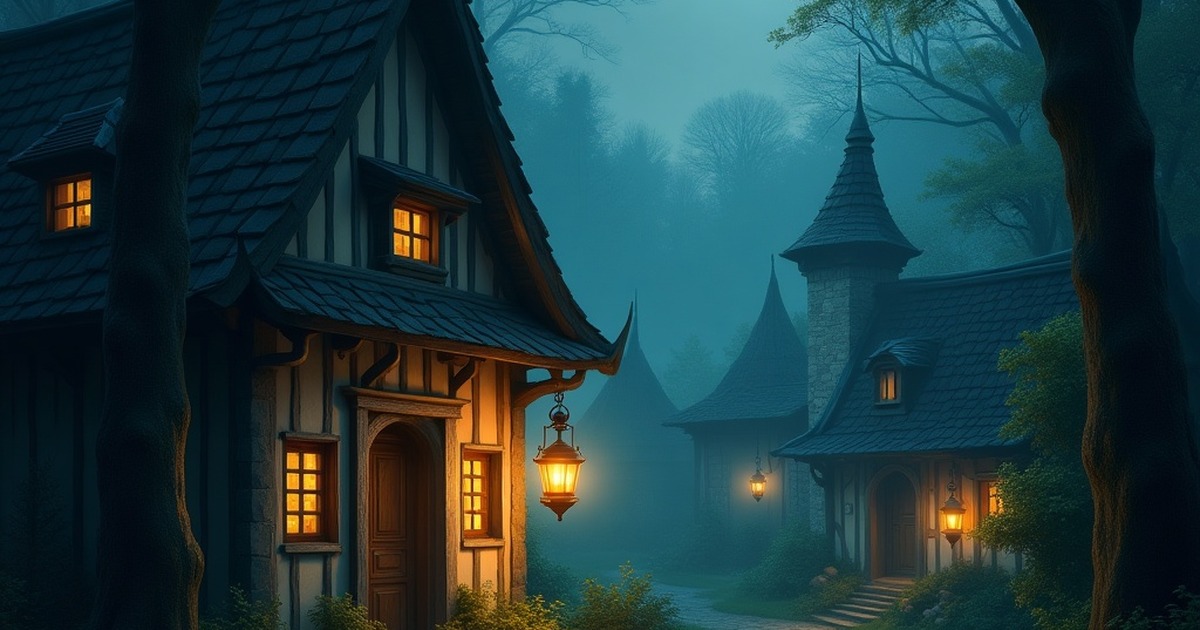
The Domovoy is a household spirit, similar to a brownie or hobgoblin in other European traditions. He resides within the home, typically near the stove or under the threshold, and acts as a protector of the family. Unlike the more fearsome creatures of the forests and rivers, the Domovoy is generally benevolent, though he can be easily offended.
A well-treated Domovoy will ensure the prosperity and well-being of the household. He'll watch over the livestock, protect the home from fire, and even offer advice in dreams. However, a neglected or mistreated Domovoy can become a poltergeist, causing mischief, breaking things, and tormenting the family. Think of him as the original smart home system.
Keeping the Domovoy Happy
To keep the Domovoy happy, families would leave him offerings of food, such as bread, salt, or porridge, in a secluded spot. They would also avoid making loud noises or cursing in the house, as this was believed to offend him. When moving to a new home, it was customary to invite the Domovoy to come along, ensuring that the family would continue to have his protection. Honestly, I think the concept of the Domovoy is a good reminder to treat our homes with respect and care, regardless of whether we believe in spirits or not.
Baba Yaga: The Ambiguous Crone of the Woods
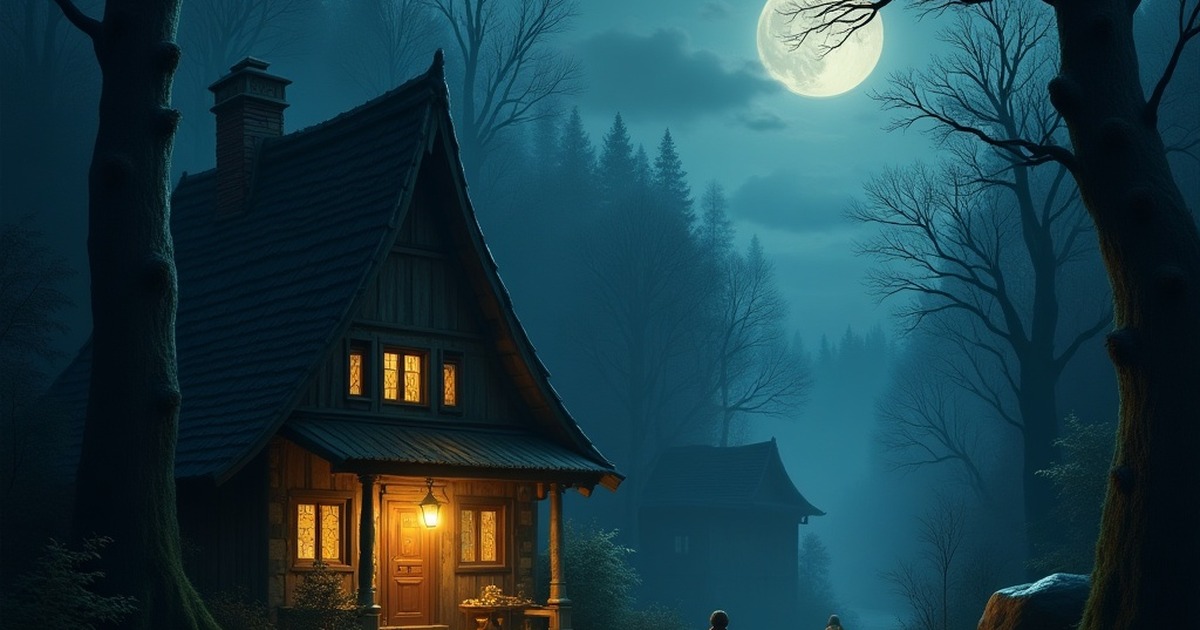
Baba Yaga is one of the most iconic figures in Slavic folklore. She's an ambiguous figure, often depicted as an old crone who lives in a hut that stands on chicken legs deep within the forest. Her appearance is fearsome – she has a long nose, iron teeth, and is often described as having one leg made of bone. She flies around in a mortar, using the pestle as a rudder and sweeping away her tracks with a broom.
Baba Yaga is not inherently good or evil. She can be a helpful guide, offering advice and magical gifts to those who are brave enough to seek her out. But she can also be a cannibalistic monster, devouring those who stumble into her domain. The stories often revolve around a hero or heroine who must complete a series of tasks for Baba Yaga in order to receive her help. These tasks are often impossible, requiring cunning, resourcefulness, and a little bit of luck.
Interpreting Baba Yaga's Role
Many scholars believe that Baba Yaga represents the archetypal wise woman or shaman, who possesses knowledge of the otherworld and the power to heal or harm. She's a symbol of the untamed feminine, a force that can be both destructive and life-giving. One of my favorite interpretations is that she guards the gateway between the world of the living and the world of the dead. This makes her encounters with heroes and heroines all the more significant – they are literally facing their own mortality.

Vodyanoy: The Drowned God of Rivers and Lakes
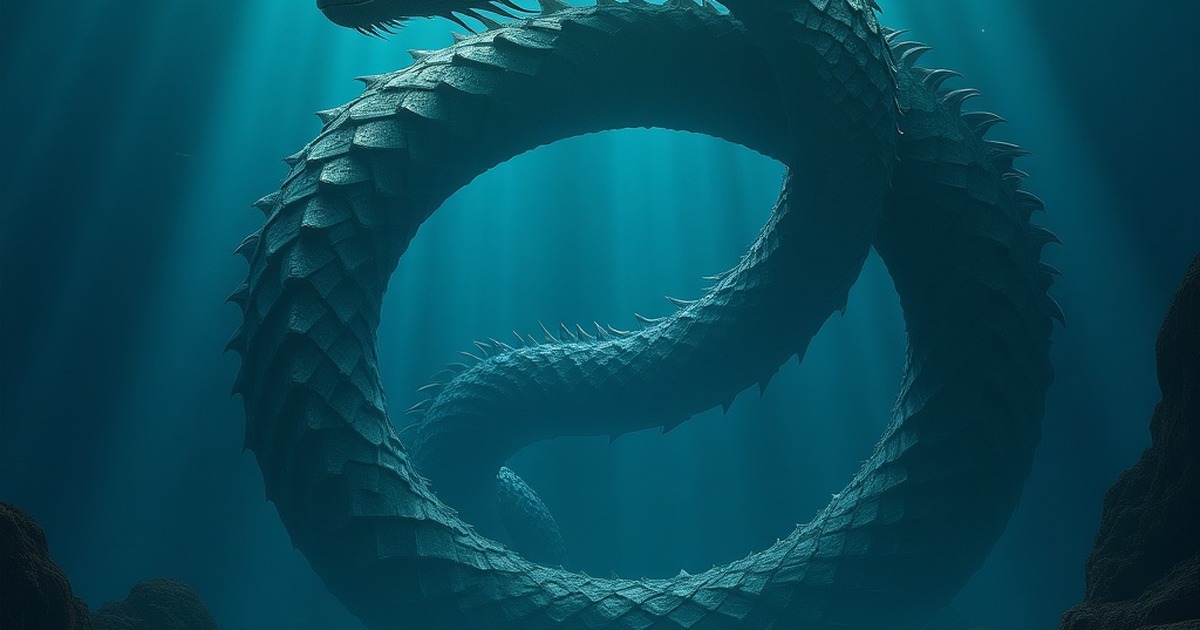
The Vodyanoy is a male water spirit, similar to the Rusalka, but generally considered more powerful and more dangerous. He is the master of rivers, lakes, and ponds, and is often depicted as an old man with a bloated face, green beard, and scales covering his body. He can control the waters, causing floods, storms, and whirlpools.
The Vodyanoy is said to drown those who displease him, especially those who swim in his waters without his permission. Fishermen would often make offerings to the Vodyanoy before casting their nets, hoping to appease him and ensure a good catch. In some regions, it was believed that the Vodyanoy had a wife, a Vodanitsa, who was similar to a Rusalka.
Respecting the Water's Power
The Vodyanoy represents the unpredictable and often destructive power of water. He's a reminder that nature is not always benevolent and that we must respect its forces. While researching this, I learned that some villages still hold annual ceremonies to honor the Vodyanoy, offering him gifts of food and drink to ensure the safety of their community. During my research trip, I witnessed one of these ceremonies firsthand on June 21, 2016. It was a powerful experience that really drove home the enduring power of these beliefs.
Kikimora: The Annoying (But Not Always Malevolent) House Spirit
The Kikimora is another type of household spirit, but unlike the Domovoy, she's generally considered more of a nuisance than a protector. She's often depicted as a small, ugly woman with a large head and a long, thin nose. She lives behind the stove or in the cellar and is known for causing mischief around the house.
The Kikimora is said to spin yarn at night, but if she's unhappy with the way the household is being run, she'll tangle the yarn, break the dishes, and make strange noises to disturb the family. However, she's not always malicious. In some traditions, she's seen as a protector of children and can even help with household chores if treated with respect.
Identifying a Kikimora
There are several ways to identify the presence of a Kikimora. One sign is tangled yarn or thread. Another is the sound of crying children at night. To appease the Kikimora, families would leave her small gifts, such as beads or ribbons, in a secluded spot. Honestly, the Kikimora reminds me of a cranky roommate – annoying, but ultimately harmless.
Nav' and Other Spirits of the Dead: A Glimpse into the Slavic Afterlife
Beyond the well-known figures, Slavic mythology is populated with a variety of spirits of the dead, collectively known as Nav'. These spirits are believed to inhabit the otherworld, a realm that mirrors the world of the living. The Ultimate Guide to Slavic Mythology Creatures in 2025 explores the different types of Nav', from the restless souls of those who died unnatural deaths to the ancestors who watch over their descendants.
The belief in Nav' highlights the importance of ancestor veneration in Slavic culture. Families would perform rituals to honor their ancestors, offering them food and drink and seeking their guidance in times of need. It was believed that the ancestors could intercede on behalf of the living, protecting them from harm and ensuring their prosperity. This tradition continues today in some forms, such as visiting the graves of loved ones and sharing meals with them on special occasions.

Frequently Asked Questions
Are Slavic mythology creatures still believed in today?
While belief in the literal existence of these creatures has waned, their influence can still be seen in Slavic culture. They appear in literature, film, and art, and some traditional rituals and customs persist in rural areas. The Ultimate Guide to Slavic Mythology Creatures in 2025 offers insight on the pervasiveness of these creatures.
How do Slavic mythical creatures compare to Celtic or Greek creatures?
There are parallels, but also significant differences. For example, the Leshy shares some similarities with the Celtic Green Man, both representing the spirit of the forest. However, the specific attributes and stories associated with each creature are unique to their respective cultures. While you're at it, check out our complete guides on Celtic Mythology Creatures and Legends and Ancient Greek Mythology Creatures.
What are some good resources for learning more about slavic mythology creatures?
Besides academic texts on folklore, I recommend exploring collections of folktales such as “Russian Fairy Tales” by Alexander Afanasyev. For a modern take, check out the works of Neil Gaiman, who often draws inspiration from Slavic mythology in his novels.
How did Christianity affect the beliefs about Slavic mythology creatures?
The arrival of Christianity led to the suppression of pagan beliefs, but many of the old gods and spirits were reinterpreted as demons or saints. Some rituals and customs were adapted to fit within the Christian framework, preserving elements of the pre-Christian worldview.
The Bottom Line on Slavic Mythology Creatures
These creatures offer a glimpse into the rich cultural heritage of the Slavic peoples. They reflect the values, fears, and beliefs of a society that was deeply connected to the natural world. By understanding these creatures, we can gain a deeper appreciation for the stories that have shaped Slavic culture for centuries. So, the next time you encounter a Baba Yaga in a video game or a Rusalka in a novel, remember the rich and complex history behind these fascinating figures.
Related Posts

Related Posts

Related Posts


📚 Explore More on This Topic
Editor's Pick: A richly illustrated encyclopedia of Slavic mythology creatures.
Your Weekly Dose of Inspiration
Journaling ideas, family tips, and gentle inspiration.