- Norse Mythology by Neil Gaiman
- What Are the Main Differences Between Norse and Greek Gods?
- Which Mythology Is Older: Norse or Greek?
- Odin vs Zeus: The Ultimate Divine Showdown
- How Accurate Is Marvel's Portrayal of Norse Mythology?
- Ragnarok vs Greek Apocalypse: Different Endings
- Norse and Greek Mythology Similarities
- Which Mythology Influenced Modern Culture More?
- Modern Adaptations Comparison
- Explore More Norse and Greek Mythology Guides
- Frequently Asked Questions
- Can Norse gods die while Greek gods cannot?
- Is Odin the same as Zeus?
- Which mythology is older, Norse or Greek?
- Did Norse and Greek mythologies influence each other?
- Who would win in a fight, Thor or Hercules?
- Final Verdict: Two Paths to Understanding Humanity
- Related Posts
- Related Reading
- Related Posts
- Related Posts
- Related Posts
- Related Posts
Norse vs Greek Mythology: Complete Comparison Guide 2025
Two mythological traditions have captivated humanity for millennia — the thunderous tales of Norse gods battling giants in frozen realms, and the dramatic sagas of Greek deities ruling from Mount Olympus. But which mythology truly reigns supreme?
Norse and Greek mythologies differ fundamentally in their worldview: Norse mythology emphasizes fate, doom, and cyclical destruction through Ragnarok, while Greek mythology focuses on heroic achievement, divine justice, and eternal order. Norse gods are mortal and flawed warriors, whereas Greek gods are immortal beings of beauty and power.
Disclosure: This article contains affiliate links. We may earn a commission at no extra cost to you.
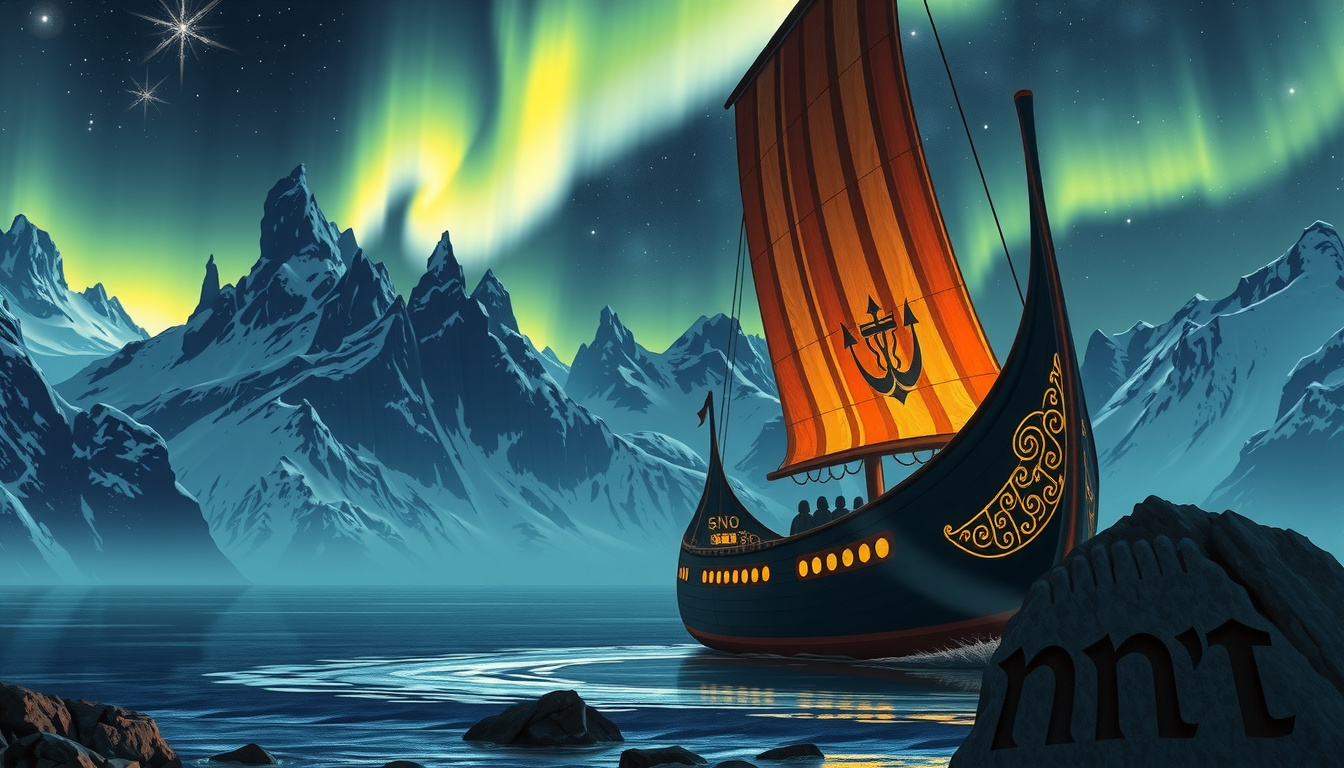
Norse Mythology by Neil Gaiman
Masterful modern retelling that brings Norse gods to life
What Are the Main Differences Between Norse and Greek Gods?
The fundamental differences between Norse and Greek deities run deeper than their names and stories. These mythologies emerged from vastly different cultures and environments, shaping their core philosophies in striking ways.
Mortality vs Immortality: Perhaps the most significant difference lies in the gods' relationship with death. Norse gods live under the constant shadow of Ragnarok — their prophesied doom. Odin sacrifices his eye for wisdom precisely because he knows the end is coming. Greek gods, however, are truly immortal beings who may suffer but never truly die.
Power Structure: Greek mythology operates on clear hierarchies. Zeus rules from Mount Olympus with defined roles for each deity. Norse mythology presents a more chaotic structure where gods, giants, and other beings constantly struggle for dominance across the Nine Realms.
Moral Complexity: Norse gods are morally ambiguous. Odin breaks oaths when convenient, Thor can be brutal and simple-minded, and Loki shifts between ally and enemy. Greek gods, while flawed, generally represent clearer moral archetypes — Athena embodies wisdom, Aphrodite represents love, Apollo symbolizes enlightenment.
The Greek Myths by Robert Graves
Comprehensive collection covering all major Greek mythological stories and their cultural significance
Environmental Influence: The harsh Scandinavian winters shaped Norse mythology's emphasis on survival, endurance, and inevitable endings. Mediterranean Greece's warmer climate fostered myths celebrating beauty, artistry, and human achievement.
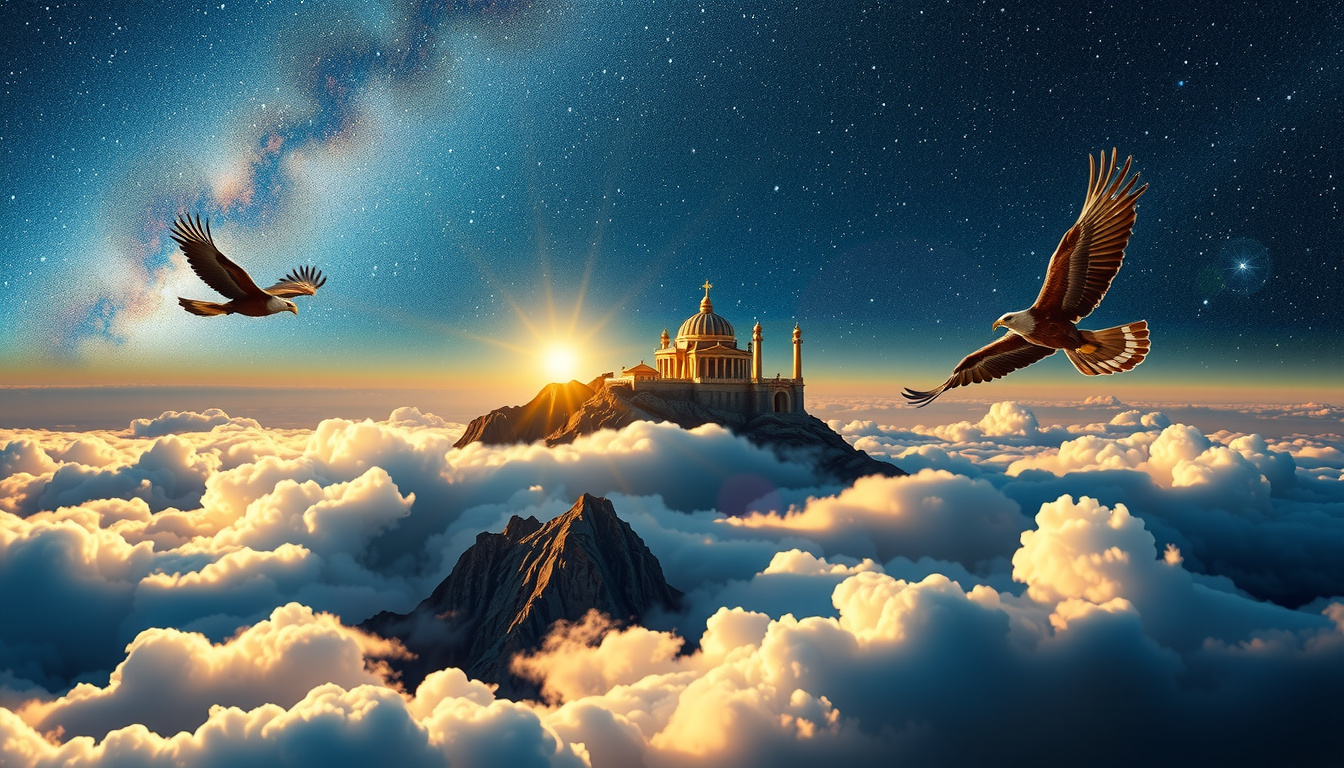
Which Mythology Is Older: Norse or Greek?
Greek mythology predates Norse mythology by several centuries, with roots stretching back to the Bronze Age (circa 3200-1100 BCE). The earliest Greek mythological references appear in Mycenaean texts from around 1450 BCE.
Norse mythology, while containing older Germanic elements, crystallized much later. Most surviving Norse texts date from the 13th century CE, particularly Snorri Sturluson's Prose Edda. However, archaeological evidence suggests Germanic mythological traditions existed from around 1st century CE.
Timeline Breakdown:
- 3200-1100 BCE: Early Greek Bronze Age religious practices
- 800-500 BCE: Homer's epics codify Greek mythology
- 1st century CE: Germanic tribes develop proto-Norse traditions
- 793-1066 CE: Viking Age spreads Norse mythology
- 1220 CE: Snorri Sturluson records Norse myths in writing
This age difference explains why Greek mythology appears more refined and systematized. Centuries of literary development through Homer, Hesiod, and countless other poets created cohesive narratives. Norse mythology, preserved primarily through oral tradition until late medieval times, retains more fragmented, contradictory elements.
| Aspect | Norse Gods | Greek Gods |
|---|---|---|
| Mortality | Mortal — all gods die at Ragnarok (Odin, Thor, Freyr, Heimdall confirmed dead) | Immortal — sustained by nectar and ambrosia, cannot die of natural causes |
| Cosmic fate | Cyclical doom — world ends and is reborn; fate (wyrd) binds even gods | Stable rule — Olympians defeated Titans once and reign permanently |
| Chief god's personality | Odin: wise but paranoid, sacrifices his eye for knowledge, wanders disguised | Zeus: authoritative patriarch, enforces order through thunderbolts, many affairs |
| Warrior culture | Central — Valhalla rewards combat death; einherjar train for Ragnarok daily | Important but not exclusive — heroes can earn Elysium through virtue, not just war |
| Afterlife structure | Split by death type: Valhalla (battle-slain), Folkvangr (Freya's hall), Hel (rest) | Split by judgment: Elysium (virtuous), Asphodel (ordinary), Tartarus (wicked) |
| Creation story | Violent — Odin and brothers kill the primordial giant Ymir, build world from his body | Generative — Gaia emerges from Chaos, births Sky (Uranus), succession wars follow |
| Written sources | Late: Prose Edda (1220 CE), Poetic Edda (13th century), oral tradition earlier | Early: Homer (~800 BCE), Hesiod (~700 BCE), continuous literary tradition for 2000+ years |
| Trickster figure | Loki — blood-brother of Odin who escalates from pranks to triggering the apocalypse | Hermes — thief god who stole Apollo's cattle as a baby, but stays loyal to Olympus |
Odin vs Zeus: The Ultimate Divine Showdown
Odin and Zeus represent fundamentally different approaches to divine kingship. Their contrast illuminates the core differences between their respective mythological systems.
Zeus — The Thunderous King:
- Domain: Sky, thunder, justice, and divine order
- Personality: Authoritative, passionate, sometimes tyrannical
- Power Source: Natural divine authority and thunderbolt
- Goal: Maintaining cosmic order and Olympic supremacy
- Relationships: Numerous affairs, complex family dynamics
Odin — The Wisdom-Seeking Wanderer:
- Domain: War, death, poetry, and wisdom
- Personality: Cunning, sacrificial, knowledge-obsessed
- Power Source: Acquired wisdom, magical knowledge, and sacrifices
- Goal: Gathering power and knowledge for Ragnarok
- Relationships: Fewer romantic entanglements, focused on alliances
Zeus rules through inherited divine right and overwhelming power. Odin earns his position through sacrifice — hanging himself for nine days to learn the runes, trading his eye for wisdom from Mimir's well. This reflects each culture's values: Greek emphasis on natural authority versus Norse respect for earned wisdom through suffering.
How Accurate Is Marvel's Portrayal of Norse Mythology?
Marvel's adaptation of Norse mythology takes considerable creative liberties, transforming ancient gods into sci-fi superheroes. While entertaining, the Marvel Cinematic Universe bears little resemblance to original Norse myths.
Major Marvel Deviations:
- Technology Focus: Asgard appears as an advanced alien civilization rather than a mythological realm
- Character Personalities: Thor becomes a noble hero instead of a sometimes-brutal warrior
- Family Relationships: Loki is Thor's adoptive brother, not Odin's blood brother as in original myths
- Moral Clarity: Marvel simplifies the moral ambiguity inherent in Norse mythology
God of War Ragnarok PlayStation Game
Modern gaming's most authentic take on Norse mythology with mature themes and complex characters
More Accurate Adaptations: Video games like God of War Ragnarok present Norse mythology with greater authenticity, emphasizing the darker themes of fate, sacrifice, and moral complexity that Marvel largely omits.
The Marvel approach isn't necessarily wrong — it's adaptation, not translation. However, those seeking authentic Norse mythology should look beyond the MCU to sources like Neil Gaiman's retellings or academic texts.
Ragnarok vs Greek Apocalypse: Different Endings
The concept of world-ending events differs dramatically between these mythologies, reflecting their distinct worldviews.
Ragnarok — The Twilight of the Gods: Norse mythology's apocalypse is inevitable, detailed, and cyclical. The gods know it's coming but fight anyway. Key events include the death of Baldr, Loki's binding and eventual escape, the Fimbulwinter, and the final battle where most gods die. Crucially, the world regenerates afterward — some gods survive, new ones emerge, and humanity begins anew.
Greek Apocalyptic Concepts: Greek mythology lacks a single, definitive apocalypse. Instead, it presents cyclical ages (Golden, Silver, Bronze, Iron) where humanity degenerates and Zeus occasionally destroys civilizations (like the flood survived only by Deucalion and Pyrrha). The gods themselves remain eternal and unchanged.
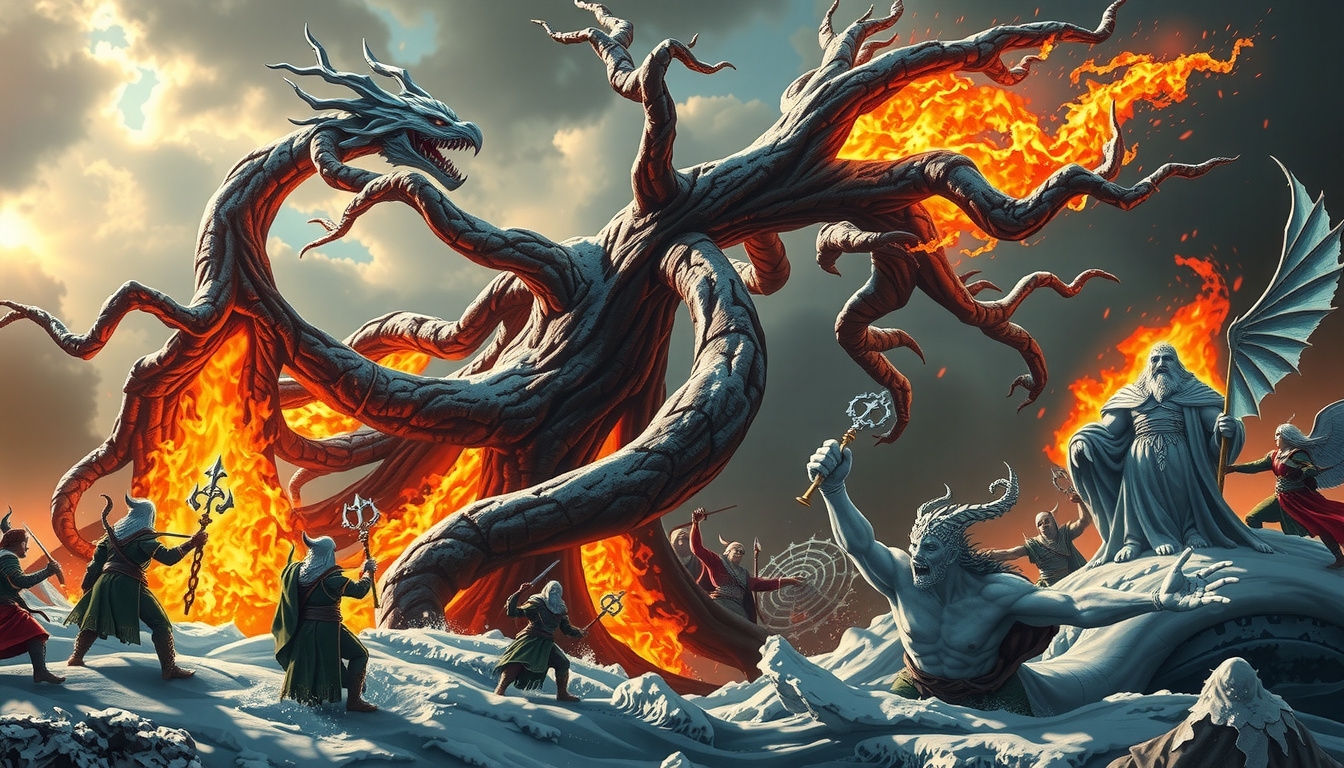
This difference reveals fundamental cultural attitudes. Norse culture, shaped by harsh survival conditions, accepted that all things — even gods — must end. Greek culture, emphasizing human achievement and divine perfection, preferred eternal, unchanging ideals.
Norse and Greek Mythology Similarities
Despite their differences, these mythological systems share surprising commonalities rooted in Indo-European origins.
Shared Themes:
- Divine Hierarchies: Both feature organized pantheons with clear leader figures
- Human-like Gods: Deities display human emotions, flaws, and relationships
- Creation Myths: Both describe world creation from primordial chaos
- Hero Traditions: Mortal heroes achieving great deeds through divine assistance
- Moral Lessons: Stories teaching cultural values and acceptable behavior
Parallel Deities: Some gods serve similar functions across cultures — Thor and Zeus both wield storm powers, Odin and Hermes both guide souls to the afterlife, Frigg and Hera both serve as queen goddesses.
Narrative Structures: Both mythologies use similar storytelling techniques — divine conflicts, quests for knowledge or objects, punishment of hubris, and the importance of honor and loyalty.
Which Mythology Influenced Modern Culture More?
Greek mythology maintains broader cultural influence, but Norse mythology has gained significant ground in recent decades.
Greek Mythology's Dominance:
- Education: Standard curriculum in Western schools
- Language: Numerous English words derive from Greek myths
- Literature: Continuous literary tradition from ancient times
- Psychology: Freudian concepts like “Oedipus complex”
- Arts: Renaissance and neoclassical artistic traditions
Norse Mythology's Renaissance:
- Pop Culture: Marvel, Vikings TV series, fantasy literature
- Gaming: Video games from God of War to Assassin's Creed Valhalla
- Modern Paganism: Growing Norse Heathen communities
- Metal Music: Significant influence on heavy metal themes and imagery
The 2010s marked a turning point. Shows like Vikings, Marvel's Thor films, and video games sparked renewed interest in Norse mythology among younger generations. However, Greek mythology retains stronger institutional support through educational systems and classical studies programs.
✅ Pros of Norse Mythology
- More psychologically complex characters
- Realistic themes of struggle and mortality
- Growing modern cultural relevance
- Emphasis on wisdom and personal growth
❌ Cons of Norse Mythology
- Fewer surviving complete sources
- Can be darker and more pessimistic
- Less systematic organization of stories
- Limited educational coverage in schools
Modern Adaptations Comparison
Both mythologies continue evolving through modern adaptations, each finding unique niches in contemporary culture.
Norse in Modern Media: Netflix's Vikings, Marvel's Thor franchise, and video games like Assassin's Creed Valhalla emphasize Norse mythology's warrior culture and moral complexity. These adaptations often explore themes of fate, honor, and the struggle against inevitable doom.
Greek in Modern Media: Rick Riordan's Percy Jackson series, Disney's Hercules, and films like Wonder Woman (with Amazonian connections) tend to emphasize Greek mythology's heroic ideals and coming-of-age themes. These works often modernize ancient moral lessons for contemporary audiences.
Gaming Influence: Norse mythology dominates mature gaming — God of War's emotional depth, Hellblade's psychological exploration, and Assassin's Creed Valhalla's historical immersion. Greek mythology appears more in family-friendly or educational contexts, though games like Hades have successfully brought Greek myths to mature audiences.
Explore More Norse and Greek Mythology Guides
This complete comparison is part of our mythology deep-dive series. Continue your exploration:
- ⭐ Norse vs Greek Mythology: The Ultimate Comparison Guide — The complete hub linking every comparison in our series
- Death Gods: Hel vs Hades vs Anubis — Who rules the dead, and how do their domains compare?
- Norse Gods Family Tree — The complete genealogy from Ymir to Thor's children
- Ragnarok Explained: The End of Everything — The complete timeline of Norse mythology's apocalypse
- Hindu vs Greek Creation Myths — How Vedic and Olympian origins diverge on 10 key aspects
- The Weighing of the Heart — Egyptian afterlife judgment versus Norse and Greek systems
- 15 Key Differences Between Norse and Greek Mythology — The structured side-by-side breakdown
Frequently Asked Questions
Can Norse gods die while Greek gods cannot?
Yes, this is the most fundamental difference between the two pantheons. Norse gods are explicitly mortal — the Voluspa prophecy describes in detail how Odin is swallowed by the wolf Fenrir, Thor dies fighting the Midgard Serpent, and Freyr falls to the fire giant Surtr at Ragnarok. They know their fates and fight anyway (a concept central to Norse heroic ethos). Greek gods, by contrast, are immortal by nature — sustained by nectar and ambrosia, they cannot die of age, disease, or wounds. They can be injured and imprisoned (Ares trapped in a bronze jar, Titans locked in Tartarus), but not killed.
Is Odin the same as Zeus?
No, despite both being “king of the gods.” They share a Proto-Indo-European ancestor (the sky-father deity *Dyeus Phter, which also produced Roman Jupiter and Hindu Dyaus Pita), but they evolved very differently. Zeus is a sky god who rules through raw power and thunderbolts, focuses on justice and order, and has countless love affairs. Odin is a wisdom god who rules through knowledge and cunning — he sacrificed his eye for understanding, hung himself on Yggdrasil for nine days to learn runes, and wanders in disguise gathering information. Zeus is the patriarch; Odin is the wandering sage who knows he will lose.
Which mythology is older, Norse or Greek?
Greek mythology has far older written sources. Homer's Iliad and Odyssey date to approximately 800-750 BCE, and Hesiod's Theogony (the definitive creation myth) to around 700 BCE. Norse mythology was not written down until the 13th century CE — the Prose Edda by Snorri Sturluson (c. 1220 CE) and the Poetic Edda (compiled c. 1270 CE from older poems). However, both traditions drew on much older oral cultures: Norse myths contain motifs traceable to the Germanic Migration Period (300-700 CE) and possibly earlier Bronze Age Scandinavian religion. The myths themselves may be comparably old; the written records are not.
Did Norse and Greek mythologies influence each other?
Not directly. The parallels between them (sky-father god, underworld realm, trickster figure, apocalyptic battle) come from their shared Proto-Indo-European heritage — a common ancestral culture that spread across Europe and India between 4500-2500 BCE. Norse and Greek civilizations had minimal contact during the periods when their mythologies were actively developing. The Vikings did encounter Byzantine Greek culture (the Varangian Guard served in Constantinople from the 10th century), but by then both mythological systems were fully formed. Their similarities are inheritance from a common ancestor, not borrowing.
Who would win in a fight, Thor or Hercules?
This popular question misunderstands both figures. In their original mythological contexts, they serve different narrative functions. Thor is a cosmic defender — his strength exists to protect gods and humans from giants and the Midgard Serpent. He wields Mjolnir, wears the belt Megingjord (which doubles his already godlike strength), and his thunder controls weather. Heracles/Hercules is a mortal hero who achieves divinity through labor — his Twelve Labors test endurance and cunning as much as raw power. Thor fights world-ending monsters; Heracles proves human potential can equal divine. Comparing them as fighters strips away what makes each mythologically significant.
Final Verdict: Two Paths to Understanding Humanity
Norse and Greek mythologies offer complementary rather than competing visions of the divine and human experience. Greek mythology provides aspirational ideals — heroes achieving immortal glory, gods embodying perfect (if flawed) archetypes, and civilizations reaching toward enlightenment. Norse mythology offers realistic wisdom — accepting limitation, finding meaning through struggle, and maintaining honor even in inevitable defeat.
Modern readers benefit from engaging with both traditions. Neil Gaiman's Norse Mythology provides an accessible entry point to Viking-era beliefs, while Robert Graves' Greek Myths offers comprehensive coverage of Mediterranean traditions.
Rather than choosing sides in this mythological debate, we can appreciate how each tradition addresses different human needs. Greek mythology inspires us to achieve greatness, while Norse mythology teaches us to endure hardship with dignity. Both remain vital because they speak to enduring aspects of human experience that transcend cultural boundaries.
In 2025, as we face our own uncertain futures, both mythologies offer relevant wisdom — the Greek reminder that human achievement can approach the divine, and the Norse acceptance that all things, even gods, must pass. Together, they provide a complete picture of humanity's relationship with fate, mortality, and meaning.
Related Posts
Related Posts
Related Posts
Related Posts
Related Posts
Recommended for you:
For readers looking to dive deeper into these epic tales, a comprehensive collection of Norse or Greek mythology books makes an excellent starting point. If you’re seeking a more interactive experience, consider a mythology-themed card game to test your knowledge of gods and heroes. You can find top-rated options for both by searching directly on Amazon.
Your Weekly Dose of Inspiration
Journaling ideas, family tips, and gentle inspiration.