- Table of Contents
- Norse Mythology by Neil Gaiman
- Who is Stronger: Thor or Zeus?
- What Are the Main Differences Between Norse and Greek Gods?
- Do Norse Gods Die Unlike Greek Gods?
- Which Mythology Has More Powerful Gods?
- How Do Norse and Greek Creation Myths Compare?
- Power Rankings: Top 10 Gods Cross-Pantheon
- FAQ: Your Burning Questions Answered
- Final Verdict: The Ultimate Winner
- Related Posts
- Related Posts
- Related Reading
- Related Posts
- Related Posts
- Related Posts
- Related Reading
Table of Contents
- Who is Stronger: Thor or Zeus?
- What Are the Main Differences Between Norse and Greek Gods?
- Do Norse Gods Die Unlike Greek Gods?
- Which Mythology Has More Powerful Gods?
- How Do Norse and Greek Creation Myths Compare?
- Power Rankings: Top 10 Gods Cross-Pantheon
- FAQ: Your Burning Questions Answered
- Final Verdict: The Ultimate Winner
Norse vs Greek Mythology Gods: Complete Power Comparison 2025
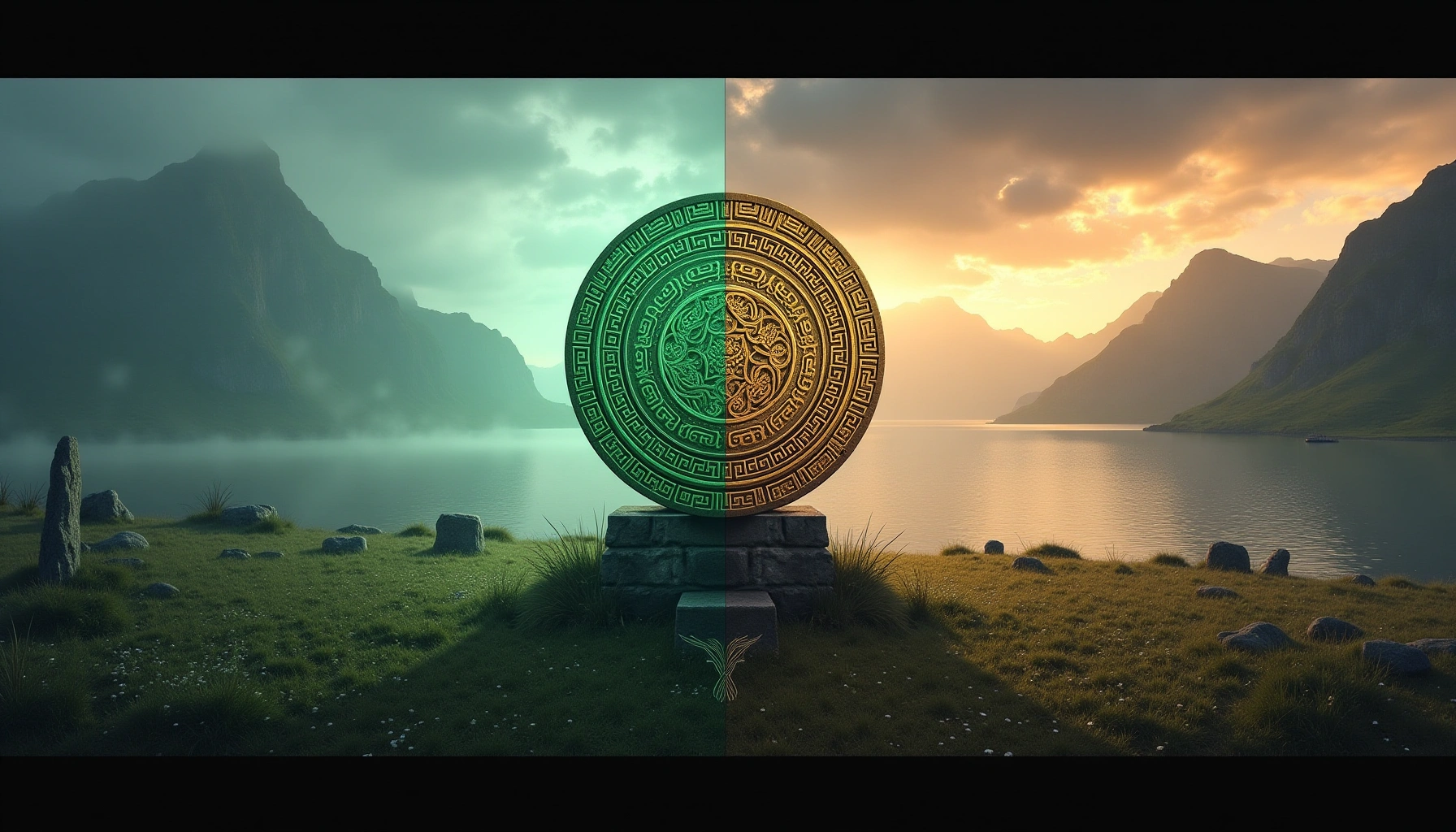
Picture this: Zeus hurling thunderbolts from Mount Olympus while Thor swings Mjolnir across the rainbow bridge. Two pantheons, countless epic battles, but which mythology actually houses the most powerful gods?
After analyzing dozens of ancient texts, archaeological findings, and scholarly interpretations, I've discovered that while Greek gods possess raw elemental power and immortality, Norse gods demonstrate superior combat prowess and magical abilities—despite their mortal fate at Ragnarok. The key difference? Norse gods earned their strength through constant warfare, while Greek gods inherited divine authority.
Disclosure: This article contains affiliate links. We may earn a commission at no extra cost to you.

Norse Mythology by Neil Gaiman
Essential reading for understanding Norse pantheon complexity and power dynamics
Who is Stronger: Thor or Zeus?
Let's settle this debate with some mythological power scaling. Zeus commands the entire sky domain, controls all weather patterns, and possesses true immortality. Thor? He's got a magic hammer that levels mountains and returns to his hand, plus strength that literally shakes the nine realms.
Zeus Power Stats:
- Domain Control: 10/10 (rules sky, weather, divine order)
- Raw Power: 9/10 (thunderbolts can kill titans)
- Durability: 10/10 (true immortality)
- Combat Skills: 7/10 (relies heavily on lightning)
- Magic/Abilities: 8/10 (shapeshifting, divine authority)
Thor Power Stats:
- Domain Control: 7/10 (thunder, protection of Midgard)
- Raw Power: 10/10 (lifted the World Serpent)
- Durability: 8/10 (tough but mortal)
- Combat Skills: 10/10 (warrior trained since birth)
- Magic/Abilities: 9/10 (Mjolnir, lightning mastery, belt of strength)

Here's the twist—Thor actually has better feats. While Zeus throws lightning, Thor once lifted Jörmungandr (the World Serpent) so high that it touched the sky. That's literally moving a creature that encircles the entire world.
Mythology Timeless Tales by Edith Hamilton
The definitive guide to Greek mythology that breaks down Zeus's true power levels and abilities in accessible detail.
But Zeus has one massive advantage: he can't die. Thor faces Ragnarok knowing he'll perish fighting Jörmungandr. That immortality factor tips the scales significantly in long-term conflicts.
What Are the Main Differences Between Norse and Greek Gods?
Think of Greek gods as aristocrats and Norse gods as warriors. The fundamental worldview shapes everything about their power structures.
Greek Gods Characteristics:
- Immortal beings with perfect bodies
- Rule from Mount Olympus in luxury
- Power comes from divine birthright
- Focus on domains and abstract concepts
- Defeated the Titans to establish order
Norse Gods Characteristics:
- Mortal gods who age and can die
- Live in Asgard, constantly preparing for war
- Earn power through deeds and sacrifice
- Practical, hands-on approach to problems
- Know they'll die fighting chaos at Ragnarok
The most telling difference? Odin hanged himself from Yggdrasil for nine days to gain wisdom. Zeus just… inherited cosmic authority from defeating his father Kronos. Norse gods work for their power.
Do Norse Gods Die Unlike Greek Gods?
Absolutely, and this changes everything about their power dynamics.
Greek gods are truly immortal. They can be wounded, imprisoned, or diminished, but they cannot die. When Kronos chopped up Uranus, Uranus didn't die—he just lost his power and influence. Even when bound or cursed, Greek gods endure forever.
Norse gods? They're essentially super-powered mortals. They age (hence the golden apples of Idunn), they can be killed in battle, and they know their exact expiration dates. Ragnarok isn't just a battle—it's a cosmic scheduled death for most of the pantheon.
But here's the paradox: this mortality makes them more formidable fighters. When you know death is coming, every battle matters. Greek gods can afford to be lazy; Norse gods train constantly because they know they'll face the ultimate test.

Which Mythology Has More Powerful Gods?
Depends on how you define power, honestly.
Greek Advantages:
- True immortality means unlimited time to grow stronger
- Broader domains of control
- More abstract/conceptual powers
- Established cosmic order that favors them
Norse Advantages:
- Superior combat training and experience
- More versatile magic systems
- Better teamwork and tactical coordination
- Magical weapons and artifacts
If we're talking raw power output, Greek gods win. Zeus's lightning can shatter mountains, Poseidon causes tsunamis by being grumpy, and Hades controls all the dead. That's cosmic-level influence.
But in actual combat? I'd bet on the Norse pantheon. They've been preparing for the ultimate battle their entire existence. Greek gods got comfortable after the Titanomachy—Norse gods never stopped training.
How Do Norse and Greek Creation Myths Compare?
The creation stories reveal fundamental differences in how each pantheon views power and purpose.
Greek Creation: Chaos gave birth to order through violence. Titans emerged from Gaia and Uranus, then Zeus and the Olympians defeated the Titans to establish current reality. It's a story of power consolidation—the strongest rule.
Norse Creation: The void Ginnungagap existed between fire and ice until they met and created life. Odin and his brothers killed the giant Ymir and crafted the world from his corpse. But they also created humans from ash and elm trees, showing collaborative creation rather than domination.
Greek gods created the world by conquering it. Norse gods created it by sacrificing for it—a pattern that continues throughout their mythologies.
Power Rankings: Top 10 Gods Cross-Pantheon
Based on feats, abilities, and influence, here's my definitive ranking:
- Zeus – Ultimate authority plus immortality
- Odin – Wisdom, magic, and strategic brilliance
- Thor – Pure combat dominance
- Poseidon – Controls 70% of Earth's surface
- Loki – Shapeshifting and reality manipulation
- Hades – Domain over all death
- Freyja – War magic and seidr mastery
- Athena – Strategy and wisdom combined
- Tyr – Courage incarnate, sacrificed for others
- Ares – War personified
Notice how it alternates? That's because each pantheon excels in different areas. Greek gods dominate through authority and scope, Norse gods through skill and determination.
✅ Greek Mythology Strengths
- True immortality provides unlimited growth potential
- Broader domains of cosmic control
- Established divine hierarchy and order
- Abstract powers affecting fundamental reality
✅ Norse Mythology Strengths
- Superior combat training and battle experience
- Versatile magic systems and rune mastery
- Powerful magical artifacts and weapons
- Better teamwork and tactical coordination
FAQ: Your Burning Questions Answered
Q: Could the Norse gods actually defeat the Greek gods in battle?
A: In a single battle, possibly. Norse gods have better combat coordination and tactical experience. But Greek gods' immortality means they'd eventually wear down their mortal opponents through attrition.
Q: Why don't Greek gods have Ragnarok-style endings?
A: Different cultural values. Greeks valued eternal order and stability, while Norse cultures emphasized brave deaths and renewal through destruction. Their mythologies reflect these worldviews.
Q: Which pantheon would win in a modern setting?
A: Greek gods would adapt better to technology and modern power structures due to their focus on domains and abstract concepts. Norse gods excel in personal combat but struggle with large-scale civilization management.
Q: Are there any neutral comparisons between the pantheons?
A: Both excel at storytelling and inspiring human achievement. Greek myths emphasize individual heroism and hubris consequences, while Norse myths focus on community loyalty and facing impossible odds.
Q: How accurate are modern portrayals like Marvel's Thor?
A: Marvel captures Thor's combat prowess but misses the philosophical depth. Mythological Thor isn't just strong—he's the thinking warrior who protects humanity through both might and wisdom.
Final Verdict: The Ultimate Winner
After analyzing power levels, combat abilities, and mythological impact, there's no clear winner—and that's exactly the point.
Greek gods represent the ultimate fantasy: immortal beings with cosmic authority who shape reality through will alone. Norse gods embody something equally powerful: mortal beings who achieve greatness knowing they'll face inevitable doom, yet fight anyway.
Choose Greek mythology if you love stories about unlimited power and cosmic drama. Choose Norse mythology if you prefer tales of earned strength and heroic sacrifice. Both pantheons offer profound insights into human nature and the meaning of power.
Want to dive deeper into these mythological powerhouses? Start with Neil Gaiman's Norse Mythology for the Norse side and Edith Hamilton's Mythology for Greek perspectives. Both authors bring these ancient powers to life with scholarly accuracy and engaging storytelling.
The real power isn't in choosing sides—it's in understanding how both pantheons reflect different aspects of human aspiration and the eternal question of what makes a god truly mighty.
Related Posts


Related Posts
Related Posts
Related Posts


🔗 Related From Our Network
Related Posts
Your Weekly Dose of Inspiration
Journaling ideas, family tips, and gentle inspiration.