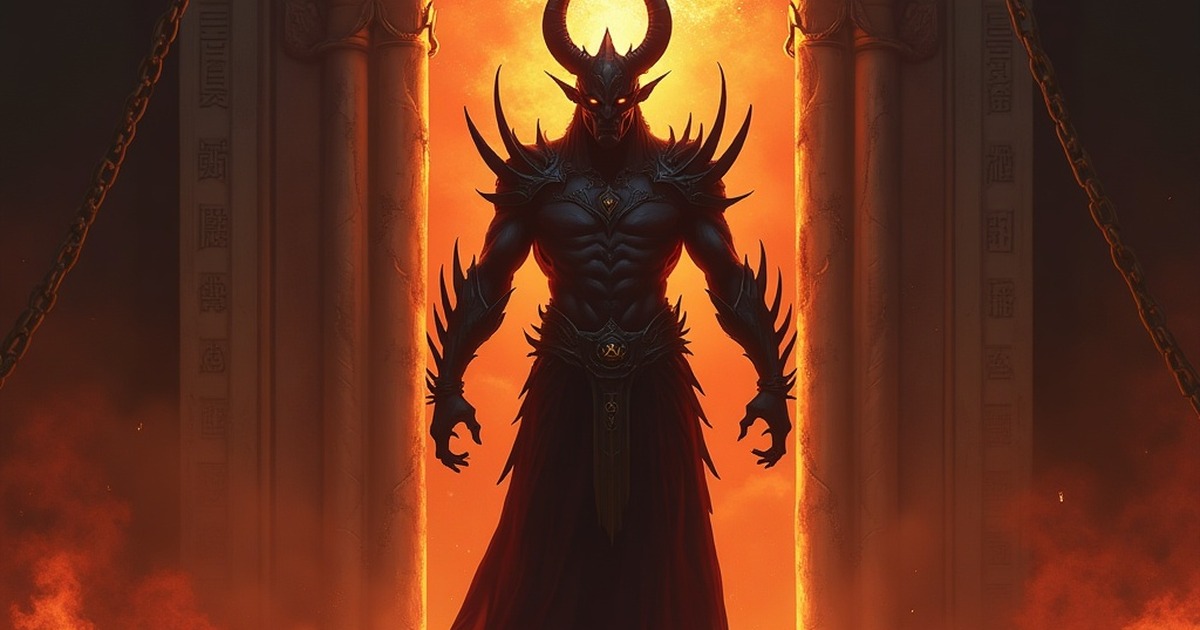
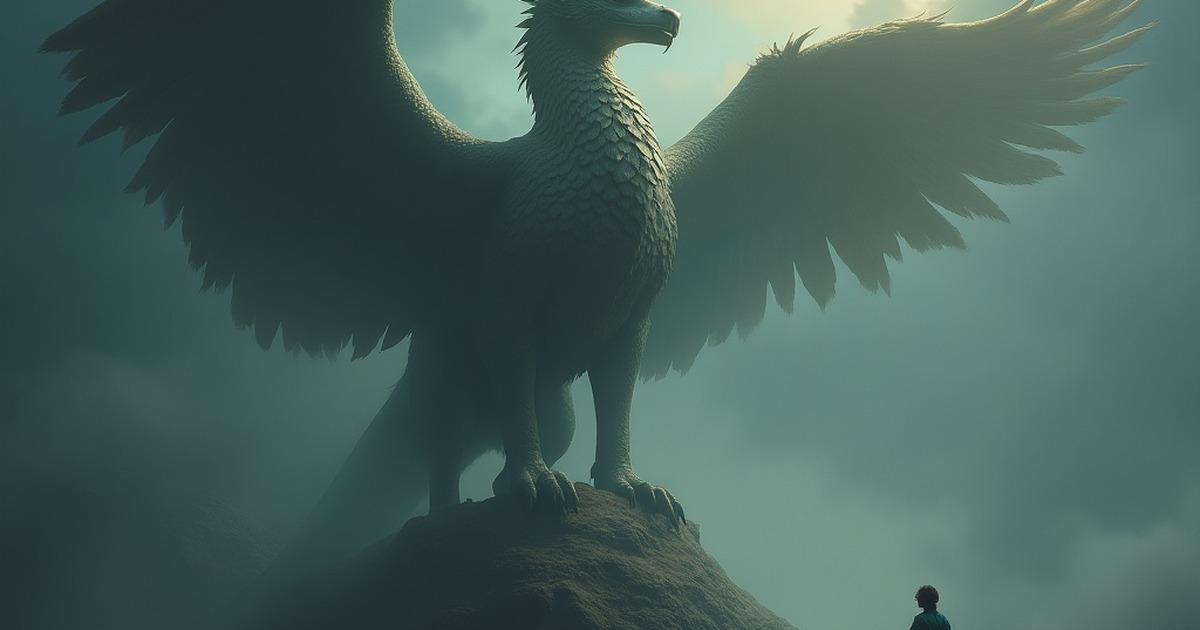
From the nightmares of ancient Korea emerges the Bulgasari (불가사리), a terrifying creature born from human resentment that feeds on iron and metal. Neither fully alive nor truly dead, the Bulgasari represents the dangerous power of unchecked vengeance and the unintended consequences of supernatural intervention.
The Legend of Bulgasari
According to Korean folklore, the Bulgasari was created during a time of great tyranny. A Buddhist monk, wrongfully imprisoned and left to starve, used his final moments to mold a small figurine from grains of rice. Into this creation, he poured all his hatred and resentment. When his spirit departed, the figurine came to life—hungry, immortal, and growing larger with every piece of metal it consumed.
Appearance
The Bulgasari defies easy description, combining features of multiple animals into one monstrous form. It possesses the body of a bear, the nose of an elephant, the eyes of a rhinoceros, the tail of a cow, and legs covered in tiger-like stripes. Its hide is impervious to weapons, and its mouth can crush and consume any metal.
Powers and Weaknesses
The Bulgasari's abilities make it nearly unstoppable:
- Metal Consumption: It feeds exclusively on iron, steel, and other metals, growing stronger and larger with each meal
- Invulnerability: Conventional weapons cannot harm it—they only feed its hunger
- Immortality: The creature cannot be killed by normal means
Its only known weakness is fire, which can weaken or destroy it, cleansing the resentment that gives it life.
Cultural Interpretations
The Bulgasari legend has been interpreted as a cautionary tale about the dangers of unchecked anger and the cycle of vengeance. In some versions, the creature initially helps peasants by eating the weapons of oppressors, but eventually becomes an uncontrollable menace, devouring all metal including farming tools.
Related Creatures
The Bulgasari shares thematic elements with the Chinese Taotie, a creature of insatiable hunger. Its creation from resentment parallels the origin of Japanese onryō vengeful spirits.