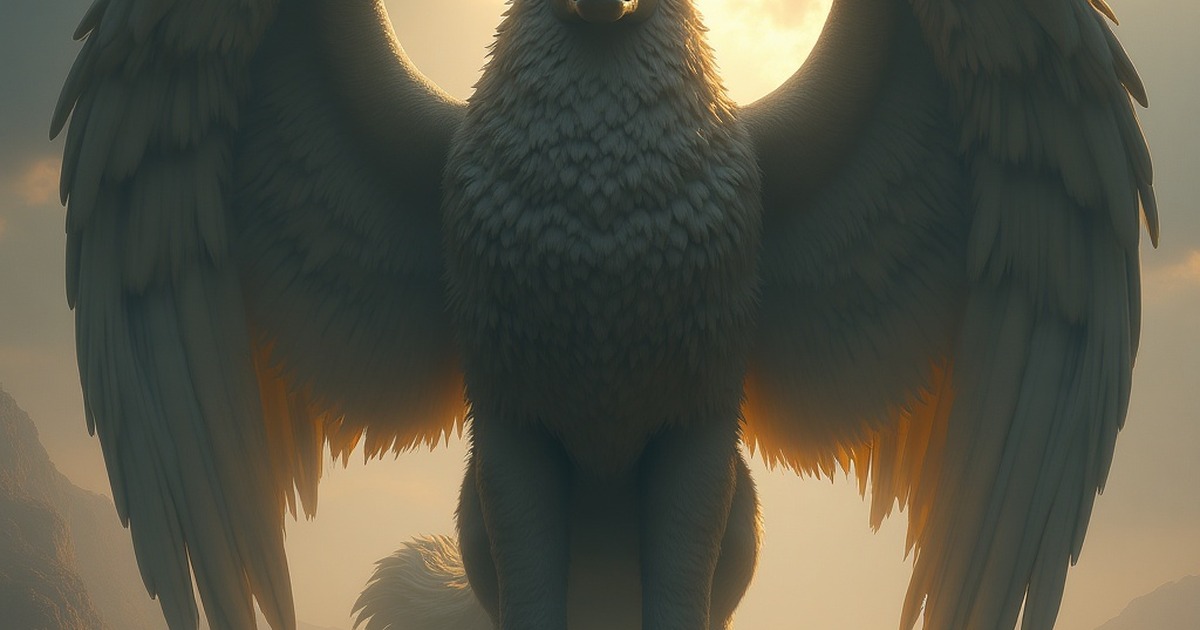
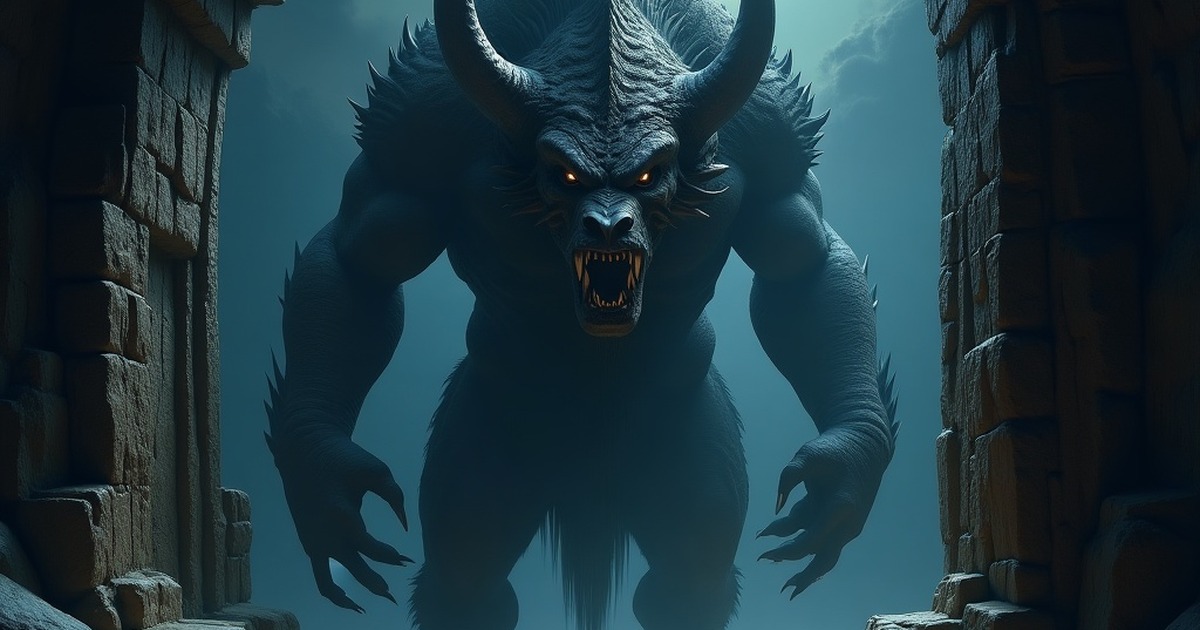
In the ancient courts of Korea, stone guardians with fierce visages and scaled bodies stood watch at palace gates and temple entrances. These were the Haetae (해태, also spelled Haechi), legendary creatures believed to possess the extraordinary ability to devour fire and judge the guilty from the innocent.
Origins and Etymology
The name Haetae derives from the Chinese character 獬豸 (xièzhì), referring to a mythical beast of justice. In Korean, it is pronounced “hae-tae” or “hae-chi,” with the creature becoming deeply embedded in Korean cultural identity over centuries of the Joseon Dynasty.
Appearance and Characteristics
The Haetae resembles a powerful lion covered in protective scales, with a single horn protruding from its forehead. Its body combines features of several animals: the muscular frame of a lion, the scales of a dragon, and occasionally the hooves of a horse. Most distinctive are its bulging eyes, said to see through deception, and its wide mouth capable of swallowing flames whole.
Powers and Abilities
The Haetae possesses two remarkable supernatural abilities:
- Fire Consumption: The Haetae can eat fire, making it a powerful protector against conflagrations. This is why Haetae statues were placed at palace gates—to prevent fires from destroying the wooden structures.
- Justice and Truth: The creature can distinguish the guilty from the innocent. In legends, the Haetae would gore the dishonest with its horn while leaving the truthful unharmed.
Cultural Significance
During the Joseon Dynasty (1392-1897), Haetae statues became essential architectural elements. The most famous examples guard Gyeongbokgung Palace in Seoul, where they have stood for centuries. Today, the Haetae serves as the official symbol of Seoul, appearing on city logos, police badges, and as a beloved mascot representing justice and protection.
Related Creatures
The Haetae shares similarities with the Chinese Xiezhi and the Japanese Komainu (lion-dogs). Like the Chinese guardian lions, it serves a protective function, though its fire-eating ability is uniquely Korean. The creature also bears resemblance to the Shisa of Okinawan tradition.