You'll discover Perseus wielding Athena's polished shield to reflect Medusa's petrifying gaze, Heracles cauterizing the Lernaean Hydra's regenerating stumps with flame, and Theseus traversing Crete's labyrinth with Ariadne's thread to slay the chimeric Minotaur. These archetypal confrontations—echoed in Gilgamesh's battle against Humbaba and Beowulf's descent into Grendel's mere—externalize humanity's struggle against chaos, entrapment, and fragmentation. Each severed head and vanquished horror crystallizes ancient wisdom about altering vulnerability into tactical advantage. The blood-soaked narratives below reveal how these timeless struggles continue shaping your understanding of courage.
Key Takeaways
- Perseus used Athena's reflective shield to behead Medusa, avoiding her petrifying gaze and transforming her severed head into a weapon.
- Heracles defeated the regenerating Hydra by cauterizing each severed neck with fire, demonstrating that strategy complements brute strength.
- Theseus slew the Minotaur in the labyrinth using Ariadne's thread for navigation, ending Athens' sacrificial tribute to Crete.
- Bellerophon mounted Pegasus to gain aerial advantage against the Chimera, showcasing tactical superiority through divine assistance.
- Gilgamesh battled Humbaba and the Bull of Heaven, exploring themes of mortality, friendship, and heroic glory in Mesopotamian mythology.
Heroes Versus Monsters Clash

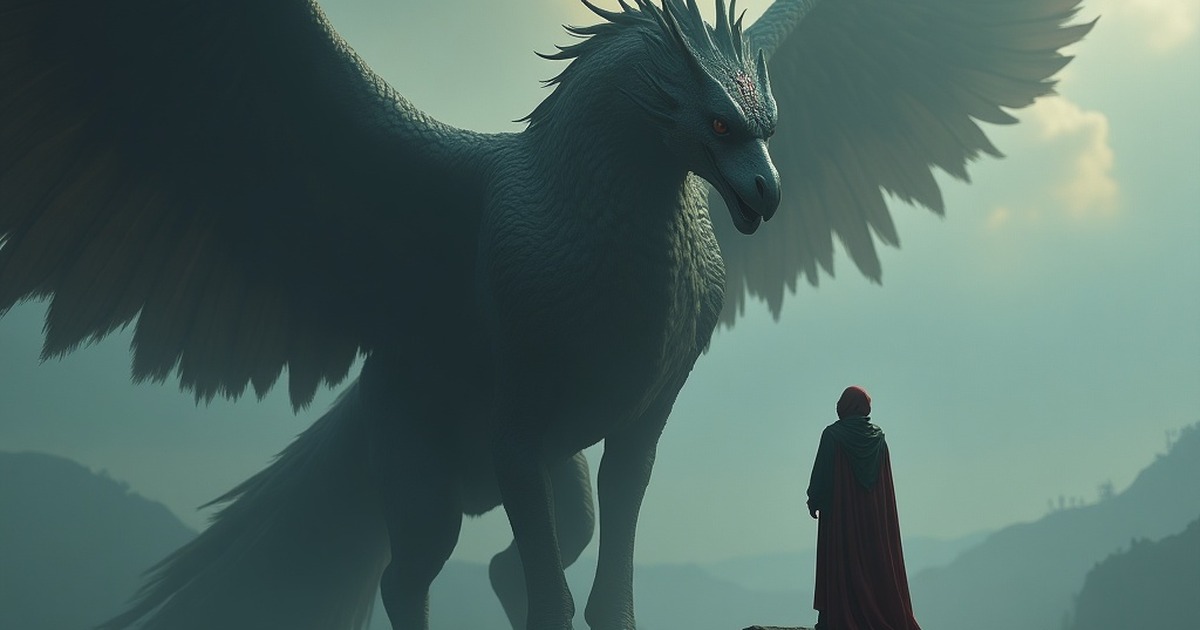
When ancient civilizations gazed upon the darkness beyond their firelight, they populated those shadows with creatures that embodied their deepest terrors—serpentine horrors with regenerating heads, winged amalgamations of predator flesh, entities whose very glance altered living tissue to stone.
Ancient firelight created boundaries where imagination birthed monsters—serpentine regenerators, winged predators, petrifying entities that embodied civilization's deepest terrors.
You'll find that these confrontations weren't mere entertainment but encoded wisdom about confronting the incomprehensible. Perseus wielded his polished shield against Medusa's petrifying stare, converting vulnerability into tactical advantage.
Hercules cauterized the Hydra's stumps with flame, recognizing that brute force alone couldn't overcome regenerative evil. Bellerophon mounted Pegasus to battle the chimeric monstrosity below, achieving liberation through elevation.
Theseus followed Ariadne's thread through labyrinthine darkness to destroy the Minotaur—navigation preceding victory. Odysseus blinded Polyphemus through cunning rather than strength, escaping beneath woolly disguises.
These heroic tactics demonstrate that freedom from eldritch threats demands intelligence, adaptability, resourcefulness. The mythical symbolism persists: monsters represent tyranny, chaos, limitation.
Heroes? They're your ancestors who refused submission. Across nearly four thousand entries of global mythology, from Japanese legends to Pacific Island traditions, cultures worldwide have preserved these archetypal struggles between champions and abominations.
##
You stand now at the threshold where mortal courage intersects with eldritch terror, where four legendary champions—Heracles with his cauterizing brand, Theseus with his thread-guided blade, Perseus with his mirrored shield, Bellerophon astride celestial Pegasus—confronted beings that defied natural order.
These weren't mere battles but ontological struggles, each hero forced to rise above conventional warfare through cunning, divine favor, and psychological fortitude when facing regenerating serpentine coils, petrifying vision, chimeric fusion-bodies, and labyrinthine entrapment.
The ancient Greeks understood these encounters as paradigmatic moments when humanity's potential crystallized against chaos incarnate, altering mythic narrative into cultural instruction on the nature of heroism itself.
Through these winding and colorful tales, each culture uniquely expressed its deepest beliefs about courage, mortality, and the eternal struggle between order and chaos.
Heracles Defeats the Hydra
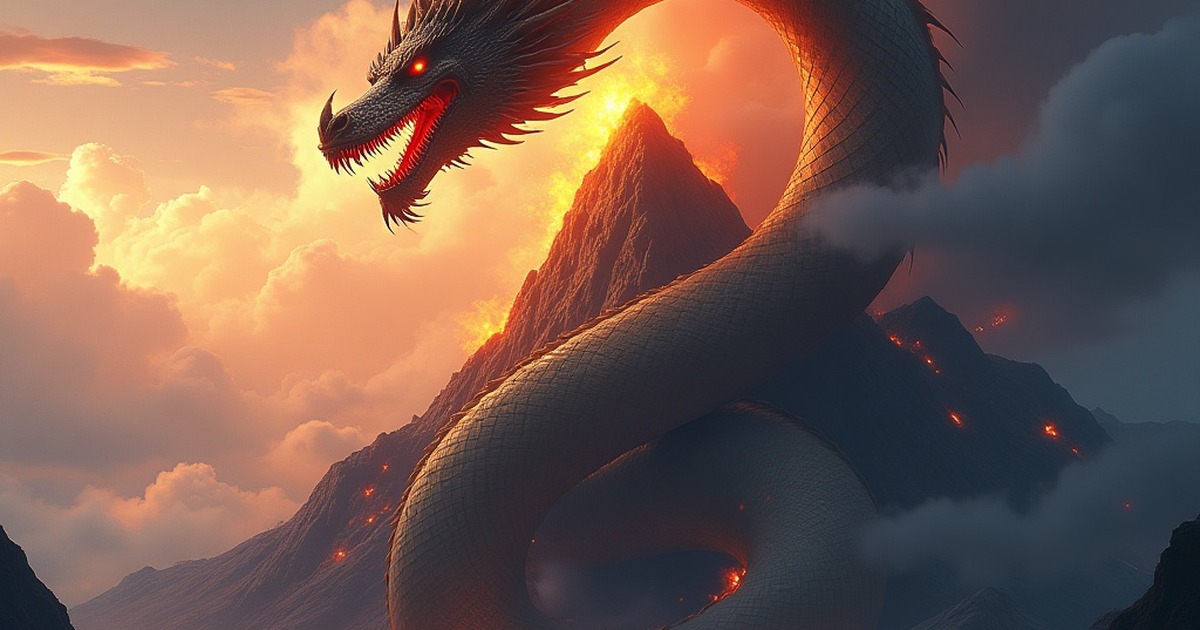
The Lernaean Hydra coiled through the fetid marshlands of the Peloponnese, its serpentine body stretching across the murk like some primordial nightmare given flesh.
This chimeric abomination, assigned as Heracles' second labor, possessed regenerative powers that defied mortal comprehension—each severed head spawning two more in an endless cycle of eldritch multiplication.
Heracles' strategy evolved through necessity; brute force alone couldn't conquer this poison-breathing monstrosity whose very blood corrupted the earth.
Iolaus' support proved essential, the nephew wielding burning brands to cauterize each bleeding stump before regeneration could occur.
Together they achieved what seemed impossible, fire and blade working in brutal synchronicity.
Victory granted Heracles a devastating advantage: arrows dipped in the Hydra's venom, altering his quiver into an arsenal of inevitable death.
The swamp remembers still.
Theseus Slays the Minotaur
Seven Athenian youths and seven maidens—this grim arithmetic repeated itself every nine years, a blood tax extracted by Cretan dominance that altered Athens' brightest children into sacrificial offerings for the Minotaur's insatiable hunger.
Theseus's bravery shattered this cycle. You witness him descending into Knossos's stone corridors, where Ariadne's thread becomes both salvation and symbol—labyrinth navigation changed from impossible ordeal into calculated triumph.
The chimeric beast, born from divine transgression, embodied humanity's deepest terrors: the collision of rational mind and bestial fury. When Theseus's blade found its mark, he didn't merely end one monster's reign.
He severed the chains of fear binding Athens to Crete's eldritch power, proving that courage paired with cunning could overcome even the most formidable manifestations of chaos lurking in civilization's shadowed margins.
Perseus Beheads Medusa
Impossible geometry confronted Perseus at the edge of Medusa's lair—a commission born not from heroic ambition but from King Polydectes's calculated cruelty, who desired the hero's mother and sought her son's death through this seemingly unachievable task.
Perseus' bravery manifested through cunning rather than direct confrontation, wielding Athena's polished bronze shield as a mirror to circumvent Medusa's curse. The Gorgon's petrifying glare, that eldritch power converting flesh to stone, couldn't penetrate reflected surfaces.
Hermes provided adamantine tools: winged sandals enabling aerial approach, a sword capable of severing immortal sinew. Perseus struck. Medusa's blood birthed Pegasus—chimeric testimony to destruction's generative potential.
You'll find the severed head became Perseus' ultimate weapon, converting enemies into calcified monuments, proving that sometimes the monster's power, properly utilized, exceeds the hero's own strength.
Bellerophon Conquers the Chimera
Hubris drove Bellerophon toward the Chimera's volcanic domain, though unlike Perseus, his quest originated from political machination rather than divine mandate—King Iobates of Lycia, presented with falsified accusations from his son-in-law Proetus, dispatched the young Corinthian exile against the fire-breathing abomination, anticipating failure, execution by proxy.
Athena's guidance proved decisive. She bestowed upon him a golden bridle, enabling mastery over Pegasus, the celestial stallion born from Medusa's severed neck.
Mounted upon this divine steed, Bellerophon's bravery manifested through tactical brilliance rather than mere strength—he soared beyond the chimeric monstrosity's incendiary breath, embedding a lead-tipped spear into its maw, which melted within, suffocating the beast internally.
The eldritch creature collapsed, its tripartite anatomy—leonine, caprine, serpentine—rendered lifeless, demonstrating how mortal valor, when amplified by Olympian intervention, transcends seemingly insurmountable odds.
Epic Monster-Slaying Tales Documented

You'll find humanity's earliest monster-slaying narratives etched into Mesopotamian clay tablets circa 2100 BCE, where the Ancient Sumerian Gilgamesh Epic chronicles the king's confrontation with Humbaba, an eldritch guardian whose breath carried pestilence and whose voice shook mountains.
These cuneiform inscriptions, unearthed from Nineveh's ruins, reveal how combat against chimeric adversaries served not merely as entertainment but as vessels for cultural transmission—courage, mortality, divine favor—encoded in each strike of the stylus.
The archaeological record demonstrates that monster-slaying tales functioned as moral architecture, their documented battles preserving the values that societies deemed worthy of immortalization in baked earth.
Ancient Sumerian Gilgamesh Epic
The oldest preserved monster-slaying narrative in human history emerges from the clay tablets of ancient Sumer, where scribes pressed cuneiform characters into wet earth circa 2100 BCE, immortalizing the exploits of Gilgamesh—king of Uruk, two-thirds divine, one-third mortal.
You'll encounter him first battling Humbaba, the eldritch guardian whose voice shakes the Cedar Forest's primordial depths. Gilgamesh's friendship with Enkidu strengthens this conquest, yet divine punishment arrives swiftly when Ishtar releases the Bull of Heaven, its chimeric fury devastating entire landscapes.
Through these trials, you witness mortality themes crystallizing—heroic glory can't transcend death's boundary, though it echoes eternally.
These ancient beliefs reveal Mesopotamian cosmology: heroes who challenge monsters negotiate the volatile space between human limitation and divine caprice, seeking liberation through defiant action.
Mesopotamian Clay Tablet Discovery
Beneath the sands of Nineveh and Nippur, nineteenth-century archaeologists unearthed fragments of humanity's earliest confrontations with cosmic terror—clay tablets bearing cuneiform impressions that had survived three millennia of empires rising and collapsing above them. You'll discover within these inscriptions the clay tablet significance that transcends mere archaeological curiosity: these are humanity's foundational monster-slaying narratives, documenting Gilgamesh's confrontation with eldritch Humbaba and Marduk's triumph over chimeric Tiamat.
| Epic Tale | Hero | Monster |
|---|---|---|
| Gilgamesh | Gilgamesh | Humbaba |
| Enuma Elish | Marduk | Tiamat |
| Various | Multiple | Chaos entities |
| Fragmentary texts | Ancient kings | Primordial beasts |
| Creation myths | Divine warriors | Cosmic adversaries |
The cuneiform evolution preserved civilization's eternal struggle against chaos itself.
Historical Values Reflected Through Combat
Beyond these primordial inscriptions lay something more profound than mere narrative—coded within each monster-slaying epic, ancient civilizations embedded their deepest convictions about what separated civilization from chaos, hero from coward, mortal worth from divine disfavor.
You'll find Heracles confronting the eldritch Hydra, Perseus beheading Medusa's serpentine visage, each victory demonstrating that courageous sacrifice wasn't optional but essential.
Theseus's labyrinthine confrontation proved wisdom triumphs over raw strength, a principle Mediterranean societies cherished above martial prowess alone.
Bellerophon's chimeric adversary fell through divine intervention, revealing how ancients understood human limitations.
These weren't entertainment. They were blueprints for honorable existence, teaching you that authentic heroism requires both strategic intelligence and willingness to face annihilation, that resilience against impossible odds defines your humanity against the monstrous unknown.
Greek Heroes Face Monsters

Throughout ancient Hellenic tradition, heroes distinguished themselves not merely through martial prowess but through their willingness to confront beings that defied natural order—creatures born from primordial chaos, divine wrath, or the monstrous unions between gods and earth. You'll find that heroic bravery wasn't simply courage; it embodied humanity's refusal to submit to tyrannical forces, whether divine or eldritch.
| Hero | Monster | Victory Method |
|---|---|---|
| Hercules | Lernaean Hydra | Cauterization with Iolaus |
| Perseus | Medusa | Reflective shield technique |
| Bellerophon | Chimera | Aerial assault on Pegasus |
| Theseus | Minotaur | Ariadne's thread navigation |
| Odysseus | Polyphemus | Strategic deception |
These encounters carried profound mythical symbolism—each chimeric adversary represented chaos requiring order's restoration. Perseus altered Medusa's petrifying gaze into liberation's weapon. Theseus emerged from labyrinthine darkness. Through cunning and audacity, these champions carved pathways toward autonomy, demonstrating that freedom demands confronting what others flee.
Monsters Represent Internal Fears
The slaying of external beasts, however magnificent, served merely as corporeal manifestation of deeper psychological warfare—each monster functioned as externalized psyche, projected terror given scales and fangs.
You'll discover that fear symbolism permeates these mythological parallels, altering eldritch creatures into mirrors of human vulnerability:
- The Hydra's multiplying heads—your dread of failure, where solutions breed complications, each severed problem spawning two more in its wake.
- Medusa's petrifying gaze—isolation's changing curse, trauma crystallizing identity into immobile stone.
- The Minotaur's labyrinthine prison—entrapment within your own consciousness, corridors of confusion stretching endlessly inward.
- Chimeric amalgamations—fragmented selves, psychological discord given monstrous form.
These encounters weren't mere combat narratives but initiatory rites, demanding heroes confront what writhed beneath civilized veneer.
The true battlefield existed not in Lerna's swamps or Crete's passages but within—where courage meant facing your own shadow-self, acknowledging the beast dwelling in psyche's depths.
Victory required integration, not annihilation.
Perseus Beheads Gorgon Medusa
You encounter Perseus at the threshold between mortal ingenuity and divine intervention, his borrowed panoply—Athena's polished aegis, Hermes's talaria—altering him into something chimeric, neither fully human nor god.
The Gorgon Medusa, whose eldritch gaze calcifies flesh into eternal sepulchral stillness, represents primordial terror weaponized through sight itself, that most immediate of senses.
Perseus's triumph emerges not from brute strength but from tactical deflection: he observes Medusa's serpentine visage through reflection rather than confrontation, severing her head in a single stroke that changes victim into weapon, horror into power.
Perseus's Divine Weaponry
Divine intervention proved essential when Perseus accepted his seemingly impossible commission to slay Medusa, the most feared of the Gorgon sisters whose serpentine visage and eldritch gaze could change any living being into lifeless stone.
You'll find that Athena, goddess of tactical warfare, bestowed upon him Perseus's shield—a bronze surface polished to mirror-brightness, allowing indirect observation of the chimeric horror.
Hermes contributed winged sandals that granted supernatural velocity and aerial maneuverability, liberating Perseus from terrestrial constraints.
These divine artifacts weren't mere tools but extensions of Olympian will, altering mortal limitation into heroic possibility.
The shield deflected Medusa's petrifying stare while the sandals enabled swift, decisive action.
Such celestial patronage demonstrates how you might transcend seemingly insurmountable obstacles through strategic advantage rather than brute force alone.
Medusa's Deadly Gaze
Armed with Olympian artifice and steeled by mortal determination, Perseus approached the Gorgons‘ lair—a desolate terrain littered with petrified warriors whose final expressions betrayed their fatal miscalculation.
You'd understand the Gorgon's curse as more than simple magic; Medusa's origins trace to Athena's divine wrath, altering beauty into eldritch horror. Her gaze weaponized sight itself, converting flesh to marble instantaneously, irrevocably.
Perseus couldn't risk direct confrontation. Instead, he observed her serpentine reflection in Athena's polished bronze, maneuvering through shadow and stone while his sisters slumbered.
The blade descended. Swiftly. From Medusa's severed neck emerged chimeric offspring—Pegasus ascending skyward, Chrysaor materializing fully armed.
Her decapitated head retained its petrifying potency, becoming Perseus's ultimate weapon. Divine blood altered barren earth. Mortals glimpsed possibility.
The Victorious Beheading
Though the approach required patience forged in Olympian discipline, the moment of execution demanded absolute precision—one stroke, one irreversible commitment to fate.
You witness Perseus employing heroic strategy, shield angled to capture Medusa's eldritch reflection while avoiding her petrifying stare. Divine intervention proved essential: Athena's bronze aegis, Hermes's talaria granting aerial advantage.
The blade descended swift, severing chimeric flesh in one decisive arc. Blood cascaded earthward, birthing Pegasus and Chrysaor from ichor-soaked soil—transformation through violence, creation through destruction.
Perseus seized the severed head, now weaponized, its gaze retaining stone-making potency beyond death. This wasn't mere slaughter but strategic necessity, a calculated act balancing mortal courage with godly patronage.
One breath. One stroke. Victory crystallized in dripping gore.
Contemporary Film and Gaming Adaptations
The ancient narratives of monster-slaying heroes have undergone a profound alteration in twenty-first-century visual media, where digital technologies resurrect chimeric terrors and legendary champions for audiences spanning continents and generations.
You'll encounter these mythical reimaginings across platforms:
- Cinematic spectacles like “Clash of the Titans” (2010) resurrect Perseus's confrontation with the Kraken through photorealistic CGI, changing eldritch sea-beasts into visceral experiences.
- Interactive odysseys such as “God of War” and “Hades” permit direct engagement with legendary adversaries, democratizing hero journeys previously confined to passive reception.
- Animated reinterpretations including Disney's “Hercules” introduce serpentine Hydras to nascent audiences, ensuring mythological continuity across generational divides.
- Character-driven narratives exploring emotional depths—heroes wrestling with existential burdens alongside monstrous opponents, forging psychological resonance beyond spectacular combat sequences.
These adaptations transcend mere entertainment; they preserve archetypal struggles within contemporary consciousness, allowing you participation in timeless battles against darkness itself.
Experts Analyze Monster Symbolism
When scholars peer beneath the scaled hides and serpentine coils of mythological adversaries, they discover repositories of cultural anxiety—primordial symbols encoding the psychological and societal tensions that threatened ancient communities.
These monster archetypes reveal profound symbolic meanings that transcend mere entertainment.
The Hydra's regenerating heads embody multiplicative chaos, each severed neck spawning doubled threats. Pure entropy.
Hercules's triumph required strategy over strength, demonstrating civilization's need for intellect confronting the eldritch unknown.
The Chimera's composite form—lion, goat, serpent—represented nature's chaotic elements converging into chimeric terror.
Bellerophon's victory symbolized humanity's capacity to master internal demons while defending societal order.
Medusa's petrifying gaze warned against hubris, her serpentine locks manifesting divine retribution.
Perseus wielded cunning, his polished shield reflecting power's dangerous allure.
The Minotaur, trapped in labyrinthine darkness, personified barbarism's threat to Athenian enlightenment.
Theseus emerged victorious, carrying civilization's torch through primordial shadows.
These battles weren't conquest—they were cultural preservation.
Modern Heroes Echo Archetypes
As cinema screens flicker with caped vigilantes and streaming platforms deliver serialized champions, you'll recognize the ancient patterns—Herculean strength channeled through super-soldiers, Odyssean cunning embedded in billionaire detectives, Promethean sacrifice burning through mutant messiahs.
These heroic archetypes persist because they speak to something primordial within your consciousness, transmitted across millennia through collective memory.
Heroic patterns endure not through repetition but recognition—your psyche remembering what mythology always knew about transformation and transcendence.
Modern storytelling revives Perseus's monster-slaying imperative when protagonists face chimeric adversaries representing systemic corruption, psychological trauma, existential dread.
Your contemporary heroes bear Achilles's vulnerability—flawed, wounded, authentically human despite extraordinary capabilities. They navigate labyrinthine urban landscapes as Theseus once stalked Knossos's corridors, confronting eldritch manifestations of internal demons.
Watch them closely. The quest structure remains sacred geometry: departure, initiation, return.
Jason's Golden Fleece becomes corporate espionage's MacGuffin; Bellerophon's Pegasus evolves into experimental aircraft.
Different vessels. Same archetypal water. You witness not imitation but continuity—ancient wisdom wearing digital skin, offering liberation through mythic recognition.
Legacy Endures Across Cultures
Across continental divides and oceanic expanses, these monster-slaying narratives embedded themselves into humanity's collective DNA—Gilgamesh confronting Humbaba in Mesopotamian cedar forests, Beowulf descending into mere-depths for Grendel's dam, Sun Wukong battling celestial demons across Chinese cosmological domains.
You'll discover how cultural exchange altered these archetypal struggles through centuries of transmission, merchants and monks carrying Perseus's victory into Byzantine mosaics, Islamic scholars preserving Hercules within medieval manuscripts. The mythological adaptations reveal humanity's shared vocabulary for confronting chaos incarnate.
These chimeric antagonists—whether scaled, tentacled, or eldritch—symbolize your internal adversaries: doubt, mortality, desperation. Ancient civilizations recognized universal truths within localized monsters.
Japanese heroes faced oni, Norse warriors challenged jötnar, Polynesian demigods wrestled oceanic leviathans. Each iteration preserved essential elements while reflecting distinct cultural values. The tales weren't mere entertainment—they were survival manuals for traversing existence's treacherous territories.
You inherit this legacy, carrying forward narratives that transcend linguistic barriers and temporal boundaries, symbols of humanity's eternal refusal toward submission.
Frequently Asked Questions
What Weapons Did Ancient Heroes Typically Use Against Mythical Monsters?
You'll discover ancient heroes wielded sacred artifacts imbued with otherworldly potency—bronze swords blessed by temple priests, obsidian daggers consecrated under blood moons, enchanted spears forged in eldritch fires.
These weren't mere weapons but conduits for divine intervention. Mesopotamian Gilgamesh clutched celestial axes; Greek Perseus brandished adamantine harpe-blades.
Liberation from chimeric terrors demanded more than mortal steel; it required implements touched by the numinous, weapons that bridged terrestrial and transcendent domains through consecrated craftsmanship.
How Did Different Cultures Determine Which Monsters Their Heroes Would Fight?
You'll discover that cultures shaped their monster characteristics through cultural symbolism reflecting their deepest fears and environmental threats.
Coastal civilizations birthed eldritch sea serpents, while desert peoples conjured chimeric djinn from scorching winds. Agricultural societies manifested crop-destroying behemoths.
These weren't random choices—they emerged from collective anxieties, spiritual beliefs, and geographical realities.
The monsters you encounter in each tradition reveal what threatened that culture's survival, freedom, and cosmic order. Each beast symbolizes specific cultural traumas altered into mythic adversaries.
Were There Female Heroes Who Battled Monsters in Ancient Mythology?
You'll discover formidable female warriors throughout mythological tales who confronted eldritch terrors with unwavering courage.
Atalanta, the swift-footed Greek huntress, pierced the Calydonian Boar's hide.
Scáthach, Celtic warrior-queen of Skye, mastered chimeric beasts in shadowed glens.
The Valkyries chose slain heroes whilst battling monstrous entities across Norse battlefields.
Durga, riding her tiger mount, shattered the buffalo demon Mahishasura.
These warrior-women weren't constrained by patriarchal boundaries—they claimed their sovereign power, carving their names into eternal legend through blood and valor.
What Happened to Heroes After They Defeated Their Monstrous Opponents?
You'll find that heroic legacies rarely emerged untainted from chimeric combat.
Victory's aftermath brought monstrous consequences—madness claimed Heracles after slaying the Hydra's eldritch brood, while Bellerophon's pride, born from defeating the Chimera, sealed his doom.
Some heroes ascended to godhood. Others wandered, marked by what they'd witnessed in those liminal spaces between mortal and divine.
The monster's death never truly ends the story; it alters the victor, binding them eternally to darkness conquered.
Did Any Heroes Fail in Their Attempts to Slay Monsters?
You'll discover countless heroic failures across ancient traditions—monster encounters that ended in blood and shadow.
Bellerophon, corrupted by hubris, fell attempting to storm Olympus after his chimeric triumph. The Japanese warrior Yorimitsu's disciples perished against the eldritch Tsuchigumo.
Theseus himself, though victorious against the Minotaur, ultimately failed when facing mortal conspiracies.
These tales illuminate profound truths: even legendary champions stumbled, reminding you that freedom demands sacrifice, and hubris invariably precipitates catastrophe.
Conclusion
You've journeyed through these eldritch chronicles, witnessing Perseus's blade severing Medusa's serpentine locks, heroes confronting their chimeric adversaries across millennia. These archetypal battles aren't merely ancient entertainment—they're mirrors reflecting your own internal struggles. When you encounter modern adaptations in cinema and gaming, you're experiencing humanity's eternal dance with darkness, that liminal space where courage changes terror into triumph. The monsters you've studied here? They've never truly died. They've simply evolved, waiting in your collective unconscious.