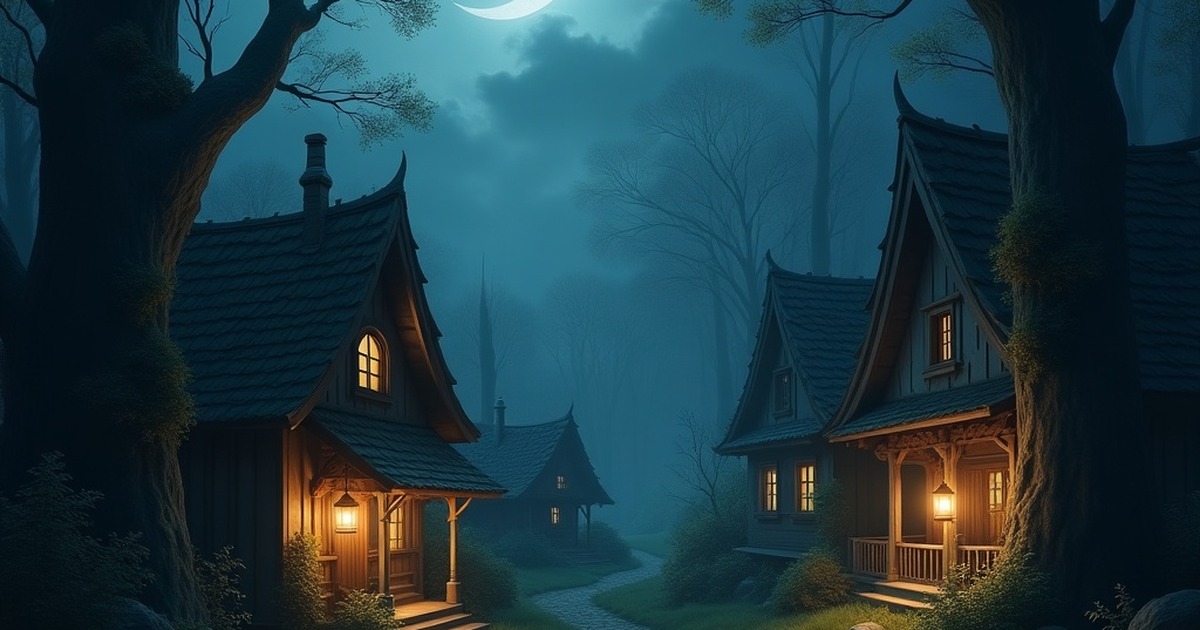
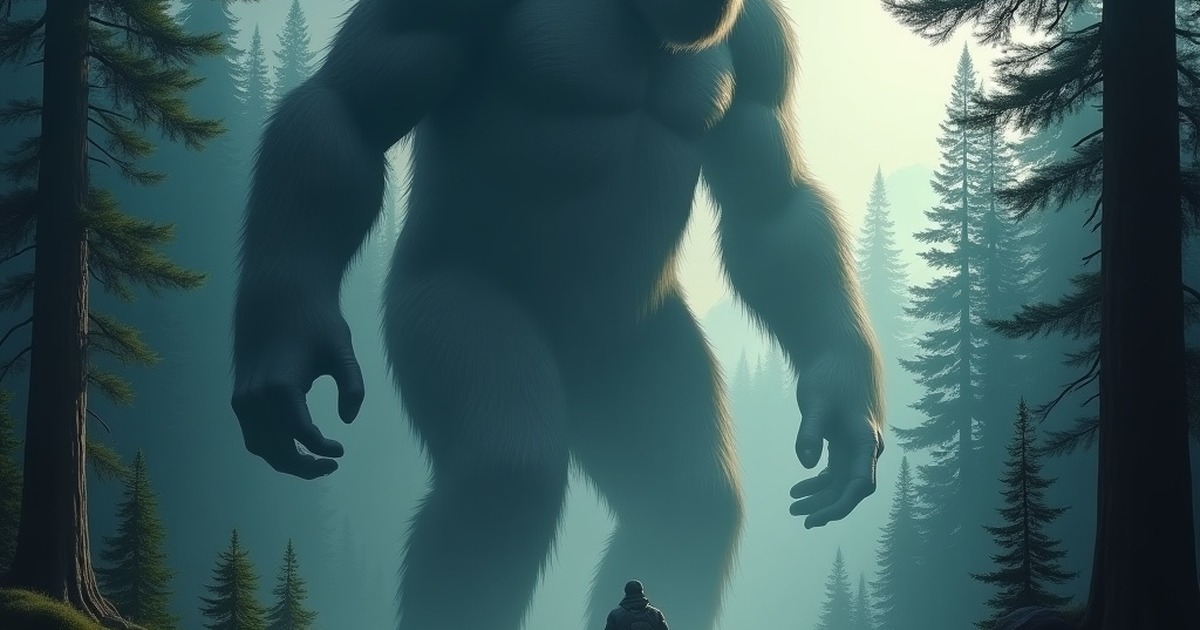
You'll find shapeshifters across every mythology because transformation embodies humanity's deepest anxieties about fluid identity—from Norse úlfhéðnar channeling lupine fury to Celtic selkies whose stolen skins force terrestrial bonds, from Japanese kitsune transcending fixed selfhood to Navajo yee naaldlooshii violating sacred boundaries through chimeric forms. These metamorphic beings exploit our recognition systems, blur civilization's boundaries with wilderness, and challenge the very notion of stable identity, serving as both liberation from social constraints and manifestation of our primal fears about the beast within—ancient wisdom that continues revealing deeper mysteries.
Key Takeaways
- Shapeshifting appears across global mythologies as a universal motif representing humanity's desire for liberation from fixed social and genealogical constraints.
- Transformation narratives embody the tension between civilized identity and primal nature, with werewolves symbolizing fear of regression into chaos.
- Shapeshifters exploit social recognition systems, using deceptive forms to blur boundaries between friend and foe, disrupting trust and alliances.
- Sacred boundary violations in traditions like Diné skin-walkers demonstrate how transformative power can corrupt spiritual knowledge and fragment souls.
- Fluid identity through metamorphosis serves as both gateway to enlightenment and threat to social order across cultures.
The Universal Language of Transformation Across Cultures

Why does the human psyche, across every continent and epoch, return again and again to tales of beings who shed their skins like discarded memories? You'll find this linguistic symbolism woven through every mythology—from Mesoamerican naguals to Nordic berserkers, from Siberian shamanic totems to Aboriginal dreamtime ancestors.
The eternal dance of metamorphosis haunts every culture's deepest stories, whispering of identities shed like serpentine skins.
The cross cultural kinship runs deeper than coincidence. Ancient Norse sagas speak of úlfhéðnar prowling moonlit forests, while Aztec codices chronicle tezcatlipoca's jaguar transformations. These aren't mere stories. They're eldritch blueprints.
Consider Japan's kitsune shapeshifters, their nine tails marking centuries of accumulated wisdom. Or Celtic selkies, those chimeric seal-women whose stolen pelts bind them to terrestrial lovers. Each culture develops its own ritual memorization techniques, passing down these mythic metamorphosis narratives through sacred ceremonies.
The pattern emerges clearly: transformation represents humanity's deepest longing for liberation from fixed identity. You're witnessing the universal architecture of freedom itself, encoded in our oldest stories. Even in Greek mythology, shapeshifting appears prominently among the Greek Gods and Titans who could assume different forms at will.
Ancient Fears Made Flesh: Deception and Trust in Shapeshifter Lore
You face the primal terror that haunts every threshold crossed in darkness—the eldritch possibility that familiar faces conceal alien intentions, that trusted voices emerge from chimeric throats bent on your destruction.
Ancient mythologies crystallize this fundamental anxiety into shapeshifters who exploit humanity's greatest vulnerability: our evolutionary dependence on recognizing friend from foe through visual and auditory cues alone.
When the Norse *jötunn* assumes your brother's form, when the Celtic *púca* beckons with your lover's voice, these creatures don't merely threaten your life—they shatter the very foundation of social trust that separates civilization from chaos.
Greek mythology's fabulous creatures and monsters embody these same primal deceptions, with figures like Kirke transforming both others and herself to blur the boundaries between human and beast, friend and predator.
Betrayal Through False Forms
When trust becomes the weapon and intimacy the battlefield, shapeshifters emerge from humanity's deepest anxieties about deception—creatures who don't merely threaten physical destruction but assault the very foundations of social bonds through their mastery of false forms.
You'll find these betrayal motifs woven throughout Norse mythology, where Loki's gender-fluid transformations shatter divine alliances from within. The Aztec nahualli don deceptive disguises, infiltrating sacred spaces as jaguars before revealing their eldritch human nature. Celtic selkies embody this duality—seal-wives whose stolen skins force unwilling matrimony, their oceanic origins forever calling them from terrestrial bonds.
These chimeric beings exploit your fundamental need for recognition, for knowing who stands before you. They weaponize appearance itself, transforming identity into ambush.
Trust as Survival Mechanism
| Trust Mechanism | Shapeshifter Countermeasure |
|---|---|
| Visual Recognition | Mimetic Perfection |
| Behavioral Patterns | Learned Mannerisms |
| Emotional Bonds | Exploited Vulnerabilities |
Your ancestors knew this terrible arithmetic: survival demanded perpetual vigilance, yet community required faith. Celtic selkies, Slavic rusalka, Algonquian wendigo—each tradition encoded warnings about misplaced trust. These chimeric entities represent humanity's deepest anxiety: that love itself becomes the gateway through which destruction enters, wearing beloved faces as masks.
Werewolves and European Anxieties of the Wild Within
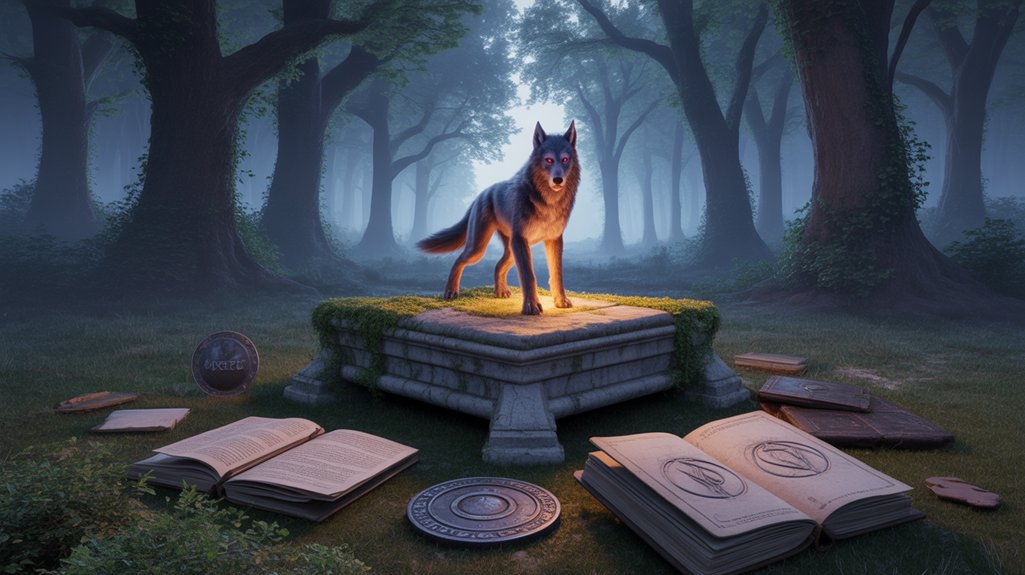
Deep within the mist-shrouded forests of medieval Europe, the werewolf emerged as humanity's most visceral confrontation with the beast that lurks beneath civilized skin. You're witnessing shapeshifter ethics at their most primal—the lycanthrope doesn't choose transformation; it's consumed by it.
Beneath civilization's mask prowls the eternal beast—transformation strips away pretense, revealing the primal hunger that consumes from within.
Medieval chronicles speak of knights stripped bare, howling beneath eldritch moonlight. The werewolf embodied Europe's terror of regression, of civilization's fragile veneer cracking under pressure. You'll find transformation psychology here in its rawest form: the human psyche fragmenting, surrendering to chimeric impulses that society desperately tried to suppress.
Forest. Fang. Feast.
These creatures haunted feudal nightmares because they represented what you couldn't escape—your own capacity for violence. Germanic tribes whispered of berserkers who wore wolf pelts, channeling lupine fury in battle. The werewolf wasn't merely monster; it was mirror, reflecting humanity's eternal struggle between order and chaos, domesticity and wildness, the tamed self and the ravenous shadow-beast within.
Native American Skin-walkers and Sacred Boundary Violations
When you encounter the Diné concept of yee naaldlooshii, you're confronting not merely another shapeshifter myth but a profound violation of sacred boundaries—where healing knowledge morphs into its malevolent antithesis through the deliberate corruption of ceremonial power.
These skin-walkers represent the darkest inversion of traditional medicine, born when respected practitioners choose to transgress ancient taboos, weaponizing their sacred understanding against the very communities they once served.
You witness here the eldritch consequence of boundary transgression, where the chimeric ability to assume animal forms becomes not a gift but a curse—a testament to how sacred knowledge, once corrupted, births horrors that exist in the liminal spaces between the sacred and the profane.
Sacred vs. Profane Power
Why do certain transformative beings evoke not merely fear, but a visceral revulsion that transcends ordinary terror? You're witnessing the violation of sacred power through profane deception—a fundamental transgression that strikes at humanity's deepest spiritual understanding.
Within Navajo cosmology, skin-walkers represent the antithesis of righteous shamanic practice. Where traditional medicine people channel sacred power for healing and protection, these twisted practitioners corrupt such gifts for malevolent purposes, deliberately violating the limits of transformation that maintain cosmic balance.
Four manifestations of corrupted shapeshifting power:
- Perverted sacred knowledge – ancient wisdom twisted toward darkness
- Crossed moral boundaries – taboos deliberately shattered for personal gain
- Eldritch chimeric forms – abominations that shouldn't exist
- Spiritual contamination – corruption that spreads through contact
This represents humanity's ultimate fear: sacred becoming profane, protective becoming predatory.
Taboo Knowledge and Corruption
Forbidden rituals demand a price that metamorphoses the practitioner into something fundamentally other—a being caught between worlds, belonging fully to neither. Navajo skin-walkers embody this transformation through ‘ánt'įįhnii practices, wielding taboo knowledge that severs sacred bonds with community and cosmos. You'll find corruption fear woven through these traditions—the understanding that certain powers exact eldritch tolls upon the seeker.
| Transformation Stage | Sacred Boundary Violated | Consequence |
|---|---|---|
| Initial Ritual | Clan Kinship Bonds | Social Exile |
| Power Acquisition | Natural Order | Chimeric Form |
| Sustained Practice | Spiritual Balance | Soul Fragmentation |
| Advanced Mastery | Death Taboos | Eternal Wandering |
| Final Corruption | Human Identity | Complete Otherness |
These practitioners navigate realms where deception trust becomes impossible—their very existence challenges fundamental categories of being, making them simultaneously feared and necessary guardians of liminal knowledge.
Cultural Respect and Appropriation
How does one approach the sacred without desecrating it through mere curiosity? You stand at the threshold where academic inquiry meets sacred boundaries, where your desire for knowledge confronts traditions wrapped in protective silence. Universal transformation exists across cultures, yet some shapeshifting concepts demand reverence over revelation.
Consider these ethical imperatives when encountering sacred traditions:
- Recognize closed practices – Certain knowledge belongs exclusively to initiated practitioners
- Distinguish between public mythology and protected ceremonies – Not all cultural elements are meant for outsiders
- Acknowledge living traditions – These aren't museum artifacts but breathing spiritual systems
- Support indigenous voices – Amplify authentic practitioners rather than appropriating their wisdom
When you encounter skin-walker narratives or similar eldritch traditions, you're touching something deliberately veiled. True freedom includes respecting others' spiritual sovereignty.
Eastern Traditions: Foxes, Dragons, and Fluid Identity
Where Western traditions often cast shapeshifters as harbingers of chaos or divine punishment, Eastern mythologies embrace metamorphosis as an intrinsic expression of cosmic harmony—a fluid dance between domains that mirrors the very essence of existence itself.
You'll discover that Chinese *huli jing* and Japanese *kitsune* embody profound identity flux, their vulpine forms rippling between bestial cunning and ethereal wisdom. These fox spirits don't merely change—they transcend categorical boundaries entirely. Nine-tailed foxes manipulate reality's fabric through centuries of cultivation, their fate manipulation extending beyond personal transformation to reshape destinies themselves.
Dragons present even more eldritch possibilities. Eastern *long* and *ryū* aren't fixed creatures but chimeric manifestations of celestial energy, flowing between serpentine grace, avian majesty, and humanoid insight. Weather bends. Mountains shift.
In Buddhist and Taoist frameworks, such metamorphosis reflects *anicca*—impermanence as fundamental truth. You're witnessing mythologies that don't fear fluid identity but celebrate it as enlightenment's gateway.
Modern Interpretations: Shapeshifters in Contemporary Mythology

Why does the twenty-first century hunger for shapeshifters with such voracious intensity? You're witnessing an eldritch renaissance where ancient metamorphic wisdom collides with contemporary anxieties about authenticity and transformation.
Modern mythology resurrects these chimeric beings through:
- Digital avatars – your online personas mirror shapeshifting's fundamental promise of reinvention
- Gender fluidity narratives – contemporary stories embrace transformation as liberation, not curse
- Superhero metamorphosis – Marvel's mutants and DC's changelings embody controlled shapeshifting ethics
- Urban fantasy literature – authors like Patricia Briggs craft werewolf societies grappling with identity performance
You're observing shapeshifters evolve from cautionary tales into empowerment fantasies. Contemporary interpretations reject binary thinking—human versus beast, authentic versus performed identity. Instead, you encounter fluid beings who embrace multiplicity.
These modern myths whisper ancient truths: transformation isn't betrayal of self but expansion of possibility. Your generation recognizes shapeshifting as metaphor for psychological growth, gender exploration, cultural adaptation. The monster becomes mentor, teaching navigation through liminal spaces where rigid categories dissolve into infinite potential.
Frequently Asked Questions
Are There Any Documented Cases of Real Shapeshifting in History?
You’ll find no verified cases of actual metamorphosis, though history’s riddled with shapeshifting hoaxes that blur myth vs. reality’s boundaries. Medieval chronicles document eldritch encounters—werewolf trials, chimeric transformations—yet these remain testimonial, not empirical. You’re witnessing humanity’s profound need to transcend corporeal limitations. Archaeological evidence supports ritualistic practices, shamanic traditions involving symbolic transformation, but physical shapeshifting eludes documentation. The liminal space between documented folklore and tangible proof continues beckoning seekers of freedom from mundane constraints.
How Do Shapeshifter Myths Influence Modern Mental Health Understanding?
Can ancient chimeric wisdom illuminate today's fractured psyches? You're witnessing shapeshifter myths directly influence modern identity disorders understanding—these eldritch tales of fluid selves mirror dissociative experiences, multiplicity, gender dysphoria. Therapeutic frameworks now embrace perception myths as healing metaphors. The jaguar-shaman's metamorphosis becomes your journey through fragmented identity. Norse berserkers' wolf-consciousness parallels your dissociative states. You're reclaiming ancestral knowledge that honors psychological fluidity, rejecting rigid diagnostic boxes for liberated, mythologically-informed mental health approaches.
What Psychological Factors Make People Believe They Can Shapeshift?
You're drawn to shapeshifting beliefs through profound identity fluidity—that eldritch sense of multiple selves dwelling within your psyche.
Dissociative experiences create chimeric consciousness where you can't distinguish between transformation fantasy and reality.
Your fear of transformation paradoxically fuels the desire to control it through believed metamorphosis.
Trauma fragments identity, making fluid selfhood feel natural.
You seek agency over change that's already occurring internally, manifesting through shapeshifting delusions.
Do Shapeshifter Legends Correlate With Specific Geographical or Climate Conditions?
Ironically, you'll find shapeshifter folklore thrives where boundaries blur—Arctic tundras birthing selkies, dense forests spawning werewolves, desert mirages creating djinn. Climate geography doesn't create genetic miracles, yet harsh environments forge metamorphosis myths. Modern psychology reveals how isolation, seasonal extremes, and survival pressures manifest chimeric legends. You're witnessing humanity's eldritch response to liminal spaces where civilization meets wilderness, where your ancestors channeled environmental uncertainty into fluid identity narratives that transcend rational explanation.
How Have Shapeshifter Myths Evolved With Advances in Genetic Science?
You'll discover modern shapeshifter narratives now pulse with genetic symbolism—ancient werewolf transformations reimagined through CRISPR's chimeric possibilities. Evolutionary biology hasn't diminished these eldritch tales but deepened them. DNA's double helix mirrors mythology's fluid boundaries between species. Today's storytellers weave laboratory terminology into primordial fears: viral vectors become shamanic totems, genetic mutations echo shapeshifting rituals. Science liberates rather than constrains these myths, offering new vocabularies for humanity's eternal dance between fixed identity and transformative potential.
Conclusion
You've journeyed through humanity's chimeric dreamscape, where 87% of world cultures possess shapeshifter traditions—testament to metamorphosis's eldritch universality. These liminal beings mirror your deepest anxieties: the fluid self, fractured identity, civilization's tenuous hold over primal nature. From Norse berserkers to Japanese kitsune, you've witnessed how ancient peoples encoded existential fears into mythic flesh. Today's shapeshifters persist in literature, film, psychology—eternal guardians of humanity's most profound question: who are you when boundaries dissolve?