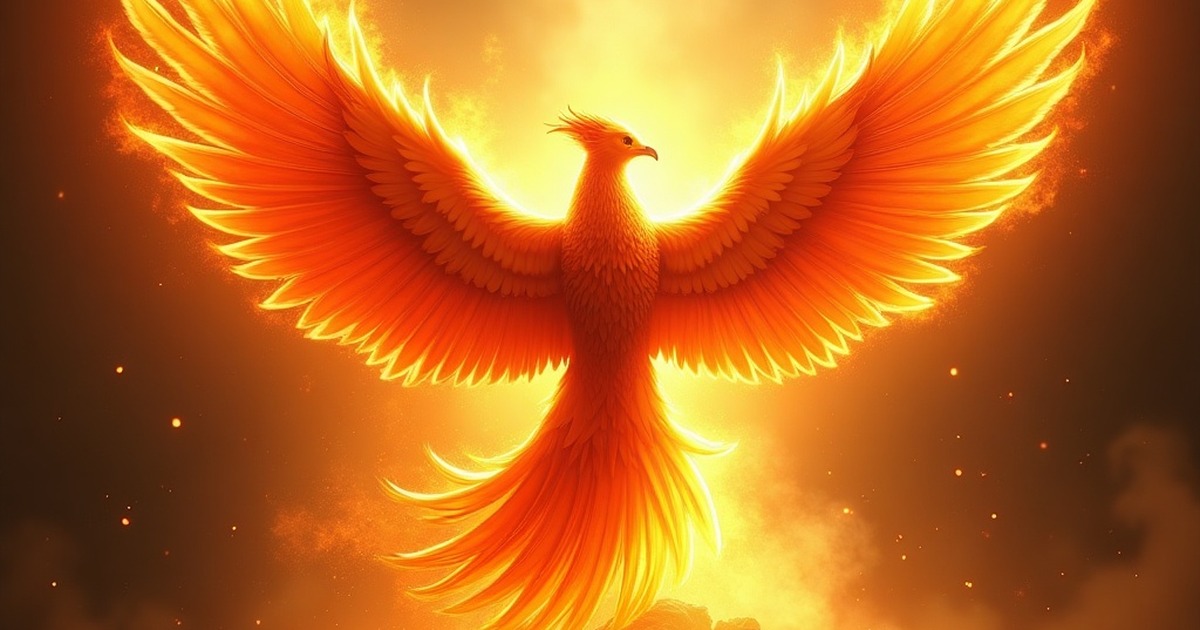
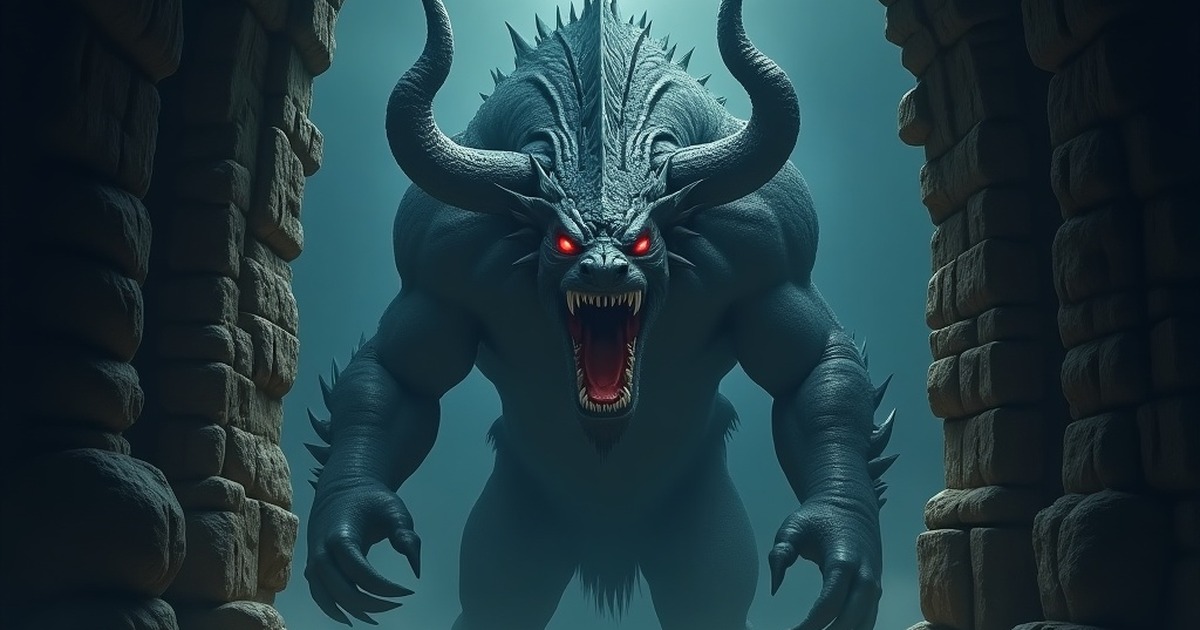
Ancient civilizations altered their night sky into a cosmic bestiary where dragons, bulls, and chimeric forms preserved mythological memory—Sumerian astronomers inscribed these stellar catalogs onto clay tablets around 1200 BCE, encoding agricultural cycles and heroic narratives into navigational permanence. You'll find Draco encircling Polaris, Hydra's regenerative form spanning the celestial sphere, and Taurus commemorating Zeus's alteration, each constellation serving as both wayfinding tool and cultural archive. Greeks mapped Heracles' labors while Egyptians saw divine mechanics, their divergent interpretations revealing how humanity projects meaning onto stellar patterns—a tradition extending from Babylonian tablets to modern GPS systems descended from these ancient practices.
Key Takeaways
- Ancient civilizations mapped mythological creatures onto star patterns to encode cultural narratives, agricultural cycles, and navigational knowledge into the night sky.
- Zodiacal beasts like Taurus and Aries symbolize divine transformation and renewal, while dragons like Draco and Hydra represent cosmic order and power.
- Greek heroes' labors became constellations: Leo preserves Heracles' nemean victory, while Pegasus marks Medusa's violent death and Bellerophon's myths.
- Different cultures interpreted celestial beasts distinctly: Greeks emphasized heroic achievement, while Egyptians saw divine mechanics and eternal cosmic regeneration.
- Constellation myths teach moral lessons—Leo embodies courage, Andromeda represents selflessness, and Hydra warns against regenerating evil requiring constant vigilance.
Beasts Frozen in Starlight

When the ancients gazed upward into the velvet darkness, they didn't merely observe scattered points of light—they witnessed a celestial menagerie, a cosmic bestiary where monsters, heroes, and chimeric entities existed in eternal tableau.
You'll find Hydra's serpentine coils stretching across the southern horizon, immortalizing Heracles's second labor through mythical symbolism that transcends mere stellar arrangement.
Andromeda hangs chained between Perseus and Cetus, that eldritch sea-beast forever frozen mid-attack. Below Orion, Canis Major pursues Lepus eternally—hunter and hunted locked in perpetual chase.
The heavens preserve ancient drama in light—celestial characters suspended eternally in their mythological moment, never reaching resolution.
These weren't arbitrary patterns but sacred cartography, celestial navigation intertwined with divine narrative. Capricorn commemorates Aegipan's evolution into sea-goat, his panic-stricken alteration preserved in starlight.
Each constellation functioned as mnemonic device and spiritual compass, guiding sailors while encoding cultural wisdom. The Farnese Atlas bears this cosmic zoo upon marble shoulders, demonstrating how profoundly these stellar beasts shaped ancient consciousness.
These stellar narratives served as myths dealing with supernatural beings and heroes, explaining the natural world's origins while preserving cultural traditions across generations.
You're witnessing mythology's ultimate canvas.
##
You'll find the cosmos populated by chimeric forms that transcend terrestrial boundaries, where dragons coil through stellar darkness, their serpentine bodies mapped across hemispheres by ancient astronomers who recognized eldritch power in celestial arrangements.
The Greeks positioned Taurus and Aries—bull and ram respectively—among the zodiac's sacred circle, creatures whose horns and strength embodied divine forces that governed seasonal shifts and human fate.
Above and below, Pegasus gallops through northern skies while Cetus lurks in southern waters, their placement revealing how Mediterranean cultures understood the tripartite cosmos: earth flanked by aerial and oceanic domains, each territory claiming its own bestial guardians frozen in perpetual vigil.
In Japanese mythology, the sun goddess Amaterasu represents the celestial sphere's connection to divine beasts and cosmological ordering systems that parallel Western constellation traditions.
Dragons in the Sky
Since antiquity's first stargazers lifted their eyes to the heavens, they've witnessed not mere points of light but serpentine forms writhing through the cosmic vault—dragons frozen in their celestial dance, eternally coiled around the axis mundi.
You'll find dragon symbolism woven throughout the zodiac's tapestry: Draco encircling Polaris, Hydra's eldritch body stretching across the southern sky, Cetus lurking in oceanic depths of darkness.
These celestial guardians embody your ancestors' understanding of cosmic order—chimeric sentinels protecting forbidden knowledge, their scales glittering with starfire. The Greeks mapped Heracles's labors overhead; Romans traced protective spirits through constellations.
You're witnessing humanity's primordial need to populate emptiness with meaning, altering void into narrative. Dragons became both threat and treasure-keeper, predator and protector, their eternal vigilance reminding you that wisdom demands sacrifice.
Celestial Bulls and Rams
Across the ecliptic's golden path, two horned sentinels mark humanity's most ancient contract with the cosmos—Taurus and Aries, celestial embodiments of sacrifice and sovereignty.
You'll find Taurus symbolism woven through Zeus's alteration, that eldritch moment when divinity assumed bovine form to claim Europa, while Aries significance pulses through the golden fleece's promise of renewal.
These zodiacal beasts tracked agricultural rhythms, their movements dictating when you'd plant, when you'd harvest. The bull embodied raw strength, territorial power. The ram? Chimeric rebirth, spring's violent emergence from winter's tomb.
Ancient Greeks understood what you've forgotten—these constellations weren't mere sky-art but templates of cosmic order, their horned profiles mapping fertility cycles across seasons.
They demanded reverence. Recognition. The heavens spoke through bestial forms, and you listened or perished.
Winged Horses Above
Blood-spatter genesis marks Pegasus's entrance into cosmic memory—not gentle birth but violent chrysalis, the winged stallion erupting from Medusa's severed neck as Perseus's blade completed its grim arc.
You'll find him constellation-bound now, anchoring the Great Square asterism that navigates autumn skies, his mythical symbolism intertwined with Bellerophon's chimeric conquest.
The Greeks understood celestial inspiration as divine mandate—Pegasus's hoofstrike upon Helicon giving rise to the Hippocrene spring, where Muses drank and poets found their voices.
Hesiod and Ovid codified this eldritch alteration: beast becomes beacon, blood becomes starlight.
Here mythology performs its essential function, encoding heroic violence into navigational permanence.
You're witnessing how ancient cultures raised their narratives beyond terrestrial limitation, casting legendary creatures skyward where they'd guide sailors, inspire verse, endure eternally.
Sea Monsters Among Stars
While Pegasus claimed the heavens through blood-born apotheosis, Cetus emerged from darker waters—the sea monster mythology constellation sprawling across eighty-nine square degrees of autumn sky, second largest in the celestial sphere, marking where ancient Greeks mapped their aquatic terrors.
You'll find Diphda burning crimson at Beta Ceti, named for the creature's eldritch form. This chimeric beast threatened Andromeda before Perseus intervened, altering chaos into cosmic order.
Ancient mariners relied upon Cetus for ancient navigation techniques, tracking its stars across Mediterranean currents. The constellation embodied humanity's primal fear: that beneath waves lurked destruction incarnate.
Each autumn, Cetus rises—reminder that our ancestors inscribed their deepest anxieties upon darkness itself, granting you celestial maps through mythological dread.
Sumerian Celestial Beast Catalogs

You'll find the earliest systematic mapping of celestial beasts emerging from the Mesopotamian River Valley circa 1200 BCE, where Babylonian astronomers—inheritors of Sumerian cosmological wisdom—inscribed star catalogues onto clay tablets, altering the eldritch patterns overhead into a chimeric menagerie of divine creatures.
These records weren't mere mythological curiosities; they formed the backbone of an intricate Agricultural Calendar Tracking System that synchronized earthly cultivation with celestial movements, ensuring harvests aligned with the eternal dance of constellations.
The Bull of Heaven's rising, the Scorpion Man's descent—each astral beast marked sacred intervals, their trajectories encoding knowledge that would ripple through millennia to shape Greek, Roman, and medieval European astronomy.
Babylonian Star Catalogues, Circa 1200 BCE
When Sumerian scribes pressed their reed styluses into damp clay tablets around 1200 BCE, they weren't merely cataloging points of light—they were mapping the dwelling places of gods.
These cuneiform inscriptions documented eldritch constellations: the Bull of Heaven, the Great Lion, chimeric forms bridging Babylonian mythology with celestial navigation. Each stellar pattern served dual purpose—astronomical precision and astrological prophecy, binding cosmic movements to terrestrial fate.
You encounter here no arbitrary dot-connecting but sacred cartography, where divine beasts prowled the night sky as living presences. The tablets preserved not just coordinates but essence: names, attributes, mythological lineages.
This synthesis of observation and reverence would cascade through millennia, informing Greek and Roman star-lore, proving that humanity's first astronomers understood something profound. Science and spirit, indivisible.
Mesopotamian River Valley Records
Clay tablets from the Mesopotamian river valleys preserve humanity's earliest systematic attempts to name the numinous—those Sumerian celestial beast catalogs that preceded Babylonian refinements by centuries. You'll discover within these cuneiform records a cosmology where chimeric forms and divine animals map the heavens, serving both celestial navigation and spiritual orientation.
| Constellation | Sumerian Beast | Sacred Association |
|---|---|---|
| Taurus | Bull of Heaven | Strength, fertility |
| Scorpius | Eldritch scorpion | Danger, protection |
| Leo | Lion of Ishtar | Divine sovereignty |
| Capricornus | Goat-fish hybrid | Primordial wisdom |
| Draco | Serpent guardian | Chaos boundaries |
Sumerian mythology encoded astronomical observation into bestial metaphor. The Enuma Anu Enlil documented celestial mechanics through creature symbolism, establishing templates that would echo through Greek and Roman traditions. Sacred geometry made manifest.
Agricultural Calendar Tracking System
How did agricultural survival depend upon reading the movements of celestial beasts across the Sumerian sky?
You'll discover that these ancient observers mapped chimeric forms—lions, bulls, scorpions—onto stellar patterns, creating celestial agriculture's foundational text. Each constellation's heliacal rising marked critical agricultural cycles: planting, irrigation, harvest.
The eldritch creatures weren't mere decoration but functional calendars, their appearance signaling when floodwaters would recede, when drought threatened. Sumerian priests tracked these beast-marked patterns with methodical precision, recording correlations between stellar movements and terrestrial fertility.
This wasn't superstition but survival mathematics. The mythical creatures embodied seasonal forces, their celestial paths dictating earthbound rhythms.
Through systematic observation spanning generations, farmers synchronized their labor with cosmic cycles, altering abstract starlight into tangible sustenance, ensuring civilization's continuation through disciplined astronomical study.
Greek Versus Egyptian Beast Interpretations

Although both civilizations gazed upon the same celestial vault, the Greeks and Egyptians interpreted the beasts writhing across the night sky through fundamentally divergent cosmological lenses—one culture seeing heroic narratives inscribed in stellar fire, the other perceiving divine mechanics governing the cyclical resurrection of their world.
You'll discover that beast symbolism operates differently across these traditions. Greek celestial mythology alters mortal heroes and chimeric creatures into eternal constellations—Hercules wrestling eldritch monsters, Andromeda chained to sacrifice. Egyptian interpretations anchor themselves to sacred cycles: Sirius heralds the Nile's flooding, ensuring survival through agricultural rebirth.
| Aspect | Greek Interpretation | Egyptian Interpretation |
|---|---|---|
| Leo/Lion | Heroic strength, Nemean conquest | Sekhmet—protection, warfare |
| Primary Focus | Adventure narratives, moral lessons | Religious rituals, afterlife passage |
| Cultural Function | Immortalizing legendary figures | Tracking agricultural cycles |
| Cosmic Purpose | Recording human achievement | Mediating divine order |
| Temporal Orientation | Mythic past preserved | Eternal regeneration |
These divergent frameworks reveal liberation through different paths—one through heroic transcendence, the other through cosmic participation.
Moral Lessons in Beast Forms
Beyond the celestial mechanics and agricultural necessities that governed Egyptian stargazing, Greek mythology altered the night sky into an eternal pedagogical theater—each constellation preserving moral instruction within its stellar architecture.
You'll discover that mythical symbolism changes animal archetypes into vessels of wisdom, their chimeric forms encoding lessons meant to guide your earthly conduct.
Four Enduring Moral Architectures:
- Leo's Lion—courage manifesting through primal strength, teaching you to face adversity without retreat.
- Andromeda's Sacrifice—redemptive bravery where Perseus demonstrates selflessness over self-preservation.
- Hydra's Multiplicity—eternal vigilance against regenerating evil, demanding your persistent resilience.
- Cassiopeia's Punishment—hubris eternally chained to circumpolar rotation, warning against vanity's consequences.
The Centaur's duality particularly illuminates humanity's eldritch struggle: balancing civilized restraint against untamed instinct.
These stellar beasts weren't mere decorative mythology but coded transmissions—moral frameworks you could navigate by, their lessons as constant as their positions overhead, perpetually available for those seeking wisdom beyond terrestrial boundaries.
Heracles' Twelve Labors Mapped
When you trace Heracles' blood-soaked path through the heavens, you'll discover that his most harrowing conquests became stellar monuments—the Nemean Lion's impenetrable hide altered into Leo's constellation, its celestial form preserving the beast's invulnerability for eternity.
The multi-headed Hydra, that venomous serpent whose regenerative necks multiplied with each severing stroke, now writhes across the night sky in its eponymous constellation, immortalizing the labor that required Iolaus's flames to cauterize each wound.
Most striking perhaps is how the Cretan Bull, that divine creature of Poseidon which terrorized Minos's kingdom, ascended to become Taurus—its astronomical presence echoing the creature's dual nature as both sacred gift and chimeric terror.
Nemean Lion to Leo
The primordial terror that stalked the valleys of Nemea—a beast whose golden pelt repelled bronze and iron alike—found its celestial apotheosis in Leo, the fifth zodiacal constellation that dominates the spring ecliptic.
You'll trace Nemean Lion symbolism through Regulus, that blazing stellar heart embodying royal sovereignty, where Heracles' redemption narrative crystallizes into eternal flame. The demigod's bare-handed triumph converted eldritch monstrosity into protective armor, an alchemical metamorphosis mirrored in Leo's vernal ascension.
Each March equinox resurrects this myth: agricultural renewal intersecting with heroic transformation. The lion's invulnerable hide, once chimeric nightmare, became talismanic shield—just as spring constellations herald rebirth through struggle.
You're witnessing cosmological memory, where terror transmutes into triumph. Ancient astronomers encoded redemption itself among those burning points.
Hydra's Celestial Representation
Coiling across 102 degrees of right ascension, Hydra sprawls serpentine through southern skies—a celestial leviathan whose immensity mirrors the monster's regenerative essence, where immortality finds cartographic expression in sheer spatial dominance.
You'll trace 3,000 square degrees of unbroken serpentine form, recognizing in this astronomical expanse the eldritch persistence that defined Heracles' second labor.
Hydra symbolism transcends mere conquest narrative; each severed head sprouting duplicates becomes your meditation on eternal recurrence, on challenges that multiply beneath the blade.
Alphard pulses crimson at the creature's heart—the solitary one, bleeding light across parsecs.
You understand regenerative mythology through this stellar cartography: Heracles' cauterizing flames altered chimeric resilience into permanent constellation, fixing fluid chaos into navigational certainty.
The water serpent's defeat achieves immortality through paradox.
Cretan Bull Becomes Taurus
Across forty-eight degrees of ecliptic longitude, Taurus anchors spring's emergence—bovine constellation whose massive shoulders carry cultural memory of Heracles' seventh labor, where brute dominion met calculated restraint.
You'll find Cretan mythology crystallized here: that eldritch beast subdued bare-handed, its chimeric fury altered into eternal stellar form. The celestial symbolism runs deeper than mere commemoration.
Within Taurus dwells the Pleiades, seven sisters whose heliacal rising marked agricultural calendars across Mediterranean civilizations, their light guiding both plowshare and ship's prow. This wasn't abstract cosmic decoration—it was survival encoded in starlight.
Heracles' triumph over chaos becomes your navigational compass, fertility's promise written in stellar clusters. The bull's metamorphosis demonstrates alteration's ultimate expression: physical terror transmuted into luminous guide, violent encounter refined into pastoral herald announcing spring's regenerative powers across millennia.
Film and Literature References
Cinema and literature have long served as vessels for constellation mythology, altering ancient star-lore into narratives that pulse with renewed significance across centuries.
You'll discover mythical influences threading through modern storytelling, where celestial patterns become blueprints for heroic journeys. These cinematic adaptations resurrect eldritch tales, converting stellar cartography into visceral experience.
Consider how contemporary works channel constellation myths:
- Perseus's triumph over Cetus manifests in “Clash of the Titans,” where the hero's stellar destiny unfolds through chimeric monsters and divine intervention.
- Hercules's labors echo across comics and films, each feat corresponding to his constellation's eternal vigilance in the northern sky.
- Orion's hunter archetype resurfaces in Rick Riordan's “Percy Jackson” series, where ancient stellar patterns guide demigod quests.
- Aquarius symbolism permeates “The Hunger Games,” channeling Ganymedes's conversion into narratives of divine selection and metamorphosis.
You're witnessing star-myths transcend their astronomical origins, becoming frameworks for exploring humanity's perpetual struggle between mortal limitation and cosmic significance.
Pareidolia and Pattern Recognition Studies
When humanity gazes upward into the star-scattered vault of night, the mind instinctively weaves coherence from chaos—a cognitive imperative known as pareidolia that alters scattered photons into dragons, bears, and celestial hunters.
These pareidolia effects emerge from evolutionary necessity: your ancestors survived by detecting predators in shadows, patterns in wilderness, threats concealed within nature's randomness. Cognitive psychology reveals this pattern-recognition machinery operates autonomously, unavoidably—you can't unsee the Great Bear once imagination crystallizes stellar clusters into ursine form.
Your brain hunts for patterns in starlight because your ancestors needed to spot predators in shadows—survival machinery now conjuring cosmic bears.
Ancient civilizations reshaped this neurological phenomenon into cultural inheritance. Babylonians mapped chimeric creatures across ecliptic paths; Chinese astronomers perceived celestial dragons coiling through cosmic rivers; Greek stargazers identified heroes frozen in eternal constellations.
Children today demonstrate identical capacities, their developing minds constructing eldritch menageries from ceiling cracks and cloud formations.
This neural architecture—honed through millennia of navigational demands, hunting imperatives, social coordination—granted your forebears freedom to traverse continents guided by stellar beasts.
Pattern recognition became mythmaking became survival itself.
Modern Navigation Systems Rely
Modern navigation systems retain their umbilical connection to those same stellar patterns your ancestors christened with beast-names and mythic genealogies. GPS satellites orbit overhead, yet they're spiritual descendants of celestial navigation—that ancient practice of reading beast-constellations for directional truth.
You're still triangulating position through Polaris, that fixed northern anchor within Ursa Minor's eldritch configuration, just as Mediterranean sailors once did beneath those chimeric star-forms. Liberation lies in this recognition: your smartphone's constellation-tracking apps don't replace ancient practices but illuminate them, revealing how Dragon and Bear remain your cosmic compass points.
The triangulation mathematics powering your digital maps? Born from astronomers who first charted heaven's beasts. Each satellite pulse echoes Phoenician navigators interpreting Scorpio's arc, Polynesian wayfinders reading Orion's belt.
True freedom emerges when you understand technology hasn't severed humanity's bond with mythic stellar creatures—it's merely translated their guidance into electromagnetic frequencies, preserving their navigational sovereignty across millennia.
Enduring Celestial Beast Legacy
Though millennia have altered human civilizations beyond recognition, these celestial beasts maintain their sovereignty over night's vault—Leo still prowls the spring ecliptic, Hydra stretches her serpentine form across the southern horizon, and the goat-fish Capricorn maintains its liminal position where earth-creatures merge with ocean-dwellers.
You witness continuity in celestial storytelling when Canis Major pursues Orion eternally, when Cetus remains frozen in its moment of terror before Perseus's blade. These eldritch patterns transcend temporal boundaries.
The Farnese Atlas preserves this mythical symbolism in stone, its carved figures evidence of humanity's refusal to surrender wonder. Your ancestors mapped freedom itself onto heaven's dome, altering tyrannical chaos into ordered narrative where heroes triumph, where even monsters earn immortality.
Each chimeric constellation—Aegipan's hybrid form, Andromeda's sea-beast—anchors cultural memory against oblivion's tide. The stars become repositories of autonomous meaning, ungoverned archives accessible to anyone willing to look upward, trace ancient patterns, reclaim stories that predate empires.
Frequently Asked Questions
How Do Different Cultures Interpret the Same Constellation Patterns Today?
You'll discover that cultural interpretations convert celestial patterns into distinct narratives—what Greeks perceived as Orion the Hunter becomes Osiris in Egyptian cosmology, while Babylonians envisioned a shepherd.
These constellation variations reveal humanity's boundless imaginative sovereignty. The Pleiades cluster manifests as Seven Sisters across continents, yet Chinese astronomers interpreted them as the Hairy Head asterism.
Each culture's eldritch wisdom shapes stellar meanings differently, proving you're witnessing not universal truths but magnificent, chimeric projections of earthbound dreams upon the cosmic canvas.
What Psychological Factors Make Humans See Animals in Random Star Patterns?
Your mind's constellation-seeking mirrors an ancient alchemy—altering celestial chaos into mythic order.
Pareidolia drives your imagination influence: cognitive patterns evolved to detect predators now project chimeric forms onto stellar voids.
You're hardwired to impose narrative structure, seeking familiar beast-shapes in eldritch darkness. This apophenia—perceiving meaningful connections in randomness—liberates you from cosmic insignificance.
Your ancestors survived by pattern recognition; you've inherited their gift, altering scattered photons into dragons, serpents, celestial menageries that honor primordial instinct.
Are There Any Mythical Beasts That Appear in Every Ancient Culture's Astronomy?
You'll find no single mythical creature spanning all ancient astronomies—each civilization conjured its own eldritch beings from stellar darkness.
However, serpentine dragons demonstrate remarkable cross cultural symbolism: China's celestial dragon winds through northern skies, Mesopotamia's Tiamat coils in primordial chaos, Greece's Draco guards forbidden knowledge.
The serpent archetype, undulating and chimeric, emerges independently across continents.
This convergence reveals humanity's shared psychological patterns—your ancestors, gazing upward, recognized power in sinuous celestial forms.
Universal, yet wonderfully distinct.
How Did Ancient Sailors Use Beast Constellations for Ocean Navigation?
Like celestial compass roses etched in starfire, you'd trace beast navigation patterns across the night's vast canvas.
Ancient mariners read chimeric forms—Draco's serpentine coil, Ursa Major's ursine prowess—as living celestial mapping tools.
You'd follow Scorpius's arc toward southern latitudes, track Cygnus's wings along the Milky Way's eldritch path.
These stellar creatures weren't mere decoration; they embodied directional wisdom, their positions revealing latitude, season, and homeward routes across trackless waters.
Which Modern Video Games Feature Mythical Beast Constellations in Their Gameplay?
You'll discover profound celestial lore woven into *Final Fantasy XIV's* zodiac weapon quests, where chimeric beasts align with astral patterns.
*The Elder Scrolls Online* embeds eldritch constellation mechanics through its Mundus Stones—ancient standing stones channeling mythical creatures' cosmic might.
*Genshin Impact* features constellation systems directly enabling characters through celestial mythical creatures.
These gaming features transcend mere mechanics; they're digital grimoires preserving humanity's ancestral star-wisdom, allowing you to navigate virtual domains through the same archetypal beasts that once guided sailors.
Conclusion
You've traversed millennia of chimeric wisdom, witnessed how ancient stargazers converted void into menagerie. These celestial beasts aren't mere historical curiosities—they're humanity's eternal attempts to domesticate infinity itself. Every constellation you'll ever observe carries whispered secrets from Sumerian priests, Greek philosophers, Egyptian mystics. Their eldritch patterns persist, unchanging, while civilizations crumble to dust. You stand beneath the same star-beasts that guided Heracles, connected through an unbroken thread of cosmic wonder stretching across ten thousand years of human consciousness.