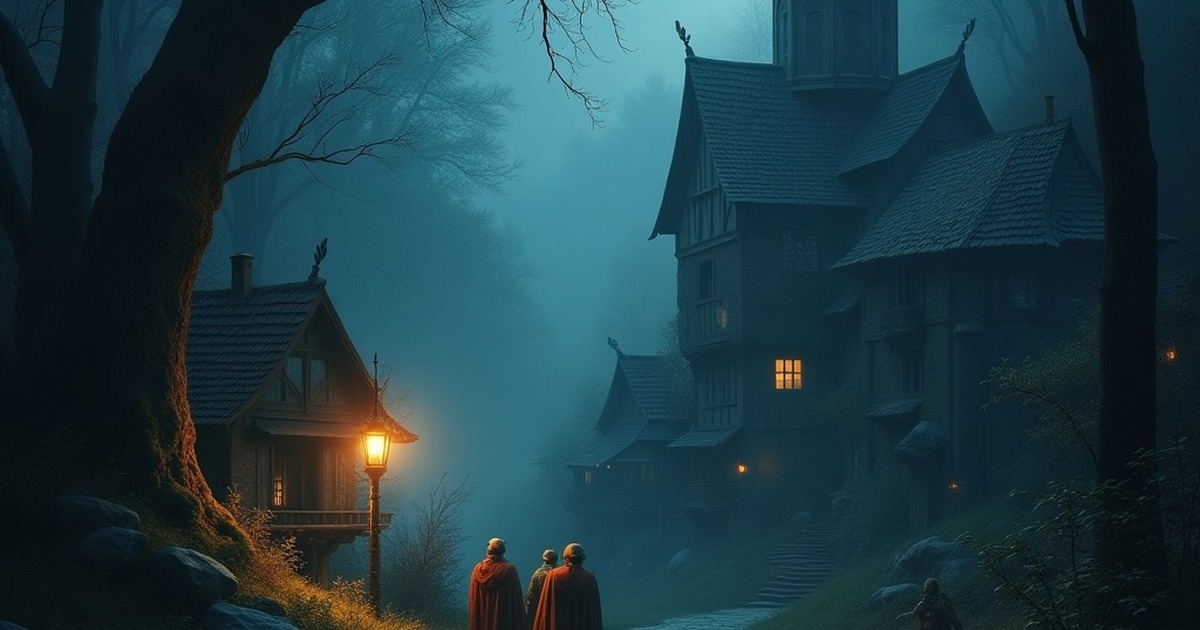
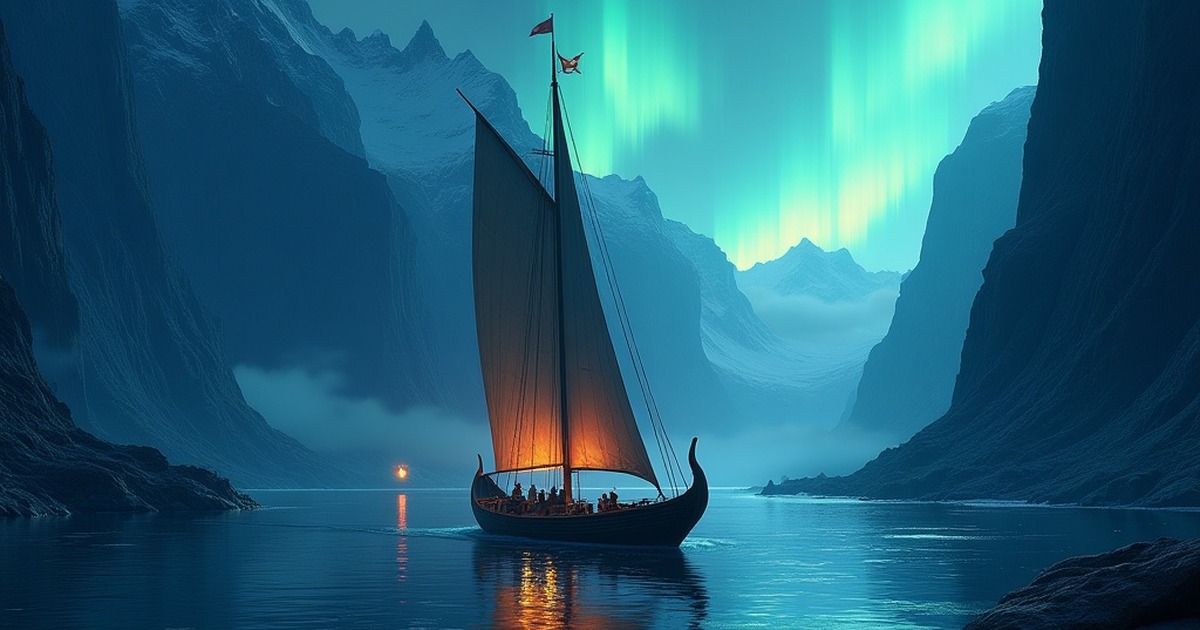
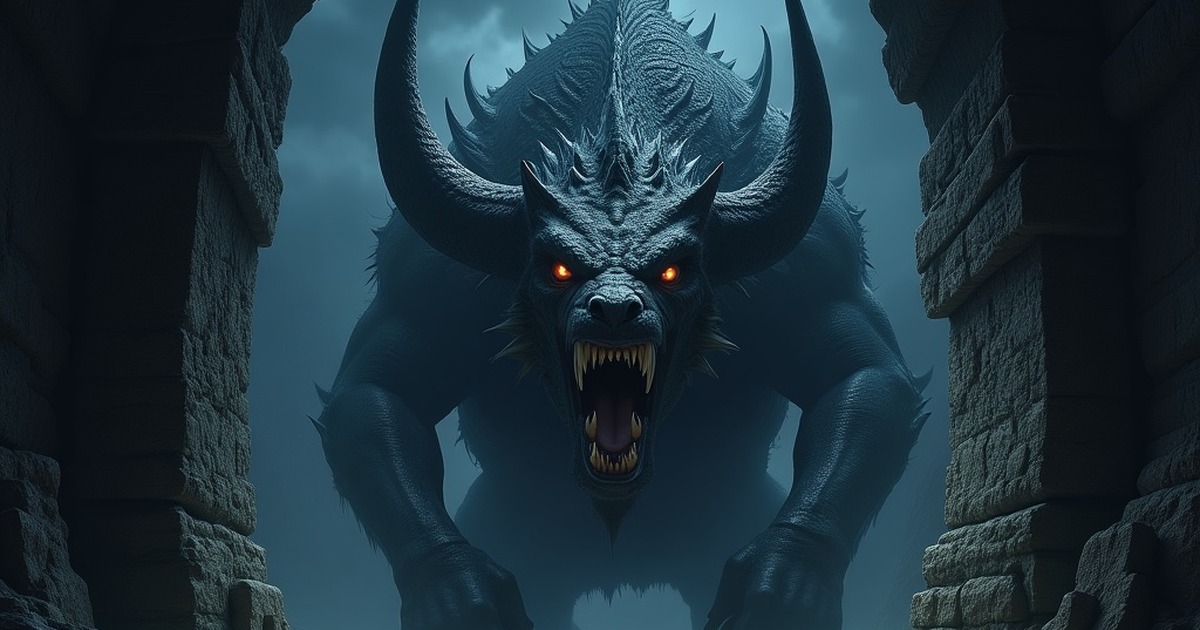
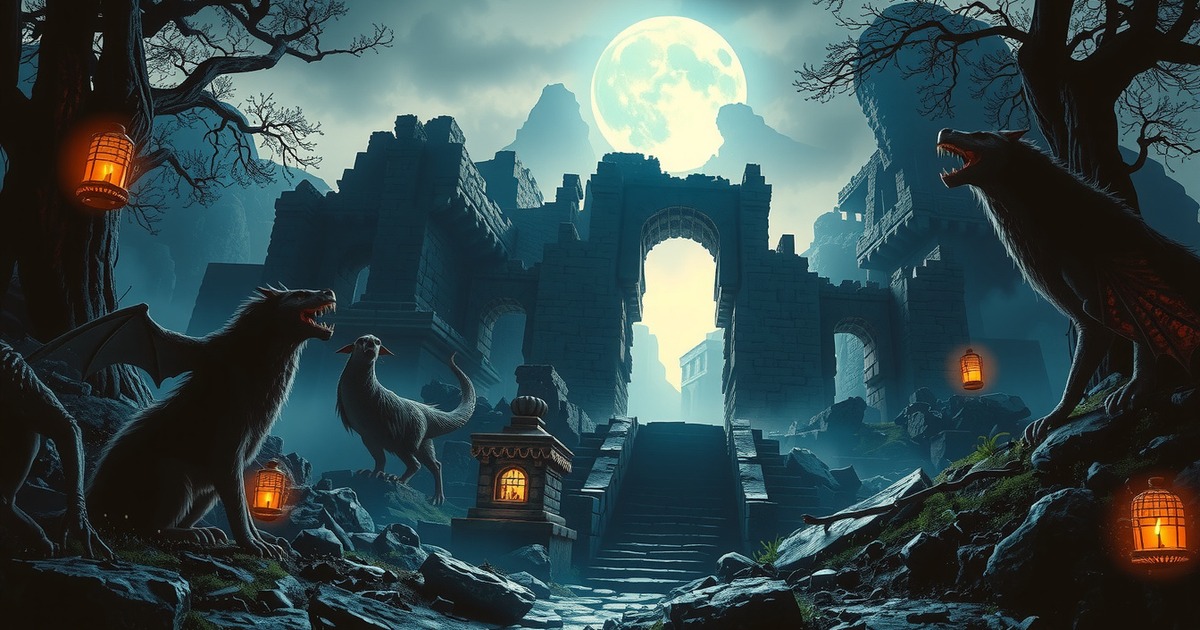
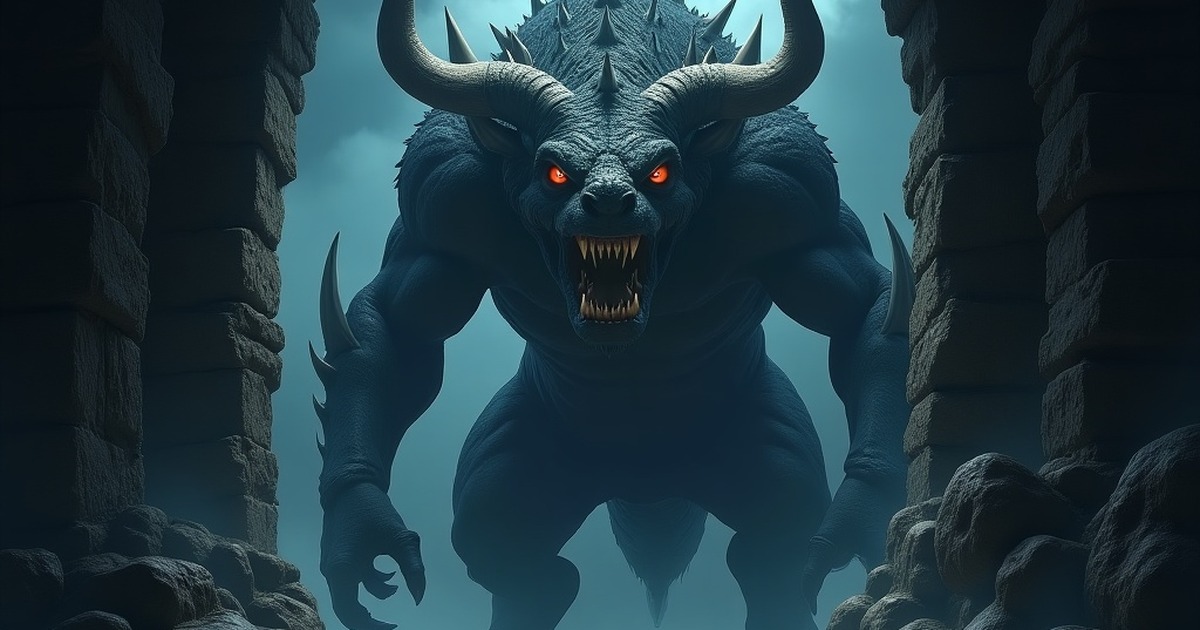
From the mist-shrouded hills of Ireland to the ancient forests of Wales, Celtic mythology teems with extraordinary creatures that have captivated imaginations for millennia. These legendary beings, born from the rich oral traditions of the Celtic peoples, continue to influence modern fantasy literature and popular culture today.
This post contains affiliate links. If you purchase through these links, we may earn a commission at no extra cost to you.
The complex mixes of Celtic lore reveal connections between ancient manuscript sources and living folk traditions. These mythologies served not merely as entertainment, but as sophisticated systems for understanding the natural world, human psychology, and the thin boundaries between life and death.
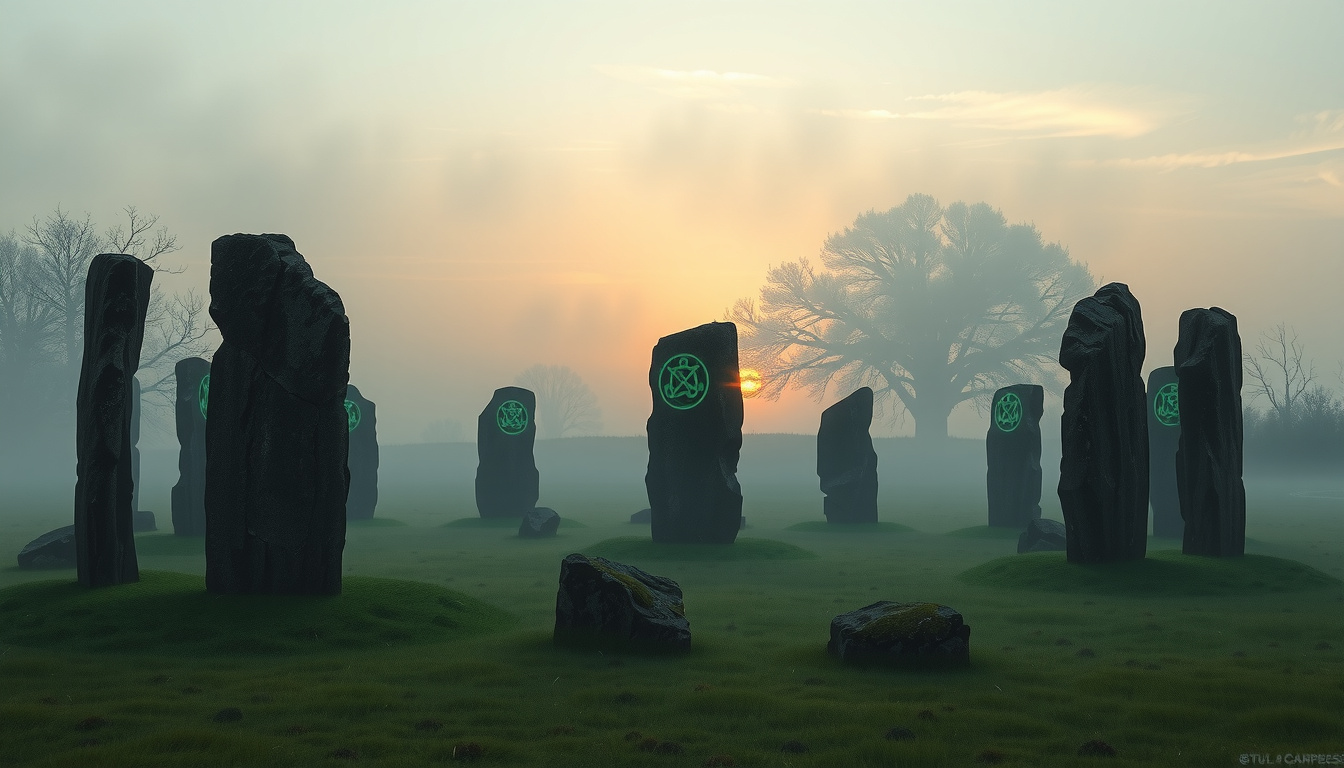
Origins and Cultural Context
Celtic mythology emerged from the Iron Age cultures that flourished across Europe from approximately 800 BCE to 400 CE. The Celts occupied vast territories stretching from Ireland and Britain to Galatia in modern Turkey, creating a diverse yet interconnected mythological tradition.
The earliest written records come from medieval Irish and Welsh manuscripts:
- Book of Invasions (Lebor Gabála Érenn)
- The Mabinogion
- Various manuscripts compiled between the 6th and 12th centuries
Christian monks preserved oral traditions that were already ancient when first recorded. The monks often christianized pagan elements, transforming gods into saints or heroes, yet the essential mythic structures remained intact.
The Celtic Worldview
Celtic societies viewed reality as multilayered. The physical world existed alongside the Otherworld (known as Sídhe in Irish tradition), with permeable boundaries that spirits and humans could cross under specific circumstances.
The four major seasonal festivals marked crucial moments when the veil between worlds grew thin:
- Samhain – October 31/November 1
- Imbolc – February 1/2
- Beltane – May 1
- Lughnasadh – August 1
During these liminal periods, supernatural encounters became more likely, and many famous mythological events supposedly occurred during these times.
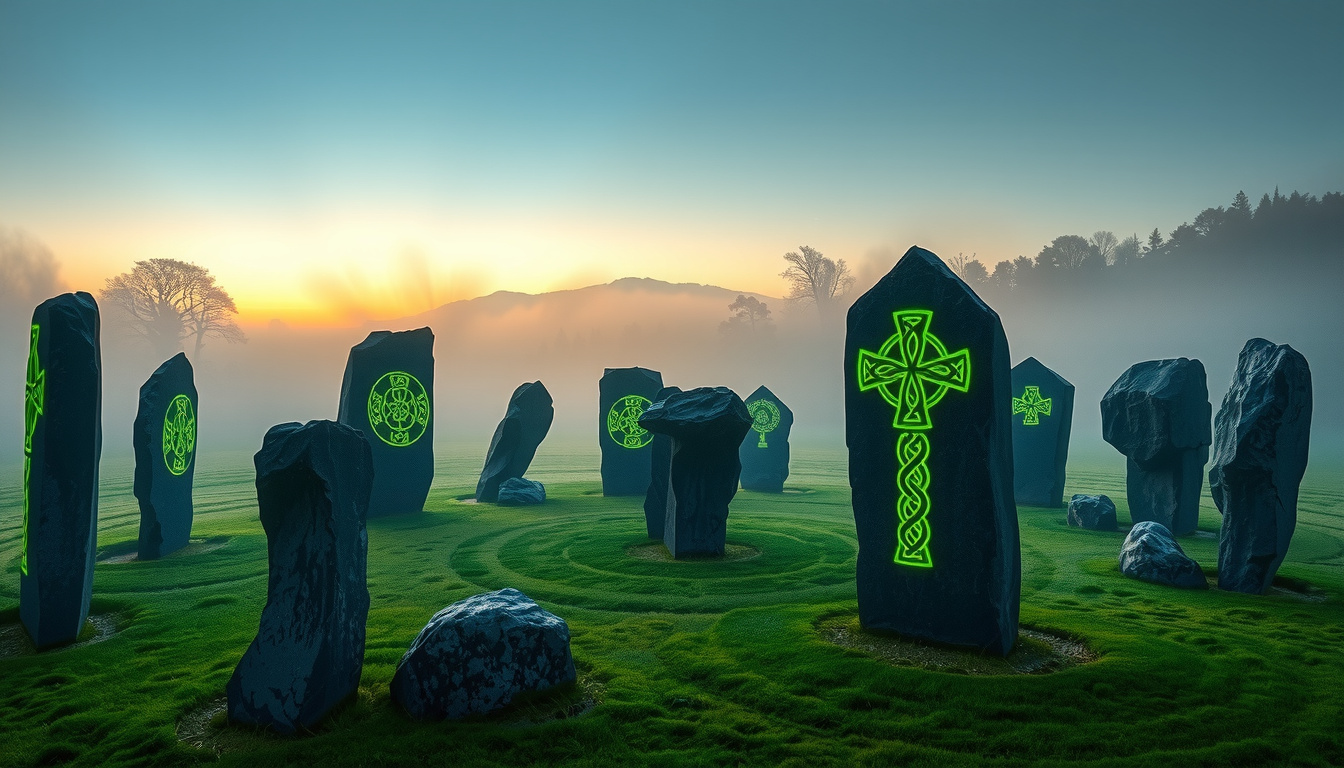
Supernatural Beings of the Otherworld
The Tuatha Dé Danann
The Tuatha Dé Danann represent the most prestigious supernatural beings in Irish mythology. Originally portrayed as gods, later traditions transformed them into the noble fairy folk dwelling in the síd-mounds scattered across Ireland. When the mortal Milesians conquered Ireland, the Tuatha Dé Danann retreated underground, becoming the primary inhabitants of the Otherworld.
Brigid stands among the most complex figures in this pantheon. As a triple goddess associated with poetry, smithcraft, and healing, she bridged the transition from paganism to Christianity more successfully than most Celtic deities. The historical Saint Brigid of Kildare inherited many of her attributes, including her feast day of February 1st.
The Morrígan, often described as a trio of war goddesses, embodies the Celtic fascination with fate and battlefield prophecy. She appears frequently in the Ulster Cycle, most notably in her complex relationship with the hero Cú Chulainn. Her ability to shapeshift into crows and ravens reflects the Celtic association between corvids and supernatural knowledge.
Lugh, the many-skilled god, gave his name to the harvest festival of Lughnasadh. His pan-Celtic worship is evidenced by place names across Europe:
- Lyon (Lugdunum) in France
- Leiden in the Netherlands
- Various other European locations
Welsh tradition knows him as Lleu Llaw Gyffes, whose story in the Fourth Branch of the Mabinogi provides a top haunting examples of Celtic narrative artistry.
Manannan mac Lir rules the sea and serves as a psychopomp, guiding souls between worlds. His magical possessions include:
- A boat that obeys his thoughts
- Pigs that renew themselves daily
- A cloak of invisibility
The Isle of Man bears his name, and local folklore there preserves traditions of his continued presence.
Shape-Shifting Creatures and Transformations
Celtic mythology creatures and legends demonstrate an almost obsessive fascination with transformation and fluid identity. Shape-shifting appears not as mere magical trickery, but as a fundamental aspect of existence itself.
The Púca (Pooka)
The púca ranks among Ireland's most notorious shapeshifters. Typically appearing as a black horse, goat, or hare, the púca can be benevolent or malicious depending on circumstances and the character of those it encounters.
In County Kerry, locals still speak of púca sightings, particularly around November 1st, when these creatures supposedly emerge to collect any remaining blackberries (which become poisonous after this date).
Welsh tradition features the similar pwca, which shares the púca's mischievous nature but tends toward more playful pranks. The pwca of Porth-yr-Ogof cave in the Swansea Valley was said to lead travelers astray but would eventually guide them home if they showed proper respect.
Selkies
Selkies populate the coastal mythologies of Ireland, Scotland, and the Faroe Islands. These seal-people live as seals in the ocean but can shed their skins to walk on land as humans. The tragic stories typically involve:
- Human men stealing and hiding a selkie woman's skin
- Forced marriage while the skin remains hidden
- The selkie's eventual recovery of her seal-skin
- Her return to the sea, leaving behind children who carry the call of the ocean
The selkie legends encode real cultural memories of contact between agricultural Celtic communities and maritime peoples. The genetic legacy of these encounters persists in coastal populations that show higher frequencies of certain genetic markers associated with maritime adaptation.
Other Shapeshifters
Bean-tighe (house-fairies) could assume various forms while serving specific households. Unlike the more chaotic shapeshifters, these beings maintained stable relationships with human families, often for generations. They required:
- A daily portion of food
- Clean living spaces
- Respectful acknowledgment
The fear dearg (red man) of Irish tradition exemplifies the trickster shapeshifter. Appearing as an elderly man in red clothing, he tests human character through elaborate practical jokes. you who respond with good humor and generosity receive rewards, while the cruel or miserly face ongoing harassment.
Monstrous Beings and Dark Entities
Celtic mythology doesn't shy away from genuinely terrifying creatures that embody primal fears of death, madness, and the unknown.
The Banshee
The banshee (bean sidhe, woman of the fairy mound) serves as herald of death for certain Irish families, particularly those with ancient Gaelic lineages. Her keening cry, heard at night, announces an impending death within the family.
Traditional descriptions vary:
- Sometimes a beautiful woman in white
- Other times a haggard crone in gray
- The O'Brien clan banshee appears as a young woman washing bloody clothes in a stream
Research into banshee accounts has revealed consistent patterns across centuries of reports. The phenomenon seems most active during times of war or epidemic, suggesting possible connections to heightened community anxiety and the psychological effects of grief anticipation.
The Dullahan
The dullahan represents one of Celtic mythology's most purely terrifying figures. This headless horseman:
- Carries his head under his arm
- Rides a black horse whose hooves never touch the ground
- Causes instant death when he stops riding
- Cannot be impeded by any lock or barrier
you foolish enough to spy on him receives a face-full of blood or loses an eye.
Other Dark Entities
Redcaps haunt the borderlands between Scotland and England, dwelling in ruined castles and towers. These malevolent goblins must regularly kill humans to keep their caps soaked with fresh blood. Despite their small stature, they possess superhuman strength and can run faster than horses.
The cat sìth of Scottish Highlands appears as a large black cat with a white patch on its chest, standing upright on its hind legs. This fairy creature steals the souls of the recently deceased, which led to the Highland tradition of watching over corpses with games, riddles, and music.
Fear dubh (the dark man) personifies depression and despair in Irish folklore. He appears as a shadow or dark figure that follows individuals, gradually draining their joy and will to live. This entity represents early understanding of what we now recognize as clinical depression.
Heroic Figures and Legendary Warriors
Celtic heroic literature presents complex characters whose adventures explain cultural values while exploring universal themes of honor, love, fate, and mortality.
Cú Chulainn
Cú Chulainn stands as the preeminent hero of the Ulster Cycle. Born as Sétanta, he earned his name (Hound of Culann) after killing the smith Culann's guard dog and offering to serve as replacement until a new hound could be trained.
His most famous exploit, the Táin Bó Cúailnge (Cattle Raid of Cooley), sees him single-handedly defending Ulster against the forces of Queen Medb of Connacht.
The hero's ríastrad (warp-spasm) transforms him into a terrifying battle-fury:
- His body contorts impossibly
- His hair stands on end with sparks
- A “hero-light” blazes from his forehead
This supernatural battle-rage grants incredible power but also isolates him from normal human society.
Finn mac Cumhaill and the Fianna
Finn mac Cumhaill leads the Fianna, an elite band of warriors serving the High Kings of Ireland. The Fenian Cycle recounts their adventures across Ireland's field, with many stories explaining the origins of geographic features.
Finn's wisdom comes from accidentally tasting the Salmon of Knowledge while serving the poet Finnegas. This single taste granted him supernatural insight, activated whenever he sucked his thumb.
The Fianna's Standards:
Candidates underwent rigorous testing, including:
- Defending themselves in a pit with only a shield and hazel stick while nine warriors threw spears
- Running through a forest pursued by the full Fianna without being caught
- Maintaining perfect grooming (not disturbing a single branch of their braided hair)
Welsh Heroes
Deirdre of the Sorrows embodies the tragic heroine archetype in Irish literature. Prophecy declared that her beauty would bring destruction to Ulster, leading King Conchobar to imprison her from birth. Her escape with Naoise and his brothers to Scotland, their eventual betrayal and death, and her own suicide comprise one of Celtic literature's most emotionally powerful narratives.
Welsh tradition preserves the adventures of the Mabinogi heroes, including Pwyll, Rhiannon, and their son Pryderi. The Four Branches of the Mabinogi present a sophisticated narrative cycle exploring themes of sovereignty, justice, and relationships between mortal and supernatural areas.
Culhwch and Olwen tells the earliest Arthurian tale in Welsh literature, predating French Arthurian romances by centuries. Arthur appears not as the later medieval king but as a warrior-chieftain commanding heroes with supernatural abilities.
Sacred Animals and Totemic Creatures
Celtic cultures viewed certain animals as sacred messengers, totemic guides, or divine beings in animal form. These creatures bridged the natural and supernatural worlds, serving as intermediaries between human and divine areas.
Birds of Prophecy
Ravens and crows held special significance as birds of prophecy and war. The Morrígan frequently appeared in corvid form, and Celtic warriors interpreted their behavior before battles. Ravens who lingered near armies foretold victory for the side they favored. This association persists in the Tower of London tradition that Britain will fall if the ravens ever leave.
Swans frequently represented transformed humans or supernatural beings taking animal form. The Children of Lir, transformed into swans by their jealous stepmother, retained their human voices and sang with heartbreaking beauty throughout their 900-year curse.
White Animals
White animals possessed particularly strong supernatural associations:
- White stags often led hunters into the Otherworld or marked the beginning of supernatural adventures
- The white boar Orc Triath terrorized Ireland until Finn mac Cumhaill finally killed it
- White horses carried divine riders or served as harbingers of significant events
Creatures of Wisdom
Salmon embodied wisdom and knowledge in Celtic tradition. The Salmon of Knowledge lived in the well of Segais and ate the nuts of wisdom that fell from surrounding hazel trees. This motif appears across Celtic mythology creatures and legends, from Finn's acquisition of wisdom to the Welsh tale of Taliesin.
Bears commanded respect as symbols of sovereignty and warrior strength. The name Arthur derives from the Celtic word for bear (artos), linking the legendary king to this powerful animal's attributes.
Serpents and Dragons
Serpents and dragons represented both wisdom and chaos in Celtic mythology. The Irish tradition that Saint Patrick banished all snakes from Ireland likely refers to the suppression of pagan serpent-cults rather than literal reptiles. Welsh tradition features numerous dragons, including the red dragon that became Wales's national symbol.
Cattle
Cattle held central importance in Celtic society, serving as measures of wealth and status. The greatest epic of Irish literature, the Táin Bó Cúailnge, centers on a cattle raid. The brown bull of Cooley and the white bull of Connacht represent supernatural forces as much as valuable livestock.
Modern Influence and Cultural Legacy
Celtic mythology's influence on contemporary culture extends far beyond academic interest, permeating literature, film, music, and spiritual practices worldwide.
Literature and Fantasy
J.R.R. Tolkien drew widely from Celtic sources in creating Middle-earth:
- The Elves' departure parallels the Tuatha Dé Danann's retreat to the Otherworld
- The Silmarils echo Celtic magical jewels
- Objects carrying accumulated history reflects Celtic beliefs about spiritual properties of artifacts
Modern fantasy literature continues mining Celtic mythology for inspiration:
- Patricia Briggs's Mercy Thompson series features fae characters drawn directly from Celtic sources
- Charles de Lint's urban fantasy works transplant Celtic supernatural beings into contemporary settings
- Numerous authors explore how ancient mythologies adapt to modern environments
Cultural Diaspora
The Irish and Scottish diaspora carried Celtic mythological traditions worldwide. In Appalachian folklore:
- The banshee became the “woman in white”
- Selkie stories transformed into tales of mysterious women near rivers and lakes
These adaptations demonstrate mythology's capacity for cultural translation while maintaining essential narrative structures.
Contemporary Spiritual Movements
Neo-pagan and Wiccan movements have embraced Celtic deities and mythological structures, though often with significant reinterpretation. Brigid worship has experienced particular revival, with her fire tended continuously at Kildare since 1993.
Music and Performance
Celtic music underwent a renaissance in the late 20th century:
- Artists like Clannad, Loreena McKennitt, and Blackbriar incorporate mythological themes
- “Riverdance” and similar productions brought Celtic cultural expression to global audiences
- These successes created renewed interest in mythological traditions underlying artistic forms
Digital Media
Video games increasingly feature Celtic mythological elements:
- “Hellblade: Senua's Sacrifice” explores mental illness through mythological structures
- “The Witcher” series incorporates numerous Celtic creatures
- Interactive media introduces younger audiences to traditional folklore
Academic and Digital Preservation
Celtic studies has experienced growth in recent decades:
- Universities establishing dedicated programs and research centers
- Digital humanities projects preserve and make accessible manuscript sources
- The Irish Script on Screen project provides online access to thousands of pages of medieval Irish manuscripts
Political and Cultural Identity
The political aspects of Celtic mythology remain relevant in contemporary discussions of national identity and cultural sovereignty. Irish, Scottish, and Welsh nationalist movements have drawn on mythological traditions to articulate visions of cultural distinctiveness and political autonomy.
Conclusion
Celtic mythology creatures and legends continue offering insights into the relationship between human communities and the natural world, the nature of heroism and sacrifice, and the persistent human need to find meaning in the face of mortality.
The creatures and legends explored in this guide represent only a portion of Celtic mythology's vast imaginative field. Each tradition-Irish, Scottish, Welsh, Cornish, Breton, and Manx-preserves unique elements while participating in broader Celtic cultural patterns.
Together, they constitute one of the world's most influential mythological traditions, continuing to inspire and inform human imagination centuries after their original cultural contexts have transformed. These ancient stories endure because they address fundamental human experiences through richly imagined supernatural narratives that remain as powerful today as they were millennia ago.