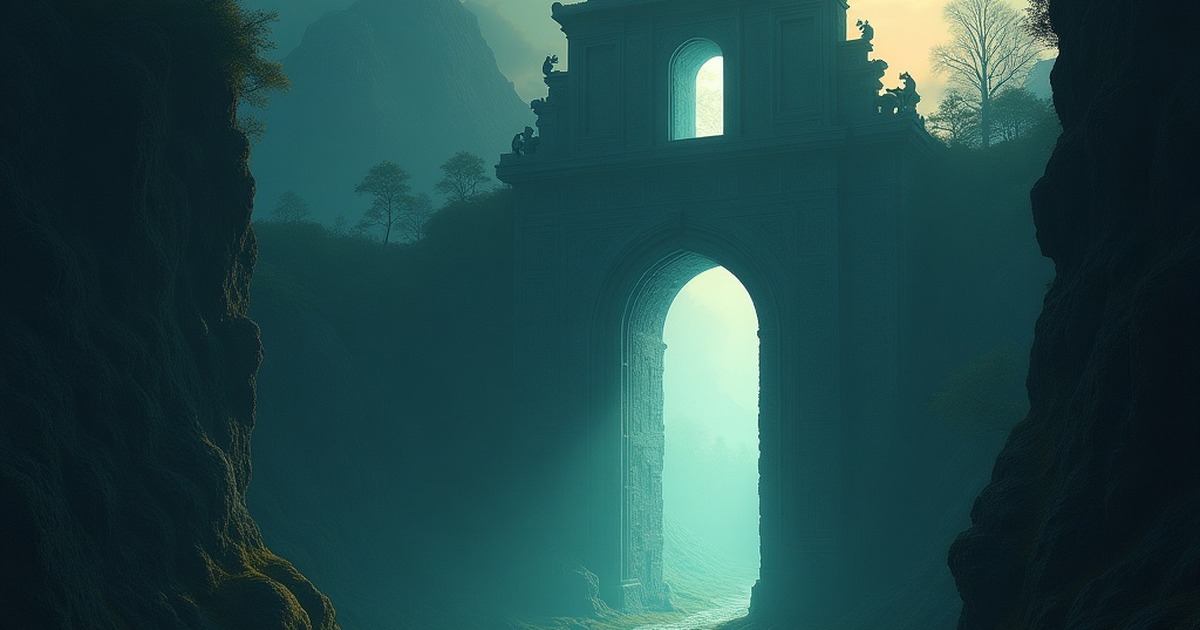
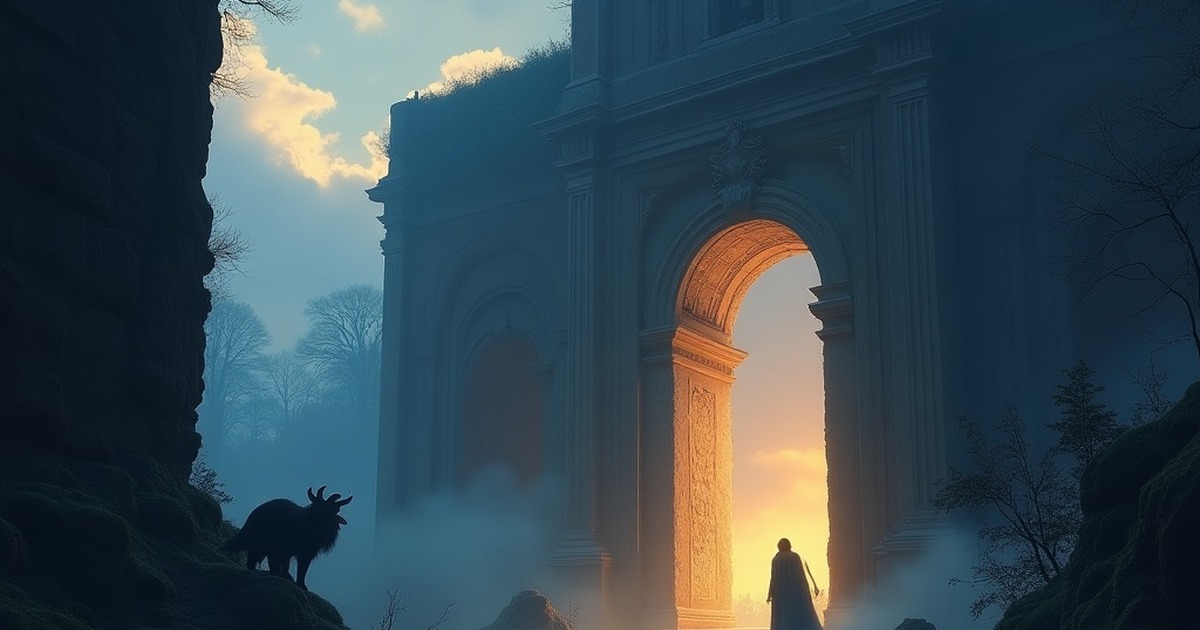
In the deep pools of New Zealand's rivers, in ocean caves along rocky coastlines, and within the dark waters of sacred lakes, the Taniwha dwells. These powerful supernatural beings of Maori mythology are far more than simple monsters—they are guardians, ancestors, protectors, and sometimes terrible threats. The Taniwha (pronounced “TAH-nee-fah”) represents one of the most complex and culturally significant entities in Polynesian mythology, a creature whose influence extends from ancient legend into modern New Zealand society.
Quick Facts About Taniwha
| Origin | Maori (New Zealand) mythology |
| Also Known As | Tanifa (in some Pacific cultures) |
| Type | Water guardian / Supernatural being |
| Domain | Rivers, lakes, seas, caves, deep water |
| Classification | Can be kaitiaki (guardian) or dangerous threat |
| Associated With | Water, tribal protection, tapu (sacred prohibition) |
Origins and Cultural Context
The Taniwha emerged from the rich oral traditions of the Maori people, the Polynesian settlers who reached Aotearoa (New Zealand) around 1300 CE. While similar water beings exist throughout Polynesian cultures—suggesting ancient origins—the Taniwha developed unique characteristics in the New Zealand context, shaped by the islands' distinctive waterways and the spiritual relationship Maori developed with their new home.
In Maori worldview, the boundary between the physical and spiritual realms is permeable. Taniwha exist in both simultaneously, material enough to affect the physical world yet fundamentally supernatural in nature. They are not animals to be hunted or demons to be exorcised but powerful beings to be respected, negotiated with, and in some cases, claimed as ancestors.
Many iwi (tribes) trace their whakapapa (genealogy) to specific Taniwha, claiming these beings as supernatural ancestors who guided their people to New Zealand during the great migration or protected them in their new homeland. These genealogical connections transform Taniwha from mere creatures into relatives—powerful, dangerous relatives, but family nonetheless.
Physical Appearance: Forms of the Water Guardian
Unlike many mythological creatures with fixed appearances, Taniwha are described in varying forms. This diversity reflects both regional traditions and the shapeshifting abilities attributed to many Taniwha:
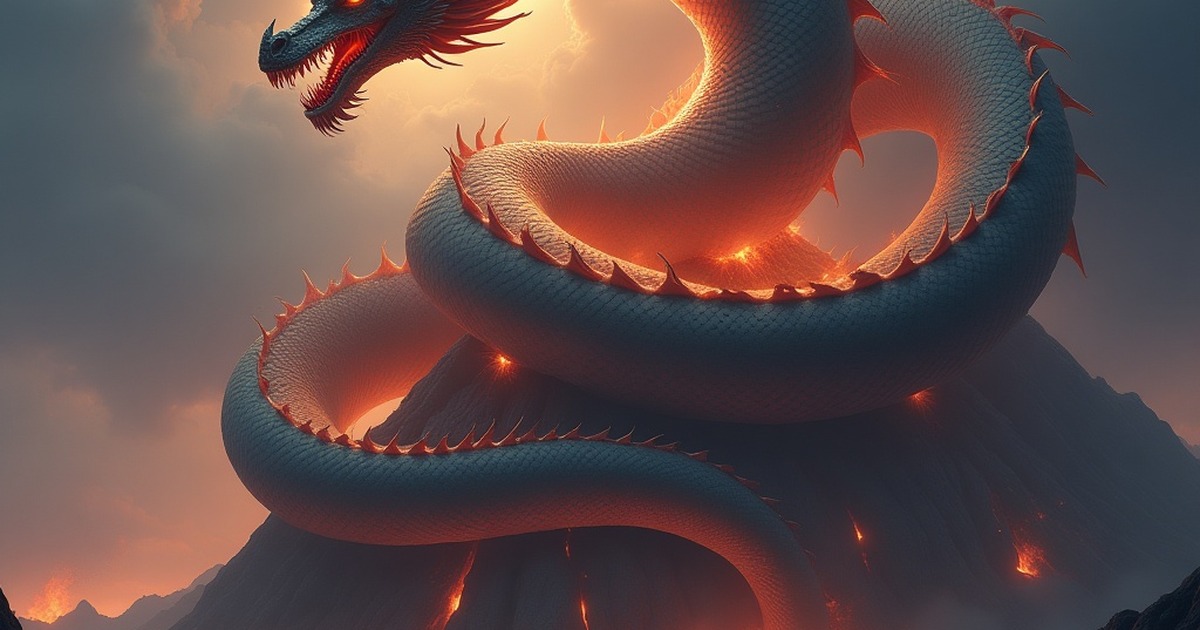
Reptilian Form: Many Taniwha are described as enormous lizards or reptiles, sometimes resembling the tuatara (a reptile unique to New Zealand) but vastly larger. This form often features scales, powerful tails, and clawed limbs.
Whale or Fish Form: Some Taniwha appear as great sea creatures—massive whales, sharks, or fish-like beings. The legendary Taniwha who guided the Tainui canoe to New Zealand reportedly took this form.
Log Form: Several traditions describe Taniwha that appear as floating logs, only revealing their true nature when approached. This deceptive appearance served as a warning against carelessness near water.
Human Form: Powerful Taniwha could reportedly assume human shape, walking among people undetected. Some married humans and produced children who inherited supernatural abilities.
Combination Forms: Traditional carvings often depict Taniwha with mixed features—the body of a whale, the head of a bird, the tail of a fish—representing their otherworldly nature through impossible anatomy.
Types of Taniwha
Maori tradition recognizes different categories of Taniwha based on their behavior and relationship with humans:
Kaitiaki (Guardian Taniwha): These protective beings watch over specific locations, waterways, or tribal groups. They warn of danger, guide travelers through treacherous waters, and protect their people from harm. Many tribes maintain ongoing relationships with their kaitiaki Taniwha through rituals and acknowledgment.
Taurua (Dangerous Taniwha): These aggressive beings attack humans who enter their territory, capsize waka (canoes), and drag victims to underwater deaths. They may punish those who violate tapu (sacred prohibitions) or simply act on predatory instinct.
Tupua (Supernatural Taniwha): These beings blur the line between Taniwha and deity, possessing powers that exceed normal Taniwha. They may control weather, cause earthquakes, or influence events across vast distances.
Famous Taniwha in Maori Tradition
Several named Taniwha feature prominently in Maori oral history:
Araiteuru: A female Taniwha who helped guide the Arai Te Uru canoe to the South Island. She and her companion Taniwha became landmarks when turned to stone—now known as the Moeraki Boulders, they remain as evidence of her presence.
Ureia: A guardian Taniwha associated with the Waikato region, Ureia protected the people and ensured safe passage on the great Waikato River. Described as having scales like a lizard but the shape of a whale, Ureia represented the protective aspect of Taniwha power.
Hotu-puku: A man-eating Taniwha of the Rotorua region who terrorized local people until heroes tracked it to its lair and destroyed it. The story illustrates that even Taniwha could be defeated when they violated the boundary between guardian and predator.
Kaiwhare: The guardian Taniwha of the Manukau Harbour near Auckland, Kaiwhare is said to still protect the waters and those who travel upon them. Modern Maori continue to acknowledge this Taniwha when crossing the harbor.
Powers and Abilities
Taniwha possess supernatural abilities that make them formidable beings:
- Water Control: Taniwha can create whirlpools, summon floods, calm or stir waters, and control currents. Their movements through water are said to carve channels and reshape landscapes.
- Weather Influence: Some Taniwha can summon storms, particularly over water. Changes in weather might signal a Taniwha's displeasure or presence.
- Shapeshifting: Many Taniwha can change their form, appearing as logs, rocks, whales, or even humans depending on their purpose.
- Precognition: Guardian Taniwha often warn their people of coming danger through signs, dreams, or direct appearance.
- Physical Power: Taniwha possess enormous strength, capable of capsizing the largest canoes, dragging grown men underwater, or reshaping the land itself.
- Immortality: While Taniwha can be killed (as the Hotu-puku story shows), they are generally immortal, persisting through centuries as guardians of their domains.
Taniwha and Landscape
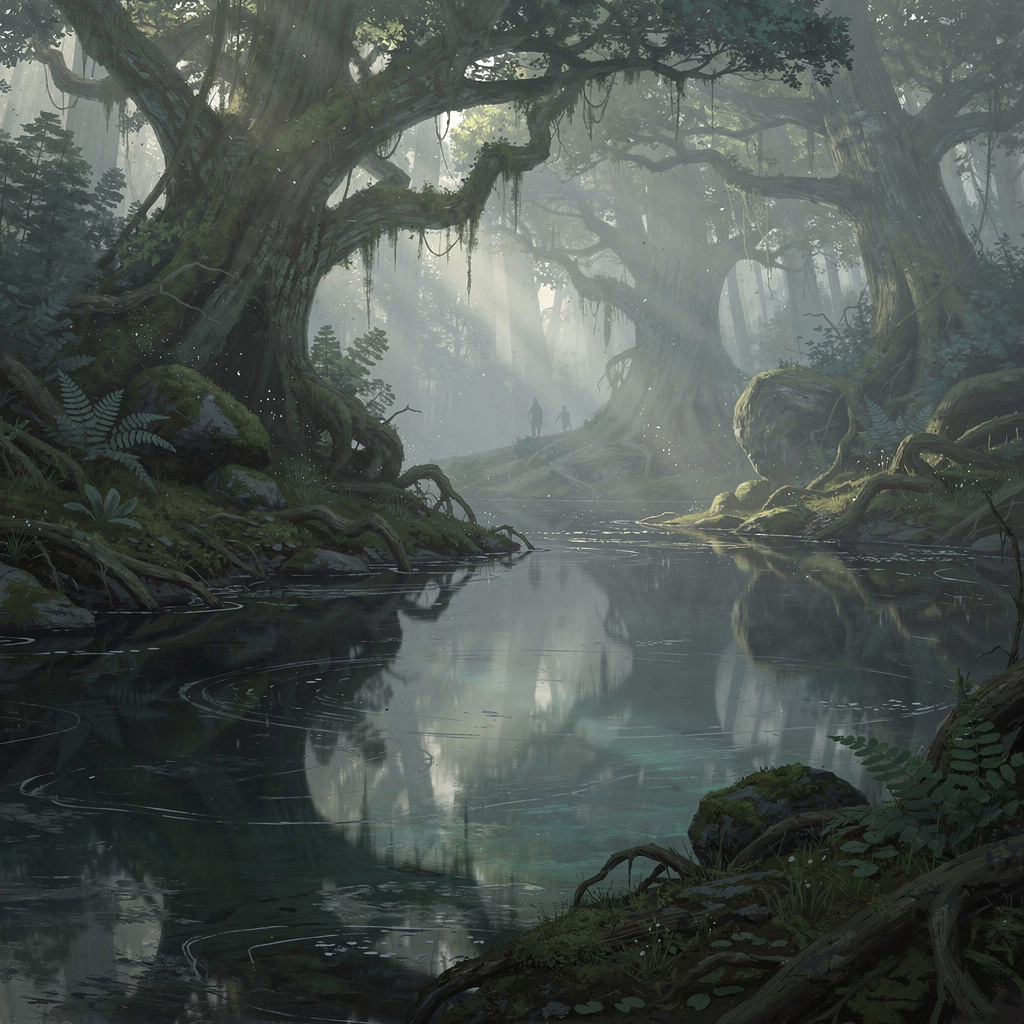
Many New Zealand geographic features are attributed to Taniwha activity. This connection between mythology and landscape serves important cultural functions:
Rivers are said to follow paths carved by traveling Taniwha. Caves mark their resting places. Unusual rock formations represent Taniwha turned to stone. Springs emerge where Taniwha struck the ground. This mythology creates a deeply meaningful landscape where every significant feature tells a story and every waterway has a guardian.
The Wellington region provides a striking example: the harbor's shape is attributed to two Taniwha, Ngake and Whataitai, who were trapped in a lake and broke through to the sea. The geographical features they created—harbors, islands, and coastlines—remain as permanent evidence of their ancient journey.
Taniwha in Modern New Zealand
Unlike many mythological beings relegated to ancient stories, Taniwha remain culturally active in contemporary New Zealand. Several notable cases have brought Taniwha into public discourse:
Resource Consent Issues: Development projects near waterways sometimes face objections based on Taniwha presence. Maori iwi have raised concerns about disturbing Taniwha habitats, leading to negotiations, project modifications, or legal disputes.
The Ngawha Springs Highway: In 2002, plans for a highway near Ngawha Springs in Northland faced opposition because the route would pass through the domain of a local Taniwha. The controversy sparked national debate about balancing infrastructure needs with cultural beliefs.
Environmental Protection: Taniwha beliefs have been incorporated into environmental management plans for some waterways, recognizing both the cultural significance of these beings and the practical benefits of treating waterways as sacred spaces requiring protection.
Sightings: Reports of Taniwha sightings continue to emerge periodically, particularly from rural and coastal areas. While skeptics attribute these to misidentified animals or hoaxes, many Maori consider such reports evidence of continuing supernatural presence.
Cultural Significance
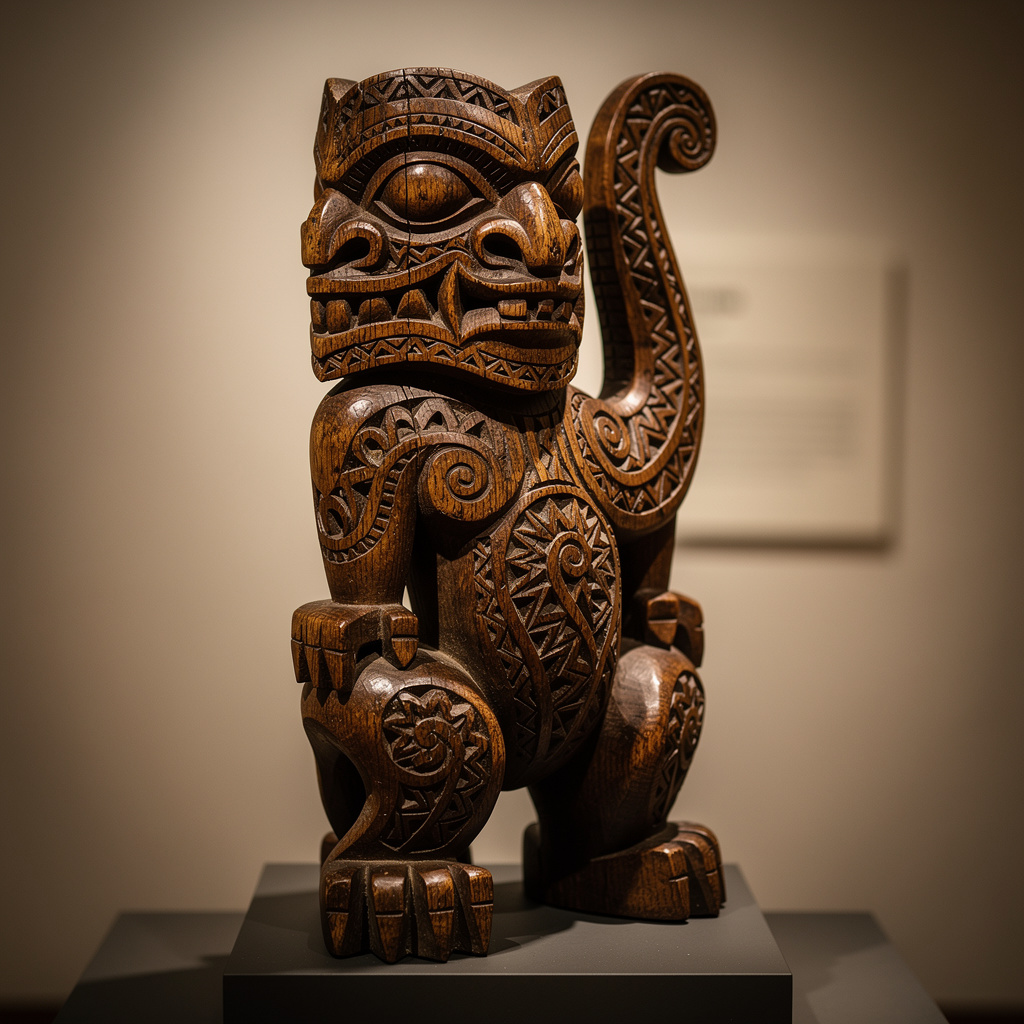
Taniwha serve multiple functions within Maori culture:
Water Safety Teaching: Stories of dangerous Taniwha taught children to respect water—not to swim in unknown places, to be cautious around deep pools, and to understand that water can kill. The Taniwha provided a memorable framework for these essential survival lessons.
Territorial Markers: Taniwha associated with specific locations reinforced tribal territories and rights. A tribe's relationship with a local Taniwha demonstrated their connection to the land and their responsibility for its guardianship.
Environmental Stewardship: The concept of Taniwha as waterway guardians promotes respect for aquatic environments. Polluting or degrading a river doesn't just harm nature—it insults the Taniwha who dwells there, with potentially supernatural consequences.
Identity and Whakapapa: For tribes claiming Taniwha ancestry, these beings represent unique heritage—a connection to supernatural power that distinguishes their lineage and demonstrates their ancient relationship with the land.
Taniwha Compared to Other Water Beings
| Creature | Culture | Key Difference |
|---|---|---|
| Taniwha | Maori | Can be guardian or threat, tribal ancestors |
| Kelpie | Scottish | Primarily malevolent, horse form, freshwater |
| Naga | Hindu/Buddhist | Serpent form, associated with fertility, divine |
| Sea Serpent | Various | Usually purely animal, oceanic, no guardian role |
| Dragon | Chinese | Divine beings, weather control, benevolent |
| Bunyip | Aboriginal Australian | Malevolent, no guardian aspect, billabong dweller |
Frequently Asked Questions About Taniwha
Are Taniwha good or evil?
Taniwha are neither inherently good nor evil—they exist beyond human moral categories. Some act as protective guardians (kaitiaki), while others are dangerous threats. Many can be either, depending on how humans treat them and their domain. Respect and proper protocols generally ensure safety; disrespect invites disaster.
Do Maori still believe in Taniwha?
Many Maori maintain belief in Taniwha as part of their living cultural tradition. While interpretations vary—from literal supernatural beings to metaphorical representations of environmental forces—Taniwha remain culturally significant. Their presence influences everything from environmental policy to personal behavior near waterways.
What's the difference between a Taniwha and a dragon?
While sometimes translated as “dragon,” Taniwha differ significantly from European or Asian dragons. They're primarily water-dwelling rather than aerial, can take various forms (not just reptilian), serve as tribal ancestors and guardians, and exist within a specific Polynesian spiritual framework rather than a general monster category.
Can Taniwha be killed?
Traditional stories describe heroes killing dangerous Taniwha, usually through clever traps, blessed weapons, or exploiting the creature's weaknesses. However, guardian Taniwha are generally immortal, and killing one would be both practically difficult and spiritually catastrophic for the people they protected.
How do you protect yourself from a Taniwha?
Traditional protections include observing proper protocols when entering water (such as offering karakia/prayers), respecting tapu (sacred restrictions) on certain waterways, traveling with appropriate spiritual protection, and maintaining good relationships with local iwi who understand their Taniwha's requirements.
Guardians of the Deep Waters
The Taniwha represents something profound in Maori spirituality—the recognition that the natural world contains powers beyond human understanding, powers that demand respect rather than conquest. In an age of environmental crisis, where rivers are polluted, lakes are drained, and waterways are treated as resources to be exploited, the concept of Taniwha offers a different perspective: waters have guardians, and those guardians remember how they've been treated.
Whether one believes in Taniwha as literal supernatural beings or honors them as cultural symbols, their continuing presence in New Zealand society demonstrates the power of mythology to shape relationships with the natural world. The deep pools still have their guardians. The question is whether we choose to acknowledge them.
Sources and Further Reading
- Best, Elsdon. “Maori Religion and Mythology.” Te Papa Press, 2005 (reprint).
- Orbell, Margaret. “The Illustrated Encyclopedia of Maori Myth and Legend.” Canterbury University Press, 1995.
- Reed, A.W. “Maori Myth: The Supernatural World of the Maori.” Reed Publishing, 1999.
- Salmond, Anne. “Hui: A Study of Maori Ceremonial Gatherings.” Reed Books, 2004.
- Te Ara – The Encyclopedia of New Zealand. “Taniwha.” Ministry for Culture and Heritage.