The Great Pyramid of Giza: Engineering Marvel of the Ancient World
Architectural Precision and Mathematical Perfection
The Great Pyramid of Giza stands as testament to the extraordinary engineering capabilities of ancient Egyptian civilization. Built for Pharaoh Khufu around 2580-2560 BCE, this colossal structure demonstrates mathematical precision that continues to astound modern architects and engineers. The pyramid's base alignment with the cardinal directions deviates by less than 3/60th of a degree, achieving an accuracy that rivals contemporary satellite-guided construction.
The mathematical relationships embedded within the Great Pyramid reveal sophisticated understanding of geometric principles. The ratio of the pyramid's perimeter to its height approximates 2π, while the slope angle of 51.8 degrees creates proportions that incorporate the golden ratio. These mathematical constants suggest the ancient Egyptians possessed advanced knowledge of mathematical principles, challenging conventional assumptions about their technological capabilities.
Construction Theories: From Ramps to Alien Intervention
The construction methods employed in building the Egyptian pyramids pharaohs ancient mysteries have sparked countless theories among researchers and enthusiasts. The most widely accepted theory involves sophisticated ramp systems, possibly including straight, zigzag, or spiral configurations that allowed workers to transport massive limestone blocks weighing up to 15 tons each.
Archaeological evidence supports the use of copper tools, wooden levers, and rope technology, demonstrating that ancient builders accomplished this feat through ingenuity rather than supernatural intervention. Workers' villages discovered near the pyramids provide insight into the organized labor force, suggesting seasonal workers supplemented by permanent crews of skilled craftsmen. While alternative theories proposing extraterrestrial assistance capture popular imagination, archaeological evidence consistently supports human achievement through remarkable engineering prowess.
Hidden Chambers and Recent Discoveries
Modern technology continues revealing secrets within the Great Pyramid through non-invasive scanning techniques. In 2017, cosmic-ray imaging detected a previously unknown void above the Grand Gallery, measuring at least 30 meters in length. This discovery, made using muon tomography, demonstrates how 21st-century science enhances our understanding of ancient mysteries.
Recent robotic expeditions through narrow shafts have photographed previously inaccessible areas, revealing hieroglyphic markings and construction details. These investigations support theories about the pyramid's internal chamber system serving multiple functions beyond simple burial purposes. Advanced scanning continues identifying anomalies within the pyramid's structure, suggesting additional chambers or passages await discovery. Such findings fuel ongoing speculation about hidden knowledge or treasures concealed within these ancient monuments.

Pharaohs and Divine Kingship: The Religious Foundation
The Pharaoh's Journey to the Afterlife
The construction of pyramids represented far more than mere burial monuments; they served as eternal machines designed to facilitate the pharaoh's transformation into a divine being in the afterlife. Ancient Egyptian religious beliefs centered on the concept of the pharaoh as a living god, embodying Horus during life and becoming one with Osiris after death. This divine transformation required elaborate preparation and architectural support to ensure successful passage through the dangerous journey of the underworld.
The pyramid shape itself held profound religious significance, representing the primordial mound from which all creation emerged. The pointed apex symbolized the pharaoh's ascension to join the sun god Ra in his eternal journey across the heavens. This solar connection explains why pyramid complexes were oriented toward cardinal directions and incorporated astronomical alignments that reflected the cosmic order central to Egyptian theology.
Pyramid Texts and Ancient Egyptian Beliefs
The Pyramid Texts, discovered inscribed within the burial chambers of later pyramids, represent humanity's earliest known religious literature. These hieroglyphic inscriptions provide invaluable insight into ancient Egyptian beliefs about death, resurrection, and divine transformation. The texts contain spells, prayers, and instructions designed to guide the deceased pharaoh through the perils of the afterlife and ensure successful rebirth among the gods.
These sacred writings reveal the complex theological framework underlying pyramid construction. They describe the pharaoh's journey through the underworld, his encounters with various deities, and the rituals necessary for achieving eternal life. Many scholars studying egyptian pyramids pharaohs ancient mysteries reference comprehensive mythology books that detail these religious concepts and their influence on pyramid design and construction.
Mummification and Burial Practices
The elaborate mummification process reflected Egyptian beliefs about bodily preservation necessary for afterlife survival. This complex procedure, taking up to 70 days to complete, involved removing internal organs, treating the body with natron salt, and wrapping it in linen bandages inscribed with protective spells. The preserved body would then be placed within nested coffins and sarcophagi, creating multiple layers of protection for the eternal journey.
Grave goods accompanying pharaonic burials included everything necessary for maintaining royal status in the afterlife. Golden jewelry, ceremonial weapons, furniture, food offerings, and protective amulets filled pyramid chambers, reflecting beliefs that material possessions would accompany the deceased into eternity. Modern museum collections often feature pyramid-related figurines and artifacts that demonstrate the artistic sophistication and religious devotion invested in these burial preparations.
The Pyramid Complex: More Than Just Tombs
Satellite Pyramids and Queen's Burials
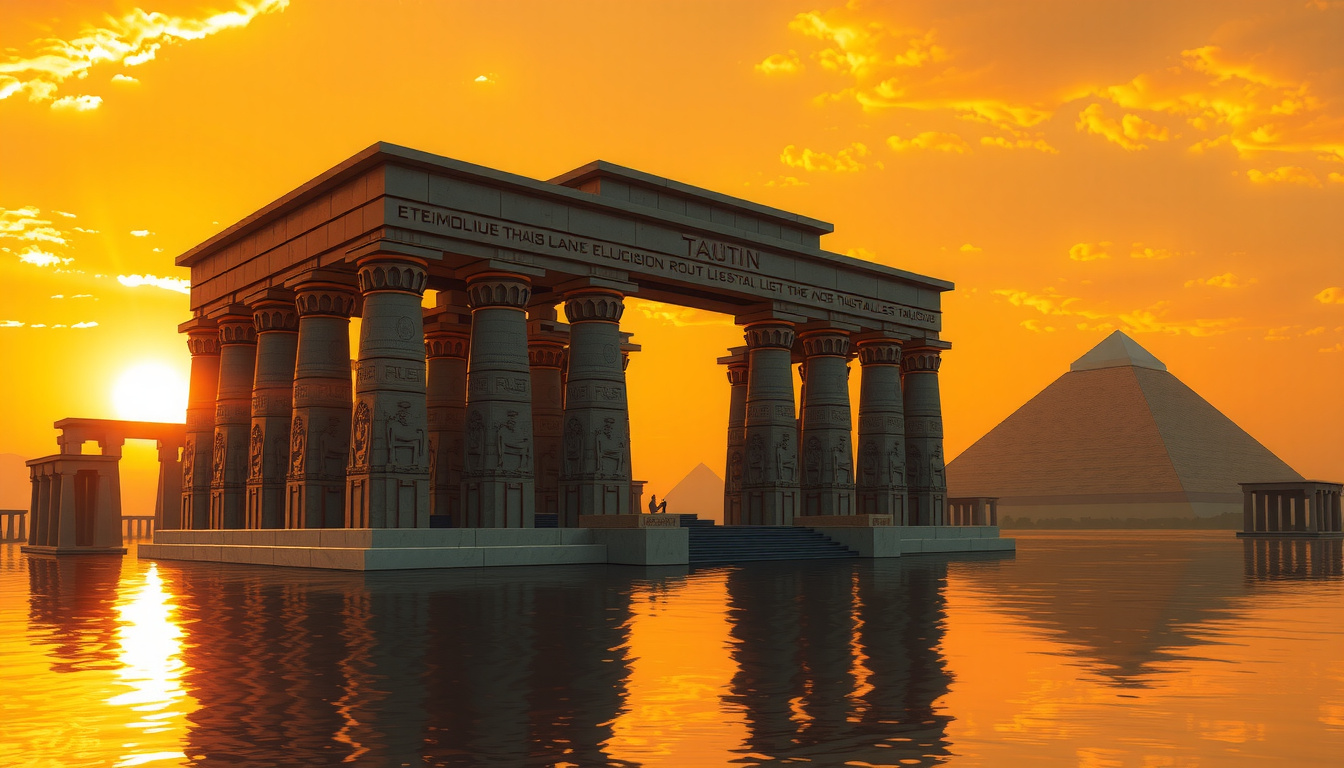
The Great Pyramid complex extends far beyond the main monument, encompassing a sophisticated arrangement of subsidiary structures that served specific religious and practical purposes. Three smaller pyramids located east of the Great Pyramid were constructed for Khufu's queens, demonstrating the hierarchical nature of royal burials while ensuring that royal women received appropriate afterlife preparation. These satellite pyramids, though smaller in scale, incorporated similar architectural principles and religious symbolism as their larger counterpart.
Archaeological investigations of queen's pyramids reveal burial chambers designed according to the same cosmic principles governing pharaonic tombs. The positioning of these structures within the complex reflects ancient Egyptian concepts of family unity extending into the afterlife, where royal spouses would continue their earthly relationships among the gods. Recent excavations have uncovered evidence suggesting these pyramids may have contained additional chambers and passages, indicating their construction involved similar mysteries and complexities as the main pyramid.
Mortuary Temples and Causeway Systems
The mortuary temple complex adjacent to each pyramid served as the focal point for ongoing religious ceremonies designed to maintain the pharaoh's divine essence throughout eternity. These massive stone structures housed priests who performed daily rituals, offering food, incense, and prayers to sustain the deceased ruler's spirit. The temple's architectural design incorporated astronomical alignments that allowed sunlight to illuminate sacred spaces during specific celestial events, connecting earthly rituals with cosmic cycles.
Elaborate causeway systems connected mortuary temples to valley temples located near the Nile River, creating processional routes used during funeral ceremonies and subsequent religious observances. These raised walkways, often enclosed and decorated with relief carvings depicting the pharaoh's divine nature, served both practical and symbolic purposes. The causeway journey represented the deceased ruler's transformation from earthly pharaoh to divine being, with each stage marked by specific rituals and offerings.
The Sphinx: Guardian of Mysteries
The Great Sphinx, carved from a single limestone outcrop and bearing the face of Pharaoh Khafre, stands as eternal guardian of the Giza necropolis. This colossal monument, measuring 73 meters long and 20 meters high, combines human intelligence with leonine strength, symbolizing the pharaoh's divine nature and protective power. The Sphinx's eastward orientation positions it to greet the rising sun daily, reinforcing solar connections central to Egyptian religious beliefs.
Geological analysis of erosion patterns on the Sphinx has generated considerable controversy regarding its age and construction timeline. Some researchers propose that weathering patterns suggest much earlier origins, potentially predating conventional chronology by thousands of years. These theories contribute to ongoing debates about egyptian pyramids pharaohs ancient mysteries, with some scholars arguing for lost civilizations or forgotten technological capabilities. However, mainstream Egyptology maintains that archaeological evidence supports traditional dating aligning with pyramid construction periods.
Construction Mysteries: How Were the Pyramids Built?
Quarrying and Transportation of Massive Stones
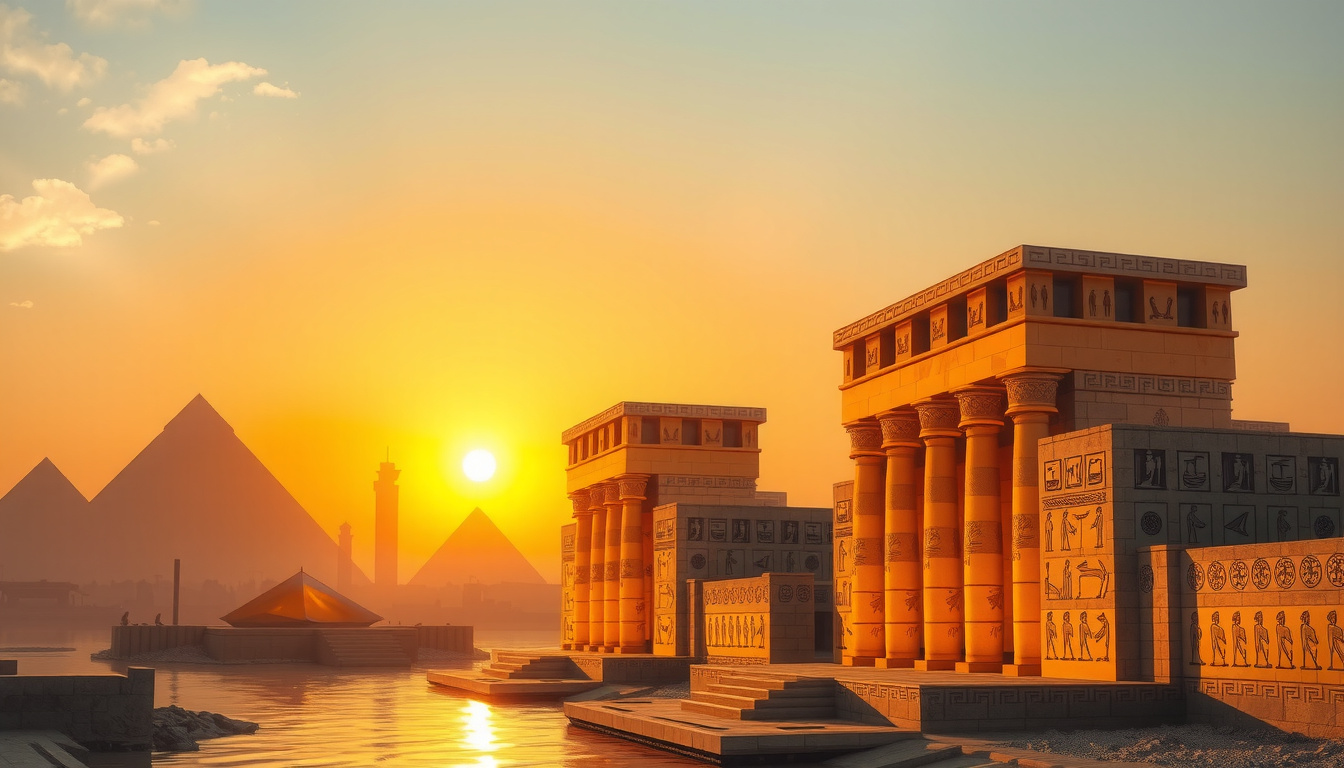
The logistics of quarrying and transporting the millions of stone blocks required for pyramid construction represent one of ancient Egypt's greatest engineering achievements. Local limestone quarries provided the majority of building material, with workers using copper chisels, wooden wedges, and precise cutting techniques to extract blocks weighing between 2.5 and 15 tons each. The precision cutting achieved by ancient craftsmen rivals modern masonry, with joints between blocks so tight that paper cannot be inserted between them.
Transportation of these massive stones required sophisticated understanding of physics and mechanics. Evidence suggests ancient engineers employed a combination of ramps, levers, rollers, and possibly sledges to move blocks from quarries to construction sites. The most challenging transportation involved granite blocks quarried at Aswan, located 800 kilometers south of Giza. These stones, some weighing up to 80 tons, were likely transported via Nile River barges during annual flood seasons when water levels permitted navigation of heavily loaded vessels.
Workforce Organization and Social Structure
Archaeological discoveries at workers' villages near the pyramids have revolutionized understanding of the labor force responsible for these monumental constructions. Rather than slave labor as commonly depicted in popular culture, evidence indicates organized teams of seasonal workers supplemented by permanent crews of skilled craftsmen, architects, and supervisors. These workers received regular meals, medical care, and proper burials, suggesting they were valued participants in sacred construction projects rather than exploited laborers.
The workforce organization reflected sophisticated project management capabilities, with teams assigned specific tasks based on skill levels and experience. Hieroglyphic inscriptions found in pyramid chambers reference work gangs with names like “Friends of Khufu” and “Drunkards of Menkaure,” indicating team pride and competition that motivated productivity. Administrative papyri discovered at nearby sites document supply chains, work schedules, and resource allocation that demonstrate systematic planning and execution rivaling modern construction projects.
Tools and Techniques of Ancient Builders
The tools and techniques employed by pyramid builders demonstrate remarkable ingenuity within the constraints of Bronze Age technology. Copper tools, including chisels, saws, and adzes, provided the primary means for cutting and shaping stone blocks. Wooden implements such as levers, rollers, and measuring devices enabled precise positioning and alignment of massive stones. Archaeological evidence also indicates the use of abrasive sand for cutting harder materials like granite, employing techniques that required patience and skill rather than advanced technology.
Precision measurement techniques ensured the mathematical accuracy observed in finished pyramids. Ancient builders used cubit rods, plumb lines, and sighting instruments to maintain proper angles and alignments throughout construction. The Egyptian royal cubit, measuring approximately 52.5 centimeters, served as the standard unit for pyramid dimensions and proportions. Many collectors of ancient Egyptian artifacts seek figurines and replicas of these measuring tools, fascinated by their role in creating such precise monuments. Construction phases were carefully planned to maintain structural integrity while accommodating the massive scale and weight of accumulated stone blocks.
Unsolved Mysteries and Modern Investigations
Unexplained Phenomena and Anomalies
The egyptian pyramids pharaohs ancient mysteries continue generating scientific interest due to various unexplained phenomena documented within their structures. Acoustic investigations have revealed unusual sound properties within pyramid chambers, including resonance frequencies that amplify certain tones while dampening others. These acoustic anomalies suggest intentional design features that may have served religious or practical purposes during ancient ceremonies and rituals.
Electromagnetic measurements within pyramids have detected unusual energy patterns and magnetic field variations that differ from surrounding areas. Some researchers propose these anomalies result from the pyramid's geometric shape and massive stone composition, while others suggest more mysterious explanations involving unknown ancient technologies or natural phenomena. Temperature variations within chambers, detected through thermal imaging, reveal patterns that don't always correlate with expected heat distribution, adding another layer to the pyramid enigma.
Recent investigations using ground-penetrating radar have identified structural anomalies that suggest additional chambers or passages within various pyramids. These findings indicate that current understanding of pyramid internal layouts remains incomplete, with significant discoveries potentially awaiting future exploration. The combination of multiple scanning technologies continues revealing new aspects of pyramid construction and design that challenge conventional archaeological interpretations.
Modern Technology Reveals Ancient Secrets
Twenty-first-century technology has revolutionized pyramid investigation methods, enabling non-invasive exploration of previously inaccessible areas. Cosmic-ray muon tomography, borrowed from particle physics, can detect density variations within pyramid structures, revealing hidden chambers and passages without damaging ancient monuments. This technique led to the 2017 discovery of a major void within the Great Pyramid, demonstrating how modern science continues unlocking ancient secrets.
Robotic exploration systems have enabled detailed investigation of narrow shafts within pyramids, capturing high-resolution images and measurements impossible through human exploration. These technological marvels, some small enough to navigate passages only 20 centimeters square, have photographed hieroglyphic markings, construction details, and chamber features that provide new insights into pyramid building techniques and purposes. Advanced imaging software processes this data to create detailed three-dimensional models of pyramid interiors.
Satellite technology and laser scanning have enabled precise mapping of pyramid complexes and surrounding archaeological features. These comprehensive surveys reveal relationships between different structures and identify previously unknown foundations, walls, and ceremonial areas. Digital reconstruction techniques allow researchers to visualize original pyramid appearances and test theories about construction methods through computer simulations.
Controversial Theories and Alternative Hypotheses
Alternative theories regarding pyramid construction and purpose continue challenging mainstream archaeological interpretations, generating passionate debate among researchers and enthusiasts. Some propose that pyramid builders possessed advanced technologies lost to modern civilization, pointing to precision measurements and construction techniques that seem remarkable for Bronze Age capabilities. These theories often reference astronomical alignments and mathematical relationships as evidence of sophisticated knowledge systems.
Geological evidence cited by alternative researchers includes weathering patterns on monuments that suggest much older origins than conventional chronology supports. Water erosion patterns on the Sphinx, for example, have been interpreted as indicating construction during periods of higher rainfall thousands of years before traditionally accepted dates. Such theories require fundamental revision of ancient Egyptian chronology and technological development timelines.
Popular books exploring these alternative perspectives often blend archaeological evidence with speculative interpretations, creating compelling narratives that capture public imagination. While mainstream Egyptology generally rejects theories involving lost civilizations or extraterrestrial intervention, ongoing discoveries continue revealing surprising aspects of ancient Egyptian capabilities that fuel continued speculation and research.
Legacy and Cultural Impact: Pyramids Through the Ages
Ancient Visitors and Historical Accounts
The pyramids of Giza attracted visitors and scholars from across the ancient world, establishing them as destinations of wonder and pilgrimage thousands of years before modern tourism. Greek historians including Herodotus visited Egypt in the 5th century BCE, documenting pyramid construction theories and religious significance according to Egyptian priests and local traditions. These early accounts, while sometimes containing inaccuracies, provide valuable insights into ancient perceptions of pyramid purposes and the cultural impact these monuments had on contemporary civilizations.
Roman emperors and wealthy citizens traveled to Egypt specifically to witness the pyramids, often leaving graffiti and inscriptions that archaeologists continue discovering today. These ancient tourist markings demonstrate the enduring fascination these structures held for educated visitors who recognized their exceptional nature. Roman writers like Pliny the Elder described the pyramids as among the most remarkable achievements of human civilization, establishing literary traditions that influenced subsequent cultural interpretations.
Ancient accounts often emphasized the mysterious aspects of pyramid construction, contributing to legends and theories that persist today. Stories of hidden chambers, secret knowledge, and supernatural powers became intertwined with factual descriptions, creating mythological frameworks that enhanced the pyramids' cultural significance beyond their original religious purposes.
Medieval Islamic Scholarship and Exploration
During the medieval Islamic period, Arab scholars and explorers conducted systematic investigations of egyptian pyramids pharaohs ancient mysteries, producing detailed descriptions and measurements that preserved knowledge during periods when European interest in ancient Egypt waned. Islamic historians like Al-Maqrizi documented pyramid dimensions, internal passages, and local traditions about their construction and purpose, creating valuable historical records that bridge ancient and modern understanding.
Medieval treasure hunters and explorers, motivated by legends of hidden wealth, initiated some of the first systematic penetrations of pyramid interiors. The forced entrance into the Great Pyramid, attributed to Caliph Al-Ma'mun in the 9th century CE, opened passages that remain primary access routes for modern visitors. These early explorations, while often destructive by contemporary standards, revealed internal chamber systems and architectural features previously known only through ancient texts.
Islamic scholars also preserved and translated ancient Egyptian and Greek texts describing pyramid construction and significance, maintaining scholarly traditions that proved invaluable when European Egyptology emerged during the Renaissance and Enlightenment periods. Their careful documentation and measurement techniques established methodological foundations for later scientific investigation.
Modern Egyptology and Scientific Study
The development of Egyptology as a scientific discipline began with Napoleon's expedition to Egypt in 1798, which included scholars, artists, and scientists who documented monuments with unprecedented precision. The resulting “Description de l'Égypte” provided European audiences with accurate illustrations and measurements of pyramids, sparking scholarly interest that led to systematic archaeological investigation throughout the 19th and 20th centuries.
Pioneer Egyptologists like Giovanni Battista Belzoni, Auguste Mariette, and Flinders Petrie established scientific excavation methods that revealed the complexity of pyramid construction and the sophistication of ancient Egyptian civilization. Their discoveries included workers' villages, tool caches, and construction ramps that provided concrete evidence about building methods and labor organization, replacing speculation with archaeological facts.
Modern conservation efforts balance scientific investigation with preservation requirements, ensuring these ancient monuments survive for future generations while permitting ongoing research. Advanced documentation techniques, including photogrammetry and laser scanning, create permanent digital records that preserve architectural details and enable virtual exploration. Museums worldwide display artifacts from pyramid excavations, including detailed figurines and models that help visitors understand the cultural context of these remarkable achievements. Scholarly books continue analyzing new discoveries and refining understanding of pyramid construction, religious significance, and cultural impact on both ancient and contemporary civilizations.
Other Pyramid Sites: Beyond Giza
Saqqara: The Step Pyramid Revolution
The Step Pyramid of Djoser at Saqqara represents a revolutionary moment in ancient Egyptian architecture, marking the transition from traditional mastaba tombs to the monumental pyramid forms that would define pharaonic burial practices for centuries. Constructed around 2670 BCE during the Third Dynasty, this six-tiered structure rises 62 meters high and established architectural principles that influenced all subsequent pyramid construction throughout Egypt.
Imhotep, the architect responsible for Djoser's pyramid, achieved legendary status as the first named architect in history and was later deified by ancient Egyptians for his innovations. His design represented multiple architectural advances, including the first monumental use of cut stone construction and the integration of complex underground passages and chambers. The Step Pyramid complex encompasses temples, courtyards, and ceremonial buildings that demonstrate sophisticated urban planning and religious architectural integration.
Archaeological investigations at Saqqara continue revealing the experimental nature of early pyramid construction, with evidence of construction modifications and engineering solutions developed during building phases. The site contains numerous other pyramids and mastaba tombs spanning over 3,000 years of Egyptian history, providing comprehensive insight into the evolution of royal burial practices and architectural techniques. Recent discoveries include previously unknown pyramids and extensive underground tunnel systems that expand understanding of Saqqara's role as Egypt's primary royal necropolis.
Dahshur: Bent and Red Pyramid Innovations
The pyramid complex at Dahshur showcases critical developmental stages in egyptian pyramids pharaohs ancient mysteries, particularly through Pharaoh Sneferu's ambitious building projects that established the engineering knowledge necessary for later Giza constructions. The Bent Pyramid, Sneferu's first attempt at true pyramid construction, demonstrates both the challenges and learning processes involved in developing new architectural forms. Its distinctive shape, with angle changes from 54 to 43 degrees partway up its sides, likely resulted from structural concerns that forced builders to modify their original design.
The Red Pyramid, Sneferu's second pyramid at Dahshur, represents the successful application of lessons learned from the Bent Pyramid's construction challenges. As the first true pyramid with smooth, uninterrupted sides, it established the architectural template perfected later at Giza. The Red Pyramid's internal chamber system demonstrates sophisticated understanding of structural engineering, with corbelled ceilings and precisely fitted stone blocks that have maintained structural integrity for over 4,500 years.
Dahshur's importance extends beyond individual monuments to encompass the experimental period that made later pyramid achievements possible. Archaeological evidence reveals construction camps, tool workshops, and transportation infrastructure that supported massive building projects. The site demonstrates how ancient Egyptian engineers solved complex problems through practical experimentation and incremental improvement, developing techniques that enabled the magnificent pyramids of Giza.
Lesser-Known Pyramid Sites and Their Secrets
Beyond the famous pyramids of Giza, Saqqara, and Dahshur, Egypt contains dozens of pyramid sites that contribute to understanding the full scope of ancient Egyptian royal burial practices and architectural development. The pyramids at Abusir, built during the Fifth Dynasty, demonstrate continued innovation in pyramid construction while revealing economic and political changes that influenced royal building projects. These pyramids, though smaller than their Fourth Dynasty predecessors, incorporated sophisticated internal designs and astronomical alignments that reflect evolving religious beliefs.
The pyramid complexes at Lisht, constructed during the Middle Kingdom revival of pyramid building, show how later pharaohs adapted Old Kingdom architectural principles to new political and economic circumstances. These structures often incorporated materials and design elements from earlier monuments, demonstrating both continuity and innovation in ancient Egyptian architectural traditions. Archaeological investigations at lesser-known sites continue revealing regional variations in construction techniques and burial practices that expand understanding of pyramid development across different time periods and locations.
Recent archaeological surveys using satellite imagery and ground-penetrating radar have identified previously unknown pyramid sites throughout Egypt, suggesting that the total number of ancient pyramids may be significantly higher than previously recognized. These discoveries include small provincial pyramids, experimental structures, and unfinished monuments that provide insights into the full range of pyramid construction activities. Many of these sites remain largely unexcavated, representing enormous potential for future archaeological discoveries that could further revolutionize understanding of ancient Egyptian civilization and the cultural significance of pyramid construction across the entire pharaonic period.

Check each product page for other buying options. Price and other details may vary based on product size and color.
Highly rated by customers for quality and value. Click to see current pricing and customer reviews.