From the thunder-wielding Thor to the all-seeing Odin, Norse mythology presents a complex pantheon of gods whose stories have captivated humanity for over a millennium. Why? Because they still influence modern popular culture in ways that'll surprise you.
But what makes these deities so enduring? We still name our days after them. We fill our screens with their adventures. Sound familiar?
After decades of studying mythological traditions across cultures, I've found Norse mythology uniquely compelling. Here's the thing—their gods aren't perfect, immortal beings. They're flawed, mortal, and surprisingly relatable. They face the same fundamental questions we do: How do you find meaning when you know everything ends? What's worth fighting for when fate seems predetermined?
Let's explore this fascinating pantheon. Trust me, you'll discover why these ancient Scandinavian deities remain so powerful in our collective imagination.
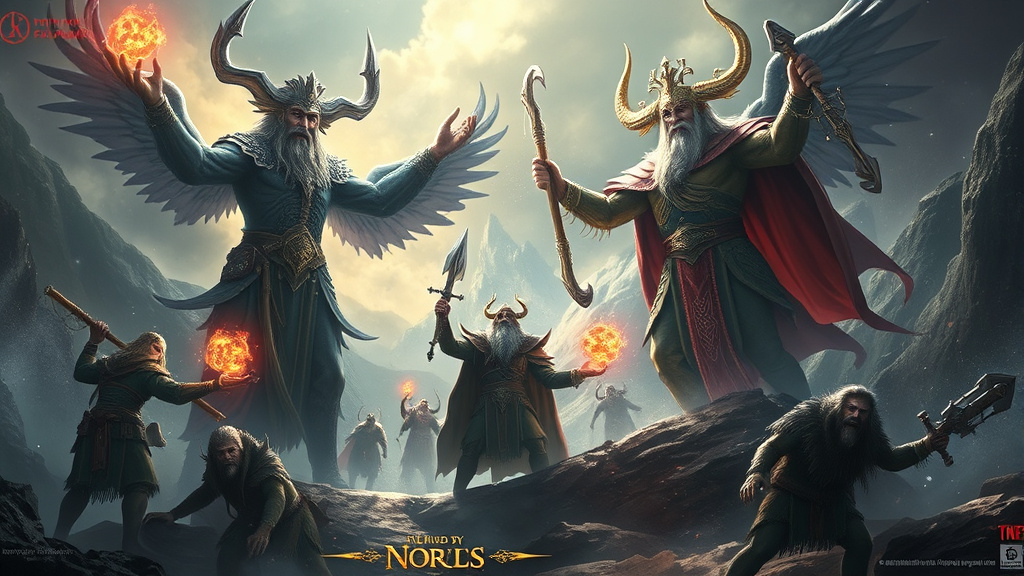
Understanding Norse Mythology and Its Divine Hierarchy
Before diving into individual gods, you need to grasp the cosmic framework they operated within. Norse mythology isn't just a collection of stories. It's an interconnected universe with its own logic and rules.
The Nine Realms of Norse Cosmology
Picture a massive ash tree called Yggdrasil. This isn't just any tree—it's the World Tree, supporting nine different realms across its roots, trunk, and branches. Each realm houses different beings. Each serves specific cosmic functions.
Asgard sits at the top. Home to the Æsir gods. Midgard, our human world, occupies the middle realm, encircled by Jörmungandr, the World Serpent. Below lies Hel, the realm of the dead, ruled by the half-living goddess of the same name.
The other realms include Alfheim (light elves), Svartalfheim (dark elves), Vanaheim (the Vanir gods), Jotunheim (giants), Muspelheim (fire giants), and Niflheim (primordial ice). These aren't separate planets—they're interconnected dimensions, accessible through specific pathways or divine intervention.
What strikes me most about this cosmology? It reflects the harsh realities of Scandinavian life. The world tree constantly faces threats—a dragon gnaws at its roots, deer eat its branches, and eagles nest in its crown. Even the cosmic order requires constant vigilance to survive.
Æsir vs. Vanir: Two Tribes of Gods
Here's where Norse mythology gets really interesting. The pantheon actually consists of two different divine tribes that weren't always allies. The Æsir, led by Odin, focused on war, wisdom, and governance. The Vanir specialized in fertility, prosperity, and the natural world.
These groups fought a devastating war called the Æsir-Vanir War. Neither side could claim victory. So they negotiated a peace treaty that included exchanging hostages. Several Vanir gods, including Njörðr, Freyr, and Freya, came to live permanently in Asgard.
This merger explains why Norse mythology contains seemingly contradictory elements. You've got warrior gods alongside fertility deities. Complex magic systems next to straightforward hammer-swinging. Both fatalistic acceptance and defiant resistance to destiny.
The Role of Fate and Ragnarök
Here's what makes Norse mythology unique among world mythologies. The gods know exactly how everything ends. And they're powerless to change it. The concept of wyrd (often translated as fate, but closer to “the way things unfold”) governs even divine actions.
Ragnarök, the prophesied end of the gods, hangs over every story. Odin knows he'll be devoured by the wolf Fenrir. Thor understands he'll kill Jörmungandr but die from its poison. Freyr will fall without his sword, which he traded away for love.
Yet they keep fighting anyway. This isn't passive resignation—it's active defiance against the inevitable. That tension between knowing your fate and choosing how to face it? It permeates every Norse myth.
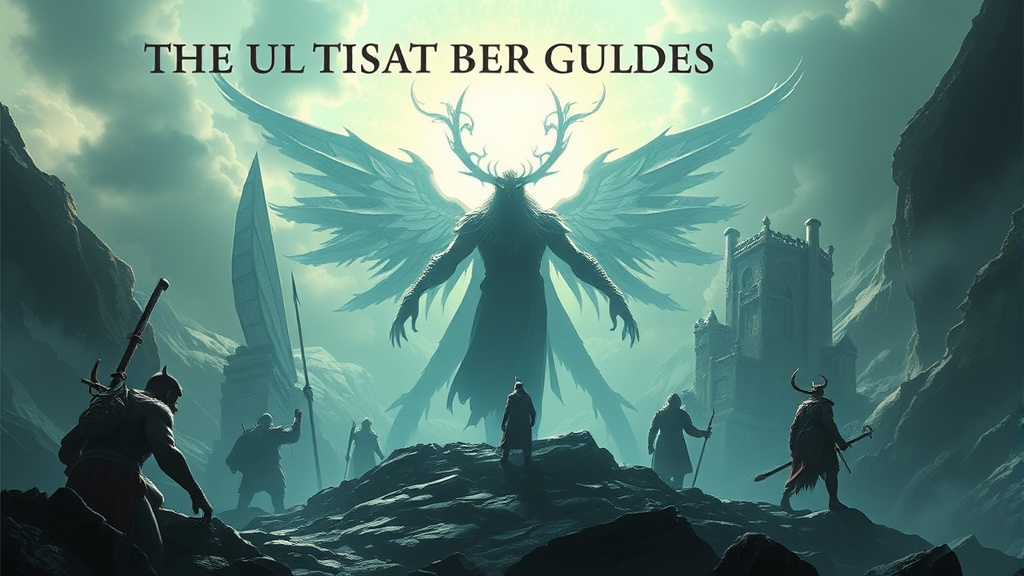
Odin: The All-Father and God of Wisdom
If you think of Odin as just a bearded king on a throne, you're missing the complexity that makes him fascinating. He's simultaneously a wise ruler, a wandering vagrant, a war god, and a seeker of forbidden knowledge. No other mythological figure embodies such contradictions.
Odin's Quest for Knowledge and Sacrifice
What would you sacrifice for ultimate knowledge? Odin answered that question by giving up his eye for a drink from Mimir's well of wisdom. But he didn't stop there. He hung himself from Yggdrasil for nine days and nights, pierced by his own spear, to discover the secrets of the runes.
Think about that image. The king of the gods torturing himself to death to gain wisdom. This wasn't divine privilege—it was earned through genuine sacrifice. The runes he discovered weren't just letters. They were magical formulas that could heal wounds, bind enemies, or speak with the dead.
Odin's hunger for knowledge often puts him at odds with others. He breaks oaths. Manipulates heroes. And abandons allies when it serves his greater purpose of preparing for Ragnarök. He's not evil, but he's certainly not conventionally good either.
Powers and Abilities of the All-Father
Odin's abilities reflect his roles as war leader, wisdom seeker, and death god. He rides Sleipnir, an eight-legged horse that can travel between the nine realms. His spear Gungnir never misses its target. And his ravens Huginn (Thought) and Muninn (Memory) fly across all worlds each day, bringing him information.
He commands the Valkyries—warrior maidens who select which heroes die in battle and bring them to Valhalla. Half the honored dead feast in his great hall, preparing for the final battle. The other half go to Freya's hall, Fólkvangr, showing how the Æsir-Vanir alliance still functions.
Perhaps most importantly, Odin practices seidr, a form of shamanic magic often associated with women. His willingness to cross gender boundaries for power scandalized some ancient audiences but demonstrates his commitment to gaining every possible advantage for the coming apocalypse.
Odin's Role as Leader of the Æsir
Leading gods might seem easier than ruling humans. But Odin's family presents unique challenges. He has to manage Thor's impulsiveness, Loki's schemes, and the competing interests of former enemies. His leadership style involves long-term planning that sometimes requires short-term betrayals.
Odin embodies the harsh pragmatism necessary for survival in an unforgiving world. He makes difficult choices that more conventional gods couldn't stomach. When you know the world will end and only preparation might save something from the ashes, moral purity becomes a luxury you can't afford.
Thor: The Thunder God and Protector of Midgard
Where Odin represents complex wisdom and difficult choices, Thor embodies straightforward heroism and protective strength. If Odin is the king who makes the hard decisions, Thor is the champion who fights for those who can't fight for themselves.
Mjölnir and Thor's Divine Arsenal
Every mythology student knows about Mjölnir. But the hammer represents more than just a weapon. Crafted by dwarven smiths, it never misses its target and always returns to Thor's hand. More importantly, it can level mountains or bless marriages with equal effectiveness.
Thor's other equipment proves equally impressive. His belt Megingjörð doubles his already incredible strength. His iron gloves Járngreipr allow him to handle Mjölnir's immense power safely. His chariot, pulled by two goats (Tanngrisnir and Tanngnjóstr), creates thunder as it crosses the sky.
But here's what I find most interesting about Thor's gear—it requires maintenance and can be lost. Unlike truly immortal gods in other mythologies, Thor depends on crafted items that can break, be stolen, or need repair. This vulnerability makes his protection of humanity feel more precious.
Thor's Role as Humanity's Champion
While other gods pursue their own agendas, Thor consistently stands between humanity and the giants who would destroy them. He doesn't do this for worship or sacrifice. He genuinely cares about protecting those weaker than himself.
Thor's simplicity compared to other gods makes him remarkably relatable. He gets hungry. Loses his temper. Sometimes falls for obvious tricks. Yet his straightforward nature allows him to cut through problems that would entangle more clever gods in endless complications.
The stories consistently show Thor traveling to the borders between order and chaos. Fighting creatures that threaten cosmic stability. He's not just defending humans—he's maintaining the boundaries that keep all the nine realms functioning.
Famous Myths and Adventures
Thor's fishing expedition for Jörmungandr remains one of my favorite Norse myths. Using an ox head as bait, Thor hooks the World Serpent and nearly pulls it from the ocean floor. The encounter fails only because his terrified companion cuts the line. Postponing their final confrontation until Ragnarök.
His journey to Utgard showcases both his strength and limitations. Giants trick him into attempting impossible tasks—drinking from a horn connected to the ocean, wrestling with old age personified, and lifting a cat that's actually the World Serpent. Though he “fails,” his attempts nearly break the world itself.
These stories work on multiple levels. Children can enjoy them as adventure tales. Adults recognize deeper themes about the relationship between strength and wisdom, the nature of heroism, and the price of protection.
Freya and the Vanir Gods of Fertility and Prosperity
The Vanir represent a different approach to divinity than their Æsir allies. Where the Æsir focus on war and governance, the Vanir govern fertility, wealth, and the natural cycles that sustain life. Their integration into the Norse pantheon added crucial balance to what could have been an overly militaristic mythology.
Freya: Goddess of Love, Beauty, and War
Freya perfectly embodies the complexity of the Vanir perspective. She's simultaneously the goddess of romantic love and sexual desire, and a fierce war deity who claims half of those who die in battle. This combination puzzles people familiar with mythologies that separate love goddesses from war goddesses.
But think about it from a Viking Age perspective. Love and war both require courage, passion, and the willingness to risk everything for what matters most. Freya's dual nature reflects the understanding that creation and destruction often intertwine.
Her magical falcon cloak allows her to fly between the realms. Making her one of the most mobile deities in the pantheon. The necklace Brísingamen, crafted by dwarves in exchange for four nights of love, represents both her beauty and her willingness to pay any price for what she desires.
Freya rules over Fólkvangr, where her half of the honored dead feast in her hall Sessrúmnir. The division of the heroic dead between her and Odin demonstrates the continued partnership between Æsir and Vanir traditions.
Freyr: God of Fertility and Prosperity
Freyr governs the prosperity that makes civilization possible. His control over sunshine, rain, and fertile soil provides the foundation for all human achievement. Without abundance, there's no time for art, poetry, or the complex social structures that define civilization.
His magical ship Skíðblaðnir can be folded up and carried in a pocket when not needed. But expands to carry all the gods when required. His boar Gullinbursti runs through air and water faster than any horse, with golden bristles that illuminate the darkest nights.
Freyr's greatest sacrifice involves giving up his magical sword to win the love of the giantess Gerðr. This choice dooms him at Ragnarök, when he faces Surtr without his primary weapon. Yet the myth suggests that love and creation matter more than survival—a distinctly Vanir perspective.
The Vanir's Integration into Norse Society
The Vanir gods didn't simply join the Æsir pantheon. They transformed it. Freya taught seidr magic to the Æsir, introducing shamanic practices that emphasized intuition and spiritual insight alongside runic formulae.
Their focus on prosperity and fertility balanced the Æsir emphasis on war and wisdom. A society needs both perspectives to thrive—the warrior's courage to face threats and the farmer's patience to nurture growth.
The successful integration of these divine traditions might reflect actual historical processes. As different Scandinavian cultures merged and adapted their religious practices. The mythological peace treaty could preserve memories of real negotiations between different groups.
Loki: The Trickster God and Agent of Change
No Norse god generates more controversy than Loki. He's simultaneously the gods' greatest ally and their ultimate enemy. The problem-solver who creates the very problems he solves. Understanding Loki requires abandoning simple categories of good and evil.
Loki's Shapeshifting Abilities and Cunning
Loki's shapeshifting goes far beyond simple disguise. He transforms into animals, changes gender, and even bears children in various forms. As a mare, he gives birth to Sleipnir, Odin's eight-legged horse. This fluid identity makes him uniquely qualified to cross boundaries others can't navigate.
His cunning consistently surpasses even Odin's wisdom in certain situations. When giants demand payment the gods can't afford, Loki finds loopholes in contracts. When the gods need magical treasures, Loki tricks the dwarves into providing them through competitive craftsmanship.
Yet this same cleverness eventually turns against the gods themselves. The mind that solves today's crisis plants the seeds of tomorrow's catastrophe. Loki represents the double-edged nature of intelligence and innovation.
His Complex Relationship with the Æsir
Loki's blood brotherhood with Odin predates the formation of the current pantheon. This bond means Loki can't be simply expelled from Asgard, even when his actions cause massive problems. He's family. With all the complications that implies.
The gods regularly rely on Loki to fix situations their more straightforward approaches can't handle. Need to retrieve stolen treasure? Send Loki. Want to break an unfavorable contract? Loki finds the loopholes. Require knowledge from hostile sources? Loki can infiltrate anywhere.
But they also consistently exclude him from decision-making. And blame him when his solutions create new complications. This treatment gradually transforms Loki from reluctant ally to active enemy.
The Path from Helper to Enemy
Loki's transformation from problem-solver to apocalypse-bringer follows a tragic trajectory. His children—the wolf Fenrir, the serpent Jörmungandr, and the half-dead goddess Hel—face imprisonment or exile based on prophecies about their future actions.
The gods' treatment of Loki's children reveals their fears about change and difference. Rather than trying to prevent the prophecies through inclusion and acceptance, they guarantee their fulfillment through rejection and punishment.
Loki's final binding after Baldr's death represents the gods' attempt to eliminate chaos from their ordered world. But chaos confined becomes destructive force multiplied. At Ragnarök, Loki leads the forces of destruction against the gods who rejected him and his children.
Other Significant Norse Deities and Their Domains
The Norse pantheon extends well beyond the major figures. It encompasses dozens of gods and goddesses who govern specific aspects of existence. Each brings unique perspectives and abilities that enrich the mythological tapestry.
Baldr: The God of Light and Purity
Baldr represents everything good and pure in the Norse pantheon—beauty, light, wisdom, and fairness. His mother Frigg extracted oaths from everything in existence to never harm him. Making him seemingly invulnerable to all threats.
Yet the gods' attempts to protect absolute goodness ultimately destroy it. By making Baldr invulnerable, they create a situation where his death becomes both inevitable and catastrophic. The one thing they forgot to get an oath from? Mistletoe, seemingly too young and innocent to pose a threat. It becomes the weapon that destroys perfection itself.
Baldr's death and the gods' inability to retrieve him from Hel marks the beginning of the end times. It demonstrates that even the most careful planning can't prevent tragedy when dealing with cosmic forces beyond divine control.
Tyr: The One-Handed God of Justice
Tyr embodies the principle that justice requires sacrifice. When the gods needed to bind the wolf Fenrir, only Tyr was willing to place his hand in the wolf's mouth as guarantee of their good intentions. He knew they planned to betray that trust. And he accepted the loss of his hand as the price of protecting the world.
This sacrifice makes Tyr the most genuinely heroic figure in the pantheon. Unlike other gods who pursue their own interests or cosmic necessity, Tyr chooses personal loss for the common good. His missing hand serves as a permanent reminder that justice often comes at significant cost.
Tyr also represents the honorable aspects of warfare—fair combat, keeping oaths, and protecting the innocent. Where Odin manipulates and Thor overwhelms, Tyr fights according to established rules that apply equally to all participants.
Frigg, Heimdall, and Other Important Gods
Frigg, Odin's wife and queen of the Æsir, possesses prophetic abilities that rival her husband's wisdom. She knows the fate of all beings but rarely reveals what she's learned. Her silence about future tragedies might represent the mercy of not knowing your doom in advance.
Heimdall guards the rainbow bridge Bifrost, watching for threats from all nine realms. His senses are so acute he can hear grass growing and see for hundreds of miles. At Ragnarök, he'll kill Loki but die from wounds received in their mutual combat.
Vidar, Odin's son, represents hope for the future. Known as the Silent God, he'll survive Ragnarök and help rebuild the world afterward. His thick boot, made from leather scraps collected throughout history, will allow him to survive the wolf that kills his father.
Hel rules the realm of the dishonored dead—those who die from sickness, old age, or cowardice rather than in battle. Half alive and half corpse, she embodies the Norse understanding that death touches all existence. Even the gods themselves.
Powers, Magic, and Divine Abilities in Norse Mythology
Norse divine power operates differently from omnipotent deities in other mythologies. The gods are powerful but limited. Magical but dependent on tools and knowledge. Immortal but destined to die. Understanding these limitations reveals what makes Norse mythology so compelling.
Types of Magic: Seidr, Galdr, and Divine Power
Norse mythology recognizes several distinct forms of magic. Galdr involves spoken or carved runes that tap into cosmic forces through precise formulations. Odin's discovery of the runes makes him a master of galdr magic, able to heal, harm, or bind through runic formulas.
Seidr represents a more shamanic approach—spiritual journeying, shapeshifting, and communication with spirits. Originally associated with the Vanir and primarily practiced by women, seidr magic emphasizes intuition and relationship over formula and control.
Divine power itself seems earned rather than inherent. The gods maintain their strength through the golden apples of Iðunn. Gain wisdom through sacrifice and experience. And depend on crafted tools for many of their abilities.
Magical Objects and Artifacts
Norse gods rely heavily on magical items created by skilled craftsmen, particularly dwarven smiths. Mjölnir, Gungnir, Draupnir, and other legendary artifacts aren't just weapons—they're repositories of power that enhance divine abilities.
This dependence on tools makes the gods more relatable and vulnerable. Thor without Mjölnir is still strong but not invincible. Odin without Gungnir loses his guarantee of accurate strikes. Freyr's sacrifice of his sword leaves him defenseless against Surtr.
The creation stories for these items often involve trickery, competition, or high stakes gambling between gods and craftsmen. Power comes at a price. And even gods must negotiate for the tools they need.
The Nature of Divine Power in Norse Culture
Norse divine power reflects the values of the culture that created these myths. Strength matters, but so does wisdom. Individual heroism is crucial, but community survival trumps personal glory. Most importantly, how you face inevitable defeat matters more than whether you can avoid it.
The gods' mortality makes their choices meaningful. When Thor protects humanity knowing he'll die at Ragnarök, his sacrifice carries weight that immortal protection couldn't match. When Odin seeks wisdom despite the cost, his suffering resonates with human experience.
This approach to divinity influenced how Vikings understood their own lives. If the gods themselves faced unavoidable doom, humans could find honor and meaning in facing their own challenges with courage and determination.
The Cultural Impact and Legacy of Norse Gods
Norse mythology's influence extends far beyond ancient Scandinavia. These stories shaped medieval literature, inspired modern fantasy, and continue to resonate with contemporary audiences seeking meaning in an uncertain world.
Historical Worship and Religious Practices
Archaeological evidence reveals complex religious practices surrounding these deities. Temple sites, sacrificial deposits, and runic inscriptions show how ancient Scandinavians integrated divine stories into daily life.
Viking Age practitioners didn't just tell these myths—they lived them. Warriors sought Odin's favor through battle. Farmers honored Freyr for good harvests. And travelers invoked Thor's protection against hostile forces.
The conversion to Christianity didn't immediately erase Norse religious influence. Many practices continued in modified forms. And the mythological worldview influenced how Scandinavians understood Christian teachings.
Influence on Modern Literature and Media
Snorri Sturluson's 13th-century Prose Edda preserved these myths for future generations. But modern adaptations have transformed them into global phenomena. From Wagner's Ring Cycle to Marvel Comics, Norse gods continue inspiring new stories.
What strikes me about these adaptations? They often focus on the action while missing the philosophical depth. Thor becomes a superhero rather than a meditation on sacrifice and duty. Loki transforms into a villain rather than an exploration of necessary chaos.
Yet even simplified versions introduce new audiences to concepts that remain relevant—the relationship between fate and choice, the cost of protecting others, and the question of how to find meaning when everything ends.
Norse Gods in Contemporary Culture
We live with Norse mythology every week without thinking about it. Tuesday through Friday commemorate Tyr, Odin (Woden), Thor, and Freya respectively. These linguistic fossils preserve ancient religious practices in secular modern life.
The revival of interest in Norse paganism (Ásatrú) demonstrates how these myths continue providing spiritual framework for some contemporary seekers. While modern practitioners adapt ancient practices for current contexts, they find meaning in mythological approaches to honor, community, and relationship with nature.
Video games, television series, and movies continue mining Norse mythology for compelling narratives. The themes of facing impossible odds with courage and dignity resonate across cultures and centuries.
Finding Meaning in the Twilight of the Gods
Norse mythology endures because it honestly confronts the human condition. These aren't stories about perfect beings who always triumph—they're explorations of how to live meaningfully in an imperfect world where everything eventually ends.
The gods' complex personalities reflect our own contradictions. We see Odin's wisdom and manipulation, Thor's strength and simplicity, Freya's love and fierceness, Loki's creativity and destructiveness. They're not moral examples to follow blindly but complex characters whose choices illuminate the challenges we all face.
Most powerfully, these myths suggest that knowing your fate doesn't mean accepting it passively. The gods understand they'll lose at Ragnarök. But they choose how to face that doom. They could despair. Instead they prepare. They could surrender. Instead they fight.
That message—that dignity comes from how you respond to circumstances beyond your control—remains as relevant now as it was a thousand years ago. In our own age of uncertainty and change, perhaps we can find inspiration in gods who faced the end of everything with courage, wisdom, and determination to protect what they loved. Even knowing it couldn't last forever.
Whether you encounter these myths through ancient texts or modern adaptations, the fundamental questions remain the same: What's worth fighting for? How do you find meaning in mortality? What legacy will you leave when the twilight comes?
The Norse gods don't provide easy answers. But they offer something perhaps more valuable—the example of beings who faced these eternal questions honestly and found ways to live, love, and fight with honor despite knowing how the story ends.