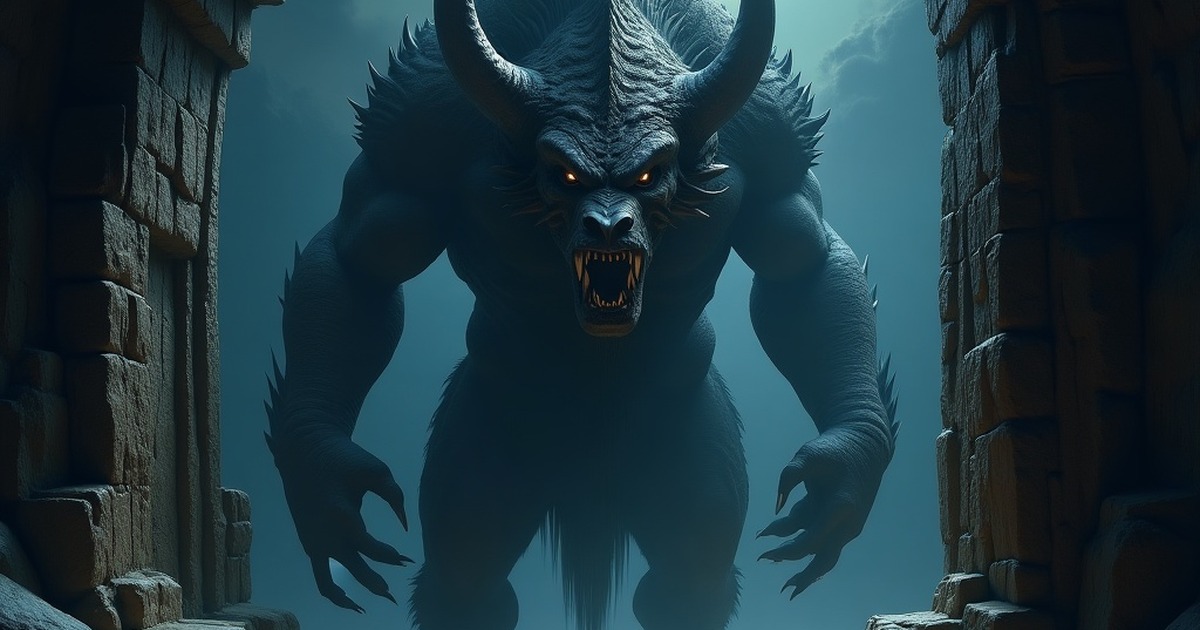
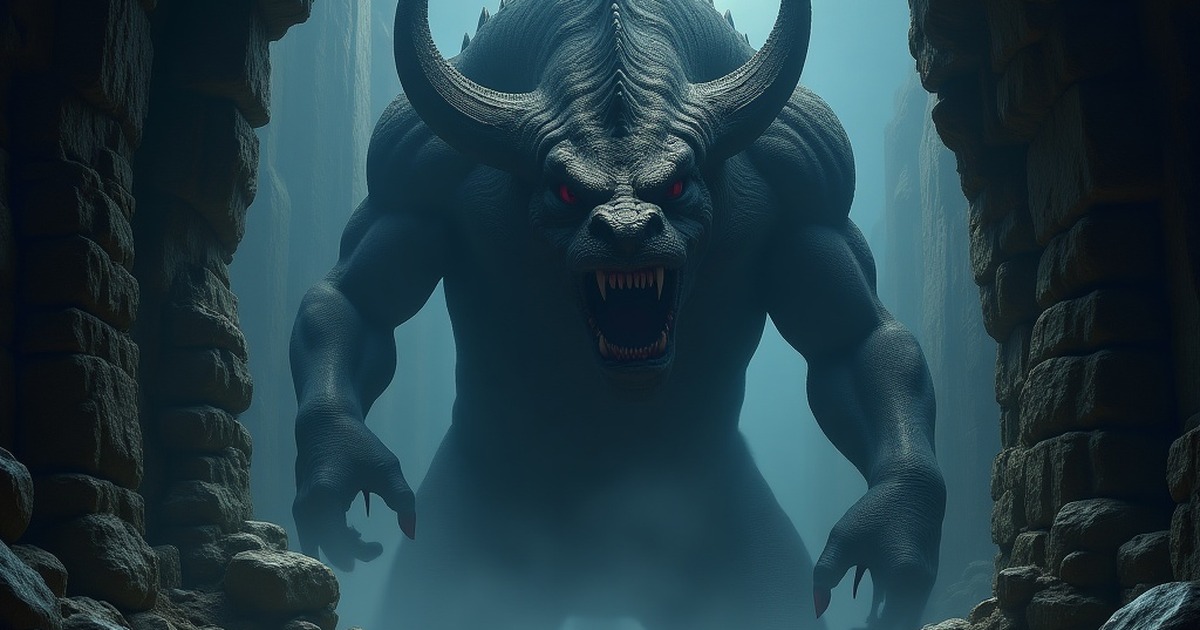
In the rivers, lakes, caves, and coastal waters of Aotearoa (New Zealand), powerful beings keep watch over their domains. The Taniwha (pronounced “tah-nee-fah”) are supernatural guardians of the Māori people—creatures that can protect or destroy, depending on whether their territory is respected or violated.
Nature of the Taniwha
Taniwha exist throughout Māori tradition as:
- Guardian spirits of specific locations
- Ancestors who transformed into supernatural beings
- Protectors of the people (hapū or iwi) connected to their territory
- Dangerous beings to those who violate their realm
Each taniwha has its own personality, history, and relationship with the local people.
Appearance
Taniwha take many forms:
- Giant reptilian creatures like enormous lizards or tuatara
- Shark-like beings in coastal areas
- Whales or large fish
- Logs or floating debris that suddenly come alive
- Some can shapeshift into human form
Their size can range from merely large to truly colossal—some taniwha are said to have carved out river channels with their passing.
Famous Taniwha
Many taniwha have names and stories:
- Araiteuru: A taniwha who guided the first canoe to New Zealand
- Kaiwhare: Lives at the mouth of the Manukau Harbour
- Ureia: A taniwha of Lake Horowhenua
These beings are not merely legends—they feature in legal discussions about land development and environmental protection in modern New Zealand.
Cultural Significance
Taniwha represent the Māori understanding of the relationship between people and the natural world. They embody the concept of kaitiakitanga (guardianship), reminding people that waterways and territories have their own spiritual presence deserving respect.
Related Creatures
The taniwha concept parallels water guardians across cultures: compare to the Scottish Kelpie, Chinese Long dragon, and African water spirits. Within Polynesia, similar beings appear in Hawaiian Mo'o traditions.